

Chardin’s road towards married life was a protracted one. The love of his life was Marguerite Saintard, the daughter of Simon-Louis Saintard, a Parisian tradesman and his wife Françoise Pantouflet and in 1723 a contract of marriage was agreed with financial details and dowries having been accepted by both parties and the future in-laws. However, Marguerite’s parents were wary with regards how Chardin would support their daughter and needed Chardin’s position to be “consolidated” before any marriage could take place. One has to remember that it was not until 1728 that Chardin was accepted into the Académie Royale de Peinture et de Sculpture which meant he had a greater chance of selling his work. However, in 1730 he had acquired his first patron, Comte Conrad-Alexandre de Rothenbourg, Louis XV’s ambassador to Madrid, who was buying up many of his paintings.

In 1731 Chardin was commissioned by Rothenbourg to paint two still-life canvases for his library on Rue du Regard, in Paris. It was decided that they should be painted and then hung high up on either side of the door to the room, as they were initially designed to be viewed from below. One was entitled Attributes of the Arts which is housed in St Petersberg’s Institute of Russian Literature

The other was Attributes of the Sciences. It is interesting to note that two of the items depicted in this latter work belonged to Chardin. They were two large Turkish carpets which normally covered the oak tables in Chardin’s study. In the painting we can see a graphic characterisation of the Scientific Revolution and the discoveries and inventions from that time. We see instruments that were connected with observation such as a telescope, and a microscope. There were objects which harked back to times of discovery and knowledge such as the globe, as well as books and maps. These items also symbolise the documentation and spreading of knowledge in science. This still-life work focuses on inanimate objects that represent the theme and motif of the image. The depiction is without people and the scientific instruments are placed in the centre of the painting and reflect the scientific revolution and the new world view and perspective that was gradually accepted during the artist’s time.
Chardin and Marguerite, signed a second marriage contract in January 1731. It is ironic that the delay to the marriage was due to Marguerite’s parents concern about Chardin’s ability to financially provide for their daughter and yet her dowry as stated in the second contract (1000 livres) was less than that stated in the first marriage contract (3000 livres) eight years earlier. The probable reason for this reduction was that since the signing of the first contract both of Marguerite’s parents had died. Chardin and Marguerite married on February 1st 1731 at the nearby church of Saint-Sulpice.

In Chardin’s 1735 painting A Lady Taking Tea, it is believed that his wife, Marguerite Saintard, was the model for the depiction. It is a beautiful and, in some way, a haunting image of a lady drinking tea, because the work was completed just two months before she died.

In 1728 Chardin produced two more still-life works featuring cats. One was entitled Cat with Salmon, Two Mackerel, Pestle and Mortar which is now housed in the Thyssen-Bornemisza Museum in Madrid. In this work we see the cat with its tail erect placing its paw tentatively on a piece of salmon. Under the salmon fillet we can just make out a dark green pottery lid, next to which is a leek and an onion and on the far right there is a pestle and mortar.

The other work, entitled Cat with Ray, Oysters, Pitcher and Loaf of Bread is also housed in the Madrid museum and features Chardin’s well-known ray. Like the previous painting this work depicts a nervous tortoiseshell cat as it hesitantly places its paws on the oysters. The depiction is completed by the ray. This is complimented by the inanimate objects – the green glazed earthenware dish, a small jug and part of a loaf of bread. Chardin’s still life works are arranged with objects that belonged to him and which he repeatedly used in his compositions. These two paintings were in the collection of Baron Edmond de Rothschild and were acquired for the Thyssen-Bornemisza collection in 1986. Both reflect the influence of Dutch painting that is evident in the artist’s early work, in which he adapted northern subjects and formats to his own manner. Chardin had now begun to supplement his inanimate objects with living animals that in some way interpose the calmness of the depiction. The composition of these two paintings is pure simplicity with the arrangement of the cats and the inanimate kitchen items on a stone ledge. Chardin’s rich colouring creates a visually believable image.

Another of Chardin’s early still-life paintings housed in the Thyssen-Bornemisza collection in Madrid is Still Life with Pestle and Mortar, Pitcher and Copper Cauldron, which he completed around 1732. In this work, Chardin depicts a wooden pestle and mortar, a pottery pitcher, a small copper cauldron or cooking pot and a fired terracotta dish of a type used for cooking. The foreground is dominated by a white cloth of a thick weave, atop of which we see an arrangement made up of onions, potatoes, two eggs and some thin leeks. Colour played a big part in the success of Chardin’s works and this painting is a fine example of Chardin’s use of colour and tones. Look, for example, at the whites in the foreground. Chardin has used various shades of white to depict the skin of the onions, the eggs and the coarse tablecloth to give a feel for the texture of the objects. The wooden pestle and mortar on the left can be seen in other paintings by Chardin, as would the pitcher and the copper cooking pot.

Chardin uses ploys which can also be seen in Flemish and Dutch still-life paintings to create a sense of depth by depicting the white cloth fallings over the front of the table top. The end of the leek also appears to overshoot the table top to give a 3-D impression and this reminds one of the similar trompe l’oeil technique when objects overlap tables in many Netherlandish paintings, such as in the Still Life painting by the Flemish painter Jan Davidsz. de Heem in which we see the claws of a lobster and the curled peel of a lemon overhang the green velvet table covering.

In 1930 Chardin completed his painting, Bowl of Plums, a Peach and Water Pitcher, which is now housed at The Phillips Collection in Washington DC. The bowl of plums we see in this work was a favourite of Chardin’s and appeared in some of his other works. What is unique about this painting is his inclusion of the white water pitcher with its exquisite butterfly pattern and delicate silver mount. It puzzled art historians as to whether this item was a figment of the artist’s imagination but it is known that Chardin needed to have the objects in front of him when copying them and so it is thought that he had acquired this Chinese vessel at some time. Chardin has gone for a scumbled (the application of a very thin coat of opaque paint to give a softer or duller effect) background, so not to detract from the pitcher and fruit.
The next six years were a rollercoaster of personal events for Chardin. His father, Jean-Pierre died at the beginning of April 1731 but Chardin received very little from his father’s estate due to the fact he was the product of his father’s second marriage and there were many “calls” on the estate from his father’s ex-wife and their children of his first marriage. In the end Chardin inherited 1,711 livres. On November 15th 1731, Chardin’s son, Jean-Pierre was born and two years later, in 1733, his daughter, Marguerite-Agnès, was born. A period of sadness was to soon follow with Chardin’s wife Marguerite dying on April 13th 1735 at the young age of 22 and his daughter dying in 1737, aged just four. These deaths probably took their toll on Chardin as in 1742 he became very ill and takes no part in that year’s Salon.
..……to be continued
One of the many blogs I follow is one entitled Victorian Paris Blog and the author is Iva Polansky. I was pleased to read that she has turned the various blogs into an e-book. Take a look at it:
https://victorianparis.wordpress.com/2019/04/10/victorian-paris-blog-is-a-book/











 The Casa de Iberoamérica, House of Ibero-America in Cadiz is located in the 18th-century building on Concepción Arenal Street on the edge of the Old Town of Cadiz. It was once the building that housed the Royal Prison. The foundation stone for the building was laid in 1794 but it was not completed until 1836. The buildings remained a prison until 1966 when it was abandoned. Subsequently, it was decided to use it as a courthouse thus preventing it from becoming a crumbling ruin. In 2006 the building was returned to the City Council, and in January 2011 it became the Casa de Iberoamérica.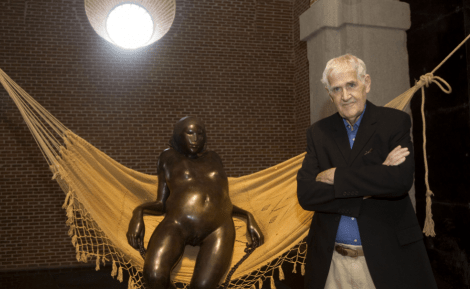
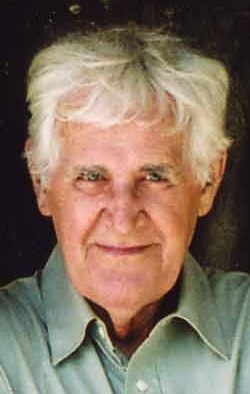
 In 1948, Zitman settled in the northern Venezuelan coastal town of Coro, where he found employment as a technical draftsman for a construction company. In that same year, he married a Dutch lady, Vera Roos, whom he had first met in The Netherlands. The couple went on to have three children, Berend, Lourens and Barbara. Much of his free time was spent painting and creating sculptures. Later, in 1949, he moved to the city of Caracas, and the following year, he found work as a furniture designer at a factory of which he later became the manager. In 1951, he was awarded the National Sculpture Prize. In 1955 he was hired by the Faculty of Architecture and Urbanism of the Universidad Central de Venezuela to teach courses in decoration, drawing, watercolour and gouache, which was then combined into a design workshop.
 In 1958, he exhibited a collection of drawings and paintings at the Museum of Contemporary Art of Caracas. That year, he decided to give up his life as a businessman and concentrate on his art and sculpture and moved with his family to the island of Grenada, where he dedicated himself completely to painting and began to affirm his style in sculpting.
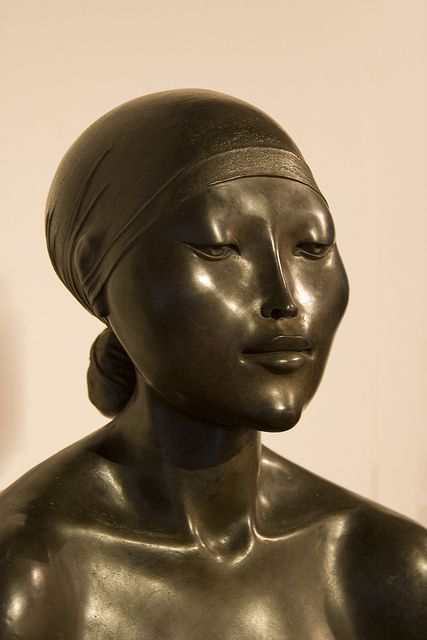 In 1961 he took part in an exhibition of Gropper Gallery in Boston. He returned to Holland, and studied foundry techniques with Pieter Starrevelt, in Amersfort, and then went back to Caracas where he was given the post as a design professor at the Architecture School of the Central University of Venezuela. In 1964 he converted an old sugar cane mill, known as a trapiche into his residence and workshop, in Caracas’ Hacienda de la Trinidad.
 In 1970, Zitman met Dina Viery, a Russian immigrant, and French art dealer, art collector and one time a model for the French painter and sculptor Astride Maillol whom she met in 1934. Viery was a great friend of Maillol during the last ten years of his life and when he died she helped establish the Musée Maillol art museum in Paris. From then on, Zitman dedicated himself exclusively to sculpture. More exhibitions of his work followed in Venezuela, France, Switzerland, the Netherlands, the United States, Japan and other countries, earning a host of national and international awards.
 Zitman died on 10 January 2016 at the age of 89. Zitman earned numerous national and international awards for his work and in 2005 he was decorated with the Knight of the Order of the Netherlands Lion.
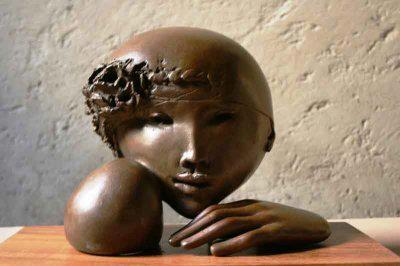 I will leave you with a recent write-up from the Diario de Cádiz, a Spanish-language newspaper published in Cadiz, regarding the Cornelis Zitman’s permanent exhibition at the Casa de Iberoamérica in Cadiz:


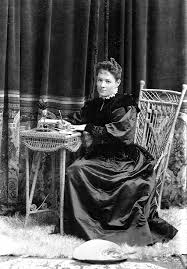
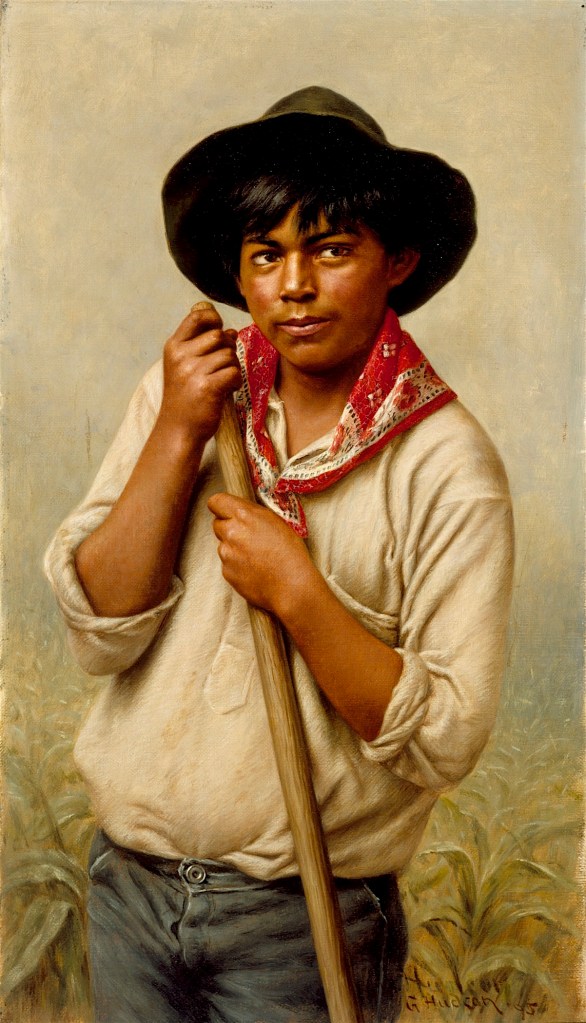
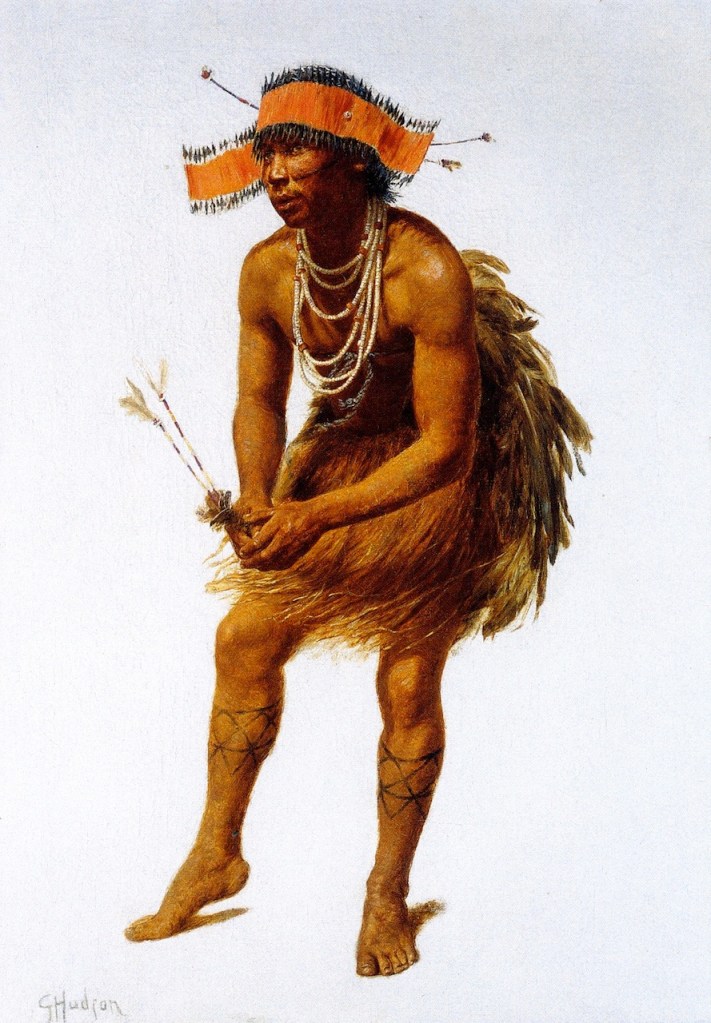
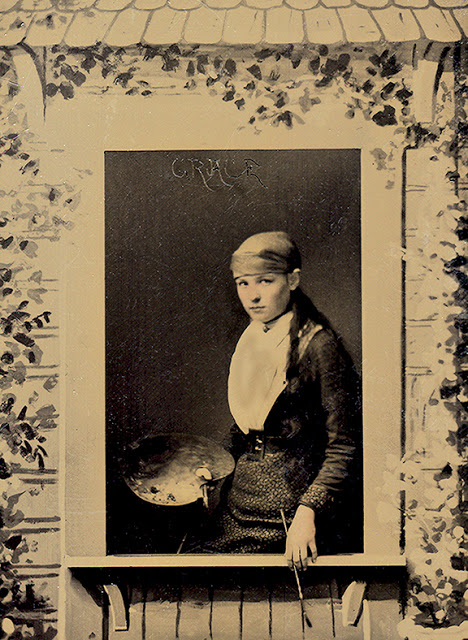

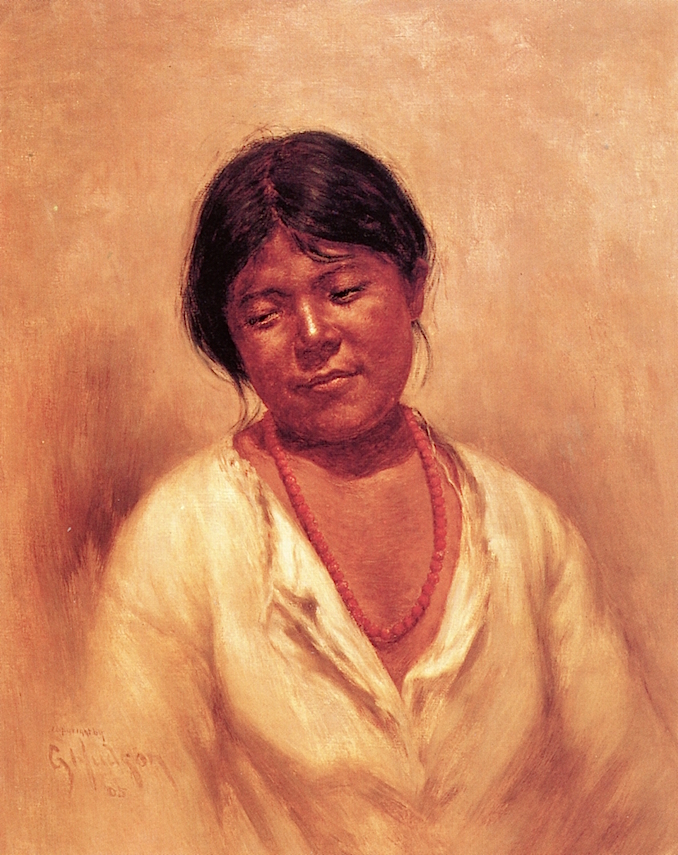

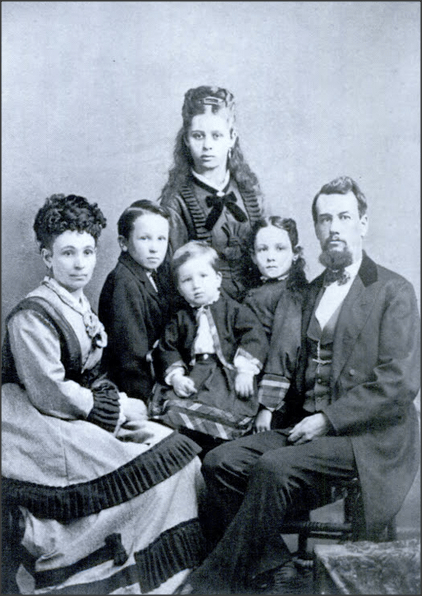
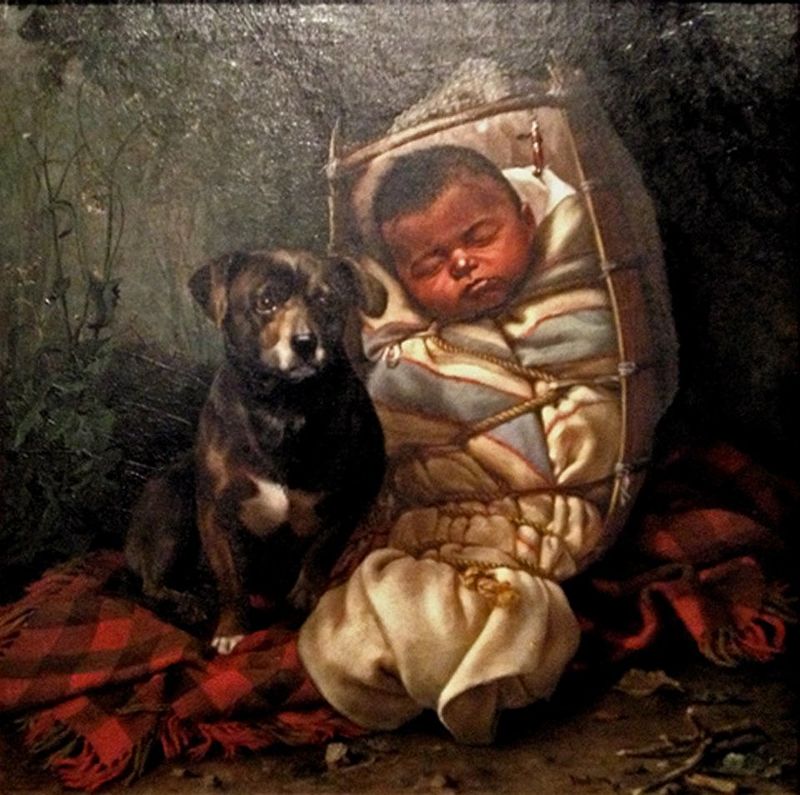


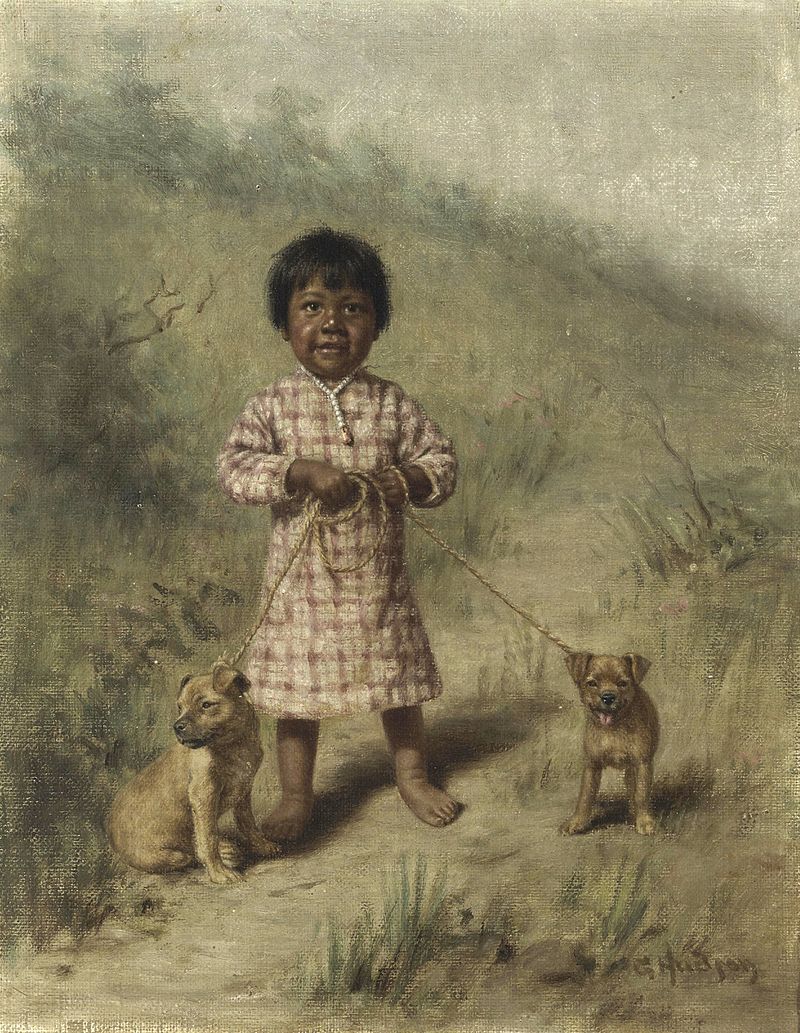
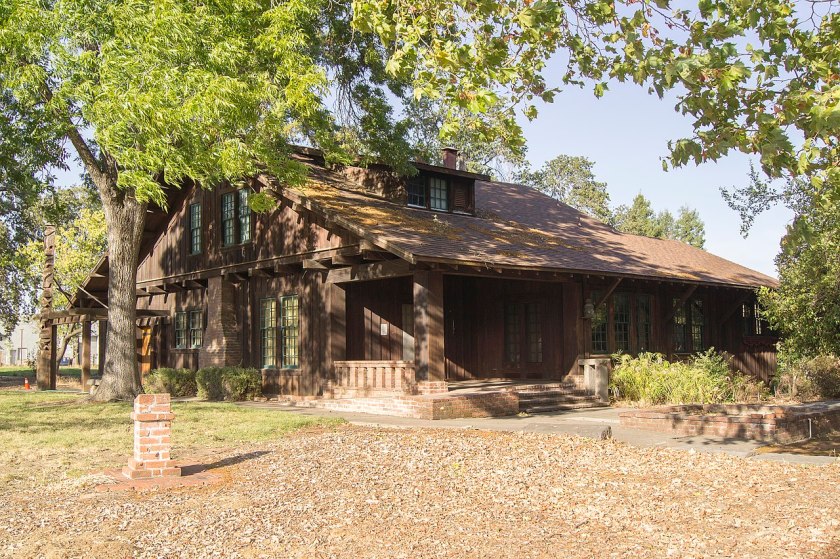


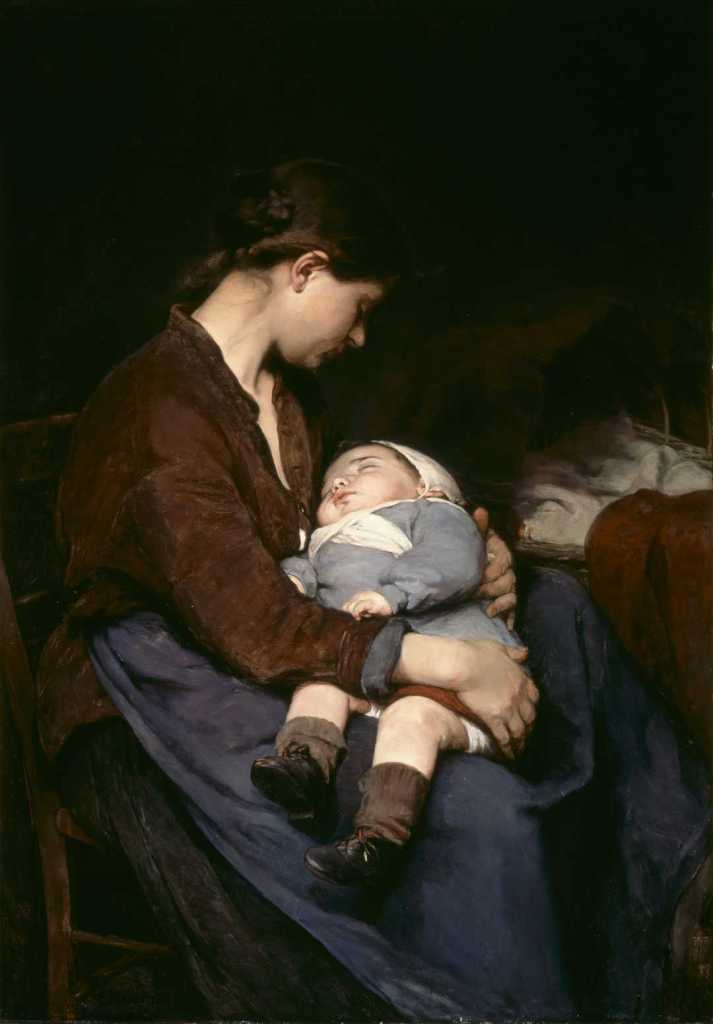
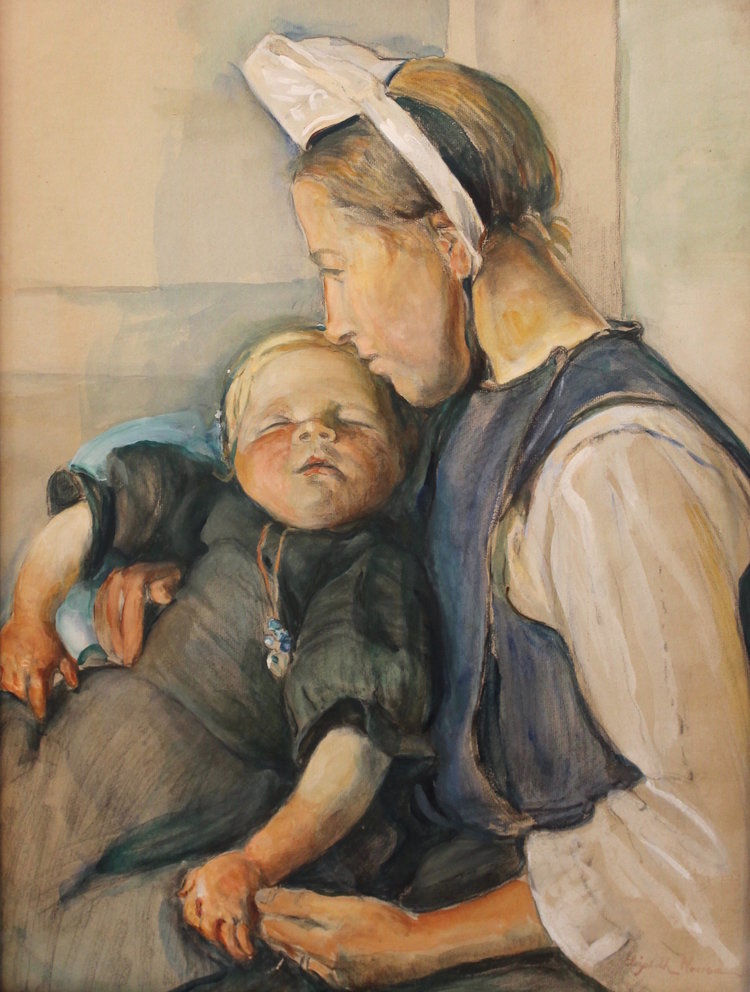


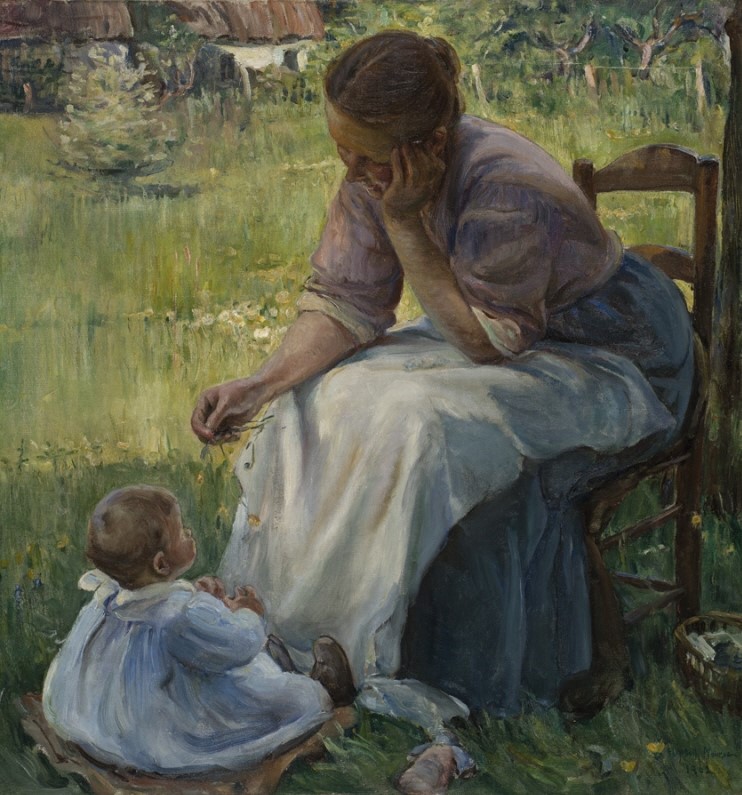
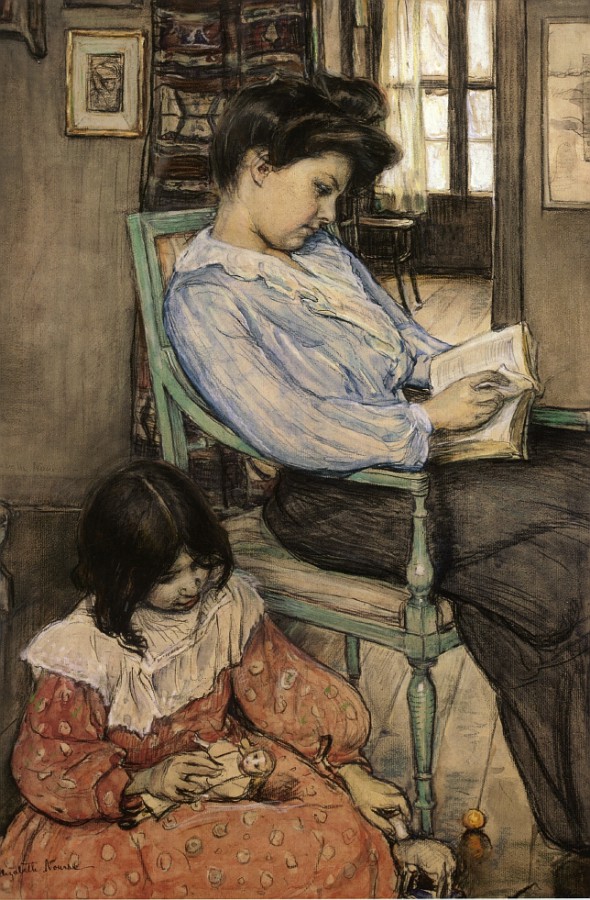

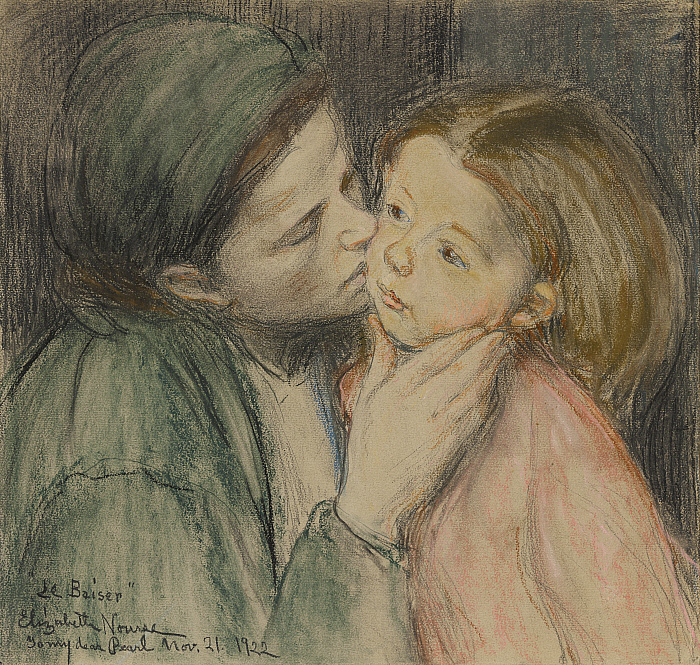

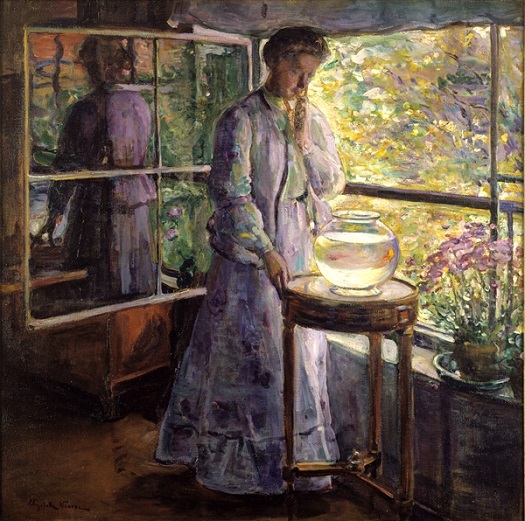
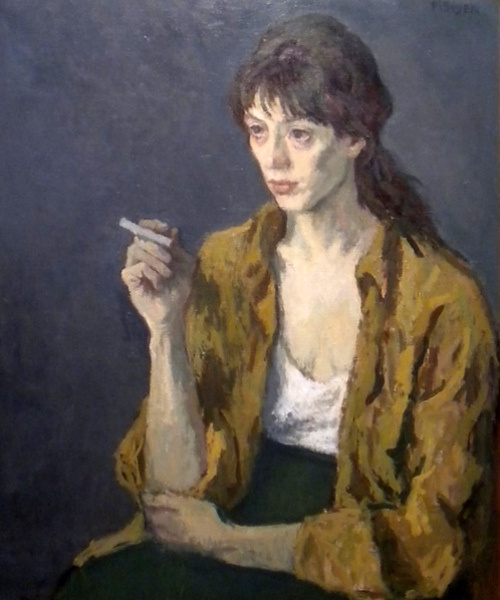

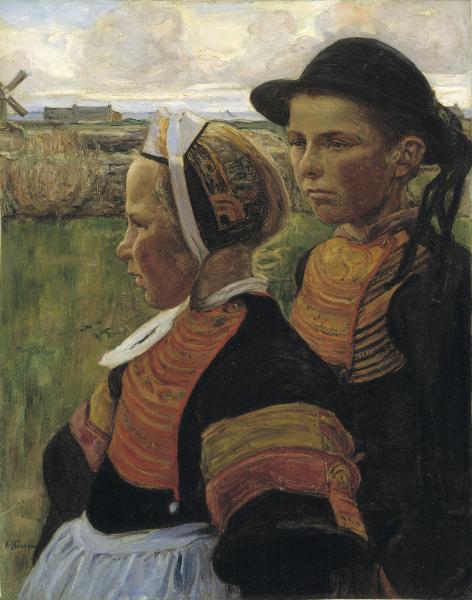
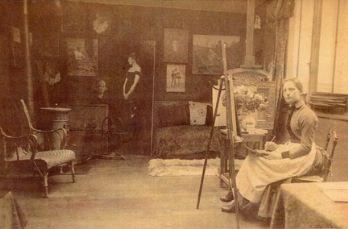

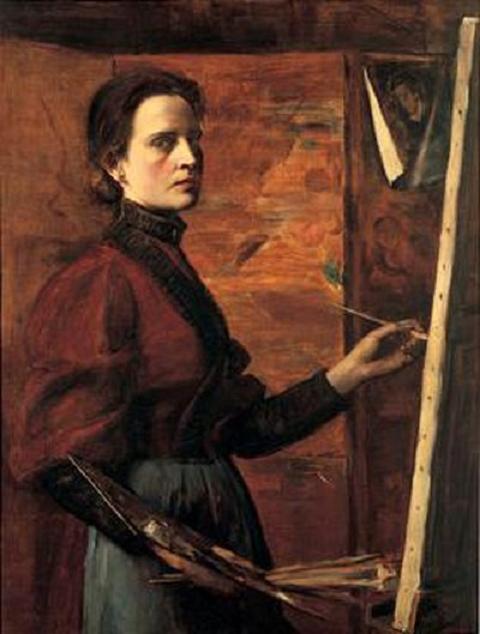
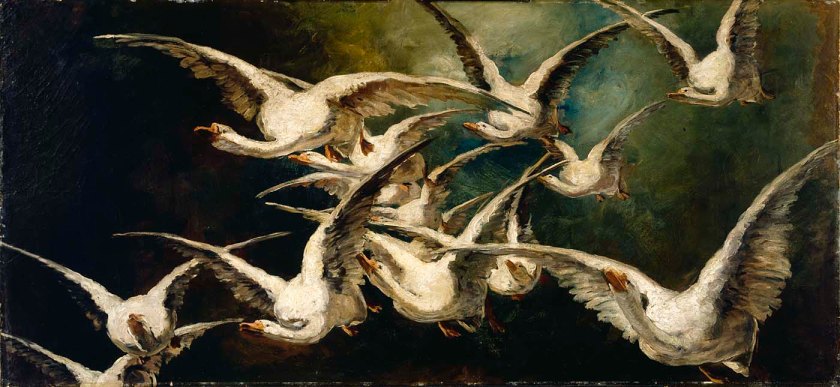

 Elizabeth and her twin, Adelaide, at the age of fifteen, went to classes at the McMicken School of Design in Cincinnati, which was open to all qualified residents, tuition-free, while her next eldest sister Louise became a teacher. The McMicken School of Design had been founded by Cincinnati resident, and real estate millionaire, Charles McMicken. In the 1850’s he donated one million dollars to the city of Cincinnati to form a university. Originally known as McMicken University, a month after the college’s founding, the university’s board of directors changed the institution’s name to the University of Cincinnati and this institution absorbed the McMicken School of Drawing and Design.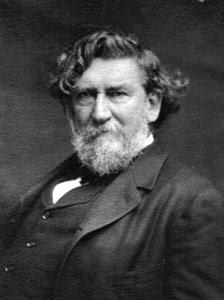
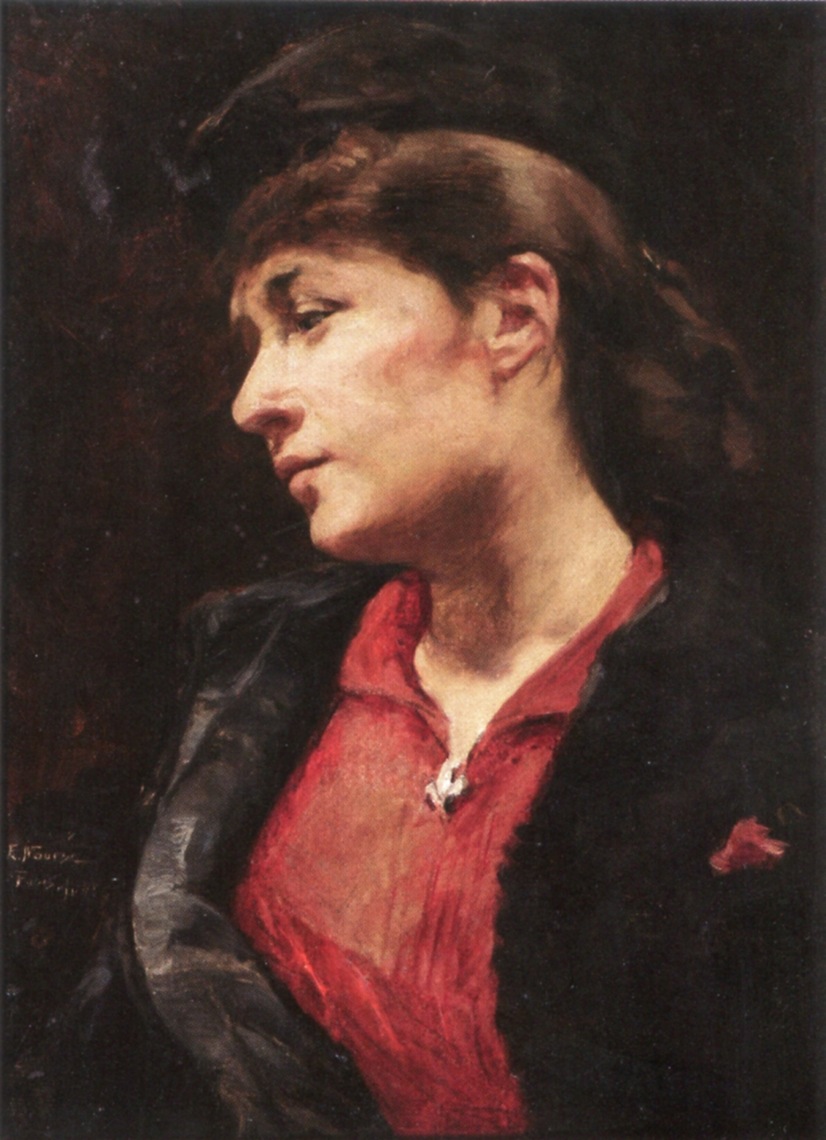
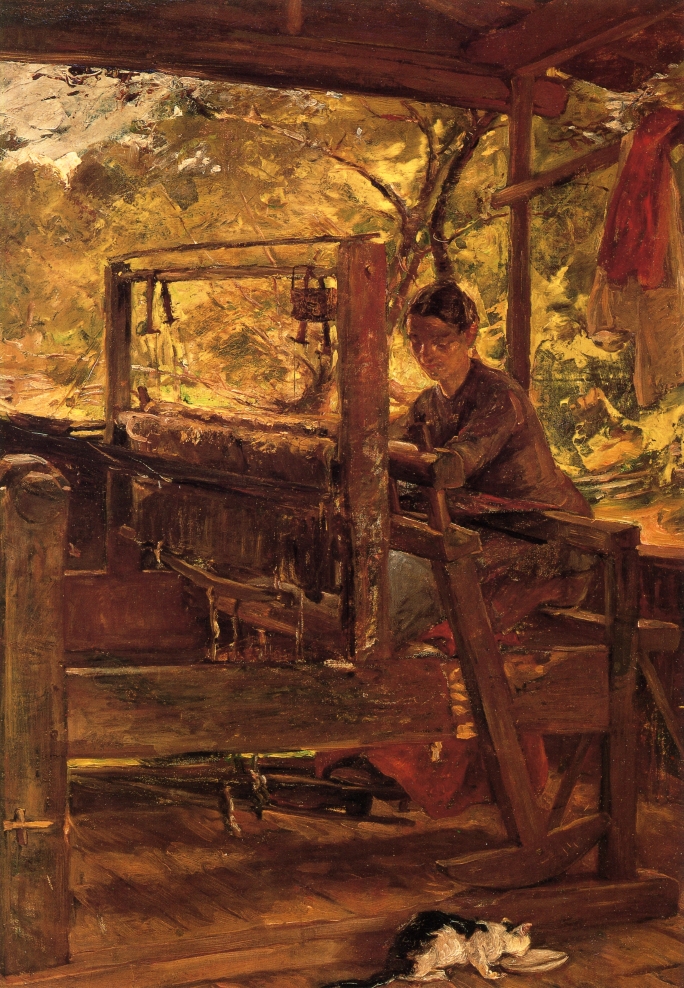
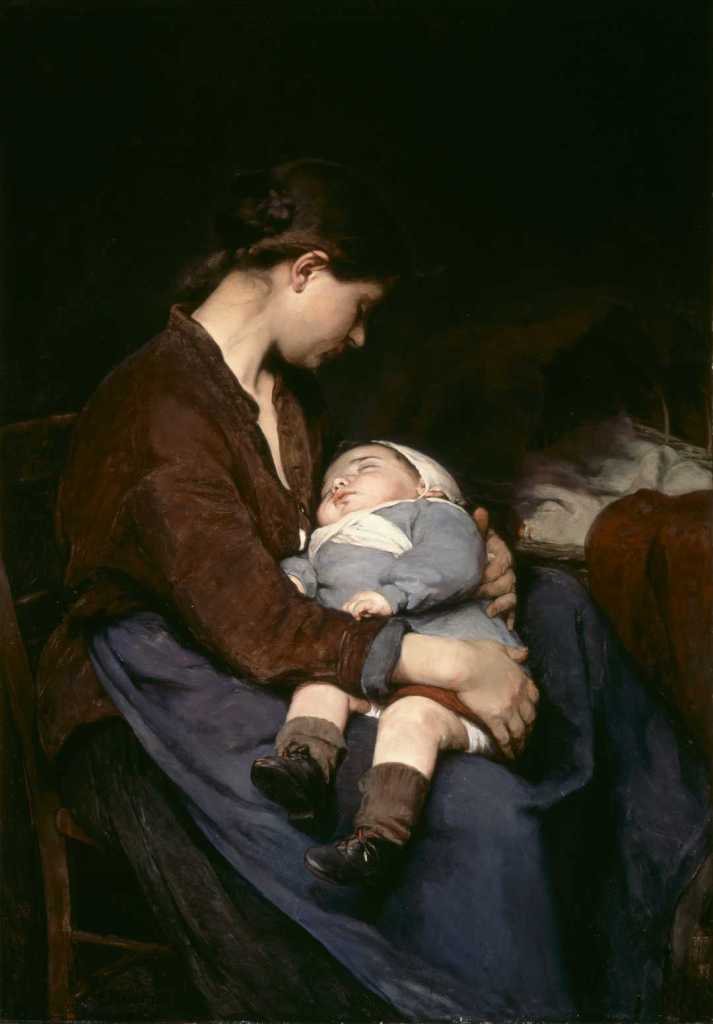

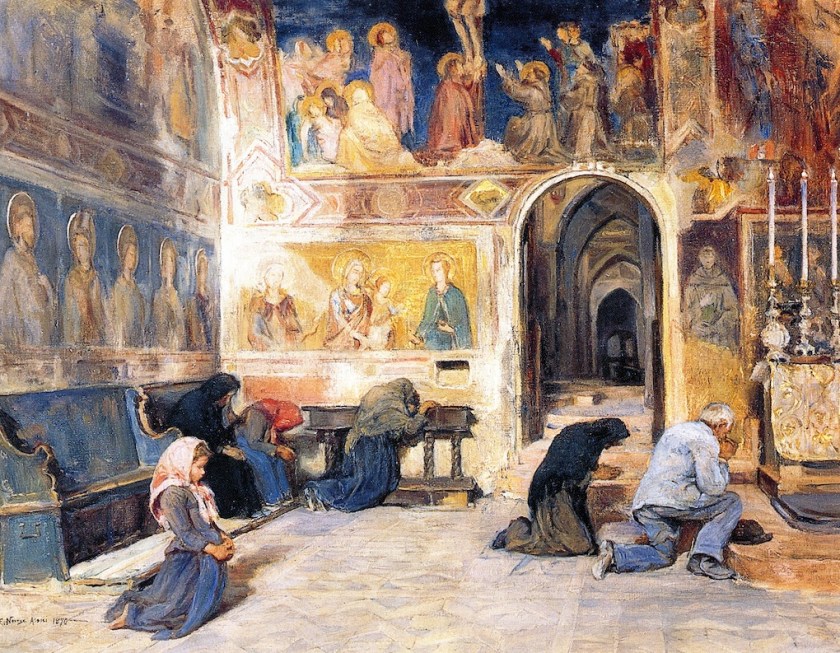
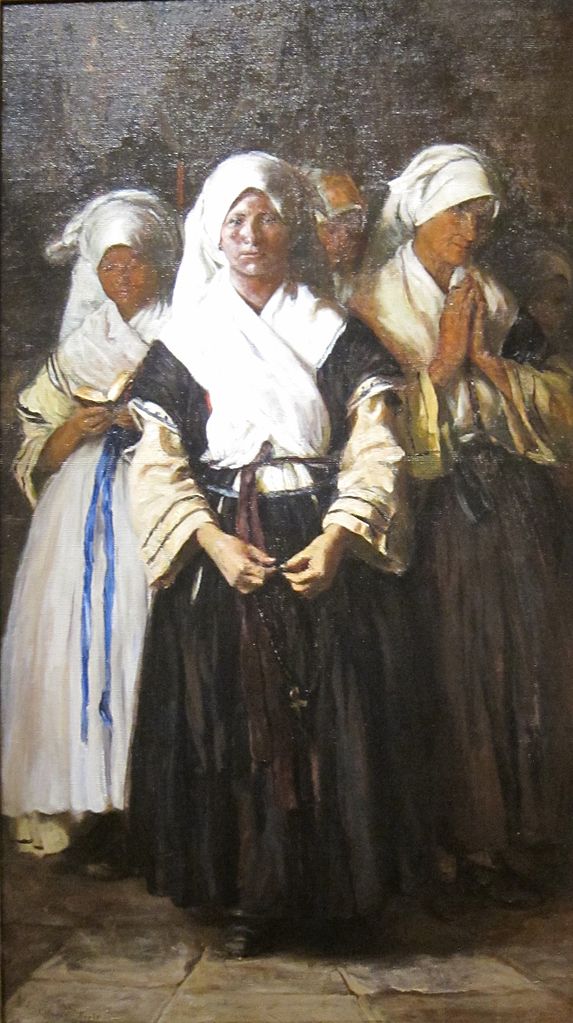


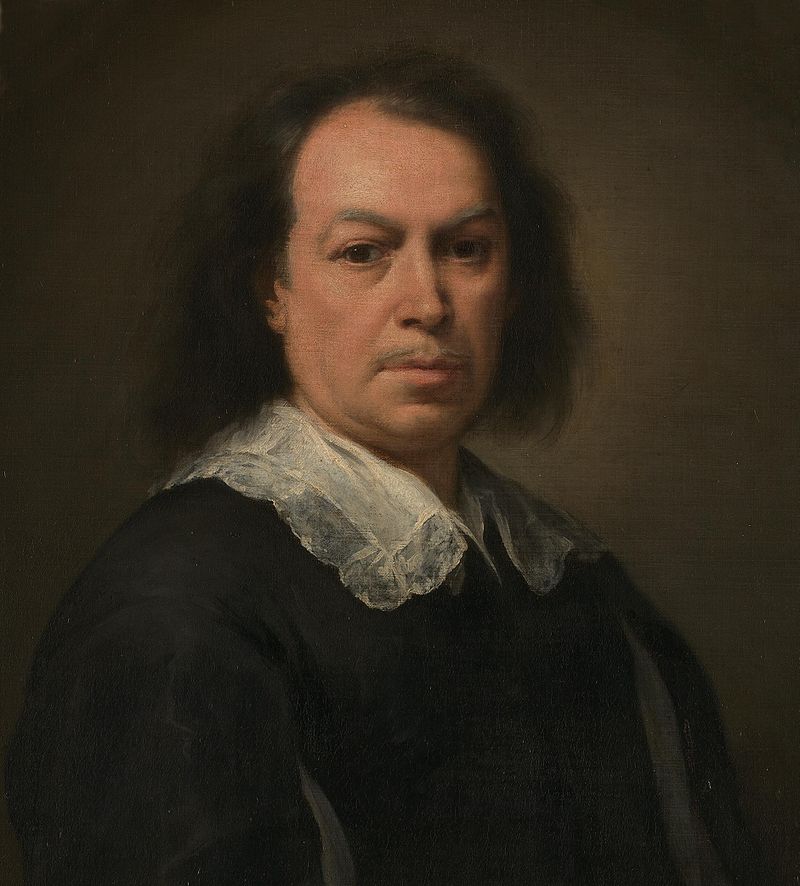
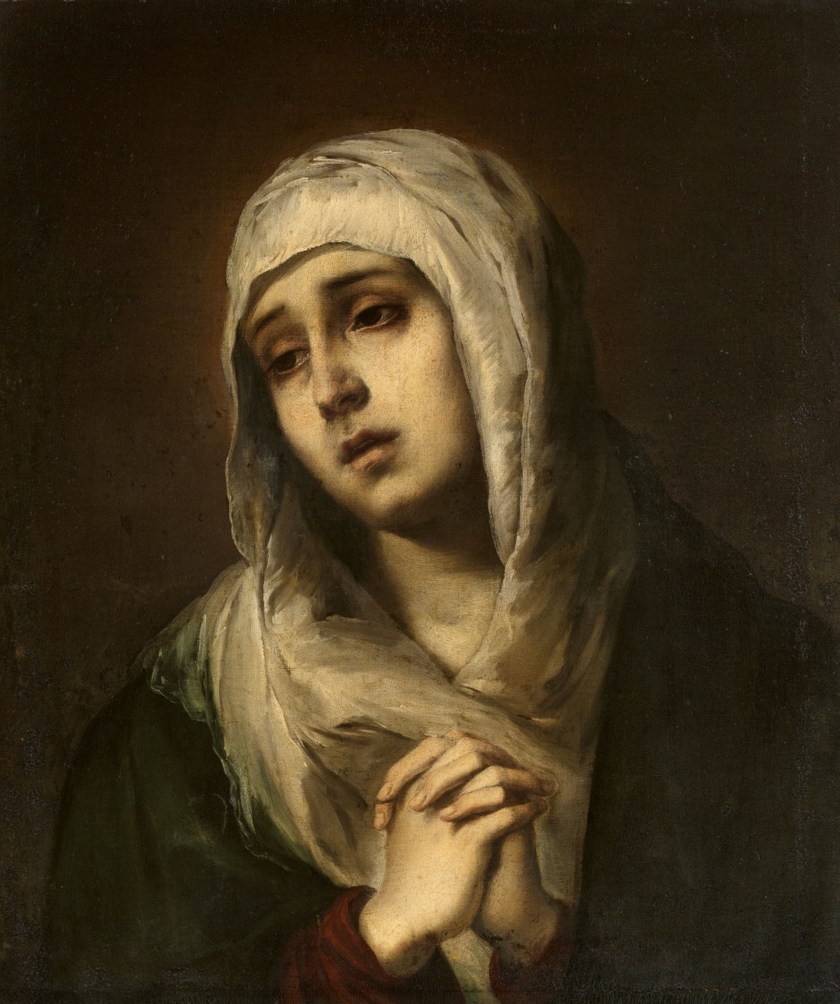
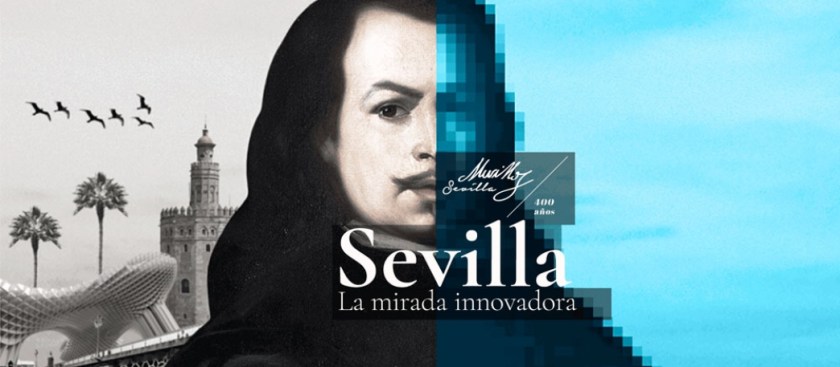 The Seville exhibition was a collection of fifty-five paintings by Murillo from museum collections around the world. The exhibition was divided into nine sections each providing a glimpse of the world through Murillo’s eyes. The sections were designated as Holy Childhood, A family of Nazareth, Glory on Earth, The Immaculate Conception, Compassion, Penitence, Storyteller, Genre painting and Portraiture. It was a journey through his religious works to the social realism of 17th century Seville, which has been described as a city of paupers and saints, of rascals and wealthy noblemen and merchants who, through their wealth, were able to have Murillo paint their portraits.




 my daily art display