
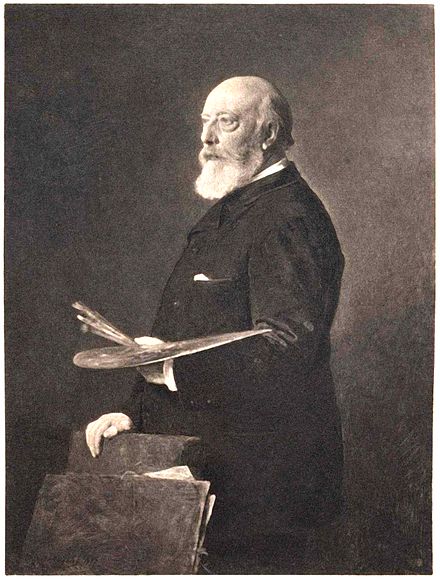
When I looked at the life of the Hudson River School painter, James McDougal Hart, I talked about his time at the Dusseldorf Academy and how the Dusseldorf School of painting influenced him. The style of the Dusseldorf School of painting is characterised by its finely detailed, often overstated, and fanciful landscapes that more often than not have some kind of religious or symbolic stories depicted via these landscapes. The leading artists and members of the Dusseldorf style of painting reinforced the need for plein air painting, so that the artist could capture the true nature before returning to their studios and remaking more accurate visual conditions in their work.

The Dusseldorf School of painting principal period was one from 1826 to 1859 when German painter Friedrich Wilhelm von Schadow was the school’s director. He had been professor at the prestigious Berlin Academy of the Arts, and in 1826 he was made director of the Düsseldorf Academy of the Arts, which he reoriented towards the production of Christian art. Twelve-years-old, Andreas Achenbach, is thought to have been one of von Schadow’s earliest pupils at the Dusseldorf Academy. Let me introduce you to this artist, the German landscape and seascape painter in the Romantic style.
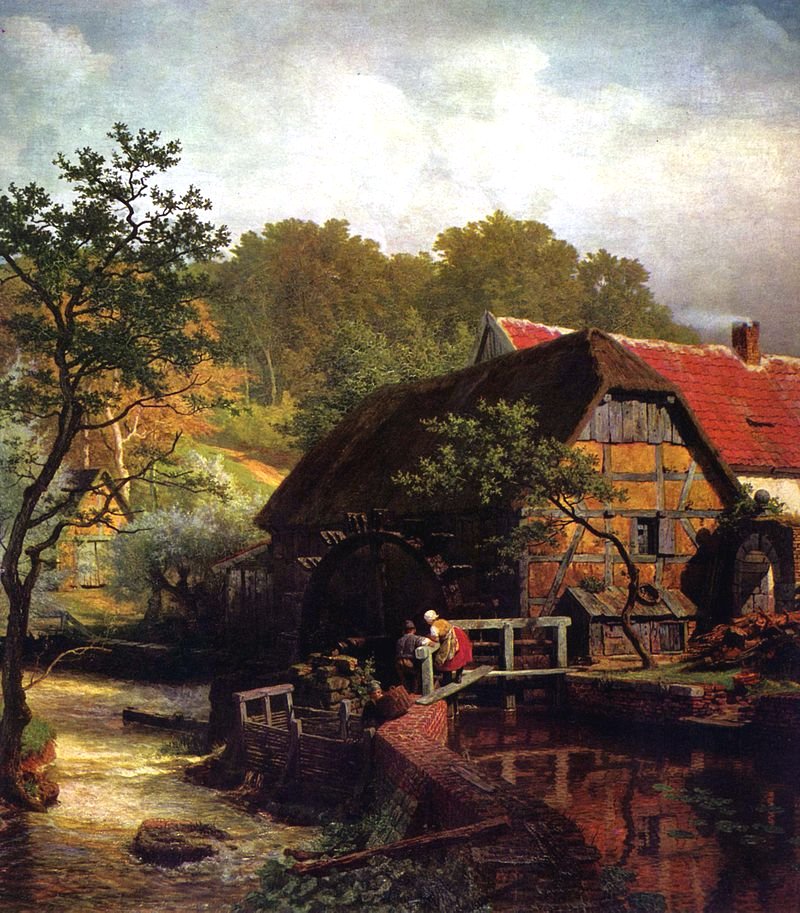
Andreas was born on September 29th, 1815 in the Northern Hesse town of Kassel, Germany. He was one of ten children born to Hermann Achenbach and Christine (née Zülch). His father Hermann was a merchant. In 1816 he took over the management of a metal factory in Mannheim. Two years later, in 1818, he moved his family to St. Petersburg, where the father wanted to set up a new venture, that of his own factory, the money for this project emanated from his wife’s “dowry”. Whilst in St Petersburg young Andreas received his first lessons in drawing in a girls’ school. He excelled and his teacher is said to have certified that six-year-old Andreas ‘could already do everything’. His father’s venture failed and, in 1823, he was forced to take his family back to Germany and settle down in the small Rhine Province town of Elberfeld. where family members of the father lived. Andreas’ father then began to earn a living, working as a beer and vinegar brewer and took ownership of an inn, The Black Wallfish, at Jägerhofstraße 34. It became a regular for visiting artists.
On February 2nd, 1827 Christine Achenbach gave birth to her fifth child, a son Oswald who would, in later years, become as greater an artist as his brother Andreas.

Andreas began his formal academic training, in 1827, at the age of twelve, when he enrolled at the Kunstakademie Düsseldorf under Wilhelm Schadow, Heinrich Christoph Kolbe and Carl Friedrich Schäffer. At an exhibition of the Kunstverein für der Rheinlande und Westfalen, which Schadow had co-founded, fourteen-year-old Andreas Achenbach achieved his first major success by being not only the youngest artist with a painting at the exhibition but also that one of his paintings, the painting Die alte Akademie in Düsseldorf, was sold. The setting of the painting was a view from a window in his parents’ apartment in the house Burgplatz 152. It was an unusual subject for Andreas to choose, considering what he had been taught at the Academy. The depiction is a simple restrained cityscape and such “reality” was deemed to be too banal and unartistic at the Academy, which under the leadership of Schadow was dominated by idealistic concepts. It is thought that this work resulted in Achenbach’s name being omitted from the Academy’s list of artists and not appearing until the winter term of 1830/1.
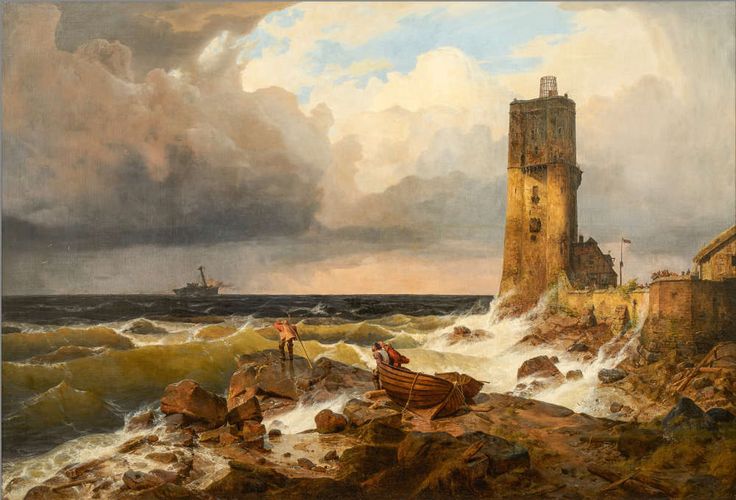
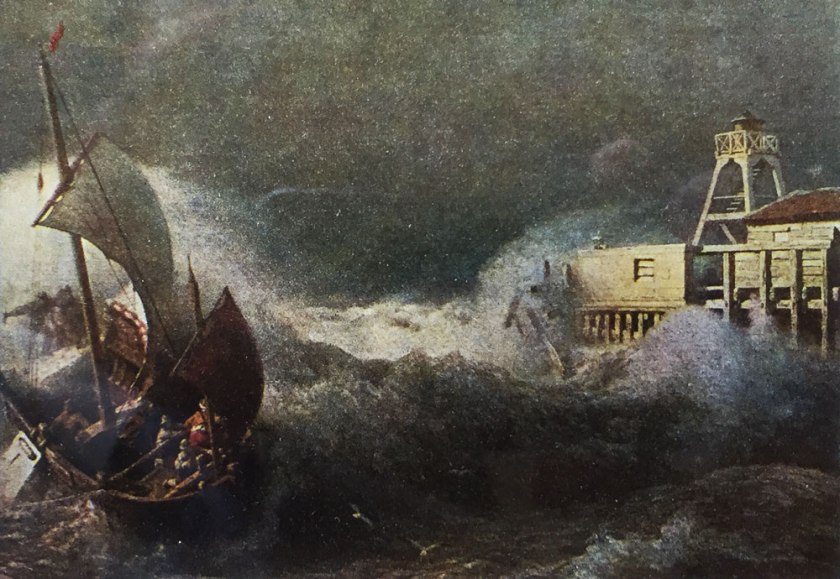
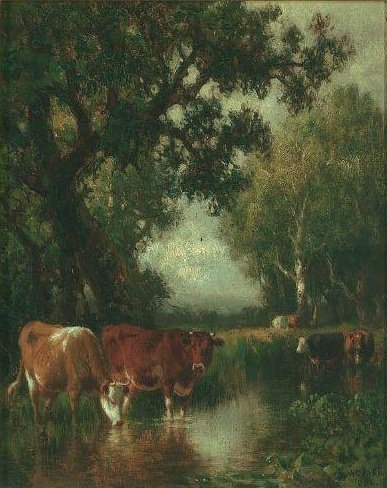
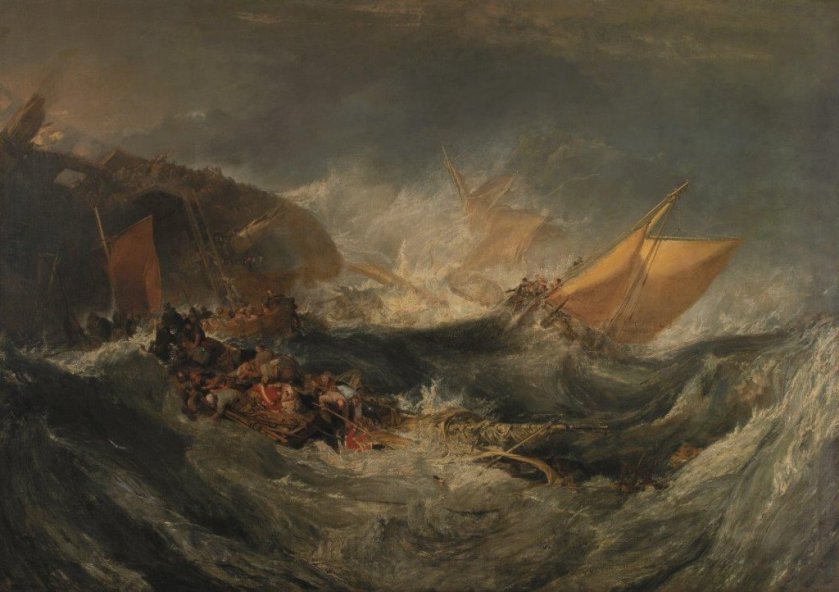
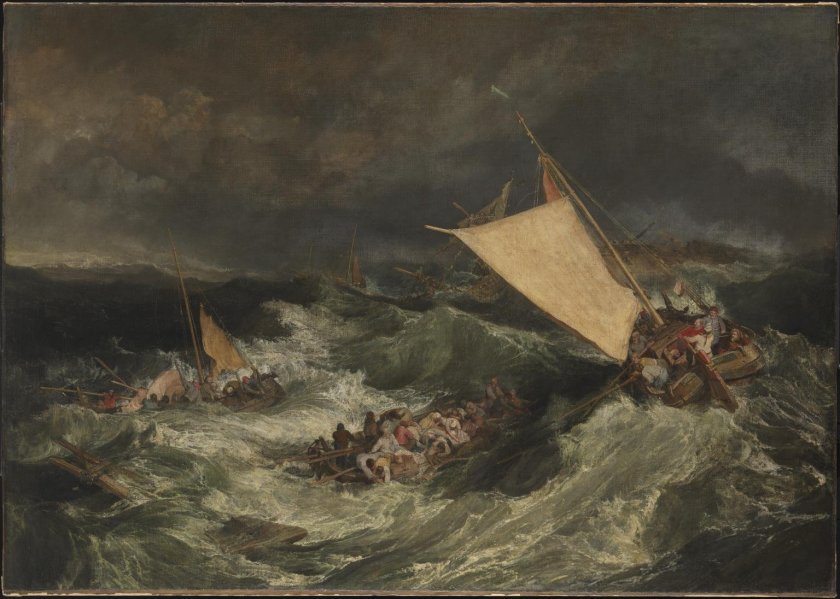
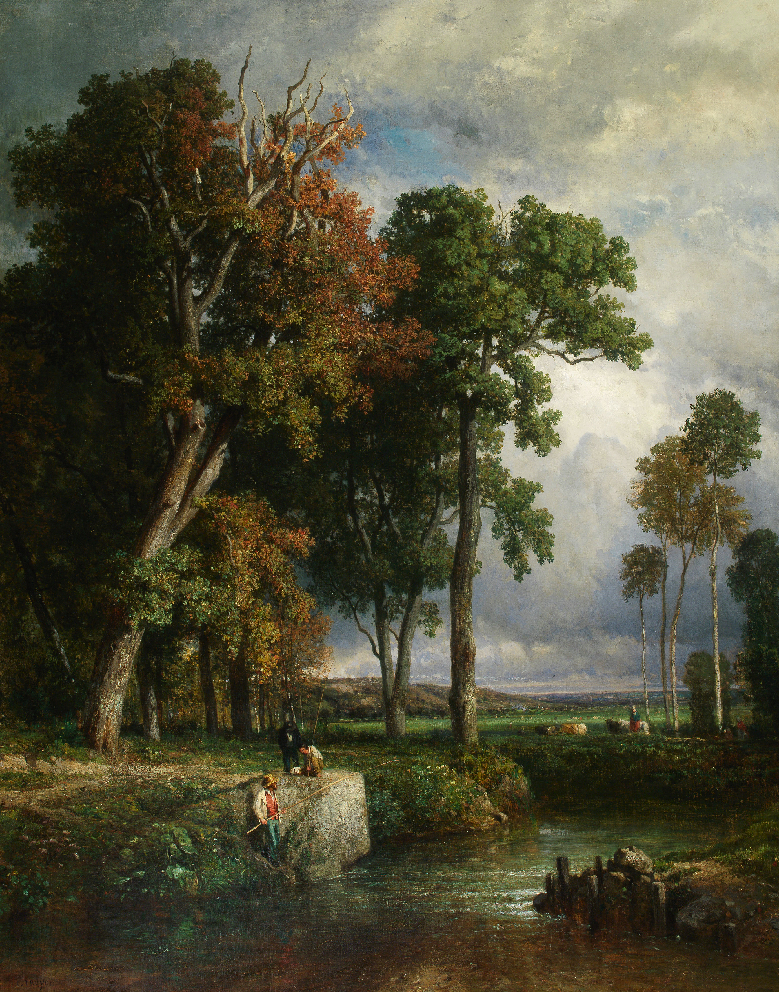
In 1832 and 1833 he took an extended study trip with his father to Rotterdam, Scheveningen, Amsterdam and Riga. The journey of discovery gave him the ideal opportunity to study Dutch and Flemish landscape painting. The works of the seventeenth-century Dutch landscape painters Jacob Isaackszoon Ruisdael and Allaert van Everdingen were to particularly influence his art. Achenbach, as well as painting landscapes also painted seascapes, often depicting terrific storms and it is thought that the stories he heard from his family regarding their treacherous 1818 journey to St Petersburg remained in his mind for many years. His artistic breakthrough came at the 1836 General German Art Exhibition in Cologne at which his painting Großer Marine mit Lighthouse, was on show and up for sale. It was bought by the Prussian governor in the Rhine Province, Frederick of Prussia.
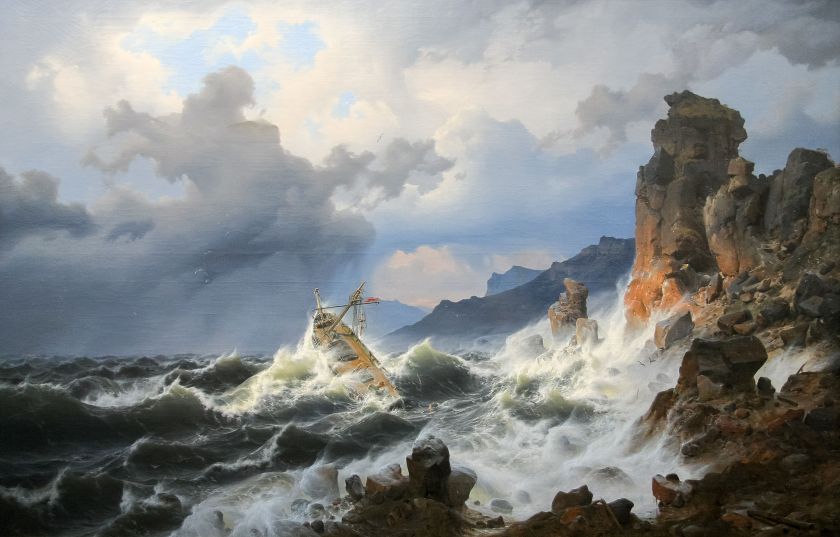
Following his trips with his father, Andreas Achenbach made many painting trips on his own. In 1835 he made a major trip to Denmark, Norway, and Sweden. And the following year he journeyed to the Bavarian Alps and the Austrian Tyrol. After his tour of Bavaria and the Tyrol, he left Dusseldorf and settled in Frankfurt and, thanks to the assistance of his friend, the German history painter, Alfred Rethel, he was able to open a studio at the Städelsche Kunstinstitut. Despite having his own studio in Frankfurt, Andreas continued with his periodic travels. He returned to Scandinavia in 1839 taking a painting tour of Norway.

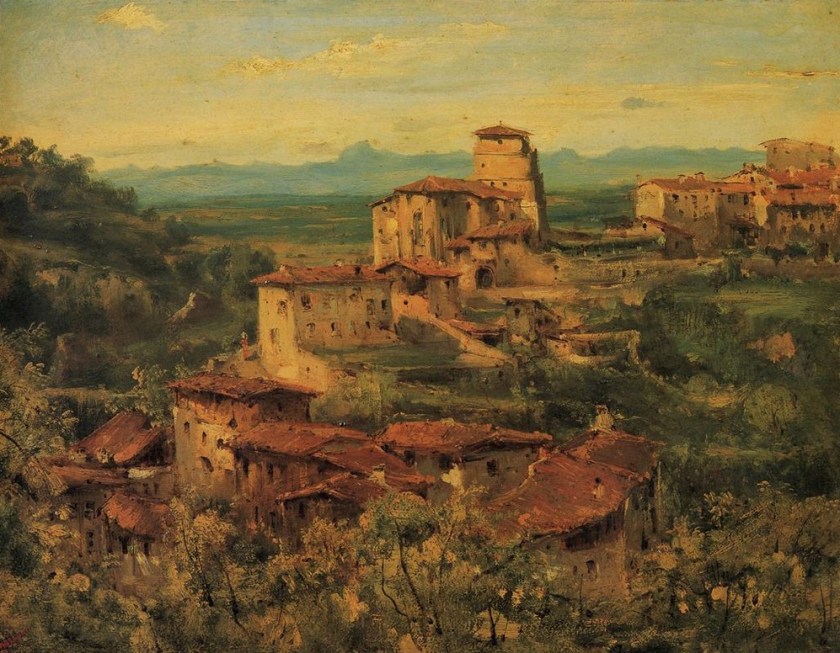
He also took more trips to Italy during the period from 1843 to 1845 when he stayed in the Campagna and spent time on the Isle of Capri. and often returned to Scandinavia, often accompanied by his artist brother, Oswald. Ostend was a popular destination for the two brothers.

In 1846 Andreas returned to Dusseldorf and lived on the Flinger Steinweg, a then prosperous middle-class area of the city. He took over the running of his father’s brewery and inn. His father, despite being sixty-three, was glad to hand the business to his son so he could concentrate on being a freelance accountant. Andreas became a member of a number of artistic associations and was one of the founders of the newly formed Künstlerverein Malkasten (Artists’ Association Malkasten), often referred to as The Paint Box, which still exists today. He, together with other wealthy patrons, provided for the purchase of the former Estate of the Jacobi family in Pempelfort and its expansion as a permanent centre of the association, using considerable funds of his own. Andreas wholeheartedly immersed himself in Dusseldorf’s artistic life.

In 1848 Andreas Achenbach married Marie Louise Hubertine Catharine Lichtschlag and the couple went on to have five children, three daughters, Lucia, Karoline, and Helena and two sons, Gregor, and Maximilian. Maximilian studied to be an architect at Aachen university and graduated in 1871. After working as an architect for a few years, and against the will of his father, he gave up his architectural career, married, and began his vocal studies in Milan and Frankfurt. He took his stage name, Max Alvary. so as not to offend his father and compromise his father’s business. Later Maximilian moved to Weimar and performed at the court opera, where he was very successful. He later appeared at the Metropolitan Opera House in New York and Covent Garden Opera House in London.
In 1848 Achenbach was awarded the Belgian Order of Leopold. In 1853, he was made an honorary member of the Pennsylvania Academy of the Fine Arts, In 1861 the Order of St. Stanislaus, and in 1862 the Accademia di Belle Arti di Brera in Milan. More honours followed and in 1878 he was awarded the Commander’s Cross 2nd Class of the Royal Norwegian Order of Saint Olav. On 24 January 1881 he was admitted to the Prussian Order of Pour le Merite for Science and the Arts. In 1885 he became an honorary citizen of Düsseldorf, in whose northern cemetery he received an honorary grave, designed by the sculptor Karl Janssen.
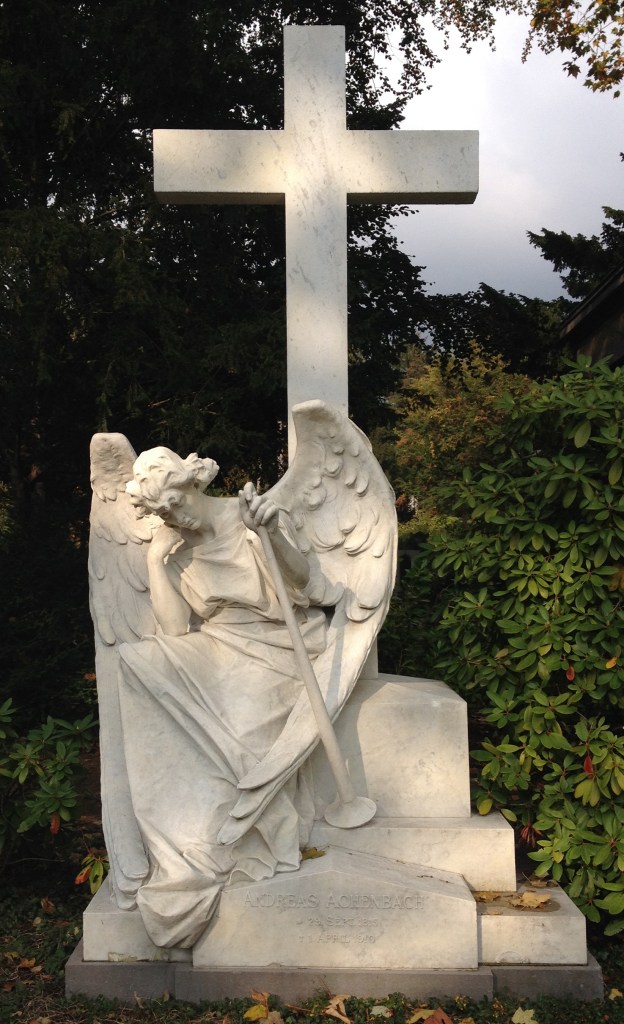
Andreas Achenbach died on April 1st 1910, aged 94. He was laid to rest in the Malkasten-Haus, where there was an opportunity to say goodbye to him for several days. The people of Düsseldorf queued to pay their last respects. The funeral procession moved off from the Paint Box heading to Achenbach’s final resting place at Dusseldorf’s North Cemetery and it was commented in the local media that it was akin to a state funeral of a prince.
In my next blog I will look at the life and works of Andreas’ brother, Oswald Achenbach.












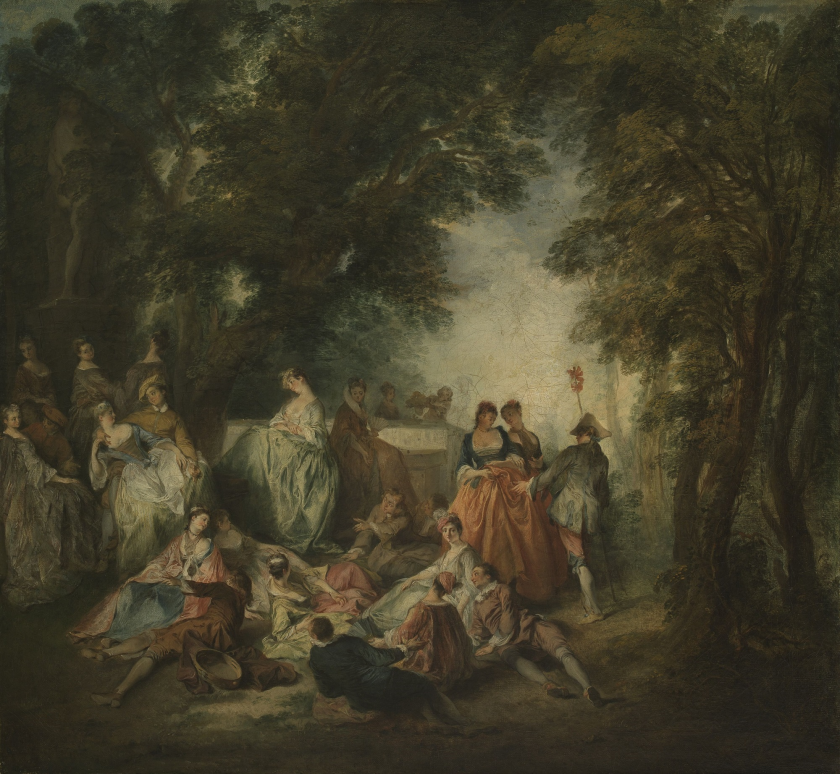
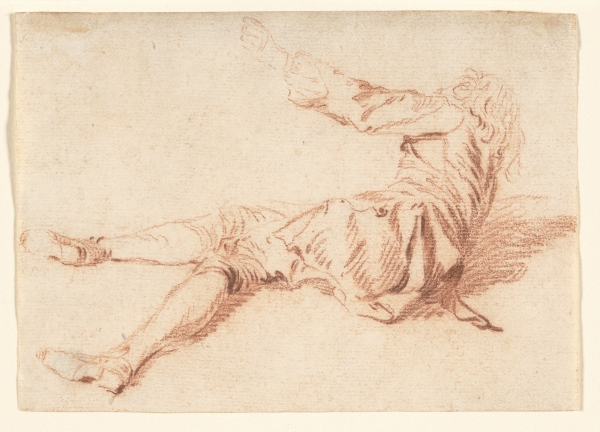 An example of this is the preliminary sketch of the reclining man, dressed in brown, we see at the bottom left of the Fête Galante painting. This sketch can be found at the Ackland Art Museum, which is part of the University of North Carolina, at Chapel Hill.



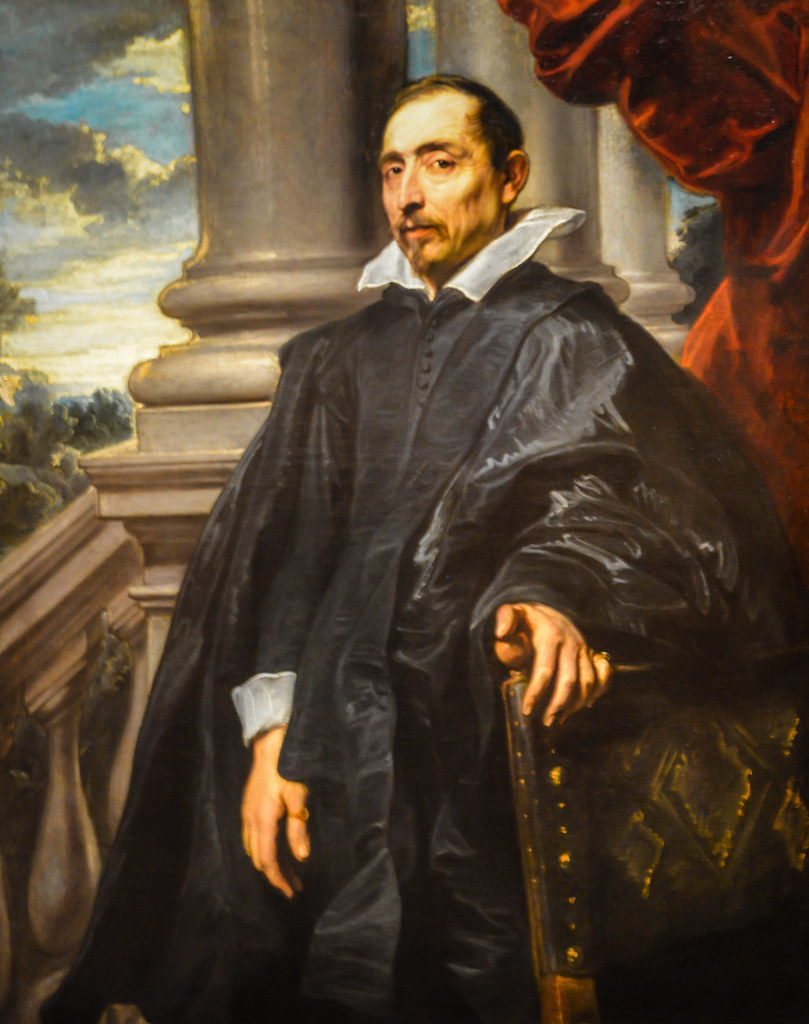
 A few months ago when I was in Moscow I was fortunate to visit the Tretyakov Museum and look at their wonderful collection. I started that series of blogs by talking about the founder of the Museum before looking at some of the works in the collection. Whilst in the Algarve I took a train up to Lisbon and spent three days in the capital. During that time I visited the large Calouste Gulbenkian Museum in the heart of the city. It was an incredible museum in a tranquil and beautiful setting in the heart of the Portugeuse capital. So who is Calouste Gulbenkian?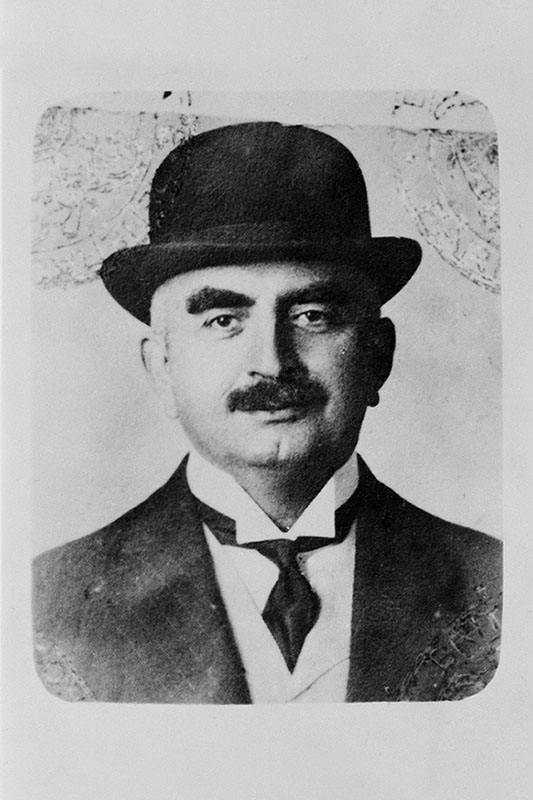

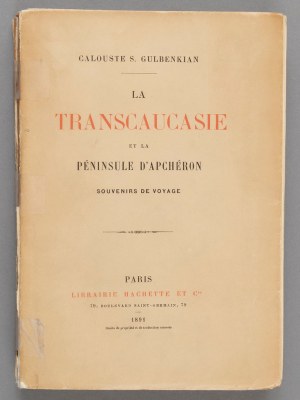 In December 1887 Calouste returned home to Istanbul. In September 1888 he travelled to Eastern Europe and the Azerbaijan capital of Baku via Batumi and Tiblisi, to learn about the Russian oil industry. Three years later in 1891, he published a book about his month-long journey of discovery entitled La Transcaucasie et la péninsule d’Apchéron; souvenirs de voyage (“Transcaucasia and the Absheron Peninsular – Memoirs of a Journey”) and parts of it appeared in the Revue des deux Mondes, the French language monthly literary, cultural and political affairs magazine.




 António was born in Porto in a neighbourhood which was populated by many artists and it was with him mixing in their company that he fell in love with art. He studied art at university and achieved a degree in Fine Arts. He later taught art and eventually became a professional artist. He moved to the Algarve in 2009 and founded his studio in Silves, which backs on to the Silves railway station. He says that the name he gave the studio, O Templo do Tempo, is his perception of art because he always felt that when something is truly art, it belongs to the past, present, and future – art, he says, is timeless.


 The mural on the north wall, to the left of the Hearing Room shows King John of England sealing and granting Magna Charta (the Great Charter) in June 1215 on the banks of the Thames River at the meadow called Runnymeade. His reluctance to grant the Charter is shown by his posture and sullen countenance. But he had no choice. The barons and churchmen led by Stephen Langton, Archbishop of Canterbury, forced him to recognize principles that have developed into the liberties we enjoy today. King John, out of avarice, greed or revenge, had in the past seized the lands of noblemen, destroyed their castles and imprisoned them without legal cause. As a result, the noblemen united against the king. Most of the articles in Magna Charta dealt with feudal tenures, but many other rights were also included.
 The mural on the west wall over the entrance to the Hearing Room depicts an incident in the reign of Caesar Augustus Octavius. The Roman writer Seutonious tells of Scutarious, a Roman legionnaire who was being tried for an offense before the judges seated in the background. The legionnaire called on Caesar to represent him, saying: “I fought for you when you needed me, now I need you.” Caesar responded by agreeing to represent Scutarious. Caesar is shown reclining on his litter borne by his servants. Seutonious does not tell us the outcome of the trial but leaves us to surmise that with such a counsellor he undoubtedly prevailed. The mural represents Roman civil law, which is set forth in codes or statutes, in contrast to English common law, which is based not on a written code but on ancient customs and usages and the judgments and decrees of the courts which follow such customs and usages.
 The mural on the south wall portrays the trial of Chief Oshkosh of the Menominees for the slaying of a member of another tribe who had killed a Menominee in a hunting accident. It was shown that under Menominee custom, relatives of a slain member could kill his slayer. Judge James Duane Doty held that in this case territorial law did not apply. He stated:
 The fourth mural, which is actually the first one that is visible on making an entrance to the Supreme Court Room, and is Albert Herter’s rendition of the signing of the Constitution at the Constitutional Convention in Philadelphia on September 17, 1787. George Washington is shown presiding. On the left, Benjamin Franklin is easily recognizable. On the right, James Madison, “Father of the Constitution” is shown with his cloak on his arm. Although he was in France at the time, Thomas Jefferson was painted into the mural because of his great influence on the principles of the Constitution. The painting hangs above the place where the seven member Wisconsin Supreme Court sit to hand down their decisions. The mural’s position above the bench is symbolic that the Supreme Court operates under its aegis and is subject to its constraints. The United States Constitution has served us well for more than 200 years. This mural shows our indebtedness to federal law.
 The mural on the left was a scene from the court case against a local magistrate, Samuel Sewall. In 1692 a small group of men and women of Salem were arrested for bewitching their neighbours. Samuel Sewall, a local magistrate, was a member of the court that ultimately sentenced nineteen people to be hanged. The tragedy was realised several months later: those still being held were released. In the mural, Sewall is seen standing in Old South Church in Boston with his head bowed as his confession and prayers for pardon are read aloud.

