Today’s is a shorter blog. It is going to be an unusual blog for me as I am not showcasing an artist or a painting. I am going to look at the work and the life of a sculptor. I have never been a great lover of sculpture even though I know it is a skilful art form, but it is just not for me. So why the blog?
Casa de Iberoamérica, Cadiz, Spain
The reason for looking at this sculptor and his work is that I happened to see some of his sculptures whilst walking around the old part of Cadiz a fortnight ago and happened upon the Casa de Iberoamérica. The definition of the term Ibero-America or Iberian America is that it is a region in the Americas comprising of countries or territories where Spanish or Portuguese are the predominant languages and are usually former territories of Portugal or Spain.
The Casa de Iberoamérica, House of Ibero-America in Cadiz is located in the 18th-century building on Concepción Arenal Street on the edge of the Old Town of Cadiz. It was once the building that housed the Royal Prison. The foundation stone for the building was laid in 1794 but it was not completed until 1836. The buildings remained a prison until 1966 when it was abandoned. Subsequently, it was decided to use it as a courthouse thus preventing it from becoming a crumbling ruin. In 2006 the building was returned to the City Council, and in January 2011 it became the Casa de Iberoamérica.
Cornelis Zitman at the opening of his exhibition in Cadiz
On entering the sumptuous marble-floored building I found that its permanent exhibition on the ground floor highlighted the work of the Dutch-born sculptor Cornelis Zitman. The exhibition comprised of 78 pieces, of which 49 were sculptures, 28 drawings, and a single oil painting. The selection on show was made up of pieces from Zitman’s whole career, from 1946 to 2007.
Cornelis Zitman in 2006.
Carlos Zitman was born to a family of construction workers in Leiden, in the Netherlands on November 9th, 1926. He studied drawing at the Academy of Fine Arts in Leiden and at the age of sixteen, Zitman enrolled in the painting classes at the Royal Academy of Art in The Hague. Following the completion of his studies there in 1947 he was called up to serve in the Dutch military in Indonesia but he refused on the grounds that he disagreed with the Netherlands’ political actions in that country, and so, to avoid incarceration, fled the country aboard a Swedish oil tanker that was bound for the oil fields of Aruba and Venezuela.
In 1948, Zitman settled in the northern Venezuelan coastal town of Coro, where he found employment as a technical draftsman for a construction company. In that same year, he married a Dutch lady, Vera Roos, whom he had first met in The Netherlands. The couple went on to have three children, Berend, Lourens and Barbara. Much of his free time was spent painting and creating sculptures. Later, in 1949, he moved to the city of Caracas, and the following year, he found work as a furniture designer at a factory of which he later became the manager. In 1951, he was awarded the National Sculpture Prize. In 1955 he was hired by the Faculty of Architecture and Urbanism of the Universidad Central de Venezuela to teach courses in decoration, drawing, watercolour and gouache, which was then combined into a design workshop.
In 1958, he exhibited a collection of drawings and paintings at the Museum of Contemporary Art of Caracas. That year, he decided to give up his life as a businessman and concentrate on his art and sculpture and moved with his family to the island of Grenada, where he dedicated himself completely to painting and began to affirm his style in sculpting.
In 1961 he took part in an exhibition of Gropper Gallery in Boston. He returned to Holland, and studied foundry techniques with Pieter Starrevelt, in Amersfort, and then went back to Caracas where he was given the post as a design professor at the Architecture School of the Central University of Venezuela. In 1964 he converted an old sugar cane mill, known as a trapiche into his residence and workshop, in Caracas’ Hacienda de la Trinidad.
In 1970, Zitman met Dina Viery, a Russian immigrant, and French art dealer, art collector and one time a model for the French painter and sculptor Astride Maillol whom she met in 1934. Viery was a great friend of Maillol during the last ten years of his life and when he died she helped establish the Musée Maillol art museum in Paris. From then on, Zitman dedicated himself exclusively to sculpture. More exhibitions of his work followed in Venezuela, France, Switzerland, the Netherlands, the United States, Japan and other countries, earning a host of national and international awards.
Zitman died on 10 January 2016 at the age of 89. Zitman earned numerous national and international awards for his work and in 2005 he was decorated with the Knight of the Order of the Netherlands Lion.
I will leave you with a recent write-up from the Diario de Cádiz, a Spanish-language newspaper published in Cadiz, regarding the Cornelis Zitman’s permanent exhibition at the Casa de Iberoamérica in Cadiz:
“…The sculpture by Cornelis Zitman bases a style and a language generated from various positions and that he gets to make them extremely personal. On the one hand, we find references to the plastic strength and forceful sense of the static of Arístides Maillol; he also drinks the source of that volumetric reductionism that characterized a part of the work of Henri Moore and, in Zitman with much more creative intensity, the generous bodies of Fernando Botero. In that supposed shaker would have to take a meticulous observation of reality, of everyday life; a spark of ingenuity, a knowledge of the autochthonous and an overdose of decisive drawing that shapes the forms and accentuates the powerful modeling. With all of them we obtain a brave, pure work, without artifice, a sculpture that vindicates the great plastic manifestation so unfortunately forgotten in the most immediate art…”
One of the pleasures of writing my blog is that I am constantly discovering artists I had previously never heard of. Along the way, there are also many other discoveries, which are not related to art, which I find fascinating. Today’s blog is a prime example of this. My featured artist today is the nineteenth-century American painter, Grace Carpenter Hudson, one of the most celebrated painters of Native American subjects, with her artistic speciality being the pictorial documentation of a Native American group, the Pomo tribe, who lived close to where she was born and lived most of her life. As a child, I was brought up watching Cowboy and Indian films and TV shows featuring the likes of the Midwest tribes of the Sioux, Comanche, and Apache et al. However until researching the life of Grace Hudson, I had never come across this Californian Native American tribe, known as the Pomo.
Portrait of a Pomo Matron (also known as A Young Woman) by Grace Carpenter Hudson (1916)
The word ‘Pomo’ means “those who live at red earth hole” and refers to their earth lodge pit houses that were built with red coloured earth which were the winter homes of the tribe. They were hunter-gatherers and relied upon fishing and hunting for their daily food supply. The territory they originally occupied in Northern California was vast. To the west, the border of their land was the Pacific Ocean. To the east, their territory stretched to the area around Clear Lake. Their north-south boundaries were Cleone in the north and Duncans Point in the south. Sadly, like most indigenous people around the world they were not allowed to live in peace.
Captain John (Ab-ba-ba-pomo) by Grace Carpenter Hudson
During the 1800s foreigners were constantly invading their tribal lands. The Russian fur traders, looking for sea otters treated the Pomo people they encountered with brutality. The Spanish had arrived on the Southern Pomo country looking to convert the tribe to Christianity and forcing them to work as slaves in Spanish missions. In 1821 when the Spaniards finally left the Mexicans took their place and they, once again, forced the Pomo people to work as slaves on Mexican ranches. In 1848, with news of the Californian gold rush, hordes of American prospectors arrived from the east. It was not just the savagery of the “intruders” but the diseases they brought with them that the Pomo people could not withstand. A cholera epidemic in 1833 followed by a smallpox epidemic in 1838 decimated the Pomo community. Around the area where the Carpenter family lived the white pioneers moved onto the Pomo ancestral territory taking the most fertile land in the valley for themselves, the Pomo people were increasingly suffering and on the brink of starvation.
Photograph of Grace Carpenter Hudson at her easel
Grace Carpenter was born on February 21st 1865 in the small town of Potter Valley, in the Mendocino county of Northern California, some one hundred and thirty miles north of San Francisco. It was named after two of its founders William and Thomas Potter in 1852. Her father was Aurelius Ormando Carpenter a newspaperman/photographer and her mother was Helen Carpenter (née McCowen). Aurelius, simply known as A.O. and his wife arrived in California from the Kansas Territory, where A.O. had served alongside revolutionary leader John Brown in the fight to secure Kansas’s entry into the Union as a state free from slavery. They stopped off at Green Valley in Western California and, in 1860, were two of the earliest white settlers in Potter Valley. Grace Carpenter had a twin brother, Grant and an older sister, May. Once Grace’s parents had settled in Potter Valley her father worked part-time as a newspaperman and part-time as a rancher whilst her mother taught the Pomo children at a local school and the whole family tried to help the Promo people the best that they could.
Powley: Young Man Hoeing Corn by Grace Carpenter Hudson (1895)
At the age of four, Grace moved with her family from Potter Valley to the nearby larger town of Ukiah and it was here that the family number increased by one with the arrival of another son, Frank. Grace’s mother and father branched out into a joint project, that of studio photography. As a young child, Grace had started to show an interest in drawing. Once she and her twin brother had finished their primary school education in May 1878, and because there were no high schools in Ukiah, in the autumn, Grace went to live in San Francisco, and attend an ordinary state-run high school whilst, at the same time, receive private art lessons.
Grasshopper Dance by Grace Carpenter Hudson (1898)
Grace’s parents had been aware how talented Grace was with regards her artwork and so, in early 1879, shortly after her fourteenth birthday they enrolled her at the San Francisco School of Design, which was under the directorship of the American painter, Virgil Macey Williams. Whilst at the School, Grace studied how to draw from casts and sculptures, and then moved on to life drawing with live models. She also experimented in painting using a variety of media as well as taking part in plein air classes. Her progress at the School of Design was swift. Her winning of the highly sought after Alvord Gold Medal in 1881 for the best full-length study in crayon from a cast was followed by a hearty comment from her portraiture teacher, Oscar Kunath who stated that she was the most talented pupil he had ever taught.
Portrait of Grace Carpenter. ca. 1882. Courtesy of the Grace Hudson Museum, City of Ukiah
Sixteen-year-old Grace was enjoying her time in San Francisco. She was vivacious and was described as a petite attractive brunette with a sprinkling of freckles across her face and this beauty brought her a number of suitors during her art school days. Grace, as well as attending the art school, helped out her father at his photographic studio. Her main job was hand tinting the black and white photographic portraits her father had captured with his cameras, (manually adding colour to a black and white photograph, so as to heighten the realism of the photograph).
Rosie’s Baby in a Quilt Basket by Grace Carpenter Hudson (1905)
Grace remained the San Francisco School of design until the autumn of 1883 and that December she returned to her home in Ukiah. Her return to Ukiah was not the joyful homecoming that one might have expected as Grace had met and begun a serious relationship with a man fifteen years her senior and whose previous relationship had resulted in the birth of a child. The “love of her life” was thirty-three-year-old real estate and money broker William T Davis. Grace’s parents were horrified with their daughter’s liaison with a man they considered totally unsuitable. The more Grace told her mother and father that she was in love with Davis the more they became adamant that he was not “the one” for her. Following the Christmas break, they managed to persuade Grace to stay in Ukiah and thus, away from her suitor. To complicate matters further another of her admirers and good friend, Edward Epsey, who had been a fellow art student in San Francisco and had expressed his desire to see more of her, had returned from studying at the Académie Julian in Paris and become a talented young artist. Grace’s parents also liked Epsey. Decisions decisions!
The Dawning by Grace Carpenter Hudson
Against the wishes of her parents, Grace did choose which suitor she loved most and in September 1884 after spending the spring and summer at home, she left and returned to San Francisco and into the arms of William Davis. The couple eloped and married but the relationship did not last and just over two years later, in December 1886, Mrs Grace Davis was granted a divorce absolute and she returned to her family in Ukiah. Whether it was the trials and tribulations of married life and its eventual breakdown, one will never know, except to say her artistic output had almost dried up and very few works exist with the signature Grace Davis. From 1885 to 1890, Grace lived with her parents in Ukiah. She continued to paint including genre, landscapes and still lifes in various media. She also occasionally taught and supplied illustrations to magazines such as Cosmopolitan and Overland Monthly.
Indian Papoose Kawasi by Grace Carpenter Hudson (1904)
Although she was very unhappy with what happened to her first real love affair, Grace carried on with her paintings. It was five years later that another chance of love visited her in the shape of Doctor John Wilz Napier Hudson. Hudson was an American physician who had an interest in Tennessee archaeology, and ethnologist. He had graduated from the Medical College of Nashville and then worked several years at the University of Tennessee. Later he practiced medicine as a homoeopathic physician. He left his native Nashville, Tennessee in 1889, to take up the position of a physician for the newly extended San Francisco and North Pacific Railroad Company, which had its terminus and medical centre in Grace’s hometown, Ukiah. Hudson was soon accepted into Ukiah’s social circles and met the Cartwright family. Hudson had been brought up in a strict family setting with his father, a physician, expecting his son to tread in his footsteps and become a doctor whereas his son’s first love was ethnology, which is the study of the characteristics of different peoples and the differences and relationships between them. Hudson found the Carpenter family totally different from his own and enjoyed their progressive attitude to life, which could not have been more different than his own conventional and conservative upbringing. A year after his arrival Grace Carpenter married John Hudson and this time, for Grace, she received her parent’s blessing.
The Carpenter family, circa 1873, Aurelius O. Carpenter, photographer. Standing at rear, May Carpenter. Seated, left to right: Helen, Grant, Frank, Grace, and Aurelius Ormando “A.O.” Carpenter. A.O. Carpenter took this family portrait via a camera shutter release bulb he held behind Grace’s back
John’s main interest was in ethnology and through Grace’s parents’ longstanding connections to the local Pomo families, he discovered a wealth of information regarding them, their basketry and culture and this provided him with a foundation for his own cultural and linguistic studies. John joined Grace in her interest in basketry and over the years managed to build a very large collection of the various baskets made by the tribe. John Hudson offered Grace his support for her art and would urge her to focus her paintings on the Pomo people, with whom she was so familiar. Grace and John were both very aware that the Pomo tribe, through disease and war with their “intruders” were on the cusp of extinction. Both Grace and her husband realised that the Pomo Indians were a vanishing race and that it was important that through Grace’s art they should be portrayed with compassion and deference for their culture. John and Grace realised that if Grace’s artwork focused on the Pomo people it could well make a professional name for her depicting a subject that no other artist had considered. Once Grace had decided on that strategy she began to become more methodical with the output of her work. In the summer of 1891 she began what she termed “her painting diary” and within the tome, she would carefully chronicle information about each of her works she believed were good enough to be sold.
National Thorn by Grace Carpenter Hudson (1891)
The first painting she recorded, as “Number 1” was her painting entitled National Thorn. This was a true-to-life portrait of a slumbering Pomo baby in a cradle basket, guarded by a watchful dog. This maternal choice of a sleeping Indian child to be the focus of the work was not one, which would occur to a male artist of the time, and its popularity meant that it was one that Grace would return to time and time again throughout her career. Midway through the painting, it was seen by H. Jay Smith, the director of the art department of the Minneapolis Industrial Exposition, who was in the Ukiah area, visiting the Hudson’s on a Pomo basket buying expedition. He fell in love with the incomplete painting he saw on Grace’s easel, with its sensitive portrayal and unusual theme. He immediately asked to buy the painting, once completed. Grace agreed and it appeared at the Minneapolis Industrial Exposition. Visitors at the Exposition loved the sentimental work and it was quickly sold. It was not just the sale of the work which pleased Grace, it was the constructive and encouraging publicity that followed the Exposition which made her realise that her choice of subject was a winner.
Quail Baby (also known as The Interrupted Bath) by Grace Carpenter Hudson (1892)
In 1892, her Number Two, Number Three and Number Four works appeared at the Exposition. The painting logged by Grace as Number Four was entitled Quail Baby sometimes referred to as TheInterrupted Bath. Critics praised her for how she sympathetically portrayed the Pomo child. The depiction shows a small Pomo child looking quite startled as if he had been caught unaware of the artist’s presence. There is such a poignancy about this depiction.
Little Mendocino by Grace Carpenter Hudson
Also in 1892 Grace produced painting Number 5 in her series of numbered oils, entitled Little Mendocino. It was exhibited at the Midwinter Fair in San Francisco, and in 1893 it was hung at the World’s Fair in Chicago. This was the big turning point for Grace and her artwork. Her reputation was well and truly established, and from then on she photographed and documented all her oil paintings for posterity. One of the reasons for doing this was for copyright reasons as other artists had tried to copy her most popular paintings.
According to Patricia Trenton, in her 1995 book, Independent Spirits: Women Painters of the American West, 1890-1945:
“… Hudson could not paint her portraits fast enough to meet the growing demand. One magazine of the time reported that no other artist today is so popular with the picture-loving public of San Francisco. A canvas from her brush is sold before it leaves her easel…”
Greenie with Two Yellow Puppies by Grace Carpenter Hudson (1896)
By the start of the twentieth century, Grace Carpenter Hudson’s national reputation as a talented artist had been achieved and she became the main breadwinner of the family but all her hard work up to this point had taken a toll on her health and in 1901 she decided to take a year out and relax in the serenity of the Hawaiian Islands. Whilst there, she completed 26 canvases of Japanese, Chinese, and Hawaiian natives. In that same year, John Hudson gave up his medical career and dedicated himself exclusively to ethnography and on her return from Hawaii, Grace travelled widely with her husband, as he documented many other Indian tribes including the Pawnee in Oklahoma Territory. During their journeys Grace continued to paint portraits of the tribespeople but, sadly, many of her paintings of this time were destroyed in the 1906 earthquake and fire which devastated parts of California.
The Sun House – Grace Hudson’s house at 431 S. Main Street, Ukiah, California
In 1912 Grace and John moved into a Hopi style house in Ukiah, known as the Sun House, and except for a brief trip to Europe in 1925, the couple lived there for the rest of their lives. Grace had a beautiful studio which incorporated an intricate system of moveable skylights. It was in her Ukiah studio that Grace invited members of the Pomo tribe to model for her paintings.
John Hudson died on January 18th, 1936, aged 79. After his death, Grace stopped painting. Grace Carpenter Hudson died on March 23rd 1937, a month after her seventy-second birthday. The couple had no children and all their money and property went to a nephew, Mark, who turned their home, along with thirty thousand objects into the Grace Hudson Museum. The objects consisted of paintings and the vast Pomo basket collection which had belonged to John Hudson.
The Dove Garden by Grace Carpenter Hudson (1911)
Grace Hudson’s painting diary, which she started in 1891, came to an end in 1935 and in it, she recorded all 685 oil paintings she had completed during that time.
I found a lot of information about the life of Grace Carpenter Hudson in an article written by Karen Holmes entitled:
The Sincerest Form of Flattery: Grace Hudson’s Little Mendocino and Its Many Copies
In April 1893, Elizabeth and Louise Nourse returned to Cincinnati as they had become aware that their sister Adelaide was seriously ill with consumption. At this time there were just the three sisters left of the original ten children, the other seven already having died. Adelaide never recovered from the wasting disease and died on September 12th 1893, aged 33. This was a devastating loss to Elizabeth as she had been very close to her twin, and used to regularly correspond with her whilst they lived on two different continents. Elizabeth now had no family connections in America and decided that her home from then on would be Paris. For Elisabeth and her elder sister, Louise Nourse, Paris offered them a better standard of living as the cost of living was less than that in America.
La mère” (The Mother), by Elizabeth Nourse (1888)
Before their return journey back to France, the assistant director of the Cincinnati Museum, Joseph H. Gest, invited Elizabeth to exhibit her work. In the Cincinnati exhibition, she had 102 of her paintings on show that she had painted whilst living in Europe and she managed to sell eighteen of them. Later at a smaller exhibition in Washington DC, she exhibited sixty-one of the same works and sold a further twenty-one. After Washington, they spent a week in New York before boarding a ship for England where they rested over briefly before travelling to Paris.
L’enfant endormi by Elisabeth Nourse (1901)
In the summer of 1894, following their return to France, Elisabeth and her sister Louise travelled to Brittany and visited the art colony of Pont Aven. However, Elisabeth decided that rather than live within the bustling colony she and her sister should find a much quieter location where she was able to detach herself from others in a small village which would allow her to paint alone. During their visits to the area, the two women would often find board and lodgings at a convent in the hamlet of Saint-Gildas where Elisabeth reckoned the daily cost of living was just one dollar.
Little Sister by Elizabeth Nourse (1902)
Elisabeth and Louise returned to Paris in the autumn of 1894 and took over a studio at 80 rue d’Assas which was to be their home for the rest of their lives. The studio which was situated opposite the south-west corner of the Luxembourg Gardens was in a quarter which housed a number of artist’s studios and was also home to many American expatriates. A couple of roads away from Elisabeth’s studio was rue de Chevreuse where the American Women Artists Association of Paris had its club and in 1899 Elizabeth served as its president. Elisabeth founded another artistic group, known as the Lodge Art League, which held annual exhibitions of paintings done by women. It was a female-only group as female artists believed they were not getting a “fair shout” when it came to main-line exhibitions and so they started to organise their own independent shows.
Head of an Algerian by Elizabeth Nourse (1897)
Orientalist painting, depicting the Middle East, had become one of the many specialisms of 19th-century academic art and became very popular in France in the last decade of the nineteenth century, so much so that in 1893, the French Society of Orientalist Painters was founded. In 1897, Elisabeth and Louise Nourse spent three months in North Africa in the Algerian city of Biskra. Elizabeth described North Africa as “the land of sunshine and flowers and lovely Arabs.” and in 1897 completed a painting entitled Moorish Prince (Head of an Algerian).
Meditation (Sous les Arbres) by Elizabeth Nourse (1902
At the start of the twentieth century Elizabeth Nourse and her elder sister (by six years) Louise were living in Paris but they would often escape the hustle and bustle of city life. They discovered the quiet countryside idyll of Saint Leger–en Yvelines, a village in the heart of the Rambouillet forest, fifty-five kilometres south-west of central Paris. They lived there in a simple cottage rented to them by the Lethias family. Elizabeth’s love of the countryside and rural life inspired her art. It was this “back to nature” aspect of her stay in the countryside that she enjoyed so much and this can be seen in her paintings of the time. One I particularly like is her 1902 work, Meditation (Sous les Arbres), which is housed in the Sheldon Museum of Art, Lincoln, Nebraska. It depicts a mother seated in a chair in the garden. Her chin is resting on her hand and there is an air of tiredness about her, but not enough to stop her amusing her young child who sits on the grass at her feet.
Un Heure de Loisir by Elizabeth Nourse (1900)
In the ten years up to 1904 Elizabeth Nourse concentrated on rural themes, not the depiction of the beautiful country landscapes but depictions of peasant women getting on with their daily lives, working hard bringing up their children, and finally, at the end of the day, taking a chance to have a well-earned rest as can be seen in her 1904 work entitled Un Heure de Loisir (A Time of Leisure).
Normandy Peasant Woman and her Child by Elizabeth Nourse (1900)
Elizabeth Nourse’s depictions of peasant women and their children had a sense of realism, which was not always appreciated by art dealers. A good example of this is her 1900 painting, Normandy Peasant Womanand Child. In this work, Nourse has concentrated on the child but it is the contrasting of mother and child, which is most interesting. Look at the way she has depicted the woman’s rough, reddened hand, which wraps around the child’s waist, with that of the soft skin of the child’s pudgy hands. This ruddy-faced depiction of the woman was viewed by the art dealers as something which would put off potential buyers and they often urged Elizabeth to make her depictions more “pretty” and thus, in their minds, more “saleable”. Needless to say, Nourse disagreed with their summation. In Anna Seaton Schmidt’s book, Elizabeth Nourse: The Work of an Eminent Artist in France, she quoted Elizabeth as saying to one dealer:
“…”How can I paint what does not appeal to me?…”
The Kiss (Le Baiser) by Elizabeth Nourse (c.1906)
Elizabeth Nourse had her drawings, watercolours and pastels regularly shown at the Salon as well as her works in oils but it was her works on paper that first brought her recognition there. In 1901 she was elected societaire (member) in that category and in 1904 a societaire in oil painting as well. This was a great honour and more importantly, it meant that her work was no longer juried prior to being accepted and that she herself could also serve as a Salon juror. This official approval by the Salon meant that her reputation spread and she received an increasing number of invitations to exhibit her work. An example of her drawings is her 1906 work entitled The Kiss (Le Baiser). It is a pastel and charcoal on paper, mounted on board and is housed at the Sterling and Francine Clark Art Institute (The Clark) in Williamstown, Massachusetts. It is such a delicate and loving portrayal of a mother and her child. I don’t think I have seen such a depiction of tenderness in a long while.
The Closed Shutters (also known as Les Volets Clos) by Elizabeth Nourse (1910)
In 1910 her painting Closed Shutters (Les Volets Clos) was exhibited at the Salon de la Société Nationale des Beaux-Arts. Many of Elizabeth’s works around this time showed how she was fascinated by the depiction of light, whether it be daylight or lamplight or firelight. In this painting we see bright sunlight streaming through wooden louvred window shutters into a dimly lit room. In the room we see a woman standing before a mirror. It is a masterful depiction of light and one of Nourse’s most famous work of art which was bought in 1910 by French Ministry of Fine Arts for its permanent collection of contemporary art to hang in the Musee du Luxembourg alongside works by other great American artists such as James McNeil Whistler, Winslow Homer, and John Singer Sargent. It is now part of the Musee d’Orsay collection in Paris.
La reverie by Elizabeth Nourse (1910)
After the success of her painting Closed Shutters she completed another impressionistic work which experimented and focused on the way the sunlight plays on different surfaces. In La reverie (Daydreaming) we see a woman, posed by her sister Louise, standing before an open window, lost in thought, as she stares down at a glass goldfish bowl. The interior is illuminated by the bright sunlight so much so that part of the interior where the woman stands and the exterior seem to be as one. The reflection of the woman can be seen in the glass of the open window frame behind her. Nourse executed the work using ingenious strokes of blue, green, and violet, and it reveals the skill Elizabeth showed when showing the multifaceted reflecting elements of glass and water. The style of painting was likened to decorativeintimism, a style of painting showing intimate views of domestic interiors using impressionist techniques, a style used in the early 20th century by the likes of her contemporaries the French Post-Impressionist painter, Pierre Bonnard and the American Impressionist painter, Richard Miller who was a member of the Giverny Colony of American Impressionists.
Woman with cigarette by Elizabeth Nourse (1895)
In the fourteen year period before the onset of The Great War, Elizabeth Nourse was at the pinnacle of her artistic career which had started back in 1874 for the, then fifteen-year-old McMicken School art student. But with war, came change. The art scene changed. Art dealers in the major cities of the western world became ever more important with their regular exhibitions, diminishing the importance of the Paris Salon. The Germans had invaded Belgium in 1914 and France became a potential target causing almost all of the American expatriates to return to the safety of their homeland on the other side of the Atlantic. However, Elizabeth and her sister decided to stay in the French capital. In a letter to a friend back in Cincinnati in December 1914, Elizabeth wrote nonchalantly about her thoughts on a possible German invasion:
‘…We shall stick it out and retire to the cellar…”
On August 22nd Louise Nourse also wrote a letter to her friend Melrose Pitman in Cincinnati explaining how the sisters had come to the decision to stay in Paris:
“…All the Americans are going but we will stay right here. I should feel an ungrateful wretch to run away—as though I fled from some hospitable roof when smallpox breaks out…”
Woman with cigarette by Elizabeth Nourse (1895)
Not only did the two sisters remain in Paris but they actively supported the people of Paris who had to deal with the influx of Belgium refugees fleeing the conflict in their country. With the collapse of the market for works of art, Elizabeth set about trying to help struggling artists to survive by appealing to her friends in America to donate funds. They worked tirelessly, so much so they both became ill and their doctor ordered them to leave Paris for a while and convalesce in the countryside.
Le frère et la soeur, Penmarc’h by Elisabeth Nourse (1901)
The two travelled to the coastal farming commune of Penmarc’h in Western Brittany. On arrival, they were shocked and saddened to discover that over sixty village women had been widowed by the war and all the remaining able-bodied men had had to leave the area for they had been conscripted to fight in the war. The lack of men in the commune meant that the women left behind not only had to care for their home and remaining family members but also had to cope with all the farm work. Louise and Elizabeth immediately set about helping the local women. An article by their friend Anna Seaton Schmidt in the September 2nd edition of the Boston Evening Post quotes from a letter Elizabeth Nourse had sent to a friend in Cincinnati:
“…It is quite a sight to see us bringing in the cows and tossing the hay, besides feeding ducks, chickens and picking beet and cabbage leaves for the cattle…”
In 1919, the year after the Great War had concluded, the board of the New Salon presented Elizabeth with a silver plaque in grateful recognition for this work during the war.
Artist in her studio
The following year, 1920, Elizabeth became unwell and it was discovered that she had breast cancer. She underwent surgery but it left her seriously debilitated and prevented her from standing at the easel for long periods. When it was time to proffer a painting for the 1921 Salon she had nothing recently painted to give them and so put forward some works she had completed years earlier.
Happy Days by Elizabeth Nourse (1905)
That year, 1921, she was honoured with the Laetare Medal, given annually to a Catholic layperson for distinguished service to humanity by the University of Notre Dame in South Bend, Indiana. The award ceremony was presided over by the Papal Nuncio in Paris, and the Paris edition of the New York Herald referred to Elizabeth Nourse as “the dean of American women painters in France and one of the most eminent contemporary artists of her sex” and the Chicago Tribune simply referred to her as “the first woman painter of America”. Elizabeth, although pleased to receive the award, did not like the comment by either of the newspapers. She spoke of it to her friend Anna Seaton Schmidt telling her that she wanted to be judged as an artist, not as a woman.
Her health continued to deteriorate and by 1924, at the age of sixty-five, she had given up exhibiting at the Salon. In 1937 Elizabeth was devastated when her sister and life-long companion Louise died, aged 84. The loss of her beloved sister caused her health to worsen further and eighteen months after her sister died, on October 8th 1938, Elizabeth passed away and she and her sister were buried next to each other in their beloved Saint Leger–en Yvelines. Her remaining paintings housed in her studio were returned to Cincinnati.
Most of the information on the life of Elizabeth Nourse I have used is taken from Elizabeth Nourse: Cincinnati’s Most Famous Woman Artist an essay by Mary Alice Heekin Burke.
My featured artist today is the American realist-style genre, portrait and landscape painter Elizabeth Nourse, who was hailed by her fellow artists as “the first woman painter of America”. She was an artist in an era when female painters were put down as simply “Sunday Painters” whose art was a mere hobby and would never lead to anything. It was just something for them to do whilst they waited to marry a rich gentleman or if marriage did not come a-calling, then they could always teach.
An American journalist and advocate of women’s rights, Boston-born, Mary Livermore, wrote a book in 1883 warning women not to simply hope for a good man to rescue them. In her book, What Shall We Do With Our Daughters? Superfluous Women and Other Lectures, she wrote:
“…one of the most serious dangers to which inefficient women are liable, the danger of regarding marriage as a means of livelihood. The theory is that all men support all women, but some men are incompetent, some are invalids, some are dissolute, and some die leaving their wives destitute…”
Flock of Geese by Elizabeth Nourse (c.1883)
If Elizabeth was to teach or marry and dedicate herself to bringing up a family then the chance of producing a large and varied body of work was very unlikely. With this prevalent jaundiced male attitude of a woman’s place being in the home with her children, one soon realises a female artist had to go it alone and be very determined to overcome the prejudices of male exhibition jurists and male art critics, both of whom they had to curry favour with. Also, later, when she was living in Paris, as a woman she did not have the friendship-bonding/support of the café culture that aspiring male artists had, but thankfully, she was helped by strong family support, especially her elder sister Louise, together with a large network of female friends, including Anna Seaton Schmidt.
Etude by Elizabeth Nourse (1892)
Elizabeth Nourse was born to Caleb Nourse and Elizabeth Lebreton Rogers Nourse, both descendants of pioneer New England families who were married in Cincinnati in 1833. Elizabeth came into this world on October 26th, 1859 at Mount Healthy, Ohio. Mount Healthy was a small village north of Cincinnati, originally called Mount Pleasant, but in 1850 was so named as during a cholera epidemic in 1849 the citizens of the village survived while those in the surrounding territory did not, in fact, four per cent of Cincinnati’s population died of the disease. She and her twin sister Adelaide were the youngest of ten children, four sons, and six daughters, and they were brought up in a Catholic family. Cincinnati’s location on the Ohio River was a great trade hub for North to South and East to West trade and this brought in a large number of European immigrants. At the time Elizabeth was born, Cincinnati had become the sixth biggest city in America. Elizabeth’s father, Caleb Nourse, prospered with the boom and became a banker. However, with the onset of the Civil War in 1861, the movement of goods on the Ohio River was badly disrupted and the four-year war brought a disastrous financial decline to Cincinnati and Caleb’s bank failed.
Elizabeth and her twin, Adelaide, at the age of fifteen, went to classes at the McMicken School of Design in Cincinnati, which was open to all qualified residents, tuition-free, while her next eldest sister Louise became a teacher. The McMicken School of Design had been founded by Cincinnati resident, and real estate millionaire, Charles McMicken. In the 1850’s he donated one million dollars to the city of Cincinnati to form a university. Originally known as McMicken University, a month after the college’s founding, the university’s board of directors changed the institution’s name to the University of Cincinnati and this institution absorbed the McMicken School of Drawing and Design.
Thomas Satterwhite Noble
The head of the Drawing and Design School was an American painter, Thomas Satterwhite Noble. and the McMicken School of Design later became the present-day Art Academy of Cincinnati.
Elizabeth embarked on the full curriculum and took drawing and painting courses for five years whilst also training in sculpture. Elizabeth’s twin sister Adelaide just studied wood carving and china painting in the classes which had been started by Benn Pitman, a widower whom she later married in 1882 when she was twenty-three and he was sixty. It should be remembered that except for a few months’ studies in New York and later in Paris at the Académie Julian her artistic style was formed at the McMicken School of Design in Cincinnati. Elizabeth’s early interest was the lives of poor rural workers of the Midwest, especially the hardships endured by women at work who struggled to raise a family.
Portrait of a Lady by Elizabeth Nourse (1888)
Once she had completed her course at the School of Design in 1880, she was offered a position at the School as a teacher but she declined the offer, as she wanted to continue with her own art and be recognised as a painter and not a teacher! This was certainly a gamble as she had to help financially support her sisters and teaching would have given her a secure income. However, after her graduation in 1880, she returned to the School to study for two years in the first life class offered to women only.
Tennessee Woman by Elizabeth Nourse (1895)
Both of Elizabeth’s parents died in 1880 and with her twin sister Adelaide married and living in her own home, Elizabeth, accompanied by sister, Louise decided to move to New York where, having received funding from one of her patrons, she enrolled on courses at the Art Students League in New York City and studied briefly under William Sartain, an American painter who had spent a number of years in Paris. She also met the famed Impressionist painters William Merritt Chase and Julian Alden Weir. She left New York the following year and returned to Cincinnati where she earned money as a home decorator and portrait painter and by selling her pen and ink sketches of local buildings and submitting illustrations to various magazines. Nourse was able to spend a couple of summers during the following years making watercolour paintings in the Appalachian Mountains of Tennessee.
In August 1887, with the money she had made from her various jobs, Elizabeth, aged twenty-eight, and her elder sister, Louise aged thirty-four, left the shores of America for Europe and the art capital of the world, Paris. She and Louise rented a studio apartment on Paris’ Left Bank. Louise played a very important role in her sister’s life acting as her companion, housekeeper, and later, secretary, and business manager. Having settled in the French capital, Elizabeth enrolled at the renowned Académie Julian and studied under master painters Gustave Boulanger and Jules Lefebvre. However, she only remained at the Académie for three months for they advised her that as her artistic ability was of such a high standard she needed no more tuition. After leaving the Académie she set up her own studio and began on a painting, which she wanted to submit to the Salon jurists.
La mère” (The Mother), by Elizabeth Nourse (1888)
In 1888 her painting, La mère (The Mother) was completed and it was accepted at that year’s Salon. Not only was it accepted by the Salon jury, but they also had it placed “on the line”, meaning that it was hung at eye-level, which was quite a prominent position for an unknown artist. The work of art came with no anecdotal details, which would identify the depiction. Elizabeth Nourse did not want this to be a depiction of a specific person with a background story. This work did not relate it to a specific relationship. She wanted this to be about every mother’s feeling, that of fondness and love for their precious baby. As good as the work was and despite it being highly praised by the critics it did not sell. In fact, it did not sell for seven years despite it being exhibited in five different exhibitions. It was finally bought in 1894 whilst being exhibited in a Washington DC exhibition. One interesting fact about the painting and that of most of her early works was that she signed it “E. Nourse”. Elizabeth felt it would be received more favourably by the Salon jury and the art critics if they did not know she was a woman!! By 1891 her reputation as an artist had risen considerably and she felt it time to sign her paintings with her full name.
In the summer of 1888, Elizabeth Nourse took the opportunity to leave the city of Paris and explore the French countryside. She explored the Fontainebleau Forest area and the small commune of Barbizon, a place made famous in the mid-1800’s by its artist colony. She fell in love with the rural landscape of the country.
Fisher Girl of Picardy by Elizabeth Nourse (1889)
Another woman who played an important role in Elizabeth’s life was Anna Seaton Schmidt. Anna was a successful writer and lecturer on art and wrote passionate articles about Nourse and her art for international art periodicals and American newspapers. She would often meet up with Elizabeth and Louise in Paris and went with them on painting trips throughout Europe. In the summer of 1889 Anna, Louise and Elizabeth travelled north from Paris to Picardy and visited the Etaples art colony, and it was in that year that Elizabeth Nourse completed a work, whilst at Etaples, entitled Fisher Girl of Picardy. Of the painting and the day, Anna Schmidt commented:
“…I was with Elizabeth when she painted that girl on the Etaples Dunes—it was so cold and windy the model used to weep…”
The setting for this en plein air painting was the windswept dunes of Etaples. The cold blustery weather at the time of the painting probably was the cause of the model’s pink cheeks and why the small boy clutches the girl’s hand and tries to gain some shelter from the wind by staying within the folds of the girl’s skirt. The girl stands, head aloft, holding some fishing gear as she looks out towards the stormy ocean.
Although based in Paris Elizabeth and Louise travelled extensively, spending time in Russia and Italy. The two sisters spent eighteen months in Rome during 1889 and 1890 and it was during her Italian sojourn that Elizabeth received an invitation from Paris to join the Societe Nationale des Beaux Arts (New Salon), one of two important Salons at the time, which was organized by the modern French artists, such as Rodin and Puvis de Chavannes. It was a rebellious act in reaction to the conservative standards of the established artists who made up the jury of the Old Salon. Elizabeth was the second American woman elected a member of this auspicious art society. Her acceptance was a risk as if this New Salon did not get the acceptance by the art world, which it desired then she may never become a Salon painter.
The Church of St. Francis of Assisi by Elizabeth Nourse (1890)
Whilst in Italy Louise and Elizabeth travelled to Assisi where they spent six weeks and during this time Elizabeth completed a couple of religious paintings, one of which was her 1890 work entitled The Church of St. Francis of Assisi.
Peasant Women of Borst by Elizabeth Nourse (1891)
When their time in Italy came to an end Elizabeth and Louise headed back to Paris via Austria. It was a tiring journey over the mountains, part of which was by ox cart. They passed through the Austrian mountain village of Borst, which must have impressed them as they rested there for six weeks and during this time Elizabeth produced her painting, Peasant Women of Borst. This work is now housed in the Cincinnati Museum of Art. The two sisters finally arrived back in Paris during the winter of 1891.
In the Church at Volendam by Elizabeth Nourse (1892)
Whether it was the restless nature of the women or just their love of travel but by the summer of 1892 they were all packed and off once again on their travels. This time their destination was Holland. Although this was a painting trip it was also a chance to catch up with some friends and fellow expatriates from Cincinnati, the Wachman sisters, who had a studio in Volendam. The Dutch village of Volendam in the late 19th, and the early 20th century had developed as an artist colony. Elizabeth and Henriette Wachman had been fellow students at McMicken School of Design. Resulting from her stay in Volendam was her painting entitled In the Church at Volendam……………….
…………………to be continued
A great deal of information for this blog came from a very good and thoroughly researched article: Elizabeth Nourse: Cincinnati’s Most Famous Woman Artist by Mary Alice Heekin Burke.
……….when I arrived at the Museo de Bellas Artes in Seville I was pleasantly surprised to see that there was a special exhibition on marking the 400th anniversary of Seville’s great painter Bartolomé Estaban Murillo. It had opened in November 2018 and was still running. The city of Seville had been celebrating the 400th anniversary of his birth for the last twelve months and this exhibition, which ends in April, was the culmination of the celebrations.
Self-portrait by Murillo
Murillo came from a very large family, the youngest of fourteen children. His father was both a barber and a surgeon. His parents died when he was young and he went to live with a distant relative and artist, Juan del Castillo who started Murillo’s artistic education. He stayed with Castillo until 1639 when his mentor had to move to Cadiz. Now Murillo, aged twenty-two, had to fend for himself and scraped a living by selling some of his paintings. In 1643 he travelled to Madrid where he met Velazquez who was also from Seville and had now become a master of his craft. He took pity on Murillo and let him lodge in his house. Murillo stayed in Madrid for two years before returning to Seville. In 1648, at the age of thirty-one, Murillo married a wealthy lady of rank, Doña Beatriz de Cabrera y Sotomayor. Murillo died in 1682 aged 64. He lived a humble and pious life and was a brave man. On his death he left a son and daughter, his wife having died before him.
The Seville exhibition was a collection of fifty-five paintings by Murillo from museum collections around the world. The exhibition was divided into nine sections each providing a glimpse of the world through Murillo’s eyes. The sections were designated as Holy Childhood, A family of Nazareth, Glory on Earth, The Immaculate Conception, Compassion, Penitence, Storyteller, Genre painting and Portraiture. It was a journey through his religious works to the social realism of 17th century Seville, which has been described as a city of paupers and saints, of rascals and wealthy noblemen and merchants who, through their wealth, were able to have Murillo paint their portraits.
The Good Shepherd by Murillo (1665)
In the first section, there was the Prado-owned painting entitled The Good Shepherd, which Murillo completed in 1665. The scene has a rural setting along with classical allusions in the form of archaeological ruins which we can see in the left background. Jesus is portrayed as the boy who exudes an air of determination as he holds his shepherd’s crook in one hand whilst his left-hand lies across the back of the animal. There is a certain gentleness about the scene and the sheep, seen with the boy, represents the Agnus Dei (Lamb of God), which is talked about in the scriptures. The depiction of the lamb as being obedient and submissive is all part of the divine plan.
The Holy Family with the Infant St John by Murillo (c.1670)
One of Murillo’s paintings in the Family of Nazareth section was The Holy Family with Infant Saint John, which Murillo completed around 1670 and was loaned to the Seville gallery by Budapest Museum of Fine Arts. This was a pendant painting forming a pair with his work The Flight into Egypt, which was also on show. In the depiction, we see Saint Joseph, in the background, with his carpentry tools. In the foreground, we see the Christ Child and the young Saint John busily tying two sticks together to form a cross. Mary watches over the children as she busies herself sewing. A sense of depth has been added to the composition by the inclusion of a background of mountains and clouds.
The Holy Family (The Heavenly and Earthly Trinities) by Bartolomé Esteban Murillo, (1675-1682)
In the third section, Glory on Earth we have the Murillo painting The Holy Family (The Heavenly and Earthly Trinities) which was loaned to the museum for this exhibition by London’s National Gallery. This work of art encapsulates the religious theory that Jesus is both God and man and thus belongs to both the Heavenly Trilogy of God the Father, God the Son and God the Holy Spirit as well as belonging to the Earthly Trinity – the family from Nazareth as seen in the painting with Jesus’ closeness to his mother, the Virgin Mary and his father, her husband Saint Joseph.
The Annunciation by Murillo (c.1660)
Murillo completed many paintings featuring the Virgin Mary and many were on show at the exhibition. The Annunciation by Murillo, which he completed around 1660 and had been loaned out by the Prado, was a great example of this focus on the Mother of God.
The Virgin and the Rosary by Murillo (c.1680)
The Dulwich Gallery-owned work by Murillo entitled The Virgin and the Rosary was also on view. In this work we see the Virgin seated on a throne of clouds floating in the celestial sphere and unlike other versions of this work by the Seville painter, clouds and angels have now been added to become her throne and footstool.
Mater Dolorosa by Murillo (1670-1675)
One of my favourite pieces of religious art by Murillo, which was at the exhibition, was Mater Dolorosa an artwork, which was part of a private collection belonging to a Dutch family. Mater Dolorosa or Our Lady of Sorrows refers to the sorrows in the life of the Virgin Mary and is a key subject for what is termed Marian art in the Catholic Church. In 1939 when the painting was bought from the Amsterdam art dealership, de Boer, by a private Dutch buyer, there was some doubt as to whether this painting was by Murillo but the German art historian August Lieberman Mayer, who was one of the most prominent art historians of the early 20th century and the era’s leading specialist for 17th century Spanish painting, wrote to the new owner stating his belief that it had been painted by Murillo. In his letter dated July 12th, 1939, he wrote:
“…I deeply regret, that actually I cannot make a new edition of my book in „Klassiker der Kunst“, but I hope to publish another monography of Murillo in Spain“ The picture is, in my opinion, a very fine, well preserved, genuine and most characteristic work by B. Murillo, executed most probably about 1668, the period, I consider the best and most powerful of the master. I reserve me the right of the first publication of this important and impressive work..”
Despite Mayer’s opinion, many art scholars still question his attribution. August Mayer never did publish another work on the Spanish master. As a Jew, he was forced to leave his offices in Munich by the Nazis. He then fled to Paris in 1936 but was later arrested and was deported to Auschwitz in 1944 where he died.
I am not a great lover of religious art, probably not due to the quality of the work but more to do with the subject matter. I was therefore very pleased that after seven rooms of religious painting the final two rooms were devoted to Murillo’s genre paintings and his portraiture.
A Peasant Boy leaning on a sill by Murillo (c.1675)
I especially liked Murillo’s painting A Peasant Boy Leaning on a Sill, which he completed around 1675. When London’s National Gallery acquired this work in 1826, it was the first Spanish painting to enter the museum’s collection. The National Gallery of London loaned this to the Museo de Bellas Artes for the Murillo exhibition. This striking depiction of a cheerful boy is related to Murillo’s depictions of street urchins in his larger canvases. We see the boy at a window, the implication being that there is a lot going on that we are not aware of and so we have to be satisfied with what we have before us. So what else is going on? What has been excluded from the depiction? What is the boy looking at? Some would have us believe that this work had a companion piece painted by Murillo, which was to be hung to the right of this one which would allow us to see what the boy was looking at.
Young Girl Lifting her Veil by Murillo
That suggested pendant piece was Young Girl Lifting Her Veil, (which is privately owned and was not included at the Seville exhibition). However, many art historians cast doubt on the two paintings being pendant pieces but the fact is that they were painted around the same time, they are both half-length depictions and are of similar size. I have included the Young Girl Lifting her Veil and let you decide whether the two paintings hung side by side on a wall would add to your belief that they were pendant pieces. Was this beautiful girl the subject of the boy’s gaze? Some think that the boy’s demeanour has an air of mischief about it and his expression was not instilled with innocent sincerity, like that of the girl. I will leave you with one further clue. At the sale of the two works at the Peter Coxe London saleroom on March 20th, 1806 of paintings owned by the Marquess of Lansdowne, the catalogue described them as:
“…No.50. Murillo. A Laughing Boy – delicately treated in every part – one of those performances so rare to be met with, & in his best style of perfection.
No.51. Murillo. Portrait of a girl treated with the same tone of harmonious colouring, as the preceding Lot, to which it is a companion, in the same happy effect of management…”
The two paintings were sold at the auction to separate buyers.
Four Figures on a Step by Murillo (1655-1660)
The most bizarre painting at the exhibition, and one I particularly like, is Four Figures on a Step, which is owned by the Kimbell Art Museum of Fort Worth, Texas. At first sight, I thought somebody had defaced the painting by adding a pair of thick black spectacles to the woman on the right.
Before us, we have four very different characters. In the central background, we have a young woman. Her face is somewhat distorted into a smile, even a knowing wink, as she raises her scarf over her head. What is the significance of the gesture? Art historians have hypothesised that it is a coquettish gesture whilst others say that that is reading too much into her manner stating that the depiction is a simple scene with a family scrutinising the goings-on in the street outside. However, the scene to many historians is to associate it with one of procurement. Procurement? They would have us believe that the older women with the thick dark glasses, resembles the character of a Celestina, an aged prostitute, madam, and procuress, of Spanish literature. The old procuress, Celestina, comes from the 1499 book La Celestina, which is considered to be one of the greatest works of all Spanish literature, a timeless story of love, morality, and tragedy by Fernando de Rojas. The Celestina is often represented as a crone wearing enormous glasses and a headscarf hence the belief that Murillo’s painting includes a procuress! So, if she is procuring, is she offering the man the pleasures of the young woman? More conservative historians point to the fact that on the contrary to the Celestina idea, the mature woman also resembles the bespectacled characters in Dutch and Flemish genre paintings, which Murillo would have seen.
The possible “procuress” is seen cradling the head of a young boy whose bottom is exposed by his torn breeches. In less liberal times Murillo’s depiction of the bare bottom had offended the public and had been over-painted for reasons of regaining a modicum of modesty but the painting now, after restoration, is seen as Murillo intended.
So the question I leave you with is this depiction simply a portrayal of the colourful characters to be found in the streets of Seville, or does the painting carry a reproachful, message, urging the viewers to avoid enticements of worldly decadences?
Portrait of Juan de Saavedra by Murillo (1650)
In the final room of the exhibition, we have Murillo’s portraiture. Murillo’s earliest dated portrait is a newly discovered canvas, which depicts Juan Arias de Saavedra y Ramírez de Arellano an aristocrat from Seville and one of Murillo’s patrons. The subject of the painting was a knight in the Order of Santiago as indicated by both the red cross on his left shoulder and the pendant with a scallop shell. The portrait is shown as being in a stone frame, which includes the sitter’s coat of arms. Murillo often used this stone-frame device in his bust-length portraiture. Also in the painting are two putti each holding a tablet. The one held by the putti on the left records the age of the sitter as twenty-nine while the one on the right has the date on which the portrait was painted – 1650. Below the portrait, there is a lengthy Latin inscription which is about Saavedra. Saavedra, it states, was a senior minister of the Holy Inquisition and is described in the inscription as a “profound connoisseur of the liberal arts, and of painting in particular”. The inscription also includes a passage by Murillo, which offers convincing proof of the connection between the artist and the nobleman with Murillo admitting his gratitude and sincere regard for Saavedra.
Portrait of Josua van Belle by Murillo (1670)
My last offering for this blog is another work of portraiture by Murillo, which was loaned to the Seville museum by the National Gallery of Ireland. The sitter is Josua van Belle. He was born in Rotterdam and became a Dutch shipping merchant who lived for a period in Cadiz and Seville, where this portrait was painted in 1670. Van Belle was a celebrated art collector and amongst his collection of paintings, was Johannes Vermeer’s Woman Writing a Letter, with her Maid, which also resides in the National Gallery of Ireland. This portrait is looked upon as one of Murillo’s finest.
The Museo de Bellas Artes’ exhibition was excellent, full of beautiful masterpieces by Murillo and you have until the last day of March to visit this Sevilla exhibition.
Having decided to escape the cold and miserable weather of Britain for a short period I find myself in the warmth of the Algarve soaking up the sun and staring out at the blue sky and sea whilst reading about blizzard and gale-force conditions back home. Ok, that’s enough schadenfreude for one day. However, it is my location that leads me on to the next few blogs – not the Algarve but its neighbour Andalusia which I visited last week and enjoyed the delights of the beautiful city of Seville. I think I was most impressed by the city’s architecture and it is a timely reminder for me to walk more upright and look above eye level instead of concentrating on the pavement – old age can be a challenge!
Museum courtyard
I always try and visit at least one art gallery if I visit a large city so when I arrived in the Andalusian city of Seville and after settling into the hotel, I headed for Museo de Bellas Artes de Sevilla. Some art galleries/museums can be large and soulless with just a never-ending series of rooms. I particularly like ones, which are different and have had a usage prior to becoming a museum, such as a place of residence or a religious institution, which then come with ornate decorations.
The garden of Museo Sorolla, Madrid
One of the best I have visited was the Museo Sorolla in Madrid which albeit smaller in size in comparison to the much bigger art institutions in the city and, despite featuring only the works of Joaquin Sorolla, it was a true joy to behold and one I insist you visit when in the Spanish capital. The building was originally the artist’s house and was transformed into a museum after the death of his widow, Clotilde, in 1929. The museum was eventually opened in 1932.
Museo de Bellas Artes de Sevilla
The Museo de Bellas Artes de Sevilla was originally home to the convent of the Order of the Merced Calzada de la Asunción, founded on the site by Saint Peter Nolasco, shortly after the re-conquest of Seville by the Christians in 1248. The building itself was built in 1594, but did not become a museum until 1839, following the desamortizacion, the name given to the Spanish government’s seizure and sale of property, including from the Catholic Church, from the late 18th century to the early 20th century which resulted in the shutting down of religious monasteries and convents. The building we see today, with the galleries arranged on two floors around three quiet courtyards and a central staircase, was largely the work of Juan de Oviedo y de la Bandera.
Entrance to the Museo de Bellas Artes, Sevilla
This superb art museum has been lovingly restored and it now ranks as one of the finest in Spain. It is built around three patios, which are decorated with flowers, trees, and the distinctive Seville tile work. Much of the paintings in the permanent collection was Religious Art. Because of Spanish unwavering obedience to the religious teachings of Rome, it was therefore not surprising that their artists were heavily involved in spreading the Christian message through their commissioned works of art. The purpose of religious art and architecture was to gain converts to the Catholic faith. Architecture in the shape of breathtaking cathedrals was, therefore, the principal form of inspiration. Inside the cathedrals and churches statuary was also inspirational and religious stories were illustrated in the form of stained glass windows, altarpieces, and works of art.
Inside, the museum’s permanent collection of Spanish art and sculpture from the medieval to the modern focuses on the work of Seville School artists, such as Bartolome Esteban Murillo, Juan de Vales Leal, and Francisco de Zurbaran.
Sagrada Cena (Holy Supper) by Alonso Vasquez (1588)
The large (308 x 402 cms) painting Sagrada Cena (Holy Supper) by the Renaissance painter Alonso Vazquez is part of the permanent collection. It was his first known work and was commissioned for the refectory of the Cartuja de Santa Maria de las Cuevas de Sevilla in 1588. The composition is based on different prints, living the naturalistic elements of the tableware and food. The Mannerist style of the work features the elongated fingers and hands and the emphatic and animated gestures of those at the table all adorned in artificially-coloured clothing.
St Francis of Assisi by Francisco Pacheco (1610)
There were a number of religious paintings by the sixteenth-century Spanish artist Francisco Pacheco including his 1610 painting St Francis Assisi.
Luis de Vargas. Alegoría de la Inmaculada Concepción (Seville Cathedral)
Works were on show by Luis de Vargas, the 16th-century painter of the late Renaissance period, who spent much of his life in Seville although he did travel to Rome where he was influenced by Mannerist styles. Such works are characterized by the exaggeration or alteration of proportions, posture, and expression. He was not only a great painter, but was also a man of strong devotional temperament, and was known as a holy man. His greatest wish was to use his talent for the glory of God, and he had a tradition of going to confession and receive Holy Communion before painting one of his great altarpieces. One of his contemporaries said that Vargas kept a coffin in his room to remind him of the approach of death.
The Purification of the Virgin by Luis de Vargas (c.1560)
One of his paintings on view at the museum was The Purification of the Virgin. In this work we see Mary depicted inside the temple, presenting the baby Jesus to the priest, San Jose. The depiction is completed by the inclusion of three women and a young girl with two pigeons in a basket, together with some angels. This painting records the ceremony of the Purification of the Virgin and the Presentation of the Child Jesus in the temple and festivity celebrated this event occur on February 2nd, which is forty days from the twenty-fifth of December, the date of birth of Jesus. This forty day period harks back to the Mosaic law, which states that the woman who gave birth to a man was impure for a period of forty days, (eighty if the one born was female!). At the end of that forty-day period, the baby had to be presented to the priest in the temple, so that he could be declared clean by means of an offering. As for the offering the mother was expected to offer the priest a one-year-old lamb. However, Mary, being from a poor family, was unable to offer a lamb, and so instead of a lamb, Mary offered the priest a pair of pigeons.
Calvario con el centurión by Lucas Cranach (1538)
The 1538 work entitled Calvario con el centurión (Calvary with the Centurion) by Lucas Cranach is also part of the museum’s permanent collection. At the heart of the depiction we see Christ on the cross, on either side of him are the in-profile portrayal of the good thief, Dismas, and the evil thief, Gestas, both of whom are also impaled on their crosses. The depiction is at the very moment that Jesus raises his head skywards and utters the words “Father in your hands I commend my Spirit” and it is those very words (vater in dein hendt befil ich mein gaist) we see written in Cranach’s native tongue, at the top of the painting. Look at the amazing way Cranach has depicted the facial expressions of the three men. In the central foreground, we see the centurion atop his rearing horse. He utters the words “Truly this Man was the Son of God” and again the words in German “Warlich diser mensch ist gotes sun gewest” can be seen as if coming from his mouth. The background of this work is quite interesting. Cranach has split it in two. The upper part, which is the sky, is dark and filled with a sense of foreboding whilst the lower background is a distant view of the city of Jerusalem.
One of the two most famous Sevilla-born artists was Diego de Siva y Velázquez, who was born in the Spanish city in 1599. Some of his paintings were displayed at the Sevilla museum and I particularly liked his 162o painting, St Ildefonso Receiving The Chasuble From The Virgin.
St Ildefonso Receiving The Chasuble From The Virgin by Diego Velazquez (1620)
Saint Ildefonsus, a scholar and theologian, was born in Toledo around 607 AD. Ildefonse, against his parents’ wishes, gave up their clerical plans for him and he became a monk at the Agali monastery in Toledo and in 650 he was elected to head the order as their abbot. On December 18th 665, according to a biography on the saint in the Catholic Encyclopaedia, he experienced a vision of the Blessed Virgin when she appeared to him in person and presented him with a priestly vestment, to reward him for his zeal in honouring her and it was this event that Velázquez captured in his painting. According to legend, Bishop Ildefonsus and the congregation were singing Marian hymns when light cascaded into the church, terrifying the congregation and causing most of them to flee. The bishop and a few of his deacons remained and they watched as Mary descended and sat on the episcopal throne. She was full of praise for Ildefonsus’ devotion to her and vested him with a special chasuble from her son’s treasury, which she instructed the bishop to wear only during Marian festivals.
The highlight of my tour around the museum was not just witnessing the permanent collection but happening to arrive during a special 400th-anniversary exhibition of one of Seville’s most famous painters. Who was he? I will tell you in my next blog………..
Some biographers have maintained that Zorn’s personality was somewhat loud and garish and it is that personal trait which can often be seen in the animated, broad sweeping distinctive brushstrokes of his works. By the beginning of the 1880s Zorn had acquired a self-assured style, and with his popular artwork, he was on an artistic journey. As in so many instances in the early life of aspiring artists, who were being academically trained, Zorn’s view on how art should be taught ended with him having disagreements with the director of the Royal Academy of Fine Art regarding the strict curriculum and in January 1881, after a final divergence of opinion with the Academy’s director regarding the school’s authoritarian and inflexible curriculum, Zorn decided to resign. Zorn, by this time, had built up a strong set of student followers and many followed his lead and also left the Academy.
Une Première (The First Time) by Anders Zorn (1888)
Having had great success with his painting such as his gouache painting, Une Première, which won him a Gold Medal at the Exposition Universelle in Paris in 1889, his standing as a plein air artist soared. There was nothing new about an artist depicting a nude with a backdrop of nature but Zorn’s depictions were quite different to those academic artists who liked to have a mythological theme in their works, full of nymphs prancing through forests and fields!
The Hinds by Anders Zorn (1908)
The nudes in Zorn’s paintings were depicted differently. There was a realism about his subjects. The naked women were simply depicted as healthy, ordinary Nordic women who were merely part of nature. A good example of this is his 1908 painting entitled The Hinds.
In Wikstrom’s Studio by Anders Zorn (1889)
One of his most beautiful works featuring a female nude is his 1889 painting entitled In Wikströms Studio. At this time Zorn and his wife Emma were living in Montmartre where he had his studio. He and his wife often entertained intellectuals and artists, especially artists from Scandinavia, who, like him, had decided to ply their trade in the French capital. One such artist was the Finnish sculptor, Emil Wikström, and he and Zorn became close friends. The two men shared a fascination for the female nude and the search for the perfect body to paint or sculpt and the two men would often use the same models for their work. The painting, as the title suggests, was painted by Zorn at Wikström studio. The young woman, a veritable beauty with luxuriant red hair and an almost golden skin tone, is seen standing next to a yet-to-be-completed image and is in the process of undressing prior to posing for the artist. There is a sense of unhappiness about the scene as if we believe the young woman has been forced into taking her clothes off. There is also a feeling that we are simply voyeurs and in a way, we are simply spying on the woman unbeknown to her, which adds a touch of both censure and hint of eroticism to the work. Despite her seemingly unaware that she is being watched, we feel that we are standing before the work unable to move, gazing at the woman in total silence in case she detects us.
Zorn was contented with his standard of work and a quote published in Société des Peintres-Graveurs: printmaking, 1889–1897 quoted Zorn:
“…I never spent much time thinking about others’ art. I felt that if I wanted to become something, then I had to go after nature with all my interest and energy, seek what I loved about it, and desire to steal its secret and beauty. I was entitled to become as great as anyone else, and in that branch of art so commanded by me, watercolour painting, I considered myself to have already surpassed all predecessors and contemporaries…”
Self portrait with Model by Anders Zorn (1896)
Anders Zorn in the latter years of the nineteenth century continued with his favoured motifs, portraits including his own self-portraits and nude paintings of women. One such work, entitled Self-portrait with Model, which he completed in 1896, is a juxtaposition of his two favoured motifs. In the work, we see Zorn resting in front of his easel, smoking a cigarette as he takes a short break from his work. His partly dressed model is seen lying slumped in the background. Her eyes are fixed upon him and it is this gaze, which gives us a slight feeling of tension between artist and sitter. An etching derived from this painting was completed by Zorn in 1899 and can be seen at the Isabella Gardner Museum in Boston.
Self-portrait in a wolfskin by Anders Zorn (1915)
In the early 1900s, Anders Zorn continued with his portraiture and one exceptional example was his Self-portrait in Wolfskin in oils, which he completed in 1915.
A Toast in the Idun Society by Anders Zorn (1892)
Another work of portraiture that is worth a mention is Zorn’s meticulous work entitled A Toast in the Idun Society, which is housed in the National Museum of Stockholm. In this work, we see Harald Wieselgren, an influential intellectual, portrayed as the animated and scholarly speaker. In 1862, Wieselgren was the founder of the Idun Society and throughout his life, he was a leading figure in the Society. The male Idun Society was known for its closed bourgeois atmosphere. Wieselgren was a writer, a librarian at the Royal Library, and for several decades a driving force of the Idun society. This cultural association for men still survives today and since 1885 there has been a female equivalent Society known as Nya Idun.
Skerikulla (Skeri Girl) by Anders Zorn (1912)
Undoubtedly, Zorn was best known for his paintings but his etchings were extremely popular in their own right. It is said that his etchings realised higher prices than Rembrandts during his lifetime. In total, he completed almost 300 etchings, many of which were associated with his oil and watercolour works. One such is his 1912 etching entitled Skerikulla. The word Skerikulla means “Skeri girl” in the local Mora dialect, which was spoken by Zorn. Zorn’s model for this work was a local girl, Emma Andersson, and Zorn has portrayed her as a happy young woman with a beaming smile. There is a feeling of energy about her demeanour, which we see in the middle of a laugh. It is a tender depiction. Later that year, Zorn also completed an oil painting of Emma.
Girl with a Cigarette II by Anders Zorn (1891)
Another exquisite etching is his 1891 one entitled Girl with a Cigarette II. Such simplicity, such perfection. There are a number of versions of this etching. One can be found at the Met in New York while another is housed in the Art Institute of Chicago.
We often compare portraiture when we consider the talent of various portrait artists. I wonder if portrait artists ever compare their talent against that of fellow portraitists. I consider this possibility having just read an anecdote on The ARTery website with regards the portraiture of Zorn and that of his contemporary John Singer Sargent.
Mrs Walter Bacon (Virginia Purdy Barker) by John Singer Sargent (1896)
The story goes that in 1897, Edward Rathbone Bacon, a powerful American railway magnate, challenged Anders Zorn to come up with a superior portrait of his sister-in-law, Virginia Purdy, that John Singer Sargent had painted in 1896. The Sargent portrait had Mrs. Walter Rathbone Bacon standing, in a Spanish gown, leaning against a wall. Sargent’s painting is housed at the Biltmore Estate in Asheville, North Carolina.
Mrs. Walter Rathbone Bacon (Virginia Purdy Barker) by Anders Zorn (1897)
Zorn took up the challenge but chose a more intimate slant. Virginia sat for Zorn in 1897, during one of his visits to America. We see the lady seated indoors wearing a satin gown. It is a masterpiece of fluid brushwork and soft colour harmonies. He depicted his sitter in a moment of unpretentious elegance, as she hugs her collie dog.
So which was the better? Who won the wager? Well, according to Zorn’s memoirs (!) Sargent, on seeing Zorn’s painting at the Paris Salon in 1897, conceded that Zorn’s work was the winner. However what should be taken from this story is the glimpse into the competitive rivalry between two of the great portraitists of their time as they both strived for portrait commissions from the same slice of American Gilded Age high society in the 1880s with its lavishness and high spending elites.
Night Effect by Anders Zorn (1895)
A woman features in another work by Zorn. It is his Night Effect work, which he painted in 1895 and depicts a night time scene featuring a life-sized portrait of a young woman. She is wearing a red dress, (which one believes implies she is engaged in prostitution) and can be seen leaning against a tree, possibly suffering from an excess of alcohol. It is a life-sized depiction measuring 160 x 106cms (63 x 42ins).
Statue of Gustav Vasa by Anders Zorn atop a hill in the town of Mora
When Zorn grew up, his interest in art was more to do with his love of sculpture before he concentrated on his painting. Maybe the combination of his love of sculpture and his love for his country resulted in one of his most famous creations, the statue of King Gustav Vasa, which Zorn created and was unveiled in 1903 in Zorn’s birthplace and home in the central Swedish county of Dalarna and the town of Mora. Gustav Eriksson of the Vasa noble family was later known as Gustav Vasa. He travelled to the province of Dalarna to rally the peasantry to fight against King Christian II of Denmark, the ruler of the Kalmar Union, a confederation of three countries, Denmark, Norway, and Sweden. In 1523, Gustav Vasa made an impassioned speech to the men of Mora urging them to stand with him against the forces of the Kalmar Union. Gustav lead the rebel movement and his triumphant entry into Stockholm in June 1523 was followed by Sweden’s final secession from the Kalmar Union which was dissolved on June 6th, 1523 and Gustav became King Gustav I of Sweden.
House, garden and fountain – the sculpture “Morgonbad” (Morning bath) – of the Swedish artist Anders Zorn. Mora, Sweden.
Zorn also sculpted a number of portraits and smaller statues, among them is one known as Morning Bath which he completed in 1909. It is a figure of a girl who holds a sponge in her hands from which a fountain spouts and is situated in front of the home where Zorn used to live.
The King of Sweden, King Oscar II by Anders Zorn (1898)
Anders Zorn used the popularity of his art to fund many charities. One example of this was the holding of a small exhibition featuring thirty-five of his works at the Artists Association in Stockholm in the Spring of 1918. The sale of his works at the end of the exhibition raised 12,642 Swedish Krona, which he donated to the Swedish Red Cross. In May that year, he donated twenty thousand Swedish krona to Västmanlands Dalanation. Västmanlands-Dala nation, usually referred to simply as V-Dala, is one of the 13 “Student Nations” at Uppsala University, in Sweden. The “nation”, was intended for students from the provinces of Dalarna and Vastmanland, the former being the area of Zorn’s homeland. On June 6th, 1918, Zorn became Knight Commander of the Northern Pole Star order, first class. The Order of the Polar Star is a Swedish order of chivalry which was created by King Frederick in 1748 and was a reward for Swedish and foreign “civic merits, for devotion to duty, for science, literary, learned and useful works and for new and beneficial institutions”.
Sommarnöje, by Anders Zorn (1886).
Sweden’s most expensive painting ever; sold at 26 million sek on June 3rd, 2010.
During the summer of 1920, Zorn spent much time sailing around the Stockholm archipelago and spending many nights celebrating on the island of Sandheim. However, Zorn was not well and was in constant pain and could not paint during that summer. After the summer sailing was over he returned to Mora, a tired and ailing man. Zorn was rushed to hospital in August 1920 for emergency abdominal treatment and was operated on at Mora hospital. Sadly Zorn had contracted blood poisoning in the lower abdomen and died on August 22nd, 1920, aged 60.
The Zorn Collections, or Zornsamlingarna, is a Swedish state museum, located in Mora,
Zorn’s wife Emma lived another twenty-two years, dying on January 4th, 1942. To honour the memory of her husband, she had worked to create a museum, which opened in 1939. She completed the existing collection by re-purchasing a number of paintings that he had sold and at the same time, she continued the philanthropic work that she and her husband had initiated.
Anders Zorn’s atelier at his house, Zorngården in Mora
The popularity of Anders Zorn’s art during his lifetime made him very wealthy and, over a number of years, he bought the art of his contemporaries and amassed a considerable collection. In their joint will, Anders and Emma Zorn donated their entire holdings to the Swedish State, including their home, Zorngården, which still remains today much as it was at the time of Emma Zorn’s death in 1942.
As usual much of the information I gleaned for the three blogs on Anders Zorn came from many internet websites but one of which is well worth looking at if you want a full and concise biography of this great Swedish artist. The website is:
In 1896 the Zorns returned to Sweden and went to live at their home, Zorngården, in Mora. Anders’ wife, Emma, immersed herself in the life of the small town and became involved in many different local activities including setting up a small local library and a small society where people could meet and practice their handicraft skills. She also founded the Zorn Children’s Home and the local community was indebted to her for the setting up of a public school for adults in Mora which came into being as a result of the active participation and financial support from her and her husband. Anders and Emma’s relationship is believed to have changed somewhat during the last decade of the nineteenth century. It appears they grew apart, found it difficult to agree on many things, and their marriage changed from one based on deep mutual love, as it was at the beginning, to one of friendly companionship.
Antonin Proust by Anders Zorn (1888)
Above all else, it was Anders’ skill as a portrait artist that gained him international acclamation. He had the innate capacity to depict his sitters’ individual character and this can be seen in his 1888 portrait of the French journalist and politician, Antonin Proust.
Coquelin Cadet by Anders Zorn (1889)
Another fine portrait by Zorn was his 1889 one featuring Ernest Alexandre Honoré Coquelin a French actor who was better known as Coquelin Cadet, to distinguish him from his brother. Zorn believed that a portrait should be painted in an environment that was natural for the model. An artificial studio environment was not to his taste.
Outdoors by Anders Zorn (1888)
At around about the time Anders and Emma settled in Paris and he started to complete paintings which depict not only water, one of his favourite motifs, but nudes either in the water or on the banks of rivers. One such work was his 1888 work entitled Outdoors, which is currently housed in the Gothenburg Art Museum.
The First Time by Anders Zorn (1888)
Another painting by Zorn depicting nudes and water is his poignant work featuring a mother and her young child whom she is trying to instill in him/her a love of water. This 1888 painting is entitled The First Time and is housed at the Ateneum, the Finnish National Gallery in Helsinki.
Biltmore Estate, Asheville, North Carolina
Zorn completed a number of genre paintings, which focused on the depiction of light and shadow and if you are in North Carolina, near the town of Asheville, then you should make your way to the Biltmore Estate and see one such painting by him. The main residence of the estate is a Châteauesque-style mansion built by George Washington Vanderbilt II between 1889 and 1895 and is the largest privately-owned house in the United States and there, on the second-floor living area, you will find a beautiful genre painting by Anders Zorn, entitled The Waltz.
The Waltz by Anders Zorn (1891
It is a genre painting in as much it captures life at a ball. Zorn completed it in 1891. It is a romantic depiction in which we see dance partners gazing lovingly into each other’s eyes but it is all about the artist’s clever use of light and shadow in his portrayal of differing light conditions. The background is bathed in bright light and the ladies’ white dresses glow beautifully. This is in stark contrast to the light conditions in the right middle ground. It is darker in this area of the ballroom, with a dark curtain as a background, which further cuts off the bright-light gaiety of the main dance floor. With the darkness comes intimacy and this sense can be seen in the eyes of the male dancer in the foreground as he peers longingly into the eyes of his partner. Behind them, a man sits alone at a table and watches the dancers. Is he truly alone? Does he wish he was on the dance floor with a beloved partner? The third section of differing light is from the lamp on the table close to the lone man. From its glow, which is reflected on the floor, we can see another couple dancing and catch a faint glimpse of tables in the background. Zorn completed the painting in 1893 and on show at the 1893 World’s Fair in Chicago that year where it was purchased by George Vanderbilt.
Omnibus by Anders Zorn (1892)
Another of Zorn’s paintings around this time, which focused on the depiction of light and shadows, is one that is held at the Isabella Stewart Gardner Museum in the Fenway–Kenmore neighbourhood of Boston, Massachusetts. It is entitled The Omnibus and Zorn completed it in 1892. We see five people seated on the bus with their backs to the windows. Look how he has portrayed the light from outside streaming through the windows. It is reflected on the neck of the girl in the foreground and the parcel she holds on her knee. The clothes of the travellers are dark and contrast with the splashes of light in the windows.
Our Daily Bread by Anders Zorn (1886)
During the summers, Zorn spent most of the time at home in Mora and he painted prolifically. One painting of this era which I particularly like is his Realist painting entitled Our Daily Bread, which he completed around 1886 and is now housed at the National Museum in Stockholm. In the painting we see an elderly peasant sitting on a dried-up riverbank gazing forlornly at the ground. Besides her, there is a loaf of bread and a boiling cauldron is hung precariously on a wooden pole, which is resting on the steep banks of the stream. A young child approaches carrying kindling, which will be added to the fire under the boiling cauldron.
1893 Chicago World’s Fair Swedish Building
The World’s Columbian Exposition of 1893, often called the Chicago World’s Fair was a world’s fair, which was held in Chicago to commemorate the 400th anniversary of Christopher Columbus’ arrival to the New World in 1492. Anders Zorn, whose status as a leading Swedish artist, was selected by the Swedish government to act as the superintendent of the Swedish art exhibition at the Fair. Zorn travelled to the United States that year and remained in the country for twelve months. During the next fifteen years, he would revisit America six more times, usually between autumn and spring allowing him time to return to his beloved Sweden in the summer. Zorn loved America and the lifestyle it offered him during his frequent trips to the country but more importantly, it presented him with many portrait commissions, including numerous statesmen and society figures and those of three US presidents, Grover Cleveland, William Taft, and Theodore Roosevelt.
President Grover Cleveland by Anders Zorn (1899)
One such portrait was his 1899 portrait of Stephen Grover Cleveland, the American Democratic politician, and lawyer who became the twenty-second president of the United States in 1885, held office for four years before being defeated by the Republican candidate, Benjamin Harrison, but then in 1892 he again won the race to the White House to become the twenty-fourth US President. Zorn painted this portrait two years after Cleveland had completed his second term. The sittings for the portrait, which lasted for several days, took place at the former president’s estate in Princeton, New Jersey. Zorn and Cleveland got on well during the sittings and the ex-President was well satisfied with the portrait, joking to a friend:
“… As for my ugly mug, I think the artist has ‘struck it off’ in great shape…”
Frances Folsom Cleveland by Anders Zorn (1899)That same year, 1899, Zorn completed a portrait of Grover Cleveland’s wife, Frances Folsom Cleveland. Francis Folsom was the daughter of Oscar Folsom, a lawyer and long-time close friend of Grover Cleveland. Cleveland first met Frances Folsom shortly after she was born in 1864 and, when her father was killed in a carriage accident in 1875, the court appointed Cleveland administrator of the estate and he oversaw her upbringing after her father’s death. After High School, Frances attended Wells College in Aurora, New York, and it was around this time when Frances was twenty-one that the relationship between Grover Cleveland and Frances developed romantically. The couple married at the White House on June 2nd, 1886. Frances was twenty-one years old and her husband was forty-nine.
William Howard Taft by Anders Zorn
Another American President to feature in one of Zorn’s paintings was Republican, William Howard Taft who became the twenty-seventh US President in 1909. The portrait of Taft, which is housed at the White House, was painted by Zorn during his last visit to America in 1911.
The courtyard of the Isabella Stewart Gardner Museum
Isabella Stewart Gardner was a leading American art collector, philanthropist, and patron of the arts. She was the daughter of wealthy linen-merchant David Stewart and Adelia Smith Stewart. On the death of her father, she inherited $1.75 million and around this time she started to buy European fine art. In 1903 her own museum in Boston, the Isabella Stewart Gardner Museum, which she had built to house her extensive art collection, was opened to the public. She was friends with many artists, such as James McNeill Whistler and John Singer Sargent and during Anders Zorn’s first visit to America, he travelled to Boston where he met Gardner. Through this meeting developed a friendship and soon Zorn became popular with Boston’s wealthy artistic society. In 1894 Zorn painted a portrait of Isabella Gardner at the Palazzo Barbaro in Venice, one of her favourite haunts, which had become a meeting place for a circle of American and English expatriates in Venice.
Isabella Stewart Gardner in Venice by Anders Zorn (1894)
Zorn’s depiction of Isabella is a joy to behold. Look how he has managed to depict her vivacity and total joie de vivre as she moves into the dining room from the balcony, which overlooks the Grand Canal, imploring her dinner guests to come on to the terrace and witness the beauty of the late evening and the excitement of the ensuing firework display. Her arms are outstretched. She is beside herself with the joy of the moment. Anne O’Hagan Shinn, a well-known American feminist, suffragist, journalist, and writer of short stories, on seeing the painting described it as:
“…a flamelike incarnation of vigour and life – impression helped, doubtless, by the wonderful yellow gown which swathes the strong and supple figure that seem to leap from the canvas…”
For my last blog featuring Alois Priechenfried I struggled for biographical information. In the next few blogs I am looking at the life and work of the well-known Swedish painter Anders Zorn and I am pleased to say that there has been much written about this talented nineteenth-century artist.
Anders Zorn (1908)
Anders Leonard Zorn was born Anders Leonardsson in the central Swedish town of Mora in Dalarna County on February 18th, 1860. The town of Mora is situated on the isthmus between the lakes Siljan and Orsan. Anders’ mother was Grudd Anna Andersdotter, but to her children, she was simply known as Mona, which meant mother in the Mora dialect. Grudd’s family were farmers and Anders was raised on his maternal grandparents’ farm in Yvraden, a hamlet near the village of Utmeland in the parish of Mora. Anders’ mother subsidised the family’s income by working in Von Düben’s brewery in Uppsala and it was here that she met the German brewer Leonhard Zorn, who became Ander’s father. Although she gave birth to Leonard’s son they never married and sadly, Anders Zorn never met his father who died in Helsinki on Boxing Day, 1872. However, Anders was recognised as Leonhard’s son and was allowed to carry his father’s name.
With the absence of a father in his life Anders Zorn was brought up by his grandparents who had a farm in Yvraden, a parish of Mora. He went to the local primary school in Morastrand and when he was twelve-years-old he was sent to the secondary grammar school in Enköping where he studied Swedish, German, history and geography. Although he was just an average student, he began to show an extraordinary artistic talent, especially when it came to depicting people and horses and he displayed an aptitude for being able to carve figures in wood.
On January 3rd 1874, Ander’s mother, Grudd, just a year after the death of Leonhard Zorn, married Skeri Anders Andersson and the couple lived in Lisselby, a small town thirty kilometres south-east of Mora. They had their first child, a daughter, Karin in the November. Later, three more daughters would enhance Grudd and Anders family. In the July of that year Anders Zorn received a bequest of 3000 SEK from the personal estate of brewer Leonardsson and this was allocated for Anders’s upbringing. The money was given to Anders parental guardian, a farmer in Mora, Bälter Sven Ersson, who set it aside for Anders and his education. The inheritance was well managed and lasted for four years.
In 1875, aged fifteen years of age, Anders Zorn went to study in Stockholm. He firstly went to the school for Handicraft and in that September was enrolled at the Royal Academy of Fine Art’s preparatory school, which was the de facto Principle School for the Academy. There, he studied, the techniques required for painting, drawing and sculpturing. In August 1878 Anders graduates from the Royal Academy of Fine Art’s preparatory school and enters the main Academy.
The financial support of his inheritance came to an end in 1878, but his late father’s German friends had a collection and the money was given to Anders to carry on with his education at the Academy. In 1879 he completed his studies at the Royal Academy of Fine Art and received his diploma on the June 28th.
In Mourning by Anders Zorn (1880)
In the Autumn of 1880, Anders Zorn moved to a studio at Hamngatsbacken, a street in central Stockholm. At that year’s Academy Students Exhibition Zorn exhibited a watercolour entitled In Mourning. This beautifully crafted and sensitive work, which depicted the sorrowful face of a young girl in mourning, was greatly admired by the public and critics alike. In the Official Swedish Government Gazette of May 22nd the Zorn’s painting was praised by Carl Rupert Nyholm a leading Swedish critic and Zorn was rewarded with 200 SEK for his work of art.
Banker Ludvig Arosenius by Anders Zorn (1880)
Following on from this, Zorn received a number of portraiture commissions. The most popular of which were from wealthy individuals and society parents who wanted portraits of their children. One example of this is Zorn’s 1880 watercolour portrait of the banker, Ludvig Arosenius.
Emma Zorn by Anders Zorn (1887)
In the Spring of 1881, Anders Zorn met Emma Amalia Lamm. Emily, who was the same age of Anders Zorn, but came from a completely different background than that of Anders. She and her family, who lived in Stockholm, were Jewish and her ancestors had settled in Sweden in the 1770’s. They were a wealthy middle-class family who had a love for art and culture and led an intense social life. Her father, Martin Oscar Lamm, who was a wholesale textile merchant, and was part of the S.L. Lamm & Son Textile Company, and her mother, Henriette Lamm (née Meyerson) had three children, Herman, Anna and Emma.
Zorn and his Wife (1890)
The meeting between Zorn and Emma came about as he had been commissioned to paint a portrait of Emma’s nephew, Nils, the three-year-old son of her sister, Anna and it coincided with Emma who was acting as a babysitter for the young boy. For Anders and Emma, it was a case of “love at first sight” and they became secretly engaged on June 2nd which was just a few months after they had first met. Emma’s family were charmed by her young man but the secret nature of the engagement was probably due to Emma’s parents realising that Anders’ early career as an artist would not be sufficiently lucrative for him to support their daughter.
Head of Spanish Girl, Sevilla by Anders Zorn (1881)
In August 1881, Zorn went abroad to study and to try to earn enough money to support a family. He left Sweden and travelled to Spain via Paris with his friend Ernest Josephson. The pair visited Madrid, Toledo and Seville and by the end of the year were lodged in Cadiz. It was in Cadiz that Zorn exhibited some of his work and they received great acclaim from the local art critics. He continued his travels in the early part of 1882 passing through Nice and Genoa before arriving in the Italian capital. Eventually he returned to Paris where he met up with Emma and her mother.
A Swedish Girl in Mora Folk Dress by Anders Zorn
For the next four years Anders spent time in England and Spain, returning to his home in Mora during the summers and in the town of Dalarö which lay on the East coast, south west of Stockholm, where the Lamm family rented a summerhouse. He liked to depict people in their traditional costumes. One example of this is his painting entitled A Swedish Girl in Mora Folk Dress. The woman in the present painting is wearing the traditional folk dress of the small parish of Mora, in Dalarna Sweden, where Anders Zorn was born and raised. Even today Dalarna is regarded as the most typical and traditional of Swedish landscapes, and the folk dress plays a large part in the area’s culture. Zorn maintained a home in Mora and contributed greatly to the preservation of the area’s folk customs and dress, as well their local dialect.
Rocks at Dalarö II by Anders Zorn (1887)
During these periods spent on the coast Anders developed a technique of painting water illustrating the fluctuating and reflective surface. An example of this type of work can be seen in his 1887 painting, Rocks at Dalarö II.
Zorn House
Anders and Emma did not get officially engaged until the July 2nd 1885 by which time Anders was financially sound thanks to the many commissions he was completing. Shortly after the engagement Emma and her mother travelled to Mora to meet Anders’ mother and other members of the family. The couple married in a civil ceremony on October 18th 1885. The newly married couple spent the next eleven years travelling, including a honeymoon in Constantinople, where Anders became seriously ill with typhoid fever. Despite their travels in Europe, the couple always returned to Sweden in the summer. In 1886, Zorn had acquired a vacant lot near the church in Mora church and designed and had built a house for his family. Additions were constantly made to the house, and by 1910 it was finished. The house, now known as Zorn House, is surrounded by a garden with berry bushes and fruit trees and adorned with a fountain sculpture in bronze made by Zorn himself. In the garden is the artist’s studio. The Zorngården, as it is called, is one of the most well-known artist homes in Sweden. It remains today almost untouched since their time and is now a museum dedicated to the life of Anders and Emma Zorn.
A Fisherman in St Ives by Anders Zorn
Emma and Anders Zorn spent the winter of 1887-88 in St Ives in Cornwall. This was an artistic turning point for Zorn. He began to paint in oils and one of earliest oil paintings, A Fisherman in St Ives, was an acclaimed success. It was accepted by the Paris Salon jurists for the 1888 exhibition and received a First Class Medal. By the end of the show it had been acquired by the French state.
Fish Market in St Ives by Anders Zorn (1888)
Following that achievement, Zorn was awarded a Gold Medal there for his 1888 work, Fish Market in St Ives. This painting is looked upon as one of his most outstanding watercolours.
By 1889 Anders and Emma had finally settled down in their first home in Paris and the French capital was to be their base for the next eight years. It was a challenging time for Emma as having come from a privileged household she had never learnt to cook. However, on the plus-side she had an amazing organisational talent and soon she began to manage her husband’s affairs, arranging contacts with galleries and museums and ensuring his work was well publicised. Art historians now look upon this period, from Anders’ arrival in Paris and the following five years, as his finest artistic years and ones that raised his profile as one of the leaders of the Parisian art scene. In 1889, when he was 29, he was made a Chevalier de la Légion d’honneur at the Exposition Universelle, the Paris World Fair.
Self Portrait by Anders Zorn (1889) Galleria degli Uffizi
Anders Zorn was asked to paint his self-portrait for the Vasari Corridor of the Uffizi Gallery in Florence. The Vasari Corridor is a long, raised passageway that connects Palazzo Vecchio in Piazza della Signoria to Palazzo Pitti on the other side of the river Arno. The passageway was designed and built in 1564 by Giorgio Vasari in just 6 months to allow Cosimo de’ Medici and other Florentine elite to walk safely through the city, from the seat of power in Palazzo Vecchio to their private residence, Palazzo Pitti.
The Vasari Corridor at the Uffizi Gallery, Florence
The passageway contains over 1000 paintings, dating from the 17th and 18th centuries, including the largest and very important collection of self-portraits by some of the most famous masters of painting from the 16th to the 20th century. The collection now has over 400 portraits on view. They are hung along the corridor facing each other in chronological order. The self-portraits at the beginning of the collection are also hung according to the artist’s origin, Italians on the right and everywhere else on the left.
Settling the Accounts by Alois Heinrich Priechenfried
Today’s blog is a very short one. I think I have mentioned before how I choose an artist to write about. There are two things I need before I can embark on the journey of looking at the life of an artist. Firstly, I need to have multiple sources which offer a biography of the painter. Why multiple? Because you would be amazed at how often I come across differing facts such as names of family members, educational information and simple dates and I have to work out what are the true facts. Secondly, I must have a wide range of pictures so as to be able to highlight the artist’s skill as a painter. Proceeding with the blog without both of these is very difficult.
Portrait of an Old Man by Alois Heinrich Priechenfried
However once in a while, and today is one of those occasions, I come across artwork which is so good that I just have to formulate a blog even though my knowledge about the artist’s life is severely limited. I scoured the internet and reference books and, as I was on a three-day visit to London on child-minding duties, I even went to the British Library but all to no avail as little seems to be written about today’s painter although the auction houses such as Bonhams, Christies and Sothebys offered samples of his art without a biography, which is somewhat unusual. Let me introduce you to the nineteenth century Austrian portrait and genre painter Alois Heinrich Priechenfried.
Seated Rabbi by Alois Heinrich Priechenfried
Much of the Jewish art by Priechenfried focused on the quiet contemplation of the holy scriptures.
A Rabbi Studying the Torah by Alois Heinrich Priechenfried
Alois Michel Priechenfried, the artist’s father, was a gilder by trade. Gilding is the decorative technique for applying a very thin coating of gold to solid surfaces such as metal, wood, porcelain, or stone. He married Anna Hackensoellner and the couple had three children, August Franz, Georg and Alois. Alois Heinrich Priechenfried was born June 25th, 1867 in the Gumpendorf district of Vienna.
Seated Rabbi by Alois Priechenfried
Alois was brought up in the Catholic faith although when I first looked at his paintings I wrongly believed that he must have been Jewish. Many of his paintings featured rabbis as is the one he painted entitled Seated Rabbi. The quotation behind the rabbi is from Psalms 118:17, “I shall not die but live and proclaim the works of the Lord.”
Reading the Scriptures by Alois Heinrich Priechenfried
My favourite painting of his featuring people of the Jewish religion is one entitled Reading the Scriptures. There is something very peaceful about this painting. The rabbis, who are seen reading the holy book or quietly contemplating what they have just read, offers one a feeling of extreme serenity which many people get from their belief in their religion and their God. I suppose, being a non-believer, I miss out on such times of peaceful contemplation.
A Cardinal Reading by Alois Heinrich Priechenfried
Not all Priechenfried’s paintings depicted aspects of the Jewish religion for one of his best paintings features a cleric from the Catholic religion. It is simply entitled A Cardinal Reading. Once again it is a portrayal of tranquil meditation.
Conversation in the Kitchen by Alois Heinrich Priechenfried
When young Alois was fourteen years old, he followed in his father’s footsteps and trained and worked as a gilder. At the age of seventeen he enrolled for one year at the Vienna Academy of Fine Arts as a guest student.
Christian Griepenkerl (c.1907)
One of his professors at the Academy was the German painter, Christian Griepenkerl. Griepenkerl had been appointed a professor at the Academy of Fine Arts Vienna in 1874 and three years later he was the lead professor at the Academy’s special school for historical painting. Griepenkerl specialised in allegorical representation using themes from classical mythology and portraiture. He taught many of the foremost painters of the time including Egon Schiele and Anton Peschka but his teaching methodology and that of the Academy was looked upon by many young students as antiquated and overly-conservative and so many left the Academy and founded the Neukunstgruppe (New Art Group), which fostered its own style without Academic constraints. Christian Griepenkerl later became famous for refusing Adolf Hitler’s application to join the Academy in 1907 stating that Hitler’s entrance submission piece was both unimaginative and unsatisfactory.
The Visit by Alois Heinrich Priechenfried
Alois married a Emile Aurelia Watzek, a Yugoslavian lady in 1890 and the couple went on to have eight children. As can be seen in the above painting and the ones below, he also completed many genre works.
German Interior Scene by Alois Heinrich Priechenfried
Priechenfried spent many periods of his life in Munich but always returned to his beloved Vienna.
The Rehearsal by Alois Heinrich Priechenfried
Alois Heinrich Priechenfried died on May 24th 1953 at his home in Diefenbachgasse in the Rudolfsheim-Fünfhausdistrict of Vienna which lies on the northern bank of the River Wien. He was 85.
My apologies for the lack of biographical information but I am sure you will agree the paintings themselves are worth the blog. If anybody knows more about Priechenfried I would love to hear from you and then I could update this blog.
Finally, Merry Christmas and a belated Happy Hanukkah to everyone.



 The Casa de Iberoamérica, House of Ibero-America in Cadiz is located in the 18th-century building on Concepción Arenal Street on the edge of the Old Town of Cadiz. It was once the building that housed the Royal Prison. The foundation stone for the building was laid in 1794 but it was not completed until 1836. The buildings remained a prison until 1966 when it was abandoned. Subsequently, it was decided to use it as a courthouse thus preventing it from becoming a crumbling ruin. In 2006 the building was returned to the City Council, and in January 2011 it became the Casa de Iberoamérica.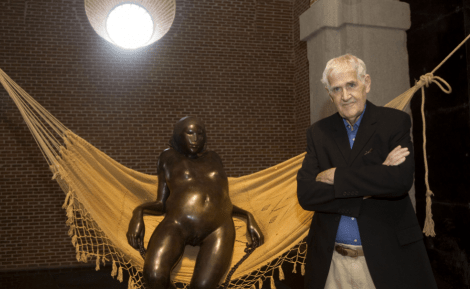
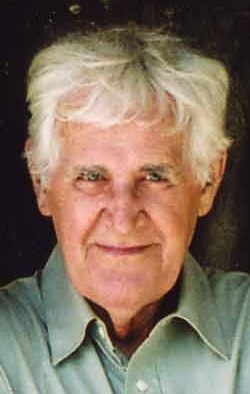
 In 1948, Zitman settled in the northern Venezuelan coastal town of Coro, where he found employment as a technical draftsman for a construction company. In that same year, he married a Dutch lady, Vera Roos, whom he had first met in The Netherlands. The couple went on to have three children, Berend, Lourens and Barbara. Much of his free time was spent painting and creating sculptures. Later, in 1949, he moved to the city of Caracas, and the following year, he found work as a furniture designer at a factory of which he later became the manager. In 1951, he was awarded the National Sculpture Prize. In 1955 he was hired by the Faculty of Architecture and Urbanism of the Universidad Central de Venezuela to teach courses in decoration, drawing, watercolour and gouache, which was then combined into a design workshop.
 In 1958, he exhibited a collection of drawings and paintings at the Museum of Contemporary Art of Caracas. That year, he decided to give up his life as a businessman and concentrate on his art and sculpture and moved with his family to the island of Grenada, where he dedicated himself completely to painting and began to affirm his style in sculpting.
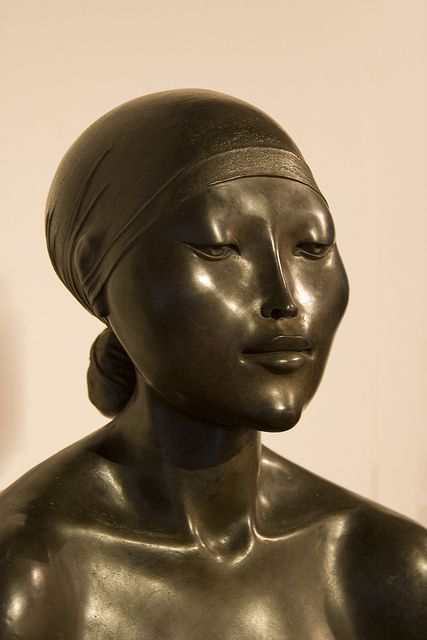 In 1961 he took part in an exhibition of Gropper Gallery in Boston. He returned to Holland, and studied foundry techniques with Pieter Starrevelt, in Amersfort, and then went back to Caracas where he was given the post as a design professor at the Architecture School of the Central University of Venezuela. In 1964 he converted an old sugar cane mill, known as a trapiche into his residence and workshop, in Caracas’ Hacienda de la Trinidad.
 In 1970, Zitman met Dina Viery, a Russian immigrant, and French art dealer, art collector and one time a model for the French painter and sculptor Astride Maillol whom she met in 1934. Viery was a great friend of Maillol during the last ten years of his life and when he died she helped establish the Musée Maillol art museum in Paris. From then on, Zitman dedicated himself exclusively to sculpture. More exhibitions of his work followed in Venezuela, France, Switzerland, the Netherlands, the United States, Japan and other countries, earning a host of national and international awards.
 Zitman died on 10 January 2016 at the age of 89. Zitman earned numerous national and international awards for his work and in 2005 he was decorated with the Knight of the Order of the Netherlands Lion.
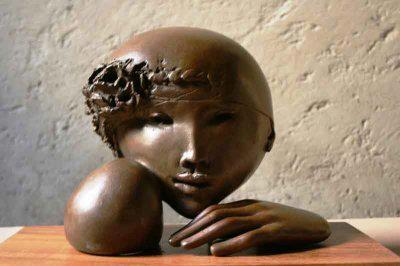 I will leave you with a recent write-up from the Diario de Cádiz, a Spanish-language newspaper published in Cadiz, regarding the Cornelis Zitman’s permanent exhibition at the Casa de Iberoamérica in Cadiz: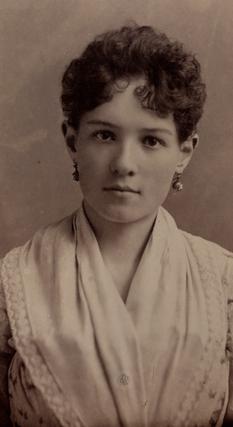


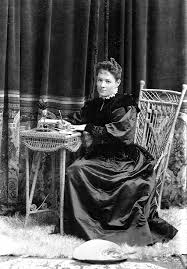
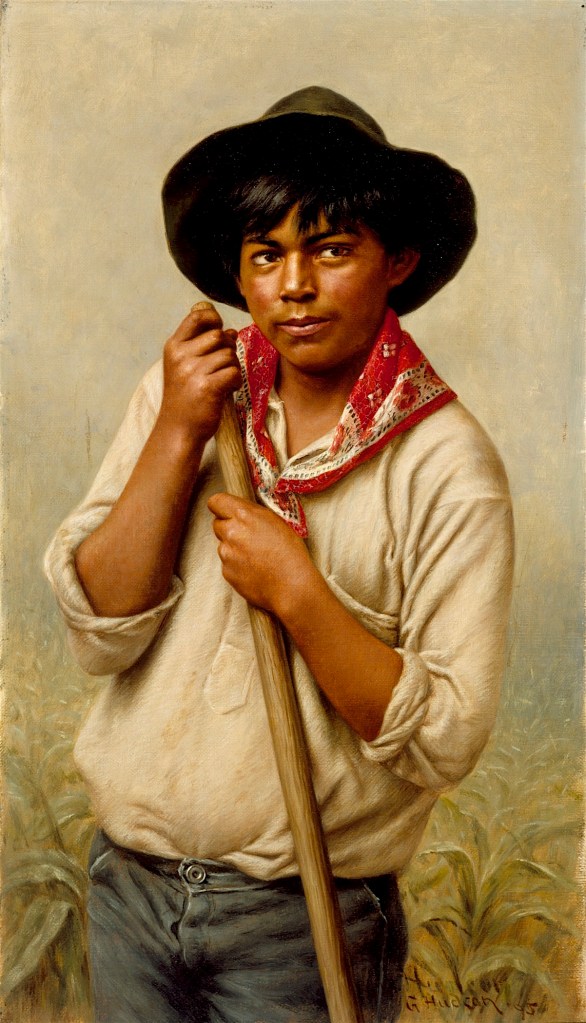
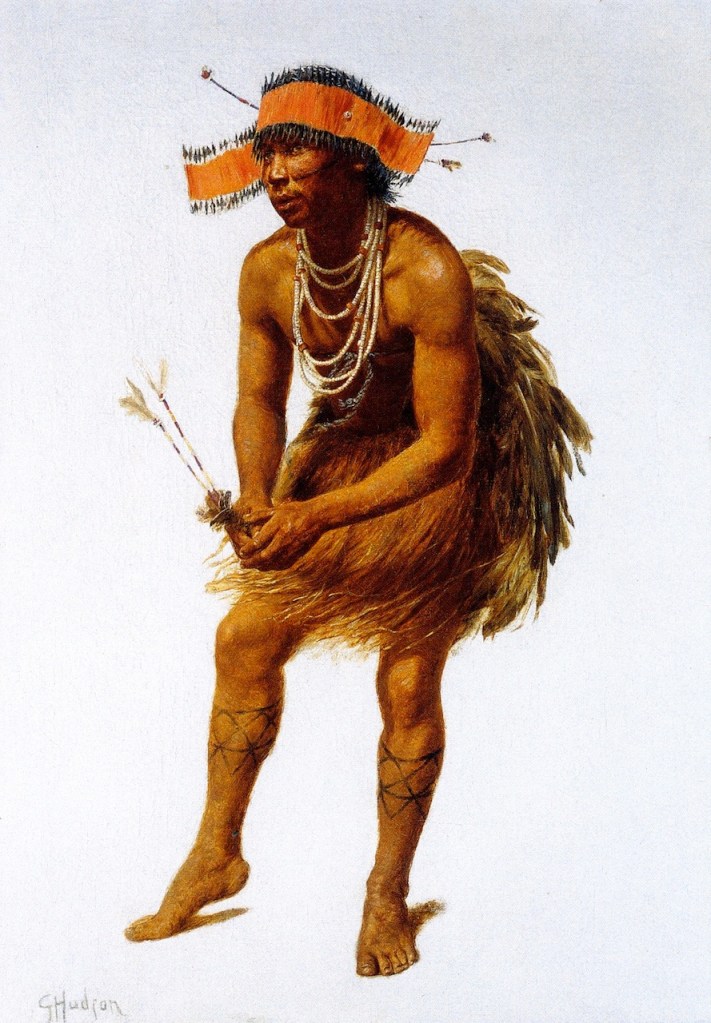
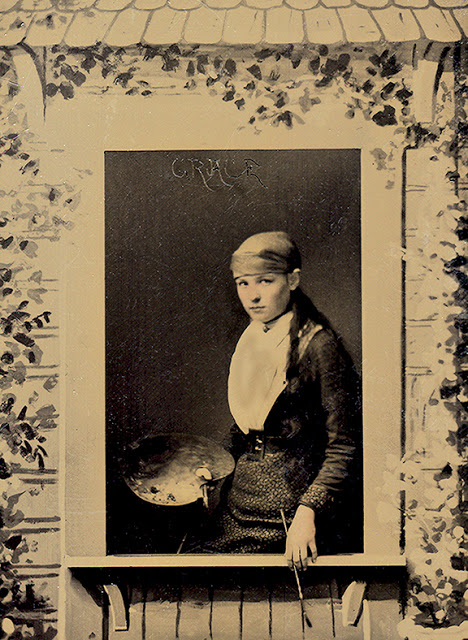

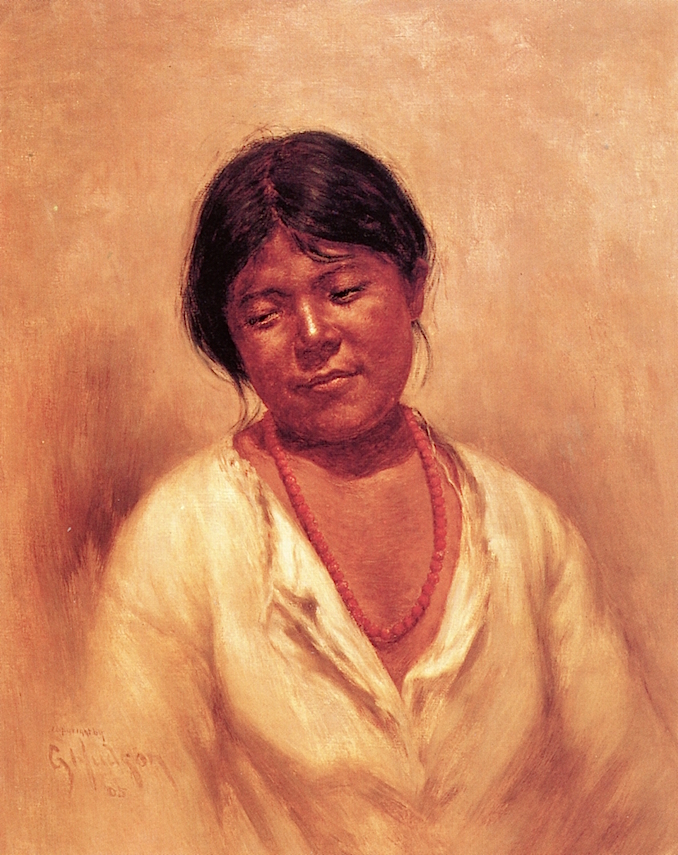

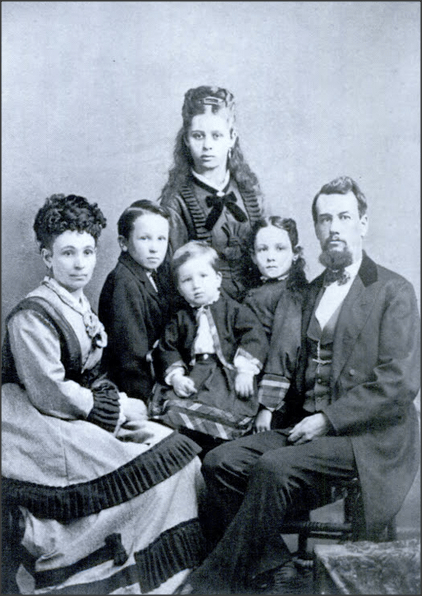
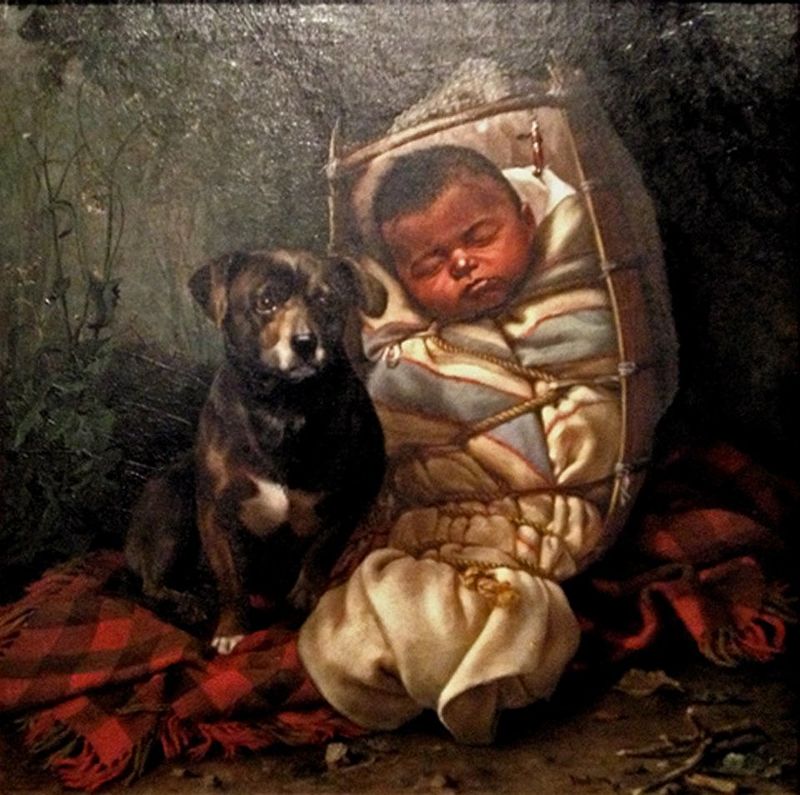

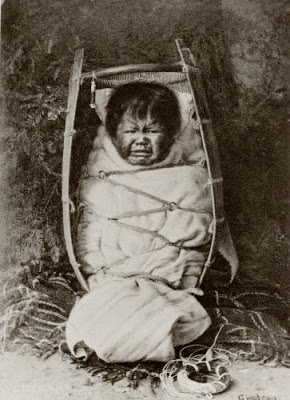
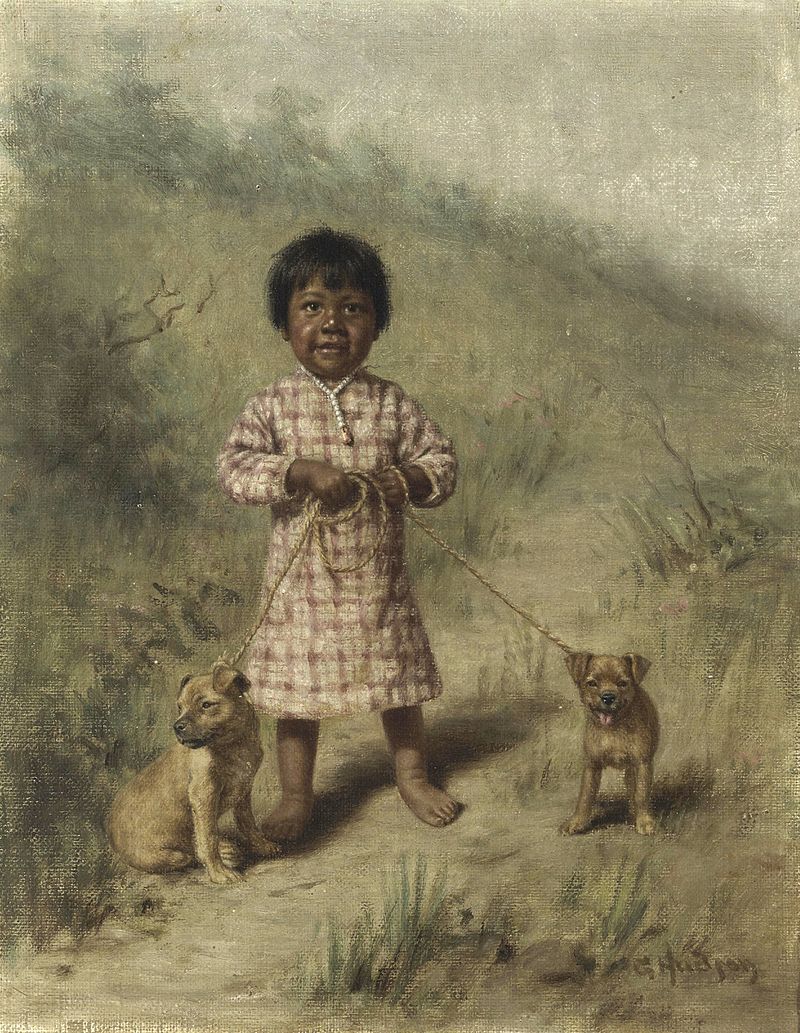
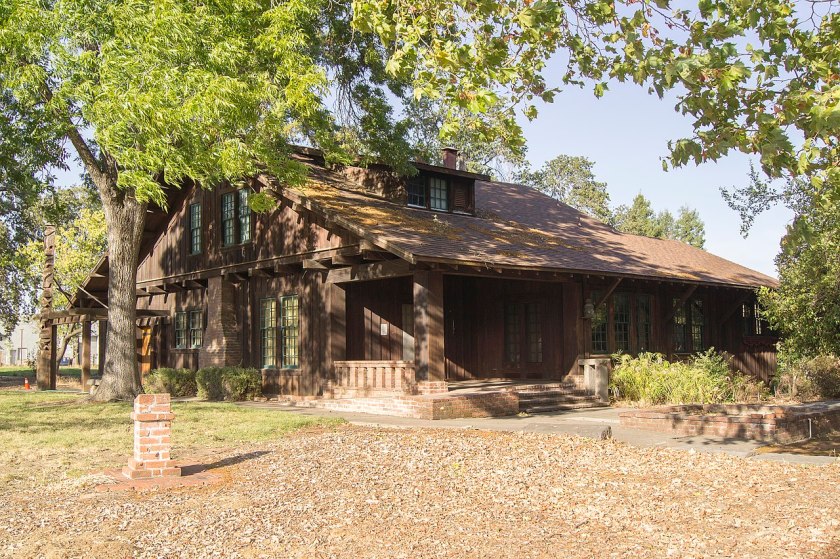


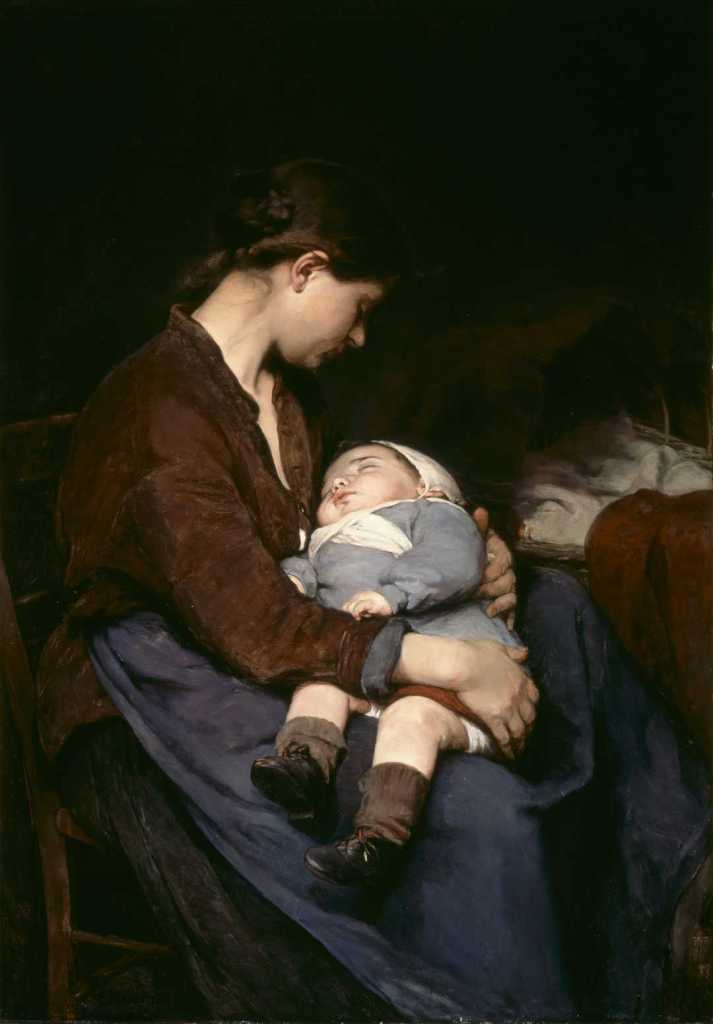
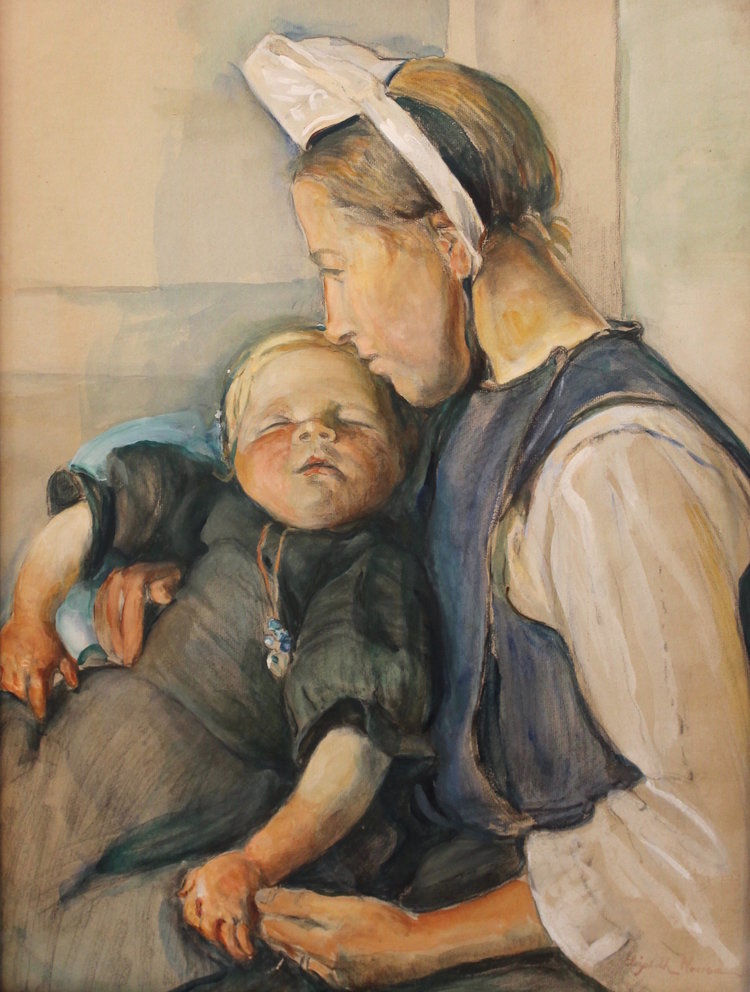


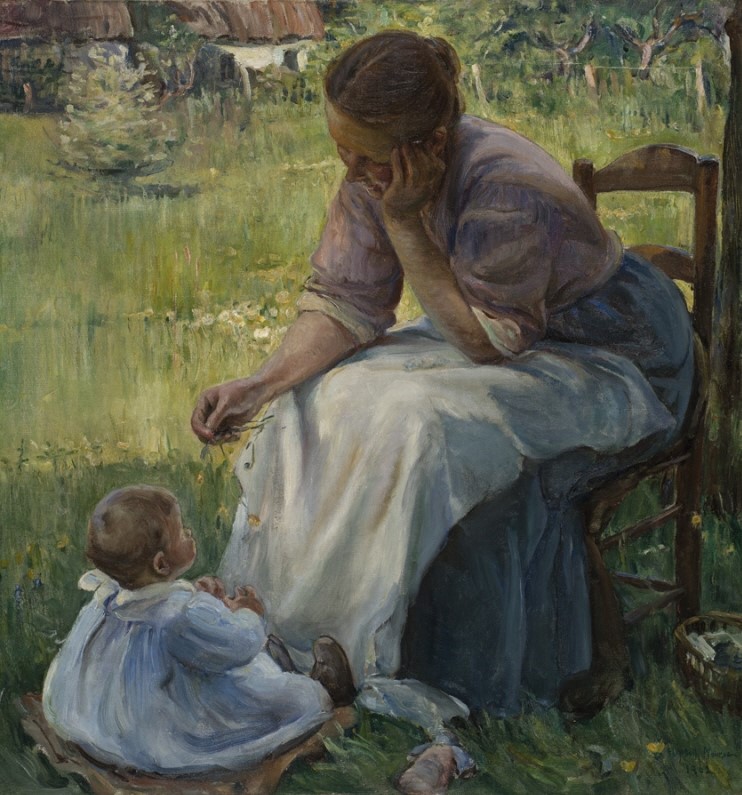
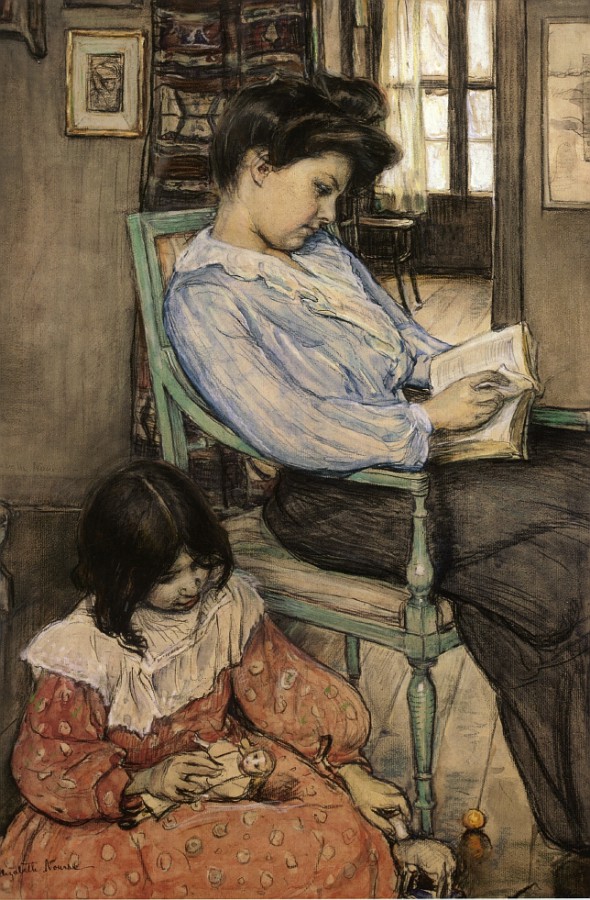

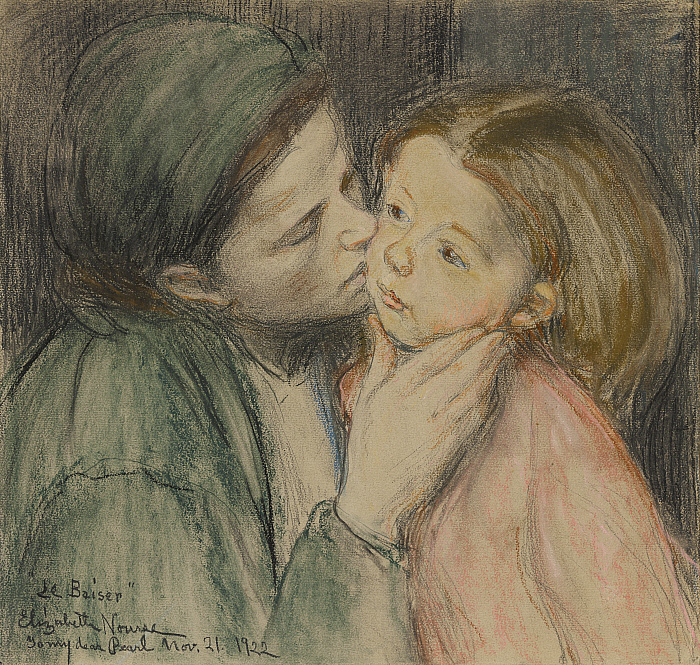

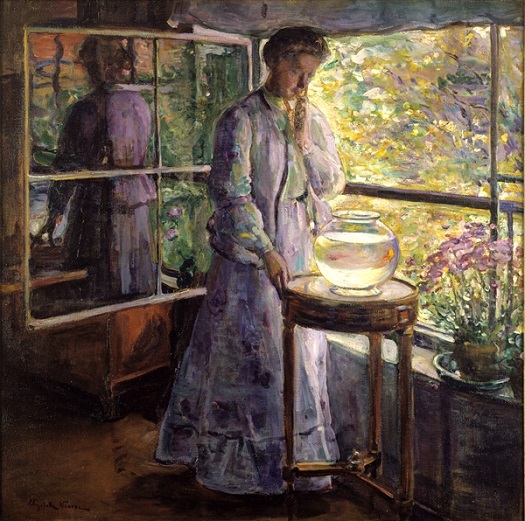
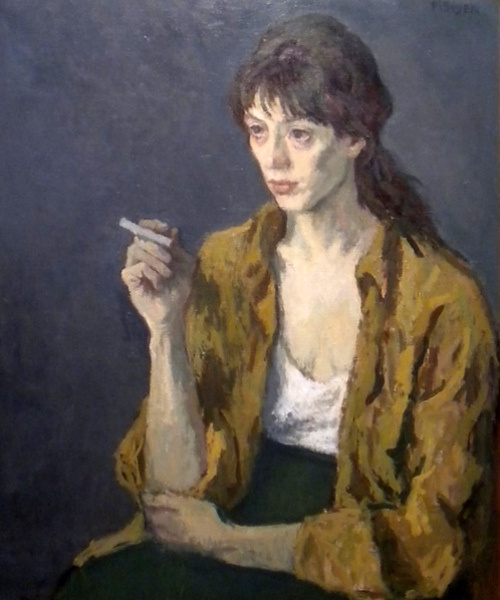

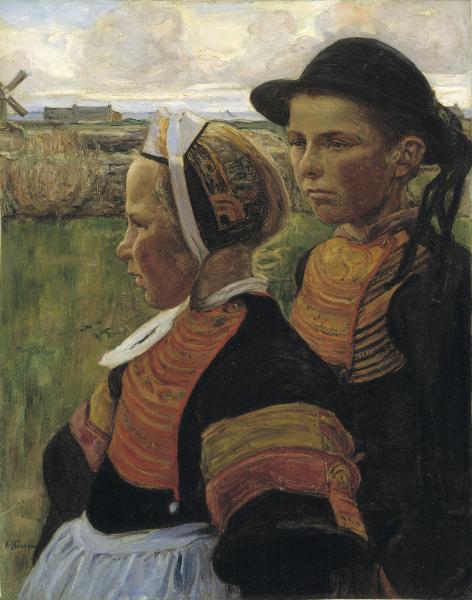
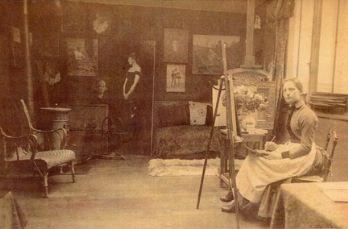

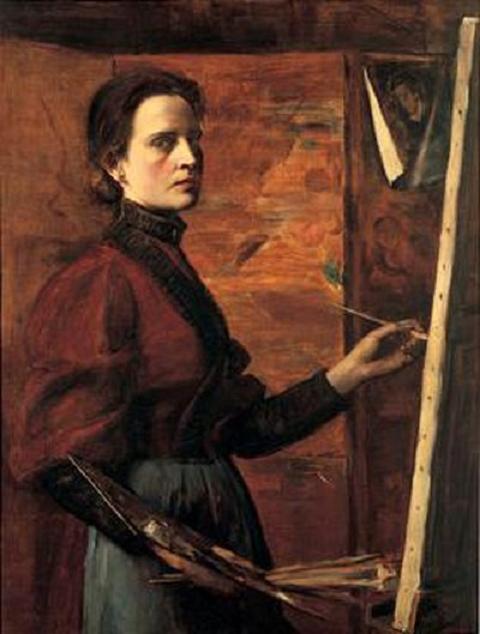
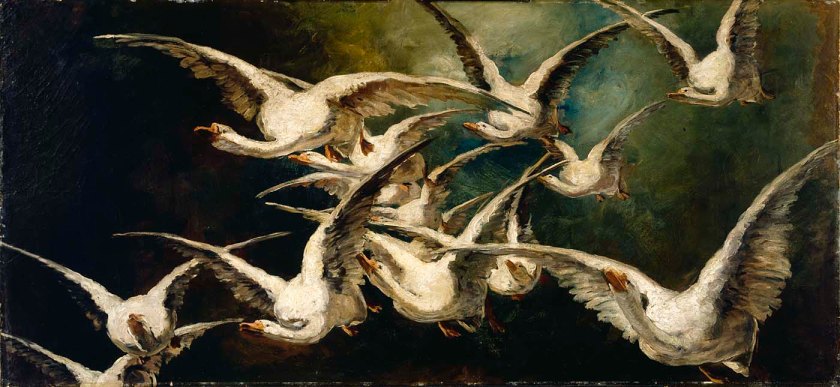

 Elizabeth and her twin, Adelaide, at the age of fifteen, went to classes at the McMicken School of Design in Cincinnati, which was open to all qualified residents, tuition-free, while her next eldest sister Louise became a teacher. The McMicken School of Design had been founded by Cincinnati resident, and real estate millionaire, Charles McMicken. In the 1850’s he donated one million dollars to the city of Cincinnati to form a university. Originally known as McMicken University, a month after the college’s founding, the university’s board of directors changed the institution’s name to the University of Cincinnati and this institution absorbed the McMicken School of Drawing and Design.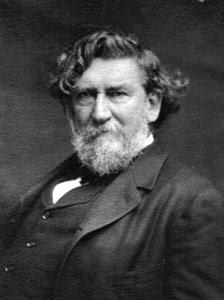
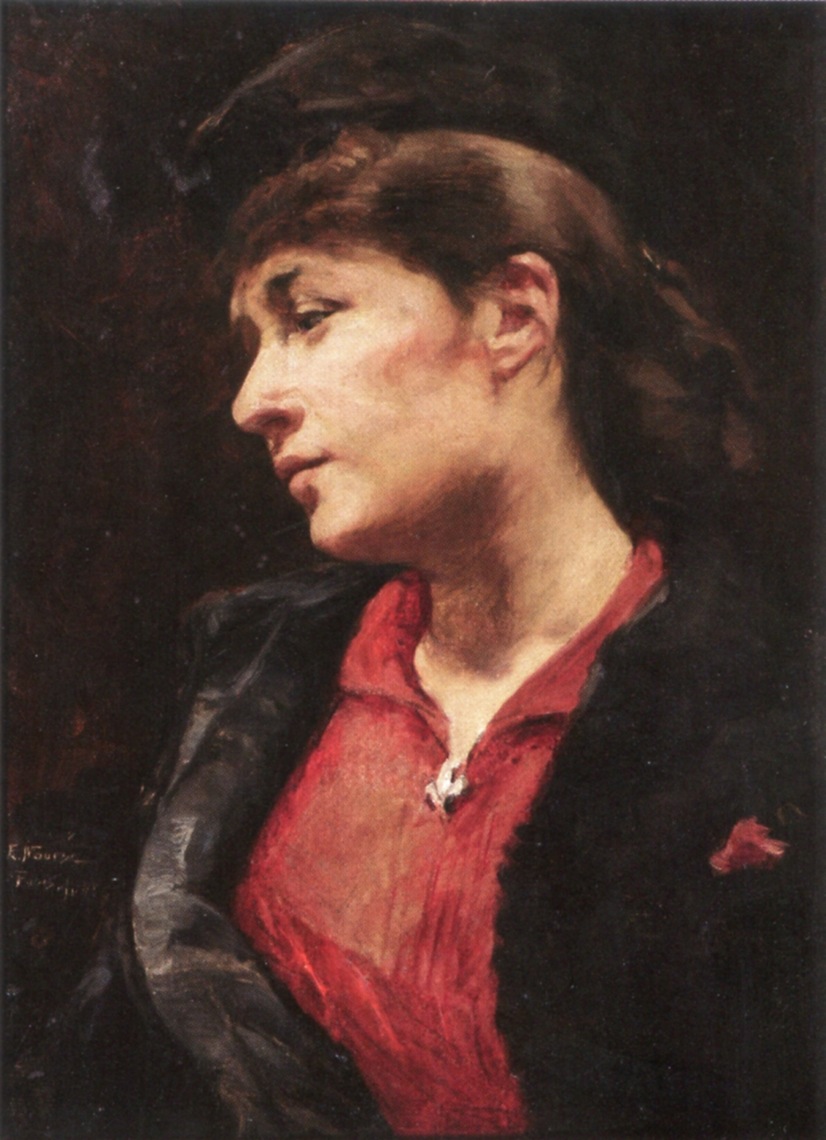
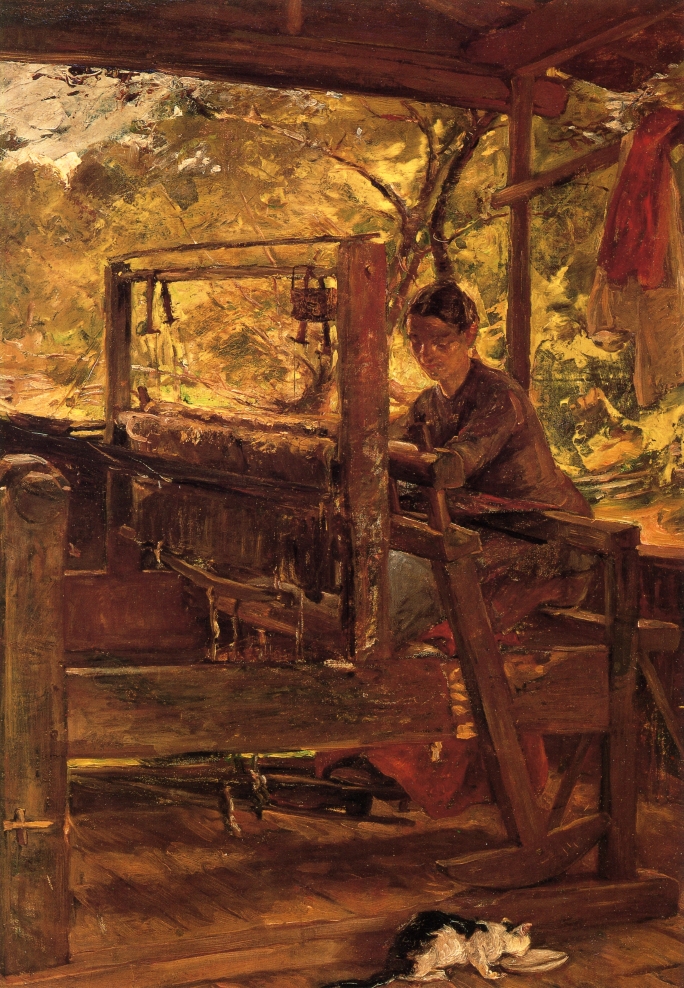
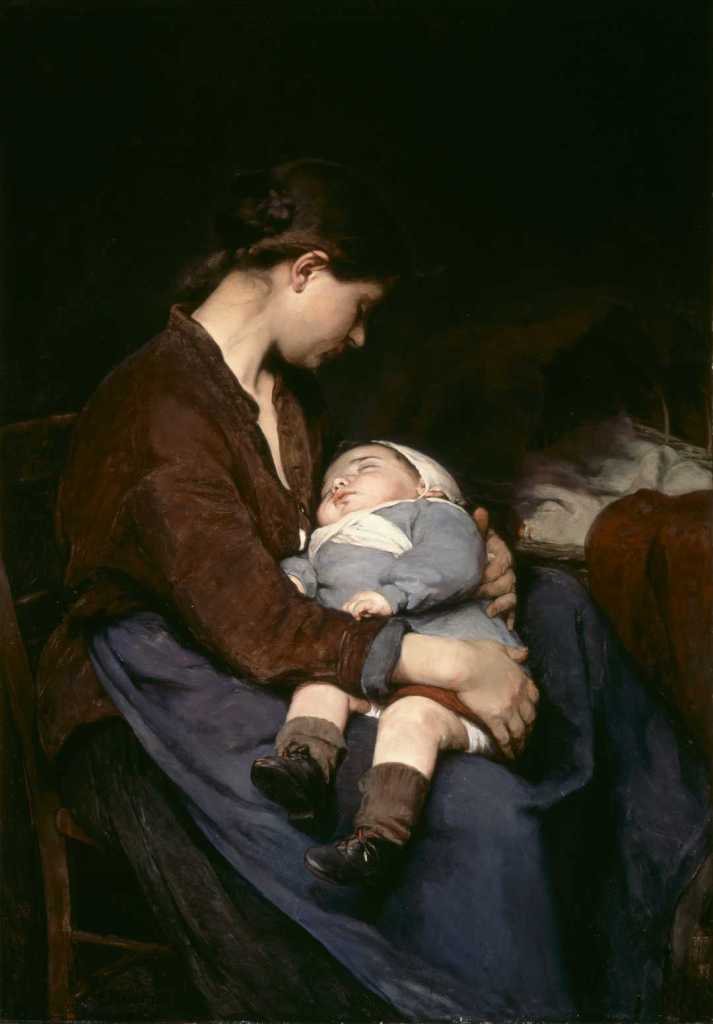

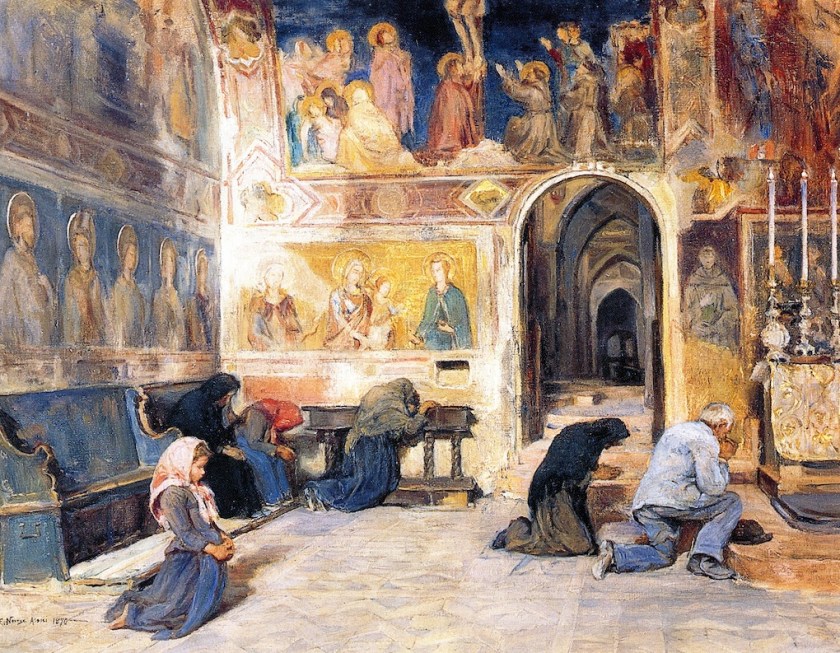
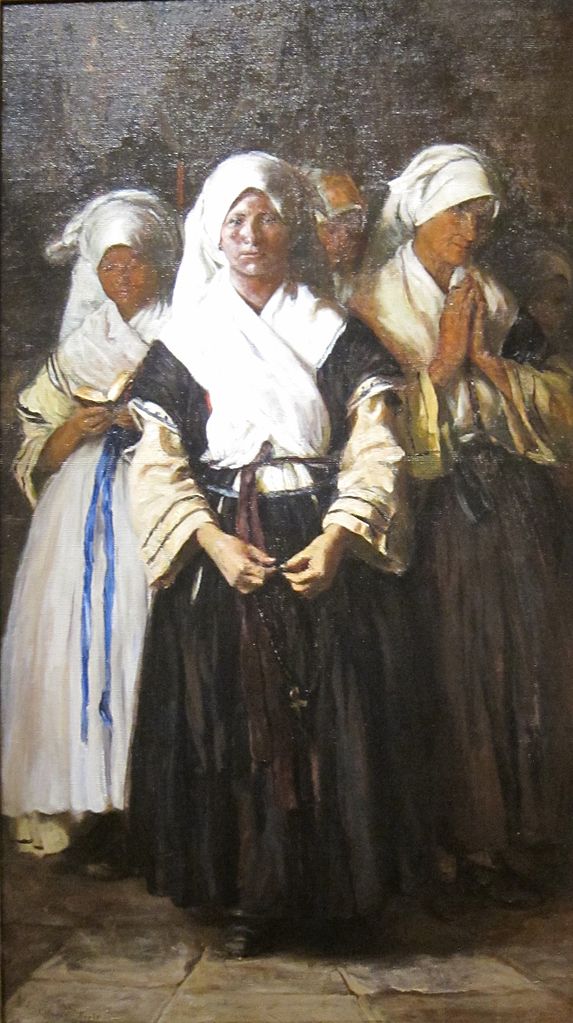


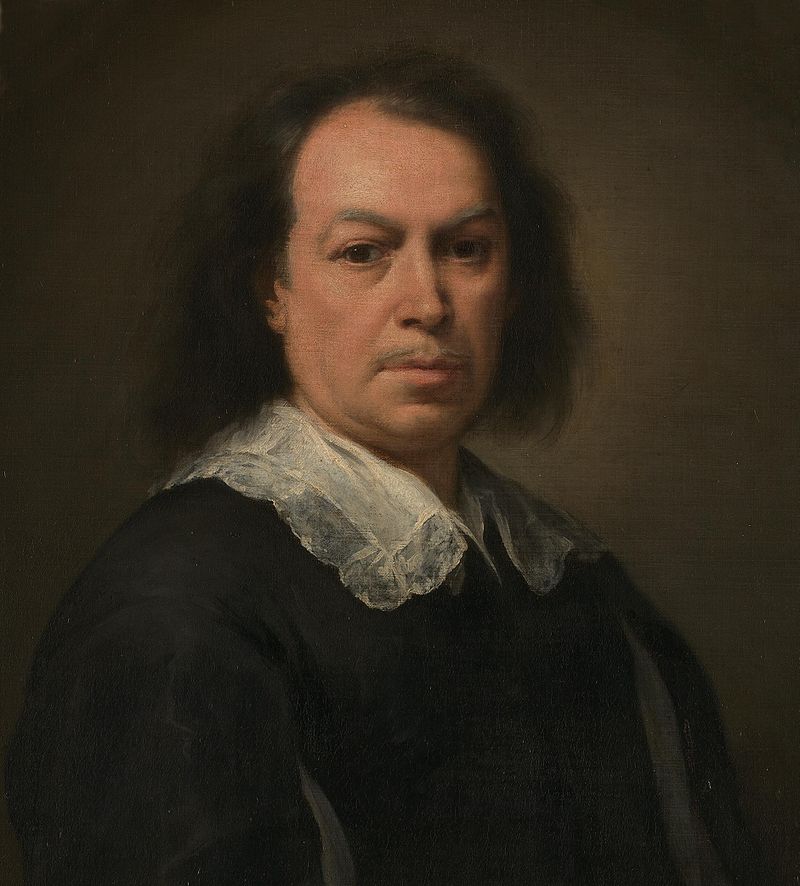
 The Seville exhibition was a collection of fifty-five paintings by Murillo from museum collections around the world. The exhibition was divided into nine sections each providing a glimpse of the world through Murillo’s eyes. The sections were designated as Holy Childhood, A family of Nazareth, Glory on Earth, The Immaculate Conception, Compassion, Penitence, Storyteller, Genre painting and Portraiture. It was a journey through his religious works to the social realism of 17th century Seville, which has been described as a city of paupers and saints, of rascals and wealthy noblemen and merchants who, through their wealth, were able to have Murillo paint their portraits.


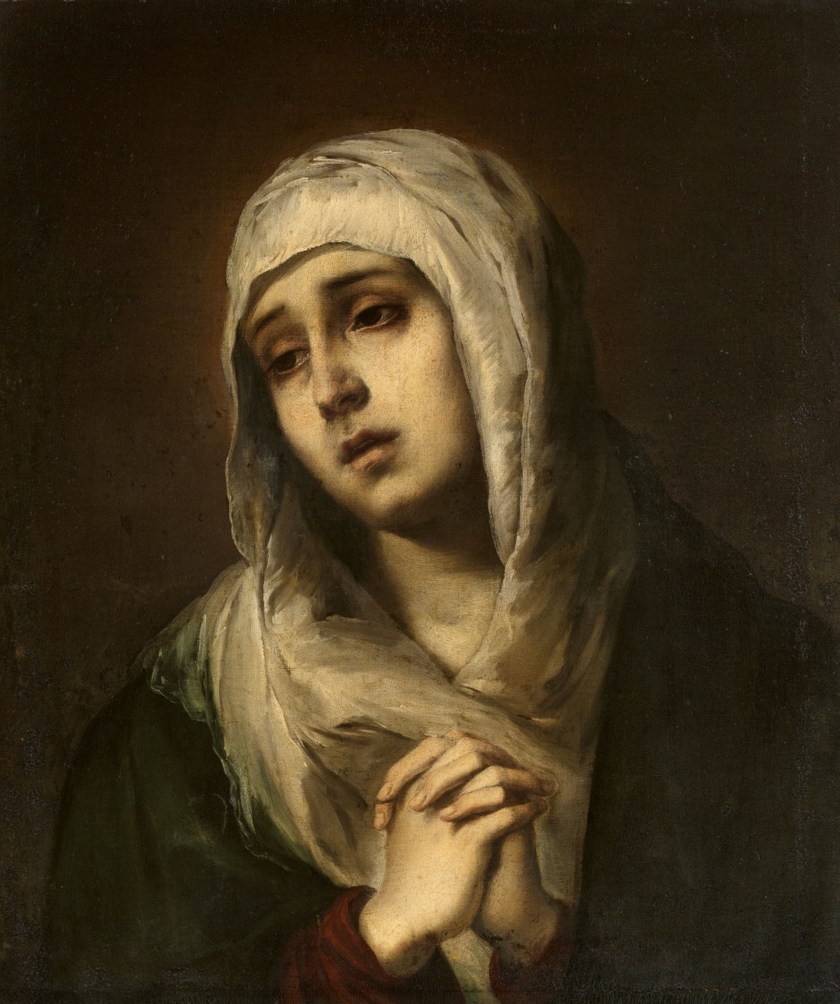


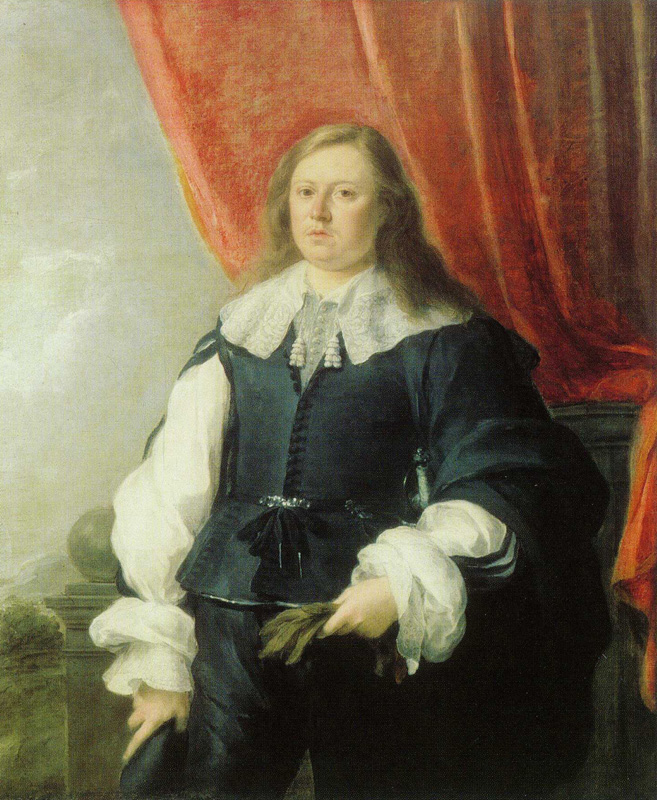

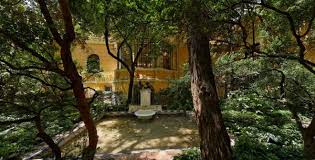

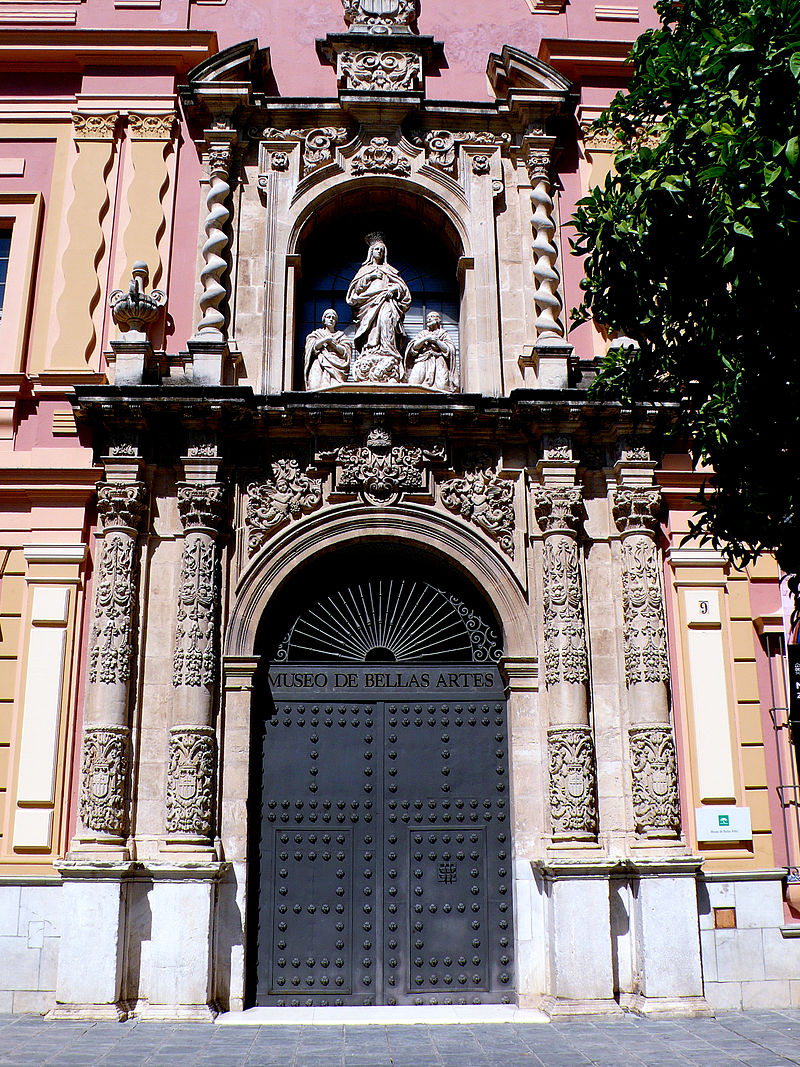
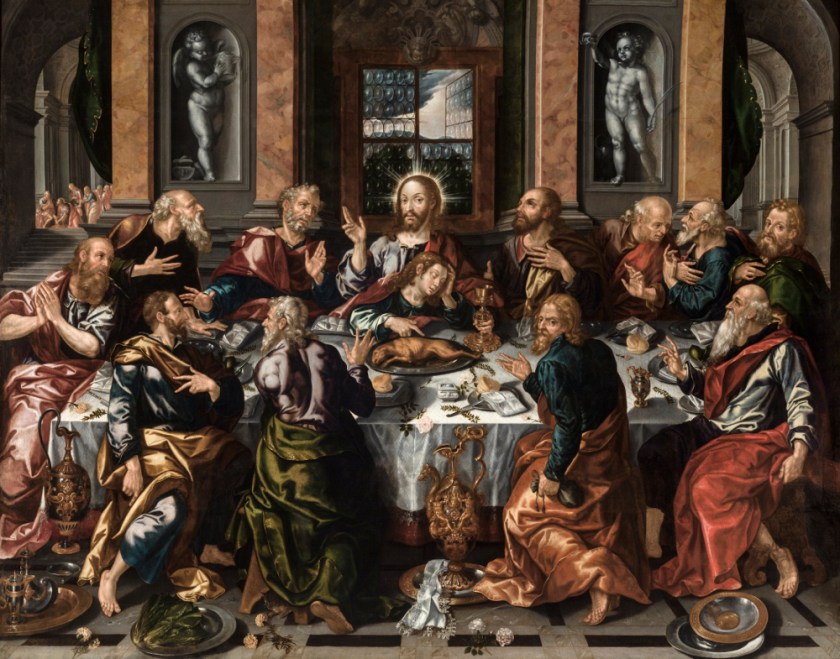


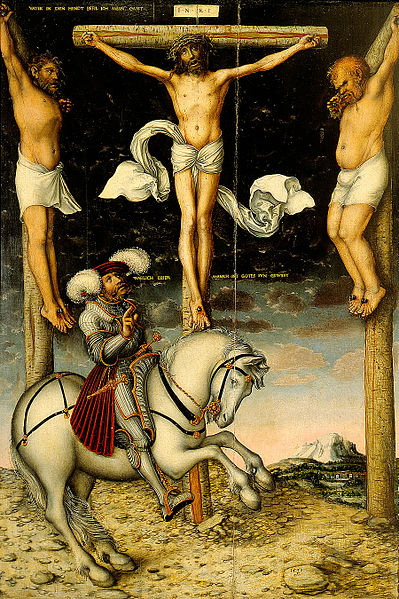
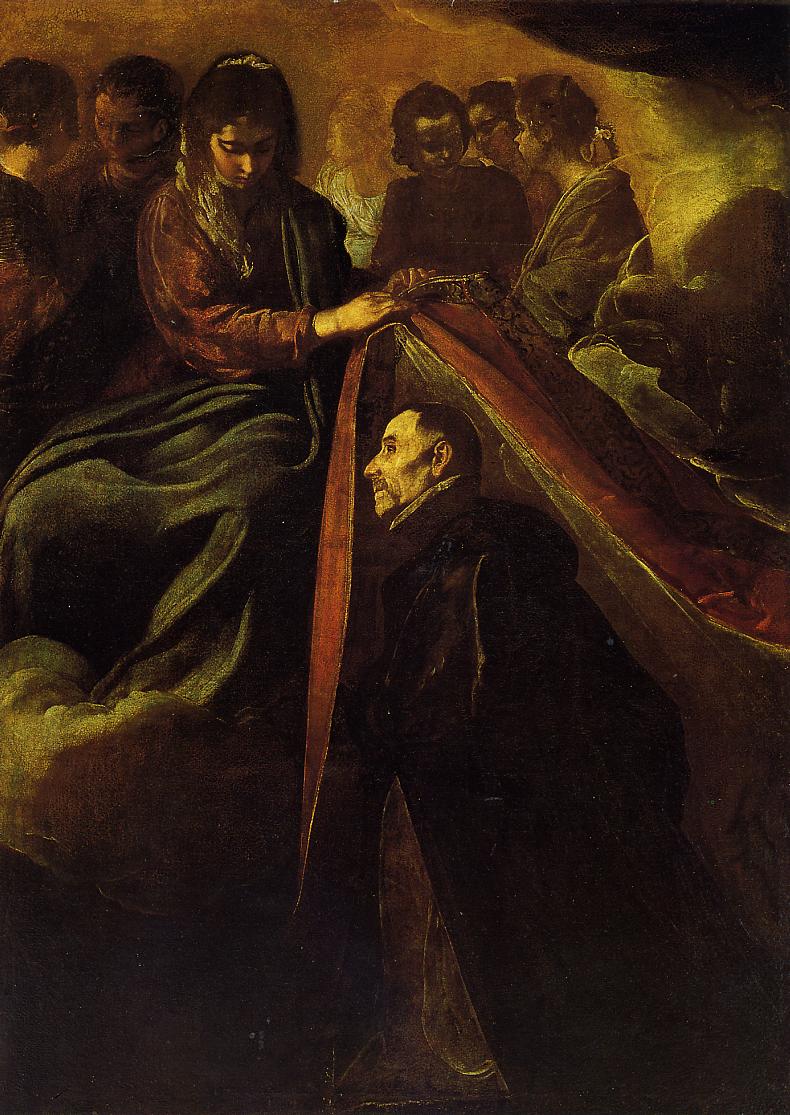
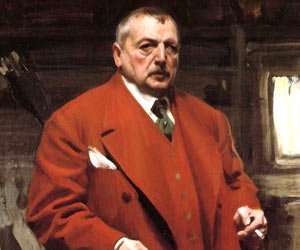

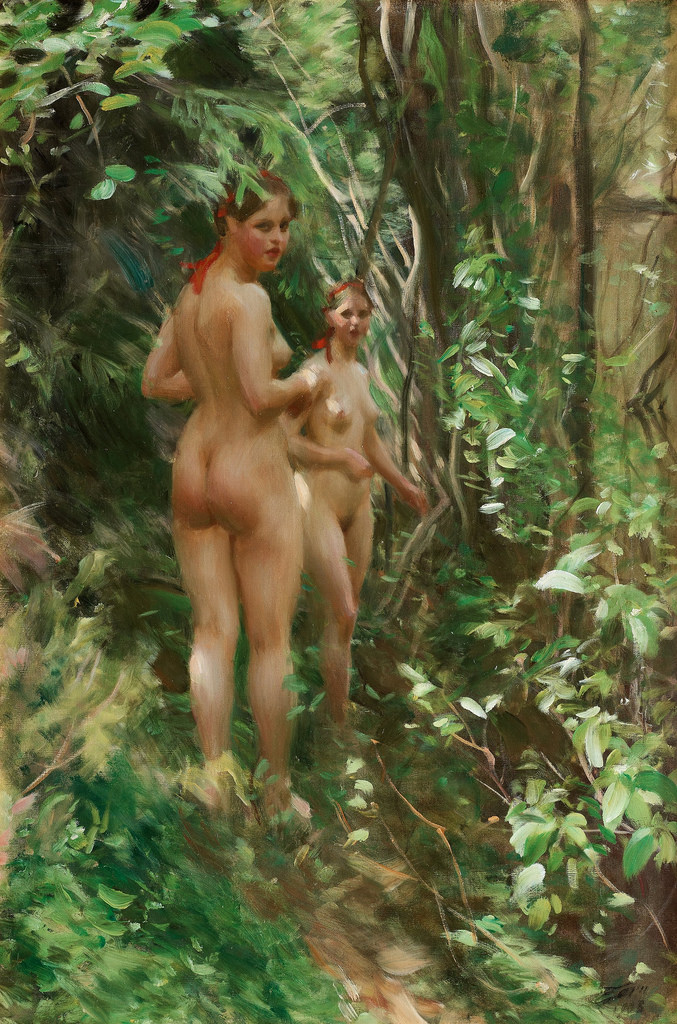
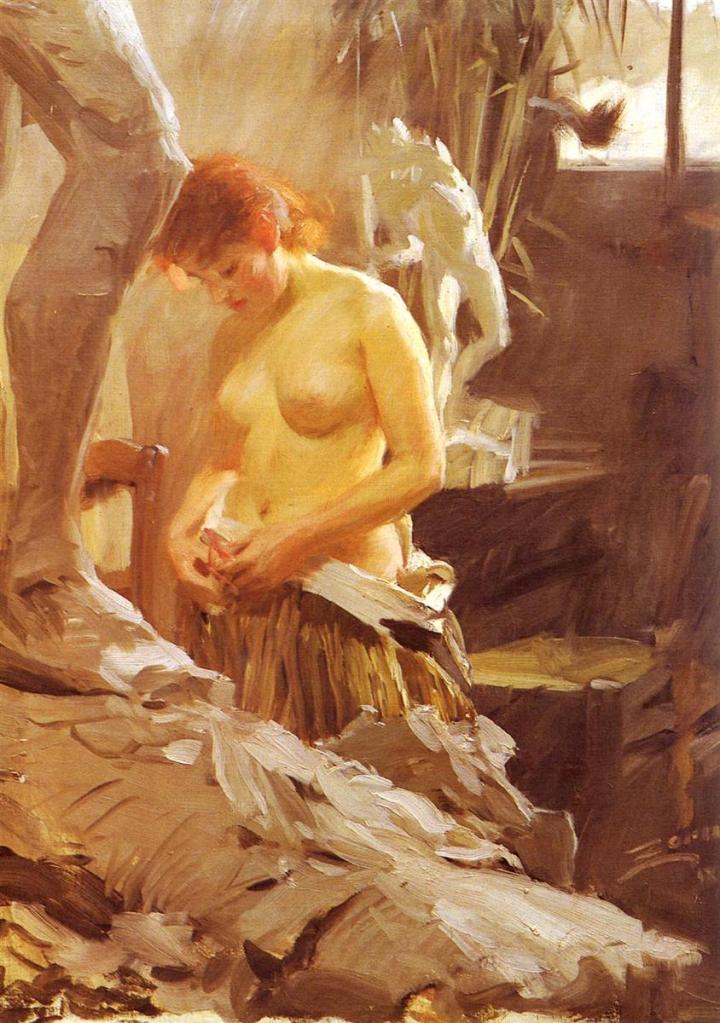

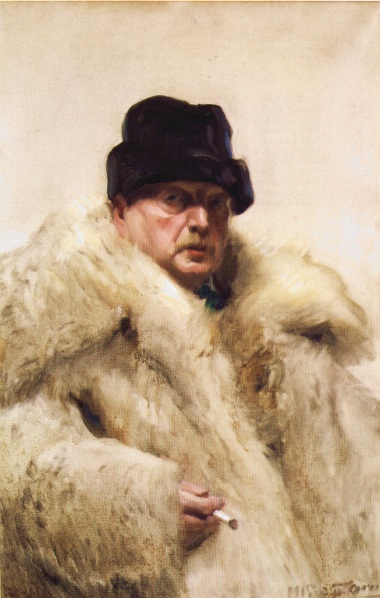

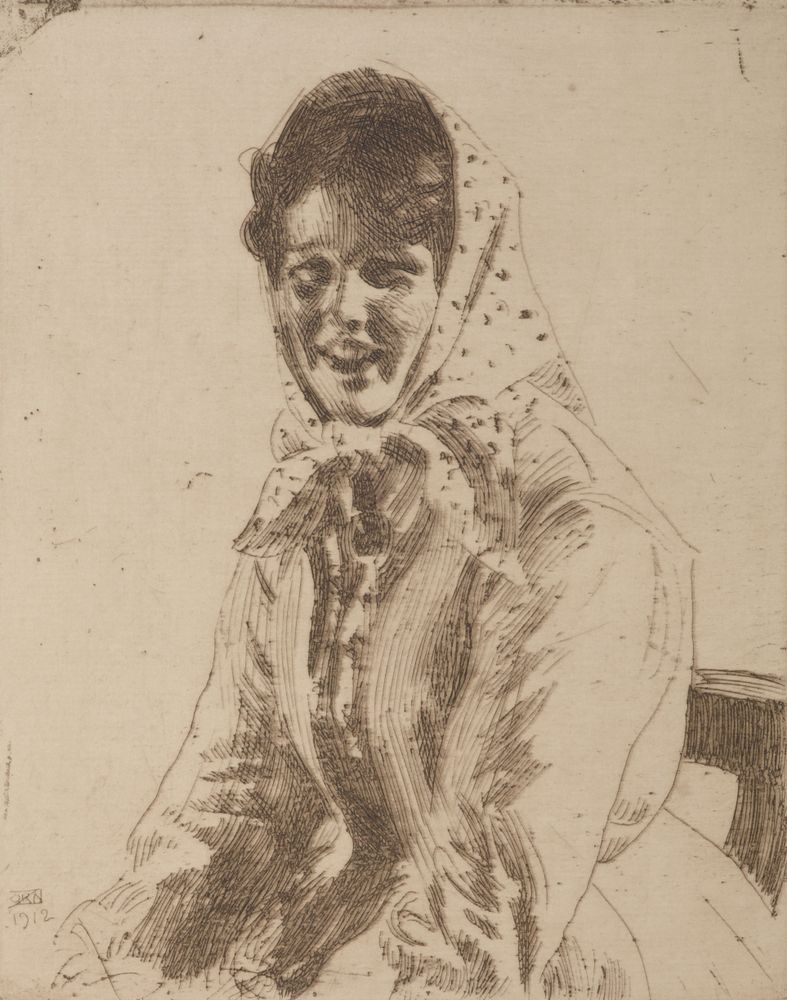
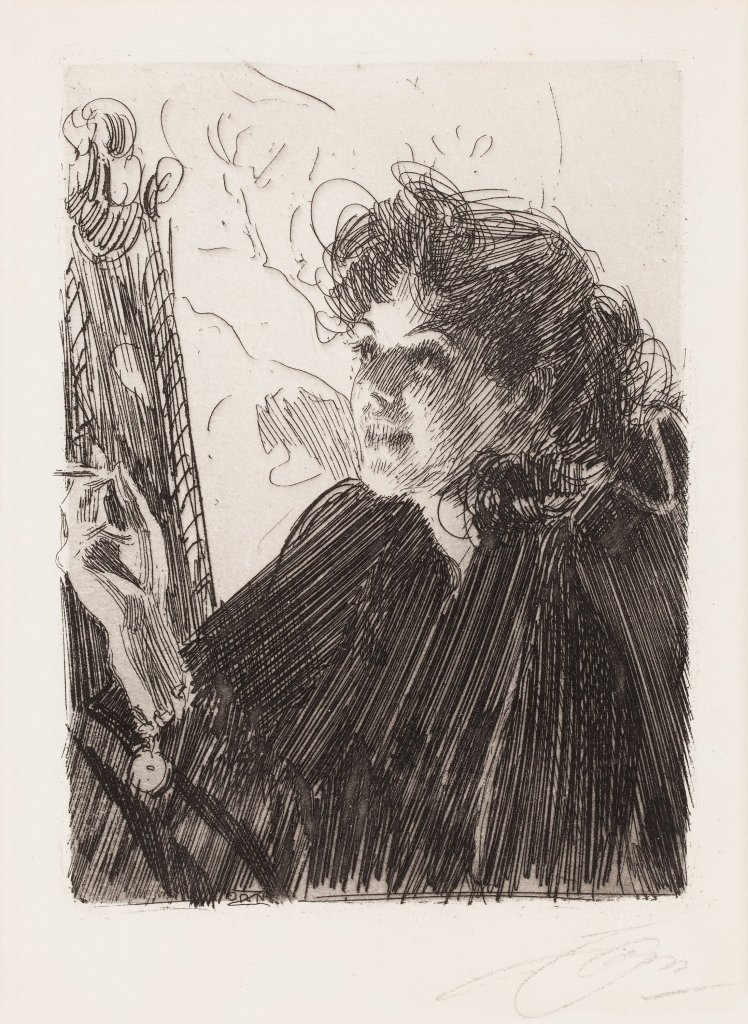

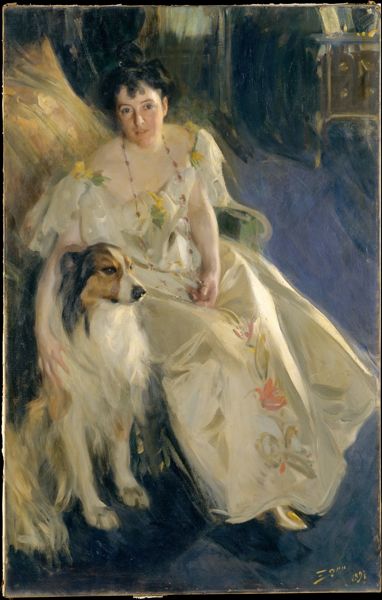

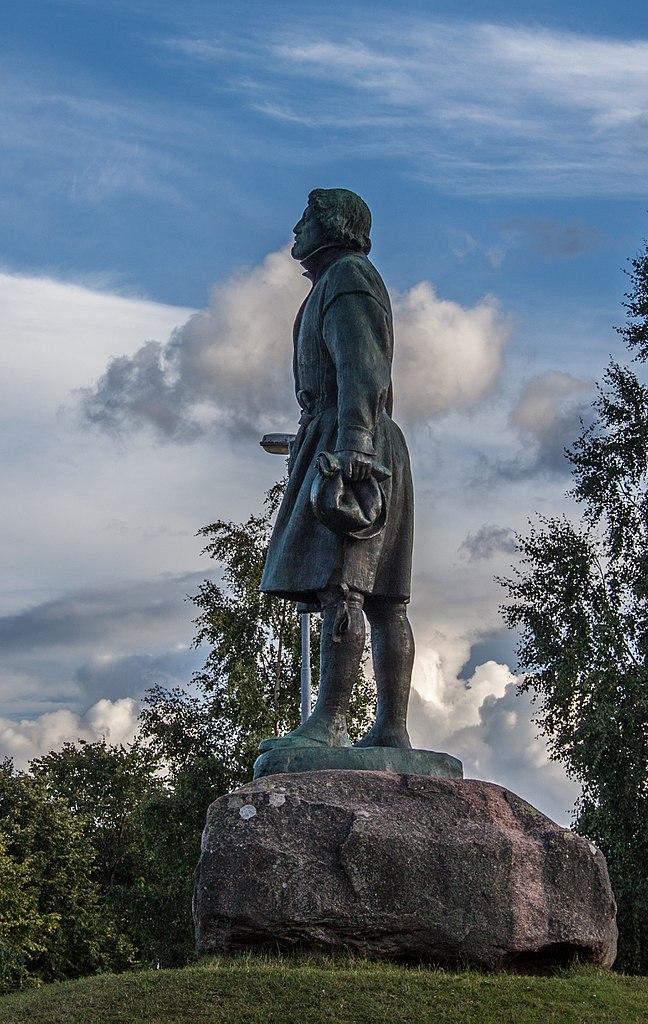

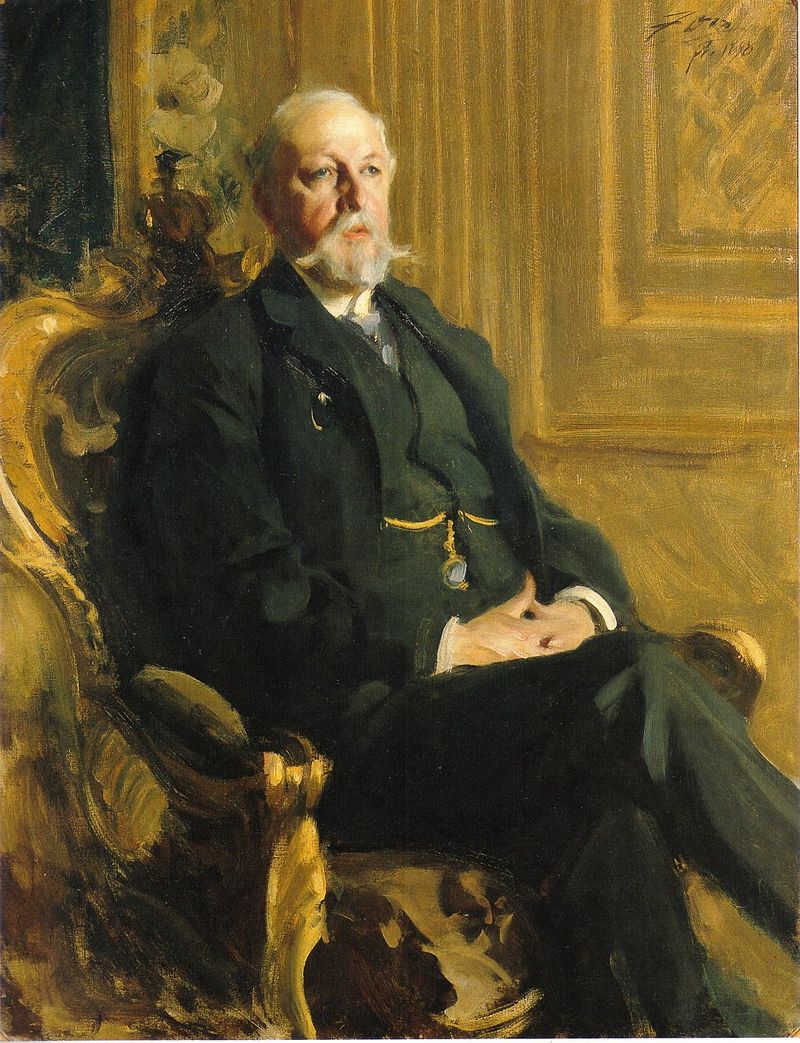


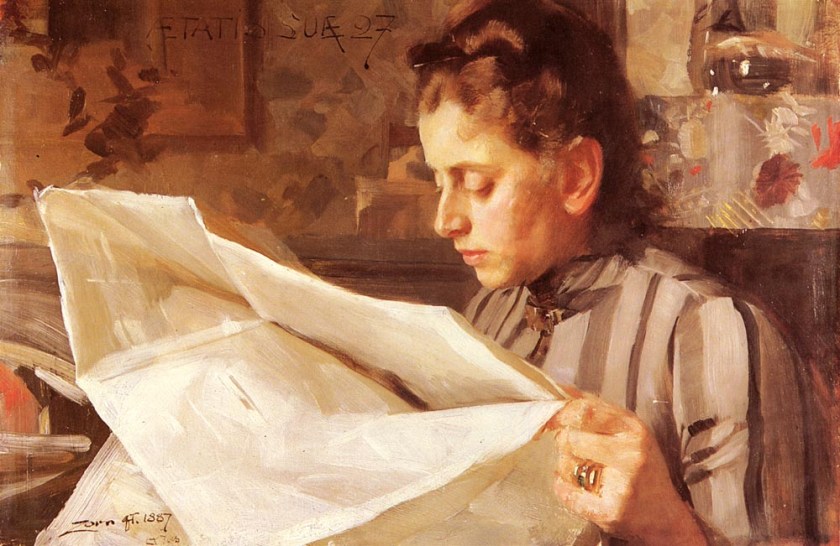


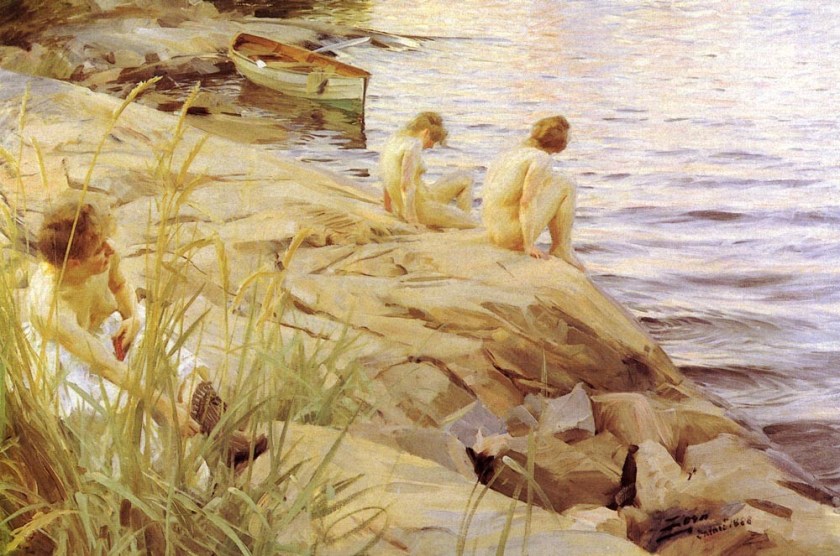
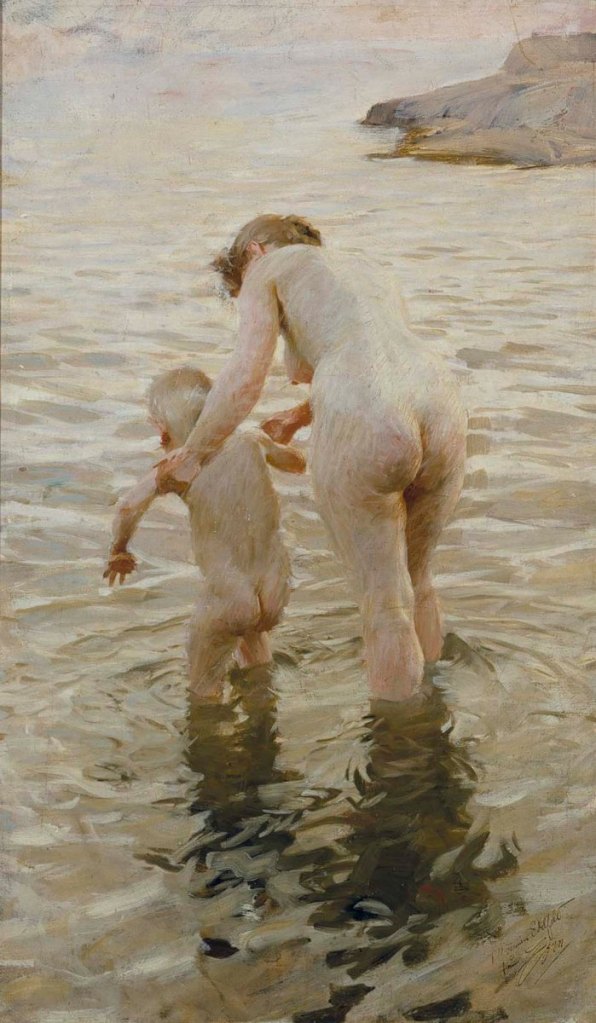
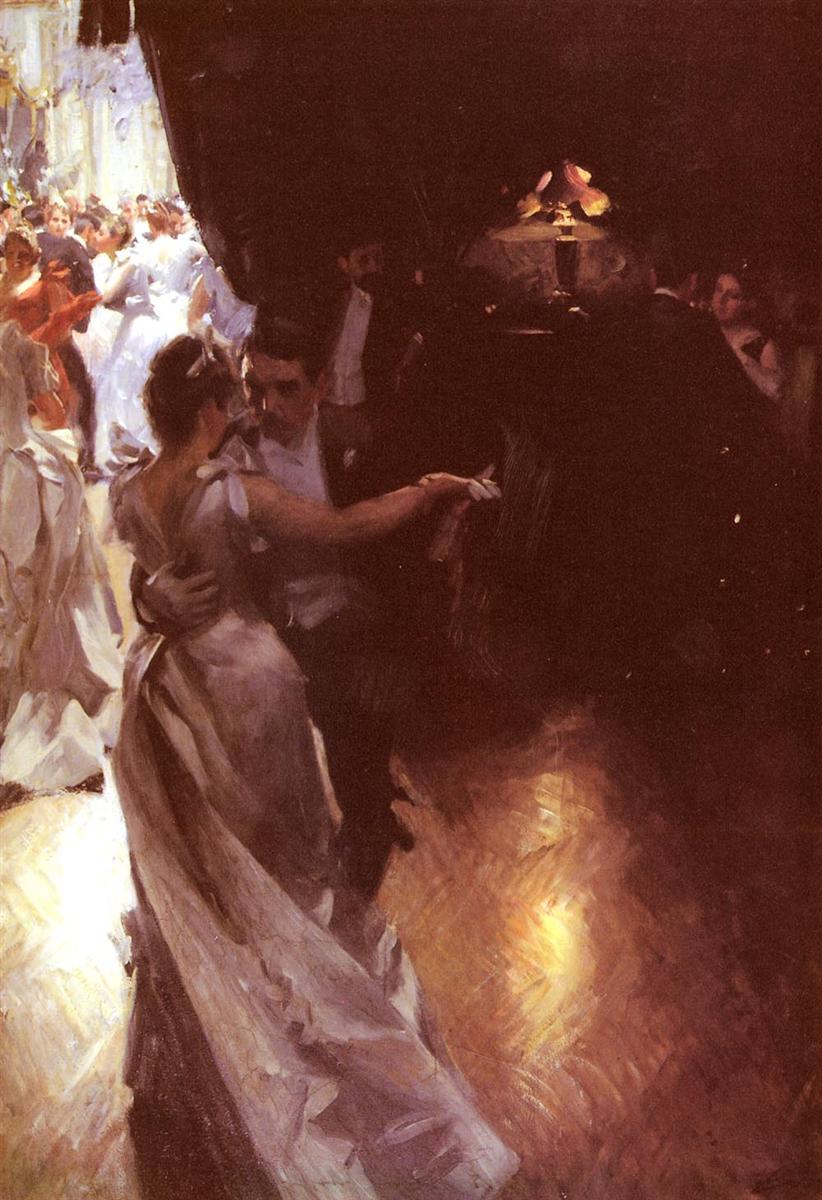

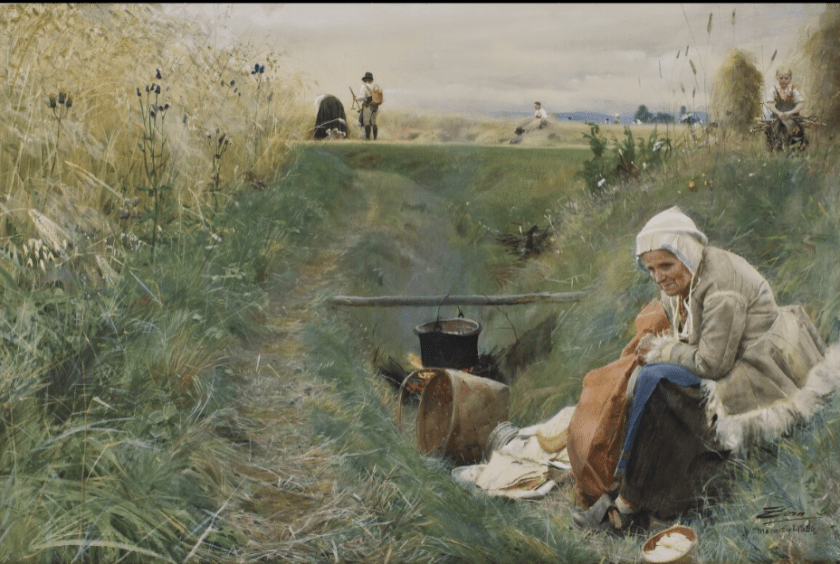
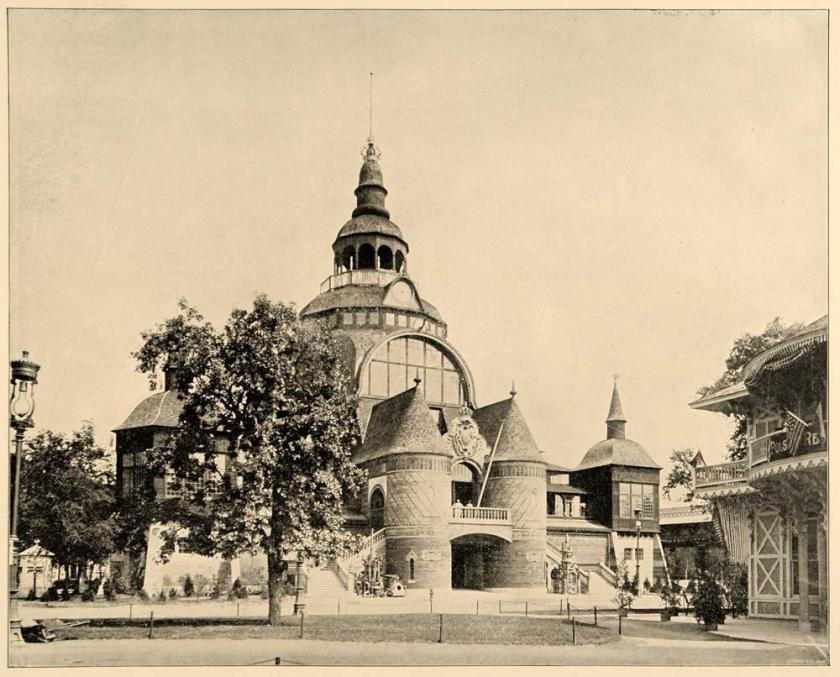

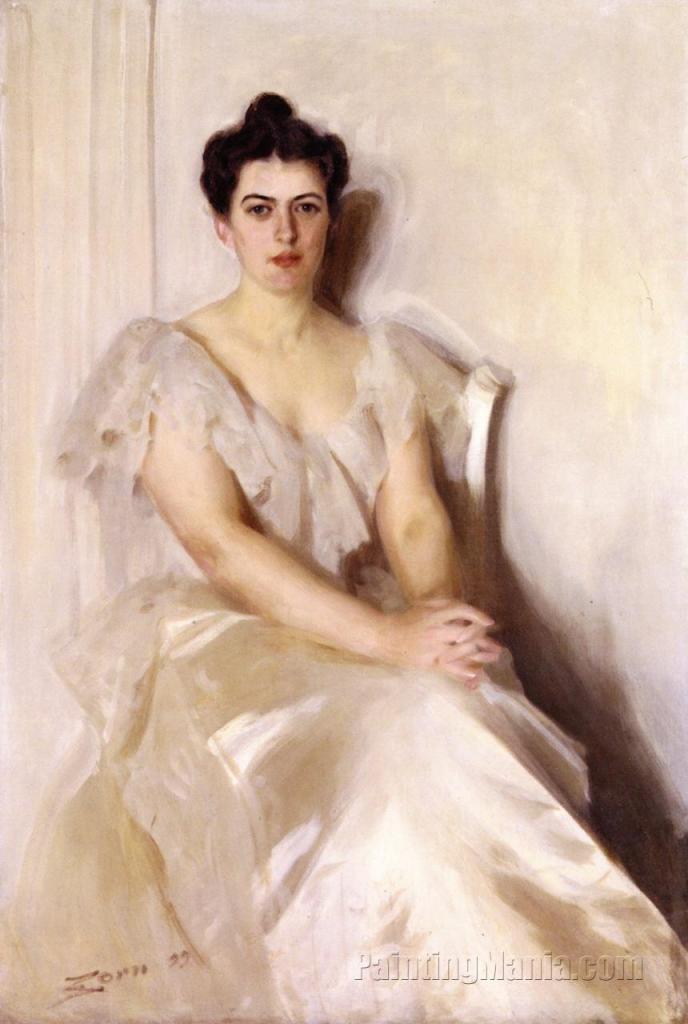
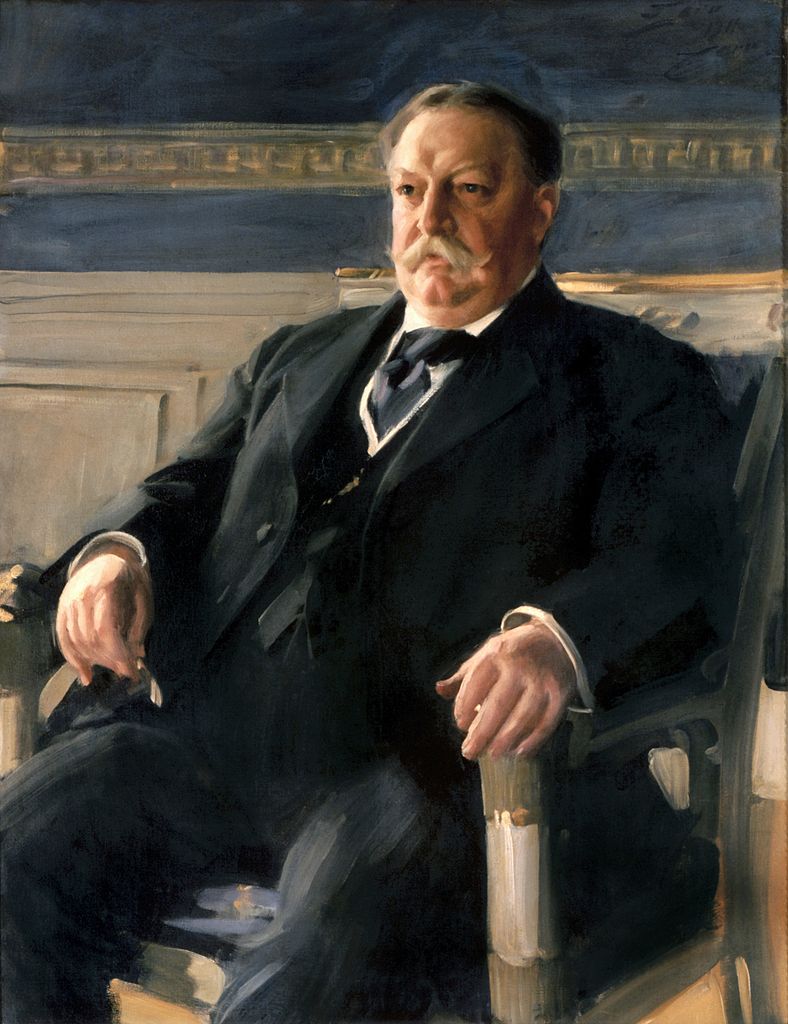
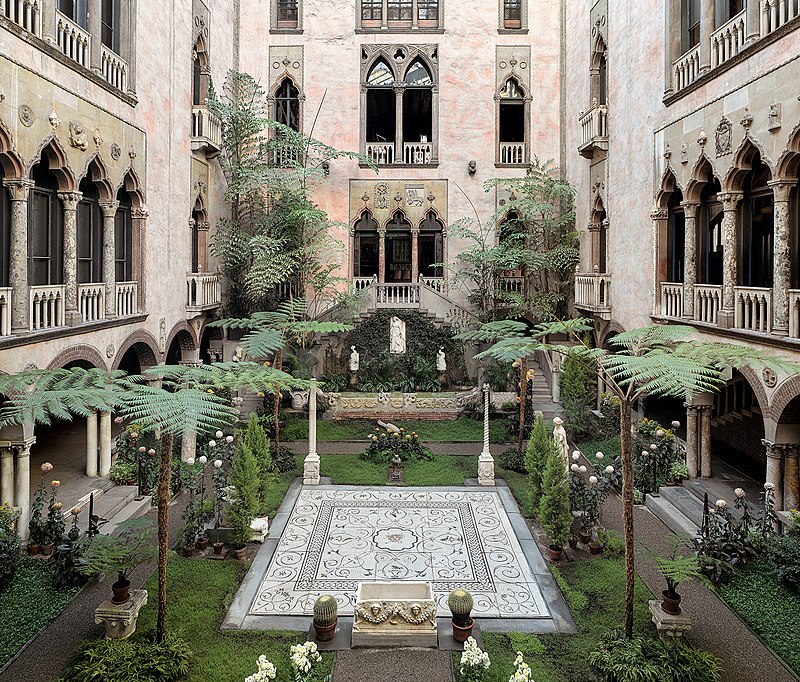


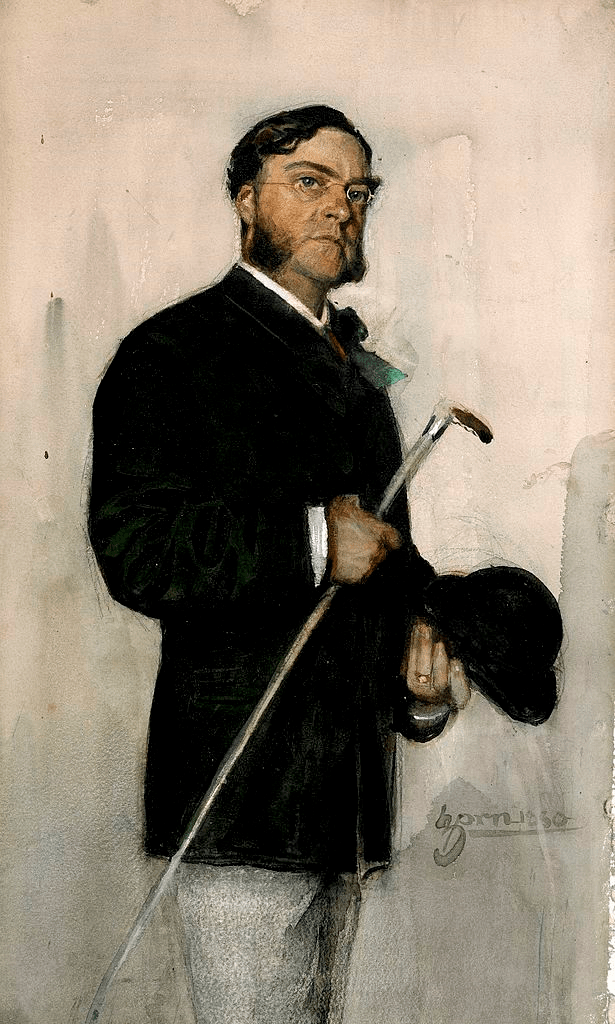

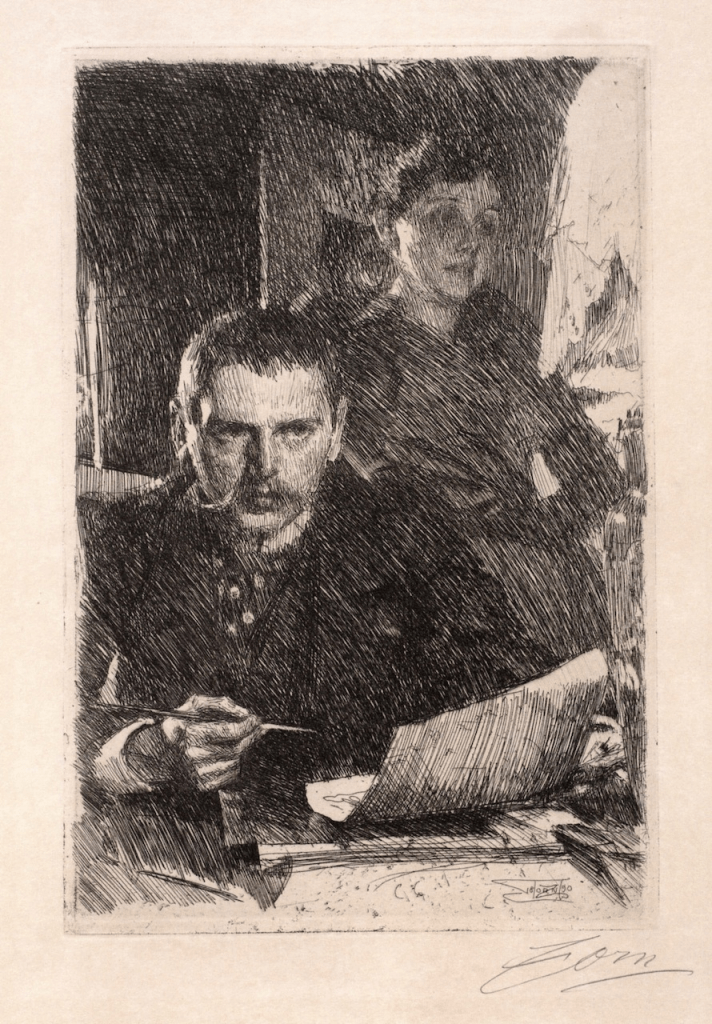
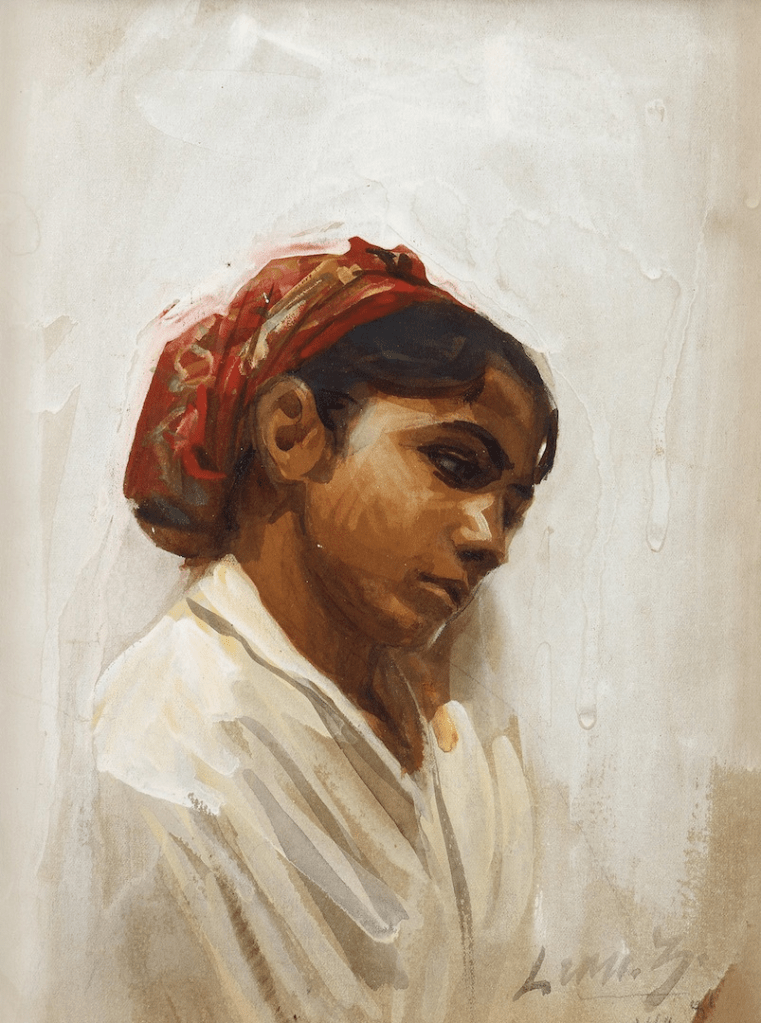


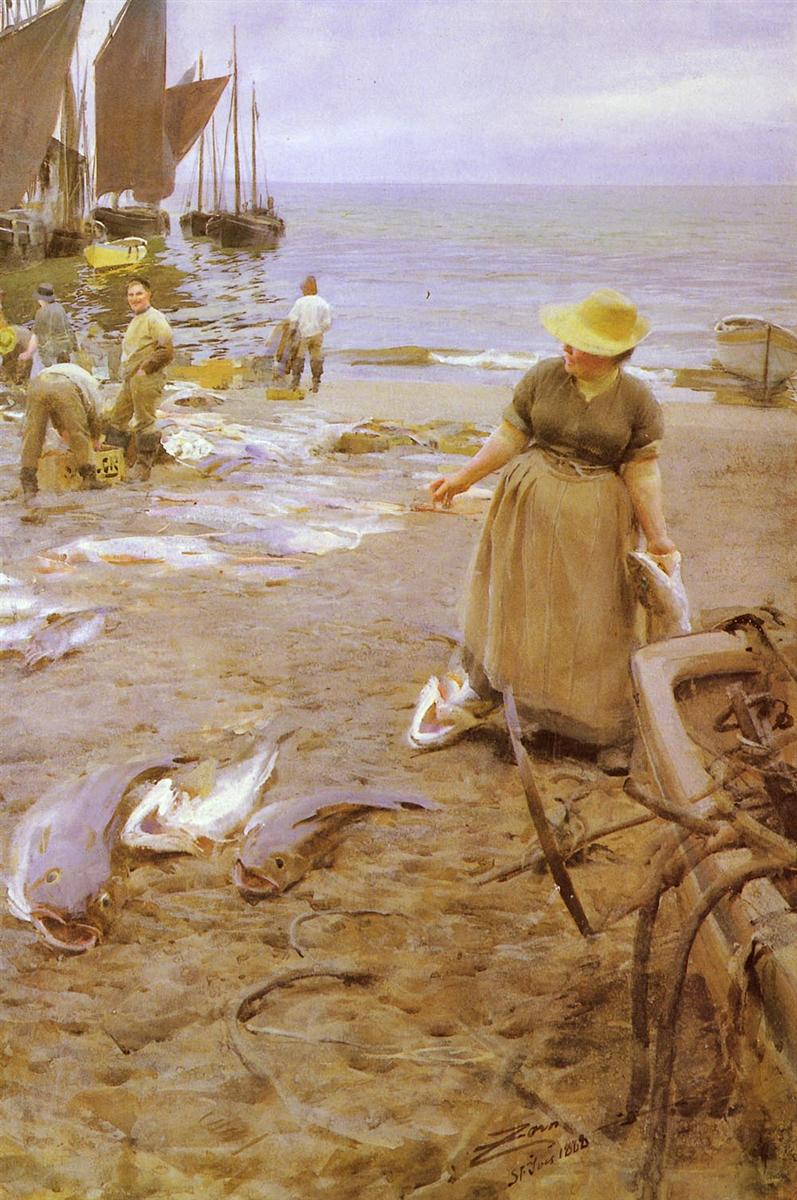
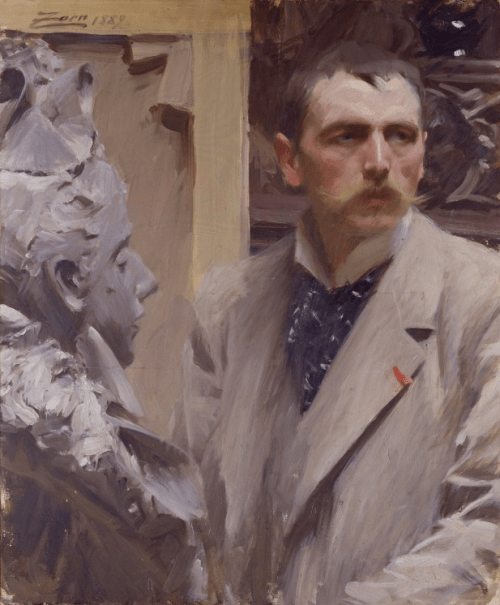
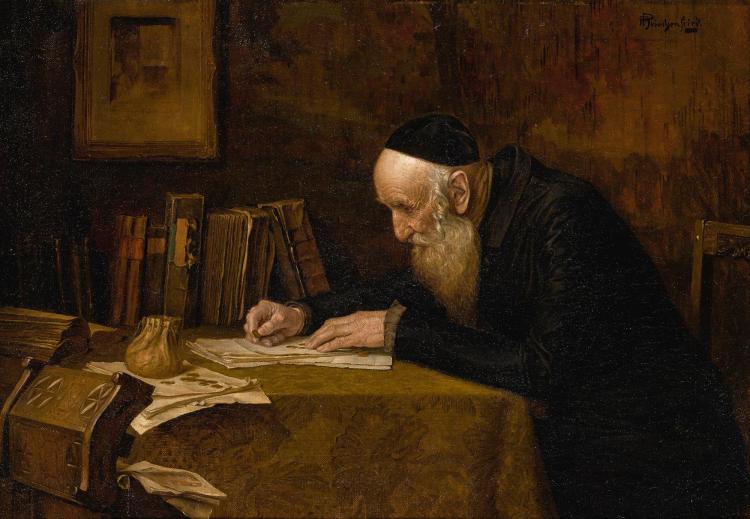
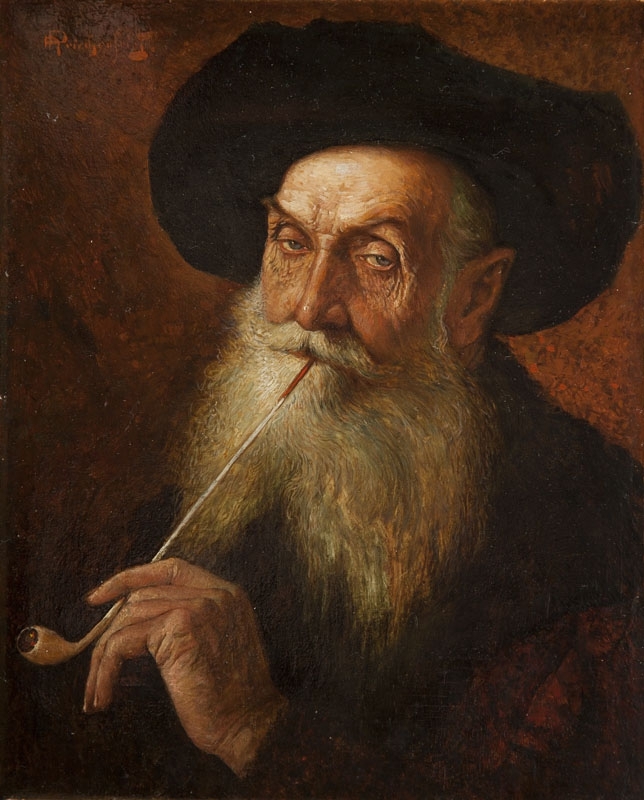




 my daily art display