

Harriet Backer’s younger sister, Agathe Ursula, became a much-heralded concert pianist and composer, who at the age of twenty-eight, married the conductor and singing teacher Olaus Andreas Grøndahl in 1875, and was thereafter known as Agathe Backer Grøndahl. When she was eighteen years of age, she studied composition under Theodor Kullak at the Akademie der Tonkunst in Berlin, where she lived together with her sister Harriet Backer. Maybe it was because of her time with her sister and during her concert tours that a number of Harriet’s paintings featured people playing the piano. Her most memorable work with that motif is her 1887 painting, Chez Moi which is housed at the Nordnorske Museum in Tromso. Once again, we are aware of Harriet using a similar motif to some of her earlier works, a single person in a room lit by light emanating from a large window. This once again highlights her accomplished technique of depicting light and shadow and how various items in the room are affected by the conditions of the light. Look at the picture frame high-up close to the window. We cannot see the painting in the frame but what she has cleverly depicted is the reflection of the slatted blind on the glass of the picture frame. Again, I would ask you to carefully study the details in this work and avoid taking things for granted. Look how she has managed to depict the texture of the green velvet chair seats. Look carefully at the chairs themselves and the way she has, through clever use of colours, brought the wood to life. The trompe l’oiel affect she has created with the depiction of the music sheets on the piano by use of shading gives them a real three-dimensional look. There is so much detail in this work which needs to be studied. Never just glance over a work of art. Take your time and examine every facet and then you will be able to appreciate the talent of a painter. It is interesting to note she never painted her sister Agathe at the piano, albeit, she did use her as a model in some of her other paintings.

Harriet Backer was awarded the State Travel Scholarship for three years in 1886. Whilst staying in Paris she was part of the artists’ circle which centred around the well-respected Norwegian novelist, poet, and playwright, Jonas Lie and his wife Thomasine Lie. Their daughter Asta Lie Isaachsen was a model in several of Harriet’s pictures, such as in the painting Chez moi. The painting went on to be awarded with a silver medal at the World Exhibition in Paris in 1889. In 1890, it was purchased for the National Gallery in Oslo.

Although Harriet based herself in Paris, she returned to Norway each summer and explored the beautiful landscapes for inspiration for her paintings. One example of this genre was her 1889 plein air work, Landskap fra Ulvin (Landscape from Ulvin). It is a work which encapsulates the wonderful colours of the intense Norwegian summer. This work is housed in the Drammens Museum in Drammen, a town to the south-west of Oslo. Sadly, very few of her landscapes are in public galleries, most being in private hands.

It was not just the Scandinavian landscapes which Harriet encapsulated in her paintings I particularly like a painting she completed around 1887 entitled Landscape in Cernay-la-Ville. Cernay-la-Ville is a small town which lies ten miles south-west of Paris and lies in the heart of the Forest of Rambouillet. In this landscape work Backer has reverted to her favoured motif of adding a single figure to a depiction. The various greens she has used in the painting are contrasted by the white bark of the silver birch trees. It is a painting which oozes calmness and tranquillity.

To barn og tregruppe (Two children and a group of trees) was another of her plein air works and is a prime example of her summer landscapes. Painting en plein air was very popular at the time in Paris. It could well be that she started the depiction outside and then took it back to her studio to complete it.

In 1888, she moved back to Norway permanently and settled in Sandvika, in the municipality of Baerum, on the outskirts of Christiania and it was here that she started giving private painting lessons. This led to her running a much sought-after painting school from 1889 until 1912, where many aspiring artists of the next generation studied. Her training proved to be of great importance as a link between the French academic tradition which she was a part of, and the new approach of the younger painters. Harriet Backer held a special position in Scandinavian art. Her art linked the realism of the late 1800s and important modern directions art took at the beginning of the 20th century.

It was during this period in her life that she focused on interiors, including those illuminated by lamplight. She began to paint interiors by lamplight, resulting in long shadows which gave the rooms a sense of mystery. At this time, she began to paint church interiors. This was a new subject for her. In 1892 whilst living in Sandvika she visited the nearby church of Tanum and it was the interior of this church which was to be featured in a number of her best-known paintings. Tanum church is one of two medieval churches in Bærum, not far from Sandvika. It was built in around 1100-1130. It is a Romanesque church, with frescoes from the 1300s, and medieval sculptures.

Christening in Tanum Church (Barnedåp i Tanum kirke) is Harriet Backer’s 1892 oil on canvas painting, which she exhibited at the Autumn Exhibition (Høstutstillingen) in Oslo during that year. A year later the painting was exhibited at the Chicago World Exposition. It is currently on display at the National Museum of Art, Architecture and Design in Oslo. The painting depicts the interior of the church where a christening is about to be held. Our viewpoint is from the darkened centre aisle of the church looking towards the open doors, through which the strong light of day can be seen streaming in. In the background we see two ladies and a man standing at the doorway waiting to enter. The lady in the centre is cradling a baby in her arms as she walks towards the church. In the right foreground of the painting we see a woman sitting on the bench at the back of the church eagerly turning around to witness the arrival of the christening party. Look at the various tones of brown Backer has used to depict the floor and pews and how it contrasts well to the blue and white structure behind the pews.

Another of Harriet Backer’s paintings featuring Tanum Church with a connection to christening and childbirth is her 1892 work entitled Inngangskoner which literally translates to Entrance Wives but is often simply referred to as Women in Church. This painting depicts a traditional local custom where mothers were blessed before attending church services after having given birth. After a child’s birth, women could not step into the church room without having been blessed and cleansed by the priest. The fact that it was painted around the same time as Christening in Tanum Church could mean that the two paintings were pendant pieces. Once again, this painting by Backer is a study of light and shade and how light affects that which it falls upon. To do this she has used a muted palette to give emphasis to the shaded area, where the women kneel with heads bowed in prayer, in stark contrast opposed to the eruption of colours as daylight hits the church windows illuminating part of the interior. Harriet Backer’s artistic skills are on display here, in the way she captures the variously illuminated surfaces as the sunlight strains into the shadowy interior of the church. The view from the church interior and out into the open allows for a striking perspective.

Harriet Backer received a commission for a painting depicting a room in the house of Thorvald Olaf Boeck. It was not just any room in his house but his beloved library. Boeck was a Norwegian civil servant, and book collector who was known for assembling what was the largest private library of its time in Norway.

Harriet Backer’s output during her lifetime was quite small, with approximately 180 pictures. It must be remembered that she started late and her painting methodology was to work thoroughly and slowly. Notwithstanding this, as early as the mid-1880s, she was acknowledged as one of the leading artists of her generation and in recent years, her paintings have drawn considerable international attention.

Harriet Backer was not only a practicing artist but played an important role in the cultural life of her country. For twenty years between 1898 and 1918 Harriet was a member of Oslo’s National Gallery’s board and purchasing committee, and in 1914 she was elected member of the jury for the jubilee exhibition in Christiania, as well as being part of the jury for the decoration of Bergen Stock Exchange in 1918.
In 1889 she became an honorary member of The Norwegian Student Society. In 1908, she received the King’s merit medal in gold, and in 1925 she was appointed knight of the 1st class of St. Olav’s Order, the same year she was elected to the Academy of the Free Arts in Stockholm and received the State Artist’s salary from 1921.

Harriet Backer, who never married, died in Oslo on March 25th, 1932, aged 87. She is buried with her parents at Vår Frelsers Cemetery (Cemetery of our Saviour) in Oslo, a resting place for many noble Norwegians, such as Edvard Munch and Henrik Ibsen. The Norwegian sculptor, Ada Madssen designed a bronze statue of Harriet Backer and her sister Agathe Backer Grøndahl which was erected in 1982 in their hometown of Holmestrand.











 The Casa de Iberoamérica, House of Ibero-America in Cadiz is located in the 18th-century building on Concepción Arenal Street on the edge of the Old Town of Cadiz. It was once the building that housed the Royal Prison. The foundation stone for the building was laid in 1794 but it was not completed until 1836. The buildings remained a prison until 1966 when it was abandoned. Subsequently, it was decided to use it as a courthouse thus preventing it from becoming a crumbling ruin. In 2006 the building was returned to the City Council, and in January 2011 it became the Casa de Iberoamérica.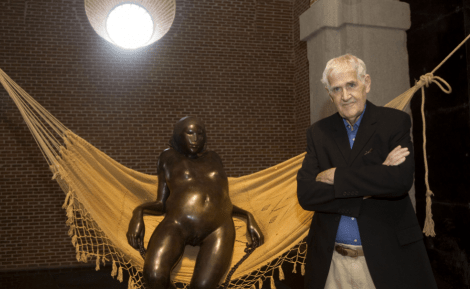
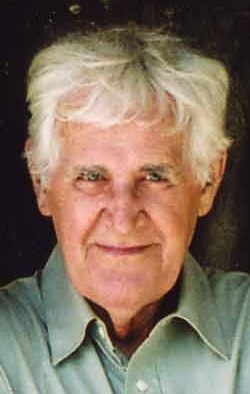
 In 1948, Zitman settled in the northern Venezuelan coastal town of Coro, where he found employment as a technical draftsman for a construction company. In that same year, he married a Dutch lady, Vera Roos, whom he had first met in The Netherlands. The couple went on to have three children, Berend, Lourens and Barbara. Much of his free time was spent painting and creating sculptures. Later, in 1949, he moved to the city of Caracas, and the following year, he found work as a furniture designer at a factory of which he later became the manager. In 1951, he was awarded the National Sculpture Prize. In 1955 he was hired by the Faculty of Architecture and Urbanism of the Universidad Central de Venezuela to teach courses in decoration, drawing, watercolour and gouache, which was then combined into a design workshop.
 In 1958, he exhibited a collection of drawings and paintings at the Museum of Contemporary Art of Caracas. That year, he decided to give up his life as a businessman and concentrate on his art and sculpture and moved with his family to the island of Grenada, where he dedicated himself completely to painting and began to affirm his style in sculpting.
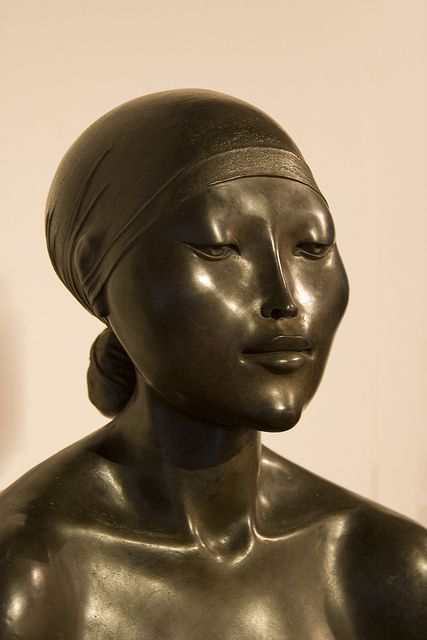 In 1961 he took part in an exhibition of Gropper Gallery in Boston. He returned to Holland, and studied foundry techniques with Pieter Starrevelt, in Amersfort, and then went back to Caracas where he was given the post as a design professor at the Architecture School of the Central University of Venezuela. In 1964 he converted an old sugar cane mill, known as a trapiche into his residence and workshop, in Caracas’ Hacienda de la Trinidad.
 In 1970, Zitman met Dina Viery, a Russian immigrant, and French art dealer, art collector and one time a model for the French painter and sculptor Astride Maillol whom she met in 1934. Viery was a great friend of Maillol during the last ten years of his life and when he died she helped establish the Musée Maillol art museum in Paris. From then on, Zitman dedicated himself exclusively to sculpture. More exhibitions of his work followed in Venezuela, France, Switzerland, the Netherlands, the United States, Japan and other countries, earning a host of national and international awards.
 Zitman died on 10 January 2016 at the age of 89. Zitman earned numerous national and international awards for his work and in 2005 he was decorated with the Knight of the Order of the Netherlands Lion.
 I will leave you with a recent write-up from the Diario de Cádiz, a Spanish-language newspaper published in Cadiz, regarding the Cornelis Zitman’s permanent exhibition at the Casa de Iberoamérica in Cadiz: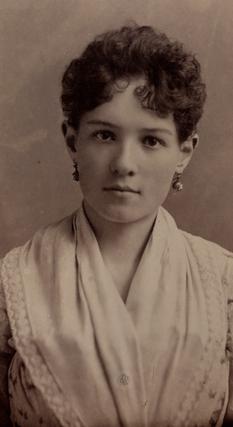


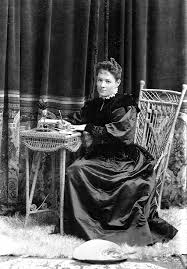
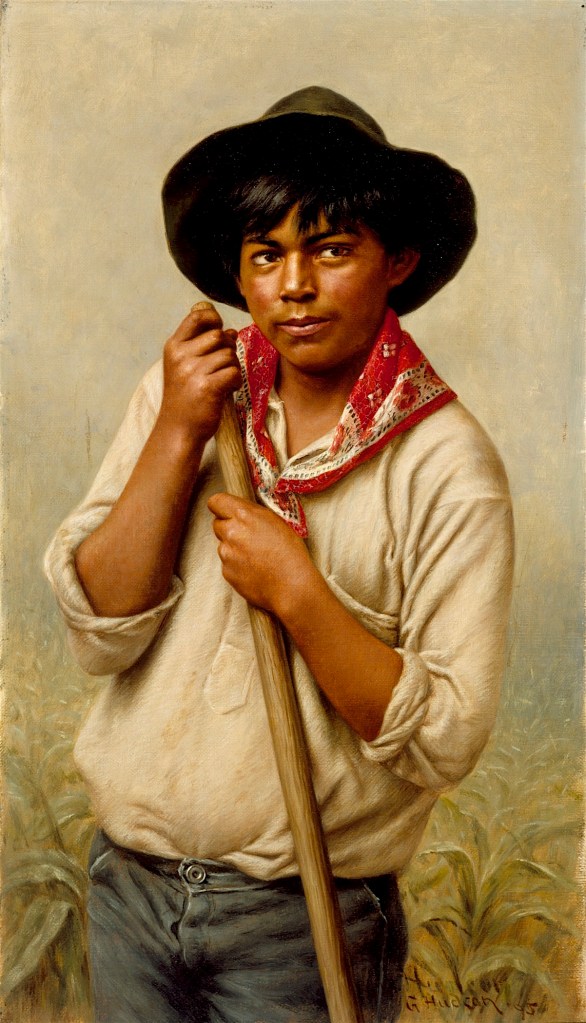
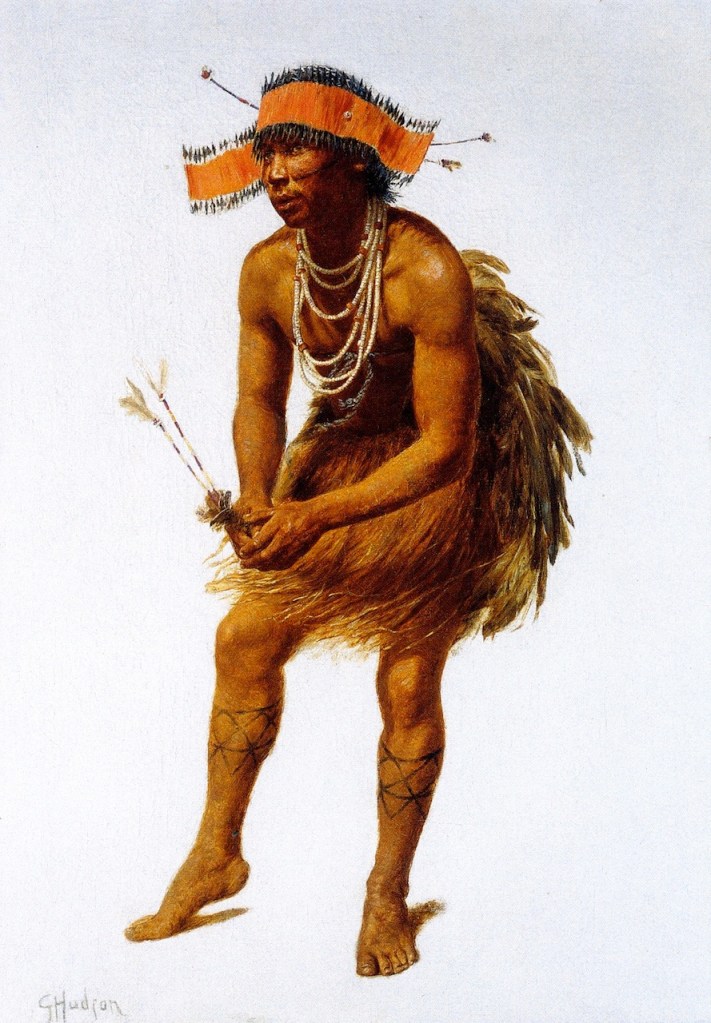
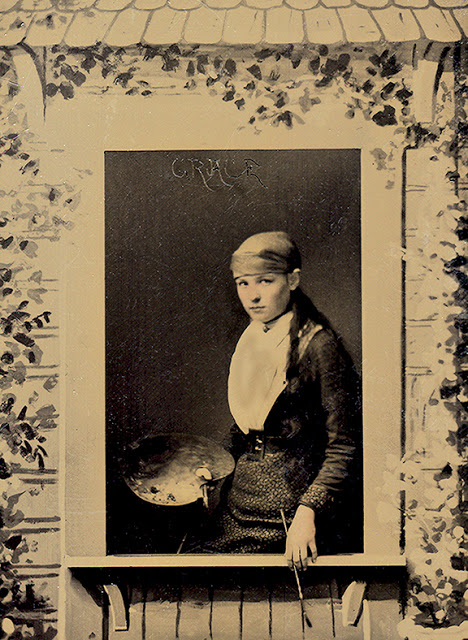

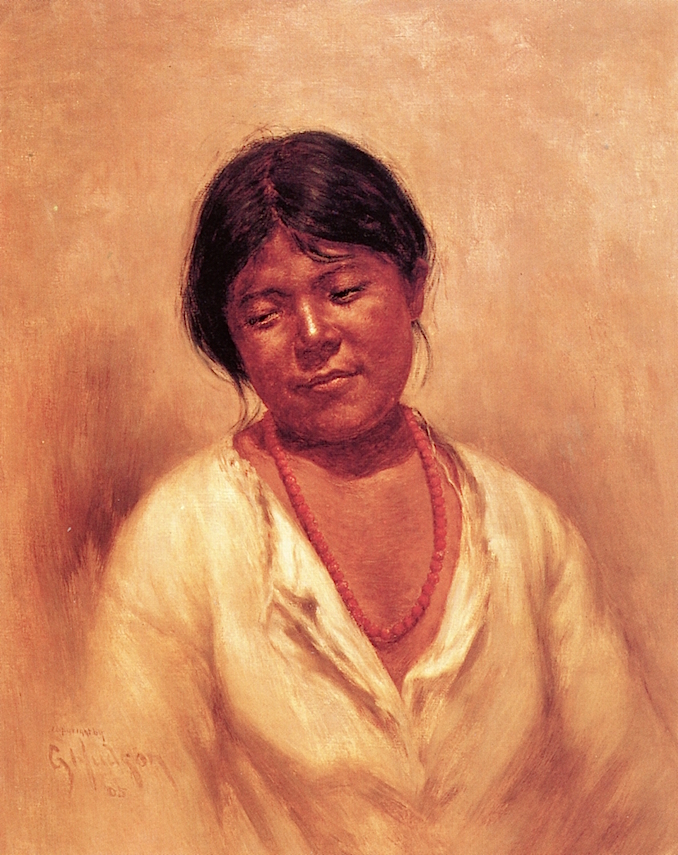

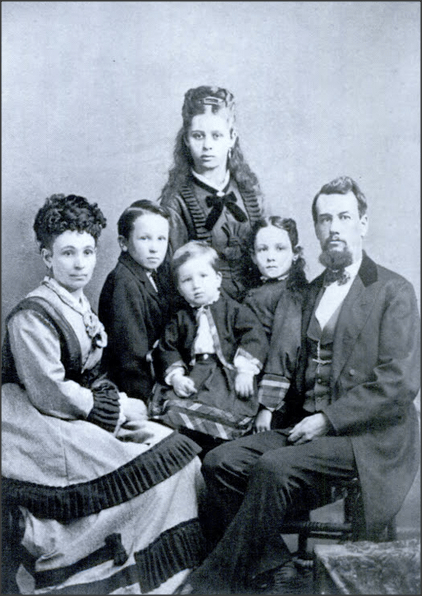
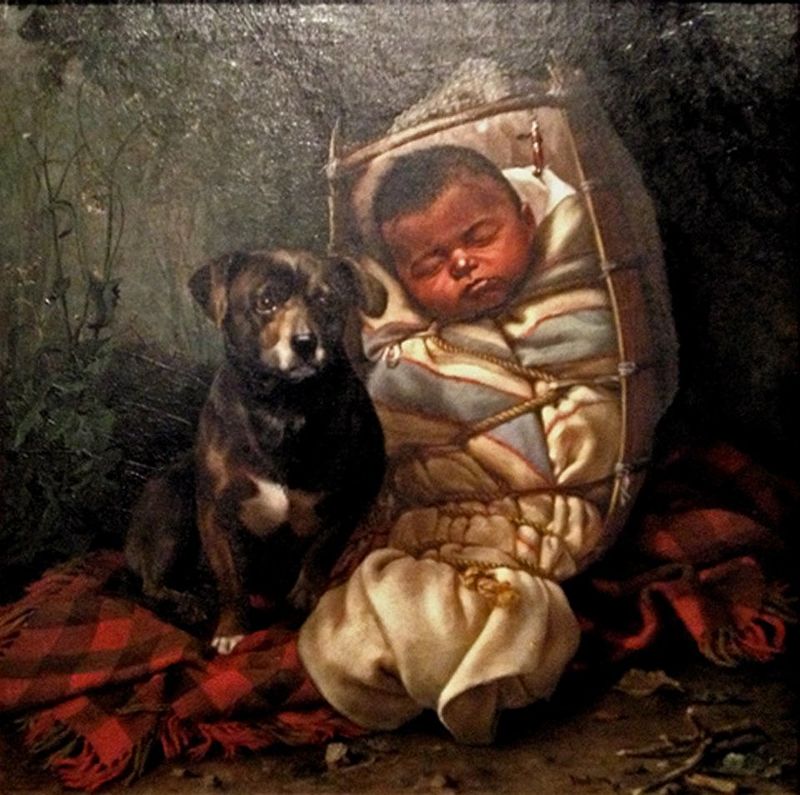

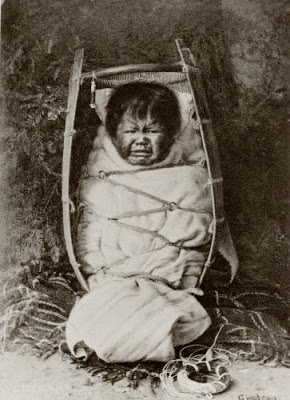
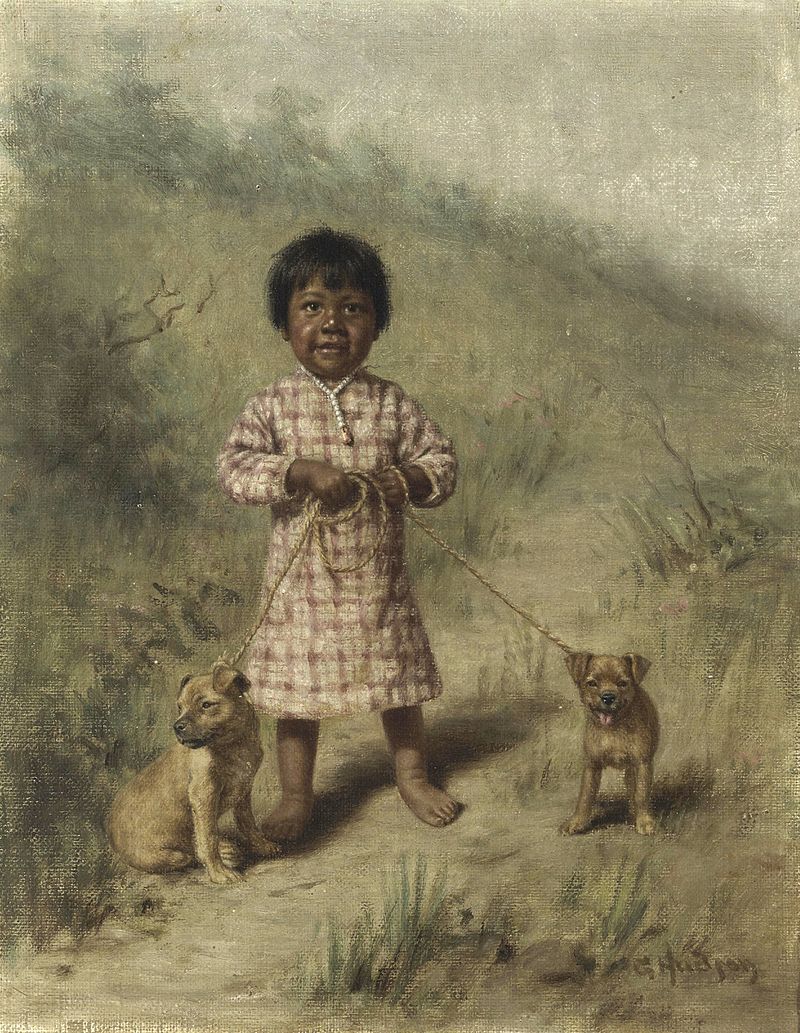
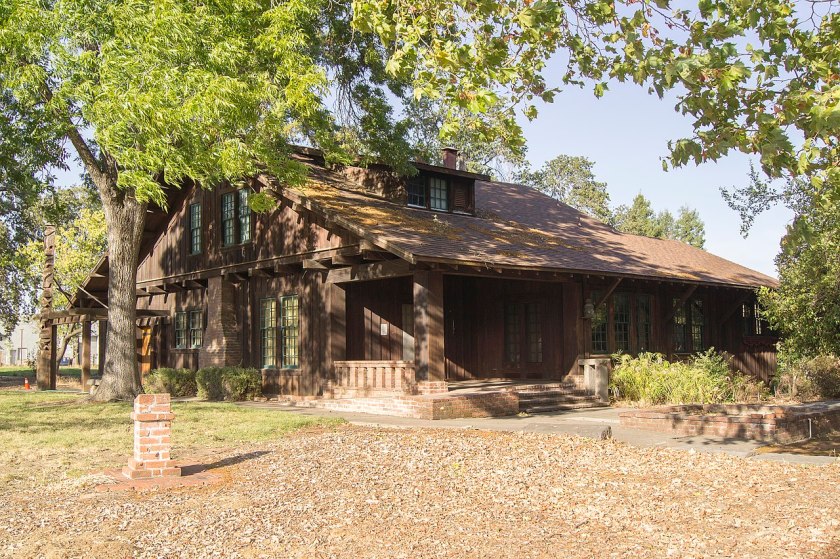


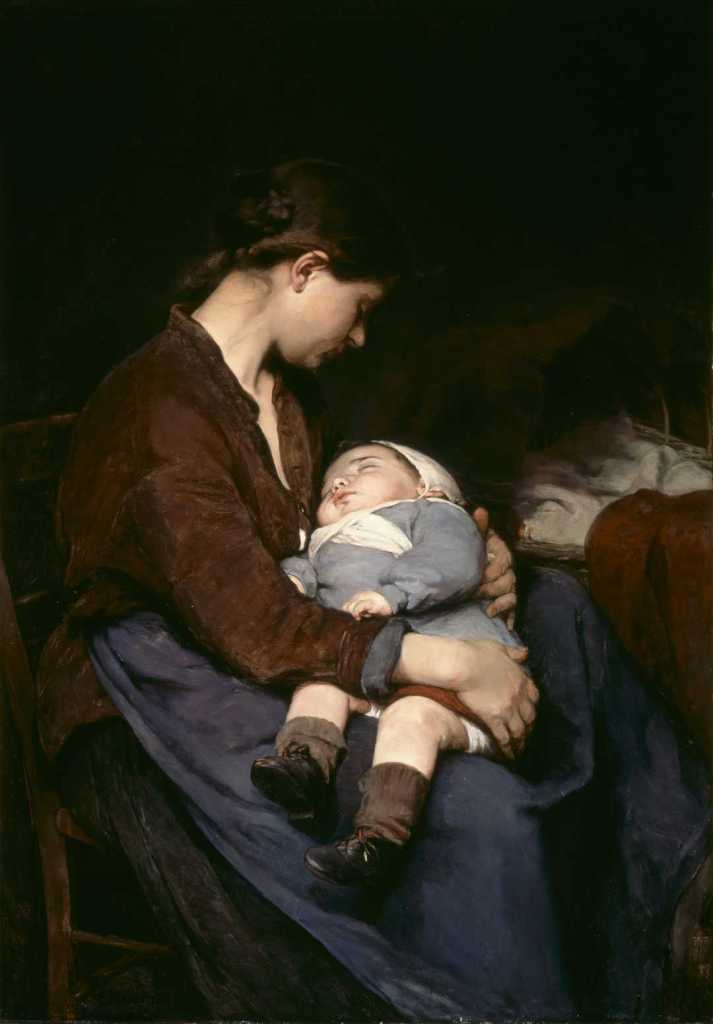
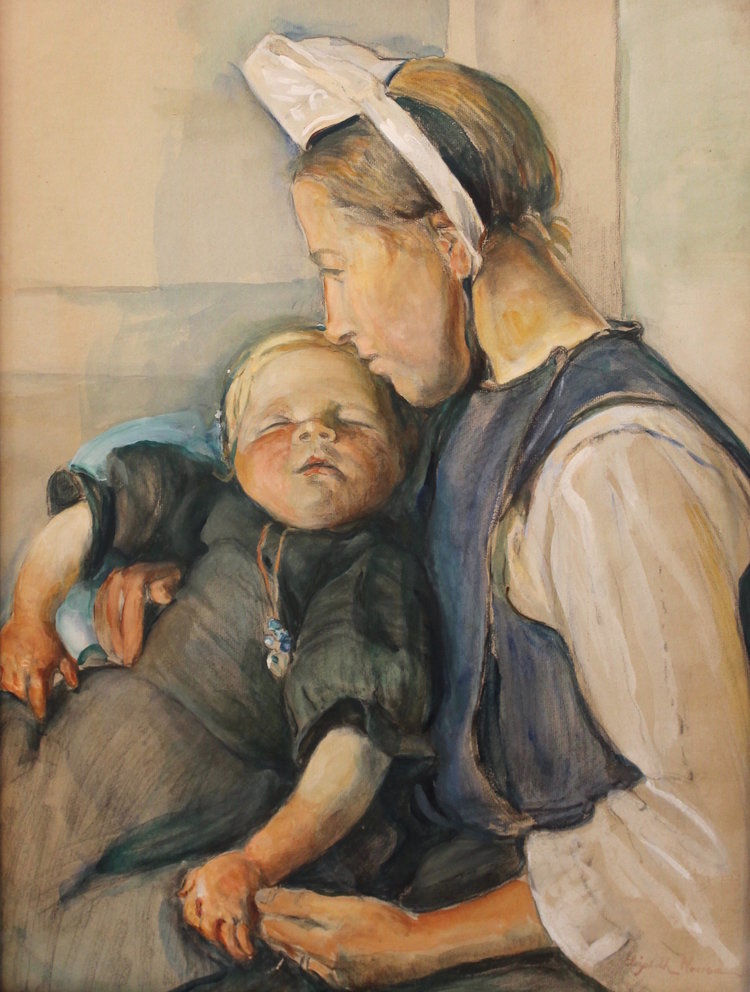


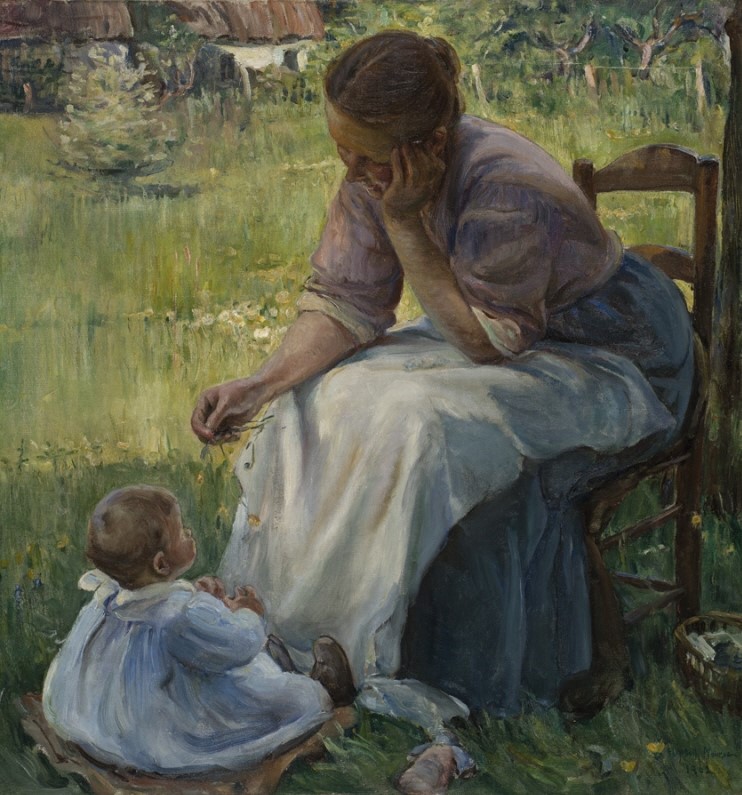
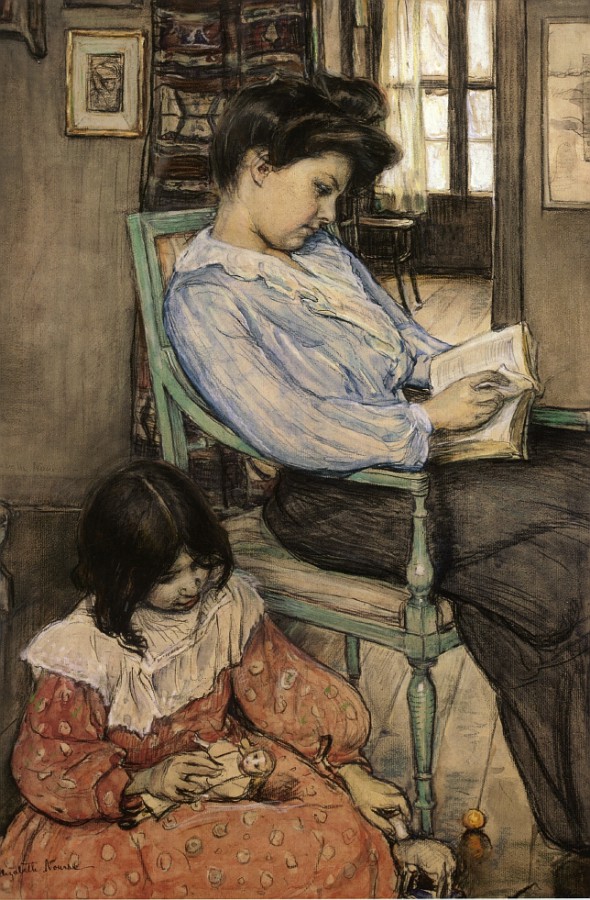

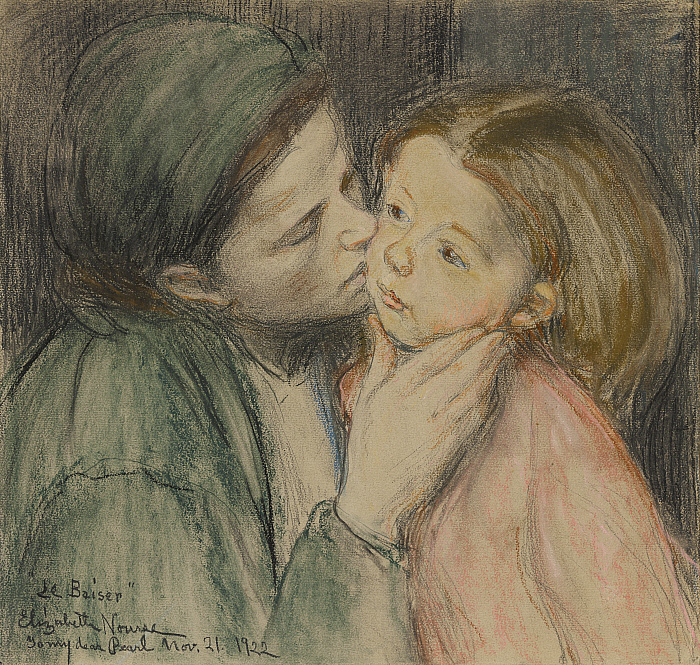

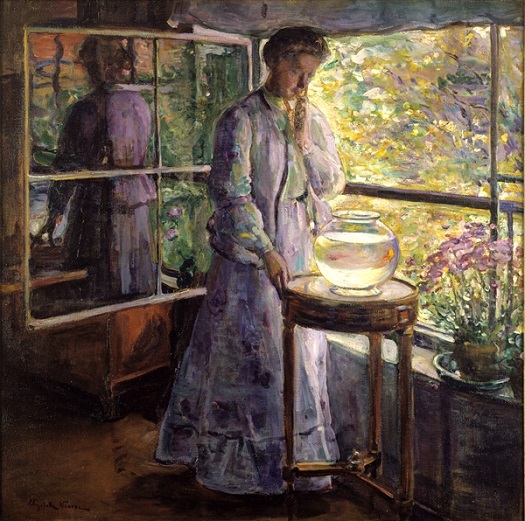
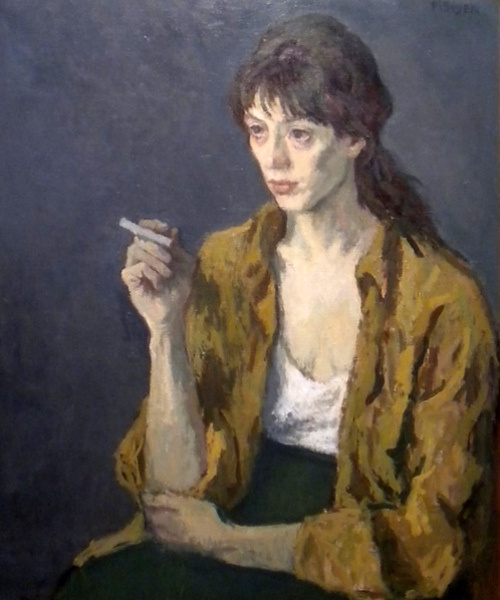

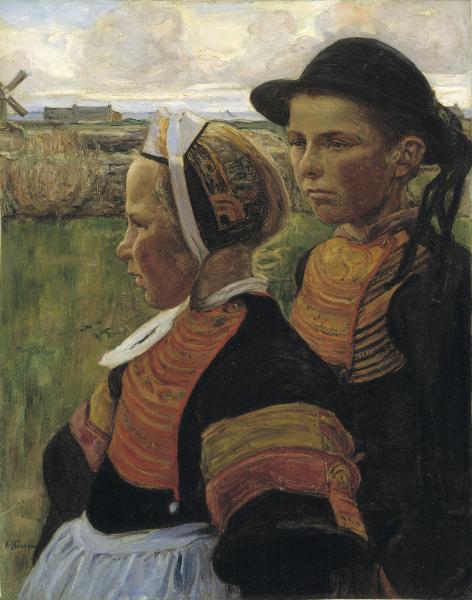
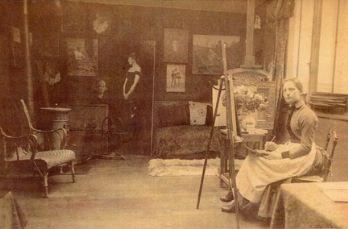

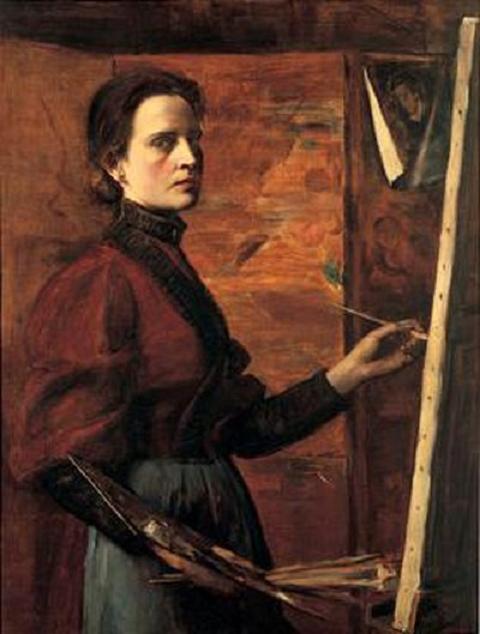
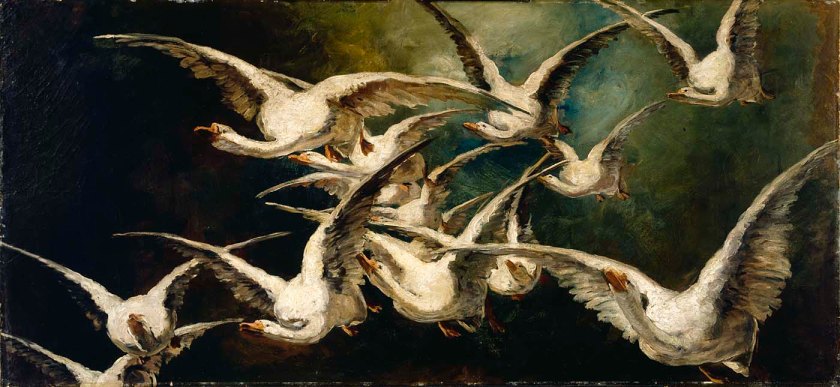

 Elizabeth and her twin, Adelaide, at the age of fifteen, went to classes at the McMicken School of Design in Cincinnati, which was open to all qualified residents, tuition-free, while her next eldest sister Louise became a teacher. The McMicken School of Design had been founded by Cincinnati resident, and real estate millionaire, Charles McMicken. In the 1850’s he donated one million dollars to the city of Cincinnati to form a university. Originally known as McMicken University, a month after the college’s founding, the university’s board of directors changed the institution’s name to the University of Cincinnati and this institution absorbed the McMicken School of Drawing and Design.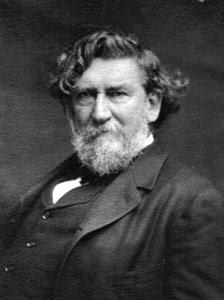



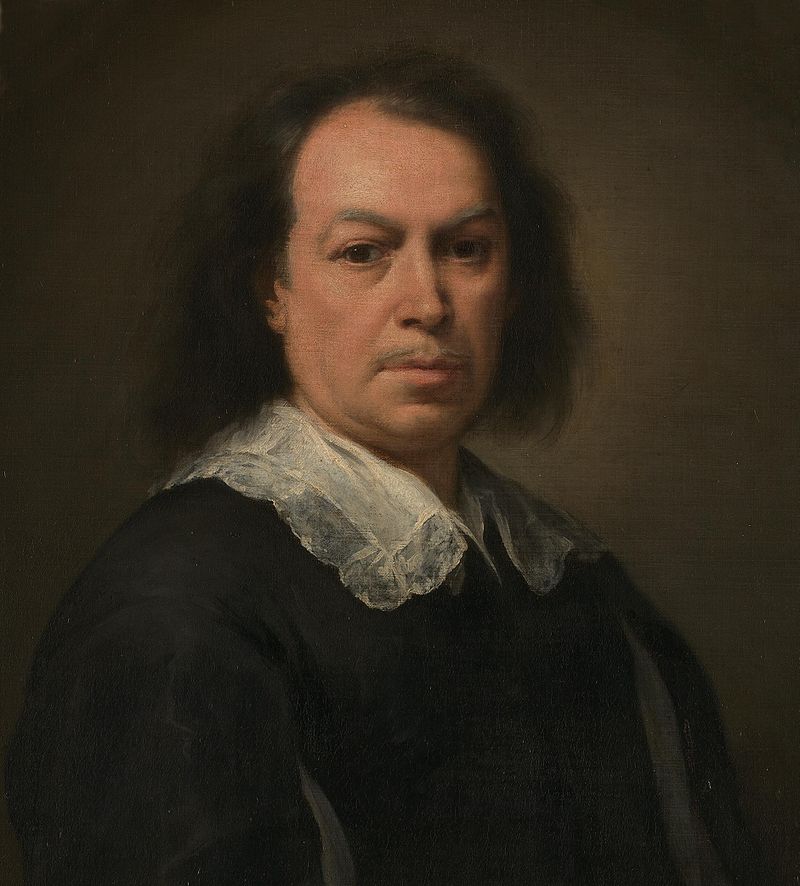
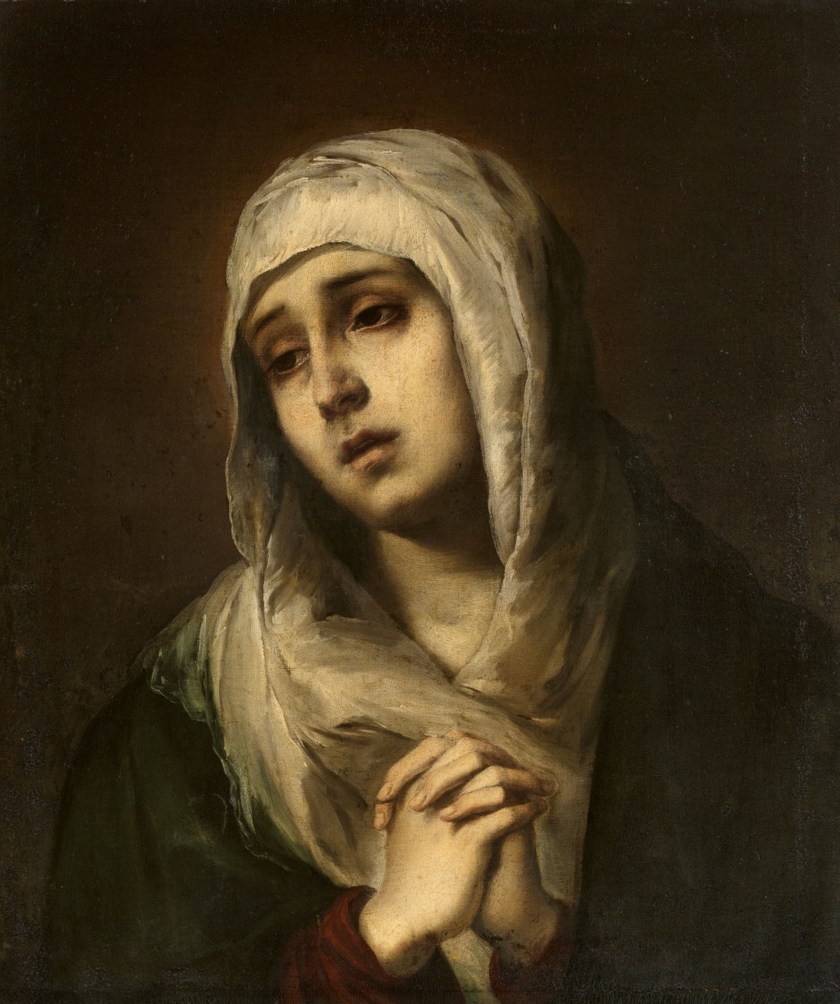
 The Seville exhibition was a collection of fifty-five paintings by Murillo from museum collections around the world. The exhibition was divided into nine sections each providing a glimpse of the world through Murillo’s eyes. The sections were designated as Holy Childhood, A family of Nazareth, Glory on Earth, The Immaculate Conception, Compassion, Penitence, Storyteller, Genre painting and Portraiture. It was a journey through his religious works to the social realism of 17th century Seville, which has been described as a city of paupers and saints, of rascals and wealthy noblemen and merchants who, through their wealth, were able to have Murillo paint their portraits.














 my daily art display