If I was to ask you to name one famous museum of art in Russia I think most of you would give me the Hermitage in St Petersburg but actually the State Tretyakov Gallery in Moscow has the largest collection of paintings by Russian artists in the world and includes numerous portraits by them, some of who may be better known for their non-portraiture works. In the next few blogs I am going to look at the genre of portraiture and in particular Russian portraiture held at this great institution. To start, let me tell you a little about the Gallery itself.
Pavel Tretyakov (1871)
To talk about the Tretyakov Gallery one must first speak about its founder, Pavel Tretyakov. Pavel’s ancestors came from the town of Maloyaroslavets which lies sixty miles south-west of Moscow. His great grandfather was a merchant who had brought his family to Moscow in 1774. In 1801 Pavel Tretyakov’s father Mikhail was born. Mikhail turned out to be an astute and very successful businessman whose shops, which he ran with his brother Sergei, sold textiles. On his brother’s death in 1831, aged just twenty-five, Mikhail became the head of the family business. In the same year that his brother died, Mikhail married Alexandra Borisova, the daughter of a wealthy merchant and a year later, in 1832, the couple had the first of their eight children, a son Pavel. As a teenager Pavel helped his father in the shop. In 1850, when Pavel was eighteen years of age, his forty-nine-year-old father died. The business was then headed up by Mikhail’s widow who in 1859 relinquished control of it, making her sons Pavel and Sergei joint partners in the company and the brothers made their sister Elizaveta’s husband, Vladimir Konshin, the third partner. In August 1865 Pavel married Vera Nikolaevna and the couple went on to have six children.
Tretyakov’s portrait by Ilya Repin (1883)
The Tretyakov family bought a house on Lavrushinsky Pereulok in the Zamoskvoreche district of Moscow at the end of 1851. This was a district where merchants used to congregate during the nineteenth century. The following year, whilst visiting St Petersburg on a business trip, Pavel Tretyakov became fascinated with art and he decided to buy eleven simple drawings from a book shop at Sukhareva Market which he used to visit when he was in the city. This was followed by the purchase of oil paintings by Old Dutch Masters. Although not rich enough to buy paintings by contemporary Russian artists, in 1856, he raised enough money to buy two paintings which are, to this day, believed to be the first two paintings of the Tretyakov collection.
Skirmish with Finnish Smugglers by Basil Khudyakov
One was entitled Skirmish with Finnish Smugglers, painted by Vasily Khudyakov and the other was entitled Temptation by Nikolai Shilder.
The Temptation by Nikolai Schilder (1856)
Pavel was a tireless worker and secured his family financially but was always careful with his money. In a letter to his daughter he wrote:
“…Money should serve better purposes, than just be wasted for everyday needs………. Since my early age I knew, that acquired from the society should return to the society in some useful to it form. … Living conditions should never allow a person to live idle…”
Pavel’s art collection grew each year and he had special outbuildings added to the family’s main residence to house them. For the next four decades, he committed large amounts of money to develop and enlarge his collection. His dream was to house a collection of national portraits within his gallery to commemorate prominent Russians in public, intellectual and cultural life and to achieve that aim he commissioned Russia’s leading painters to portray them. Tretyakov donated the museum and his collection of almost two thousand works of art to the city of Moscow in 1892. The official opening of the museum called the Moscow City Gallery of Pavel and Sergei Tretyakov took place on August 15th, 1893. Pavel Tretyakov died in 1898 and four years later the residence in Lavrushinsky Pereulok was redesigned transforming the private house into the current great museum with its famous façade designed by the artist Viktor Vasnetsov.
The State Tretyakov Gallery in Moscow
In June 1918, the Tretyakov Gallery was declared as being owned by the Russian Federated Soviet Republic and was named the State Tretyakov Gallery. Today, it forms the core of the State Tretyakov Gallery, Russia’s national gallery in Moscow and is acknowledged as the greatest collection of Russian art in the world. In total it houses more than 170,000 works of art ranging from early religious icons to modern art and it spans a period of a thousand years.
In my next blog I will start to look at some of the work by famous Russian artists whose works grace the walls of the Tretyakov.
Today’s is a shorter blog. It is going to be an unusual blog for me as I am not showcasing an artist or a painting. I am going to look at the work and the life of a sculptor. I have never been a great lover of sculpture even though I know it is a skilful art form, but it is just not for me. So why the blog?
Casa de Iberoamérica, Cadiz, Spain
The reason for looking at this sculptor and his work is that I happened to see some of his sculptures whilst walking around the old part of Cadiz a fortnight ago and happened upon the Casa de Iberoamérica. The definition of the term Ibero-America or Iberian America is that it is a region in the Americas comprising of countries or territories where Spanish or Portuguese are the predominant languages and are usually former territories of Portugal or Spain.
The Casa de Iberoamérica, House of Ibero-America in Cadiz is located in the 18th-century building on Concepción Arenal Street on the edge of the Old Town of Cadiz. It was once the building that housed the Royal Prison. The foundation stone for the building was laid in 1794 but it was not completed until 1836. The buildings remained a prison until 1966 when it was abandoned. Subsequently, it was decided to use it as a courthouse thus preventing it from becoming a crumbling ruin. In 2006 the building was returned to the City Council, and in January 2011 it became the Casa de Iberoamérica.
Cornelis Zitman at the opening of his exhibition in Cadiz
On entering the sumptuous marble-floored building I found that its permanent exhibition on the ground floor highlighted the work of the Dutch-born sculptor Cornelis Zitman. The exhibition comprised of 78 pieces, of which 49 were sculptures, 28 drawings, and a single oil painting. The selection on show was made up of pieces from Zitman’s whole career, from 1946 to 2007.
Cornelis Zitman in 2006.
Carlos Zitman was born to a family of construction workers in Leiden, in the Netherlands on November 9th, 1926. He studied drawing at the Academy of Fine Arts in Leiden and at the age of sixteen, Zitman enrolled in the painting classes at the Royal Academy of Art in The Hague. Following the completion of his studies there in 1947 he was called up to serve in the Dutch military in Indonesia but he refused on the grounds that he disagreed with the Netherlands’ political actions in that country, and so, to avoid incarceration, fled the country aboard a Swedish oil tanker that was bound for the oil fields of Aruba and Venezuela.
In 1948, Zitman settled in the northern Venezuelan coastal town of Coro, where he found employment as a technical draftsman for a construction company. In that same year, he married a Dutch lady, Vera Roos, whom he had first met in The Netherlands. The couple went on to have three children, Berend, Lourens and Barbara. Much of his free time was spent painting and creating sculptures. Later, in 1949, he moved to the city of Caracas, and the following year, he found work as a furniture designer at a factory of which he later became the manager. In 1951, he was awarded the National Sculpture Prize. In 1955 he was hired by the Faculty of Architecture and Urbanism of the Universidad Central de Venezuela to teach courses in decoration, drawing, watercolour and gouache, which was then combined into a design workshop.
In 1958, he exhibited a collection of drawings and paintings at the Museum of Contemporary Art of Caracas. That year, he decided to give up his life as a businessman and concentrate on his art and sculpture and moved with his family to the island of Grenada, where he dedicated himself completely to painting and began to affirm his style in sculpting.
In 1961 he took part in an exhibition of Gropper Gallery in Boston. He returned to Holland, and studied foundry techniques with Pieter Starrevelt, in Amersfort, and then went back to Caracas where he was given the post as a design professor at the Architecture School of the Central University of Venezuela. In 1964 he converted an old sugar cane mill, known as a trapiche into his residence and workshop, in Caracas’ Hacienda de la Trinidad.
In 1970, Zitman met Dina Viery, a Russian immigrant, and French art dealer, art collector and one time a model for the French painter and sculptor Astride Maillol whom she met in 1934. Viery was a great friend of Maillol during the last ten years of his life and when he died she helped establish the Musée Maillol art museum in Paris. From then on, Zitman dedicated himself exclusively to sculpture. More exhibitions of his work followed in Venezuela, France, Switzerland, the Netherlands, the United States, Japan and other countries, earning a host of national and international awards.
Zitman died on 10 January 2016 at the age of 89. Zitman earned numerous national and international awards for his work and in 2005 he was decorated with the Knight of the Order of the Netherlands Lion.
I will leave you with a recent write-up from the Diario de Cádiz, a Spanish-language newspaper published in Cadiz, regarding the Cornelis Zitman’s permanent exhibition at the Casa de Iberoamérica in Cadiz:
“…The sculpture by Cornelis Zitman bases a style and a language generated from various positions and that he gets to make them extremely personal. On the one hand, we find references to the plastic strength and forceful sense of the static of Arístides Maillol; he also drinks the source of that volumetric reductionism that characterized a part of the work of Henri Moore and, in Zitman with much more creative intensity, the generous bodies of Fernando Botero. In that supposed shaker would have to take a meticulous observation of reality, of everyday life; a spark of ingenuity, a knowledge of the autochthonous and an overdose of decisive drawing that shapes the forms and accentuates the powerful modeling. With all of them we obtain a brave, pure work, without artifice, a sculpture that vindicates the great plastic manifestation so unfortunately forgotten in the most immediate art…”
……….when I arrived at the Museo de Bellas Artes in Seville I was pleasantly surprised to see that there was a special exhibition on marking the 400th anniversary of Seville’s great painter Bartolomé Estaban Murillo. It had opened in November 2018 and was still running. The city of Seville had been celebrating the 400th anniversary of his birth for the last twelve months and this exhibition, which ends in April, was the culmination of the celebrations.
Self-portrait by Murillo
Murillo came from a very large family, the youngest of fourteen children. His father was both a barber and a surgeon. His parents died when he was young and he went to live with a distant relative and artist, Juan del Castillo who started Murillo’s artistic education. He stayed with Castillo until 1639 when his mentor had to move to Cadiz. Now Murillo, aged twenty-two, had to fend for himself and scraped a living by selling some of his paintings. In 1643 he travelled to Madrid where he met Velazquez who was also from Seville and had now become a master of his craft. He took pity on Murillo and let him lodge in his house. Murillo stayed in Madrid for two years before returning to Seville. In 1648, at the age of thirty-one, Murillo married a wealthy lady of rank, Doña Beatriz de Cabrera y Sotomayor. Murillo died in 1682 aged 64. He lived a humble and pious life and was a brave man. On his death he left a son and daughter, his wife having died before him.
The Seville exhibition was a collection of fifty-five paintings by Murillo from museum collections around the world. The exhibition was divided into nine sections each providing a glimpse of the world through Murillo’s eyes. The sections were designated as Holy Childhood, A family of Nazareth, Glory on Earth, The Immaculate Conception, Compassion, Penitence, Storyteller, Genre painting and Portraiture. It was a journey through his religious works to the social realism of 17th century Seville, which has been described as a city of paupers and saints, of rascals and wealthy noblemen and merchants who, through their wealth, were able to have Murillo paint their portraits.
The Good Shepherd by Murillo (1665)
In the first section, there was the Prado-owned painting entitled The Good Shepherd, which Murillo completed in 1665. The scene has a rural setting along with classical allusions in the form of archaeological ruins which we can see in the left background. Jesus is portrayed as the boy who exudes an air of determination as he holds his shepherd’s crook in one hand whilst his left-hand lies across the back of the animal. There is a certain gentleness about the scene and the sheep, seen with the boy, represents the Agnus Dei (Lamb of God), which is talked about in the scriptures. The depiction of the lamb as being obedient and submissive is all part of the divine plan.
The Holy Family with the Infant St John by Murillo (c.1670)
One of Murillo’s paintings in the Family of Nazareth section was The Holy Family with Infant Saint John, which Murillo completed around 1670 and was loaned to the Seville gallery by Budapest Museum of Fine Arts. This was a pendant painting forming a pair with his work The Flight into Egypt, which was also on show. In the depiction, we see Saint Joseph, in the background, with his carpentry tools. In the foreground, we see the Christ Child and the young Saint John busily tying two sticks together to form a cross. Mary watches over the children as she busies herself sewing. A sense of depth has been added to the composition by the inclusion of a background of mountains and clouds.
The Holy Family (The Heavenly and Earthly Trinities) by Bartolomé Esteban Murillo, (1675-1682)
In the third section, Glory on Earth we have the Murillo painting The Holy Family (The Heavenly and Earthly Trinities) which was loaned to the museum for this exhibition by London’s National Gallery. This work of art encapsulates the religious theory that Jesus is both God and man and thus belongs to both the Heavenly Trilogy of God the Father, God the Son and God the Holy Spirit as well as belonging to the Earthly Trinity – the family from Nazareth as seen in the painting with Jesus’ closeness to his mother, the Virgin Mary and his father, her husband Saint Joseph.
The Annunciation by Murillo (c.1660)
Murillo completed many paintings featuring the Virgin Mary and many were on show at the exhibition. The Annunciation by Murillo, which he completed around 1660 and had been loaned out by the Prado, was a great example of this focus on the Mother of God.
The Virgin and the Rosary by Murillo (c.1680)
The Dulwich Gallery-owned work by Murillo entitled The Virgin and the Rosary was also on view. In this work we see the Virgin seated on a throne of clouds floating in the celestial sphere and unlike other versions of this work by the Seville painter, clouds and angels have now been added to become her throne and footstool.
Mater Dolorosa by Murillo (1670-1675)
One of my favourite pieces of religious art by Murillo, which was at the exhibition, was Mater Dolorosa an artwork, which was part of a private collection belonging to a Dutch family. Mater Dolorosa or Our Lady of Sorrows refers to the sorrows in the life of the Virgin Mary and is a key subject for what is termed Marian art in the Catholic Church. In 1939 when the painting was bought from the Amsterdam art dealership, de Boer, by a private Dutch buyer, there was some doubt as to whether this painting was by Murillo but the German art historian August Lieberman Mayer, who was one of the most prominent art historians of the early 20th century and the era’s leading specialist for 17th century Spanish painting, wrote to the new owner stating his belief that it had been painted by Murillo. In his letter dated July 12th, 1939, he wrote:
“…I deeply regret, that actually I cannot make a new edition of my book in „Klassiker der Kunst“, but I hope to publish another monography of Murillo in Spain“ The picture is, in my opinion, a very fine, well preserved, genuine and most characteristic work by B. Murillo, executed most probably about 1668, the period, I consider the best and most powerful of the master. I reserve me the right of the first publication of this important and impressive work..”
Despite Mayer’s opinion, many art scholars still question his attribution. August Mayer never did publish another work on the Spanish master. As a Jew, he was forced to leave his offices in Munich by the Nazis. He then fled to Paris in 1936 but was later arrested and was deported to Auschwitz in 1944 where he died.
I am not a great lover of religious art, probably not due to the quality of the work but more to do with the subject matter. I was therefore very pleased that after seven rooms of religious painting the final two rooms were devoted to Murillo’s genre paintings and his portraiture.
A Peasant Boy leaning on a sill by Murillo (c.1675)
I especially liked Murillo’s painting A Peasant Boy Leaning on a Sill, which he completed around 1675. When London’s National Gallery acquired this work in 1826, it was the first Spanish painting to enter the museum’s collection. The National Gallery of London loaned this to the Museo de Bellas Artes for the Murillo exhibition. This striking depiction of a cheerful boy is related to Murillo’s depictions of street urchins in his larger canvases. We see the boy at a window, the implication being that there is a lot going on that we are not aware of and so we have to be satisfied with what we have before us. So what else is going on? What has been excluded from the depiction? What is the boy looking at? Some would have us believe that this work had a companion piece painted by Murillo, which was to be hung to the right of this one which would allow us to see what the boy was looking at.
Young Girl Lifting her Veil by Murillo
That suggested pendant piece was Young Girl Lifting Her Veil, (which is privately owned and was not included at the Seville exhibition). However, many art historians cast doubt on the two paintings being pendant pieces but the fact is that they were painted around the same time, they are both half-length depictions and are of similar size. I have included the Young Girl Lifting her Veil and let you decide whether the two paintings hung side by side on a wall would add to your belief that they were pendant pieces. Was this beautiful girl the subject of the boy’s gaze? Some think that the boy’s demeanour has an air of mischief about it and his expression was not instilled with innocent sincerity, like that of the girl. I will leave you with one further clue. At the sale of the two works at the Peter Coxe London saleroom on March 20th, 1806 of paintings owned by the Marquess of Lansdowne, the catalogue described them as:
“…No.50. Murillo. A Laughing Boy – delicately treated in every part – one of those performances so rare to be met with, & in his best style of perfection.
No.51. Murillo. Portrait of a girl treated with the same tone of harmonious colouring, as the preceding Lot, to which it is a companion, in the same happy effect of management…”
The two paintings were sold at the auction to separate buyers.
Four Figures on a Step by Murillo (1655-1660)
The most bizarre painting at the exhibition, and one I particularly like, is Four Figures on a Step, which is owned by the Kimbell Art Museum of Fort Worth, Texas. At first sight, I thought somebody had defaced the painting by adding a pair of thick black spectacles to the woman on the right.
Before us, we have four very different characters. In the central background, we have a young woman. Her face is somewhat distorted into a smile, even a knowing wink, as she raises her scarf over her head. What is the significance of the gesture? Art historians have hypothesised that it is a coquettish gesture whilst others say that that is reading too much into her manner stating that the depiction is a simple scene with a family scrutinising the goings-on in the street outside. However, the scene to many historians is to associate it with one of procurement. Procurement? They would have us believe that the older women with the thick dark glasses, resembles the character of a Celestina, an aged prostitute, madam, and procuress, of Spanish literature. The old procuress, Celestina, comes from the 1499 book La Celestina, which is considered to be one of the greatest works of all Spanish literature, a timeless story of love, morality, and tragedy by Fernando de Rojas. The Celestina is often represented as a crone wearing enormous glasses and a headscarf hence the belief that Murillo’s painting includes a procuress! So, if she is procuring, is she offering the man the pleasures of the young woman? More conservative historians point to the fact that on the contrary to the Celestina idea, the mature woman also resembles the bespectacled characters in Dutch and Flemish genre paintings, which Murillo would have seen.
The possible “procuress” is seen cradling the head of a young boy whose bottom is exposed by his torn breeches. In less liberal times Murillo’s depiction of the bare bottom had offended the public and had been over-painted for reasons of regaining a modicum of modesty but the painting now, after restoration, is seen as Murillo intended.
So the question I leave you with is this depiction simply a portrayal of the colourful characters to be found in the streets of Seville, or does the painting carry a reproachful, message, urging the viewers to avoid enticements of worldly decadences?
Portrait of Juan de Saavedra by Murillo (1650)
In the final room of the exhibition, we have Murillo’s portraiture. Murillo’s earliest dated portrait is a newly discovered canvas, which depicts Juan Arias de Saavedra y Ramírez de Arellano an aristocrat from Seville and one of Murillo’s patrons. The subject of the painting was a knight in the Order of Santiago as indicated by both the red cross on his left shoulder and the pendant with a scallop shell. The portrait is shown as being in a stone frame, which includes the sitter’s coat of arms. Murillo often used this stone-frame device in his bust-length portraiture. Also in the painting are two putti each holding a tablet. The one held by the putti on the left records the age of the sitter as twenty-nine while the one on the right has the date on which the portrait was painted – 1650. Below the portrait, there is a lengthy Latin inscription which is about Saavedra. Saavedra, it states, was a senior minister of the Holy Inquisition and is described in the inscription as a “profound connoisseur of the liberal arts, and of painting in particular”. The inscription also includes a passage by Murillo, which offers convincing proof of the connection between the artist and the nobleman with Murillo admitting his gratitude and sincere regard for Saavedra.
Portrait of Josua van Belle by Murillo (1670)
My last offering for this blog is another work of portraiture by Murillo, which was loaned to the Seville museum by the National Gallery of Ireland. The sitter is Josua van Belle. He was born in Rotterdam and became a Dutch shipping merchant who lived for a period in Cadiz and Seville, where this portrait was painted in 1670. Van Belle was a celebrated art collector and amongst his collection of paintings, was Johannes Vermeer’s Woman Writing a Letter, with her Maid, which also resides in the National Gallery of Ireland. This portrait is looked upon as one of Murillo’s finest.
The Museo de Bellas Artes’ exhibition was excellent, full of beautiful masterpieces by Murillo and you have until the last day of March to visit this Sevilla exhibition.
Having decided to escape the cold and miserable weather of Britain for a short period I find myself in the warmth of the Algarve soaking up the sun and staring out at the blue sky and sea whilst reading about blizzard and gale-force conditions back home. Ok, that’s enough schadenfreude for one day. However, it is my location that leads me on to the next few blogs – not the Algarve but its neighbour Andalusia which I visited last week and enjoyed the delights of the beautiful city of Seville. I think I was most impressed by the city’s architecture and it is a timely reminder for me to walk more upright and look above eye level instead of concentrating on the pavement – old age can be a challenge!
Museum courtyard
I always try and visit at least one art gallery if I visit a large city so when I arrived in the Andalusian city of Seville and after settling into the hotel, I headed for Museo de Bellas Artes de Sevilla. Some art galleries/museums can be large and soulless with just a never-ending series of rooms. I particularly like ones, which are different and have had a usage prior to becoming a museum, such as a place of residence or a religious institution, which then come with ornate decorations.
The garden of Museo Sorolla, Madrid
One of the best I have visited was the Museo Sorolla in Madrid which albeit smaller in size in comparison to the much bigger art institutions in the city and, despite featuring only the works of Joaquin Sorolla, it was a true joy to behold and one I insist you visit when in the Spanish capital. The building was originally the artist’s house and was transformed into a museum after the death of his widow, Clotilde, in 1929. The museum was eventually opened in 1932.
Museo de Bellas Artes de Sevilla
The Museo de Bellas Artes de Sevilla was originally home to the convent of the Order of the Merced Calzada de la Asunción, founded on the site by Saint Peter Nolasco, shortly after the re-conquest of Seville by the Christians in 1248. The building itself was built in 1594, but did not become a museum until 1839, following the desamortizacion, the name given to the Spanish government’s seizure and sale of property, including from the Catholic Church, from the late 18th century to the early 20th century which resulted in the shutting down of religious monasteries and convents. The building we see today, with the galleries arranged on two floors around three quiet courtyards and a central staircase, was largely the work of Juan de Oviedo y de la Bandera.
Entrance to the Museo de Bellas Artes, Sevilla
This superb art museum has been lovingly restored and it now ranks as one of the finest in Spain. It is built around three patios, which are decorated with flowers, trees, and the distinctive Seville tile work. Much of the paintings in the permanent collection was Religious Art. Because of Spanish unwavering obedience to the religious teachings of Rome, it was therefore not surprising that their artists were heavily involved in spreading the Christian message through their commissioned works of art. The purpose of religious art and architecture was to gain converts to the Catholic faith. Architecture in the shape of breathtaking cathedrals was, therefore, the principal form of inspiration. Inside the cathedrals and churches statuary was also inspirational and religious stories were illustrated in the form of stained glass windows, altarpieces, and works of art.
Inside, the museum’s permanent collection of Spanish art and sculpture from the medieval to the modern focuses on the work of Seville School artists, such as Bartolome Esteban Murillo, Juan de Vales Leal, and Francisco de Zurbaran.
Sagrada Cena (Holy Supper) by Alonso Vasquez (1588)
The large (308 x 402 cms) painting Sagrada Cena (Holy Supper) by the Renaissance painter Alonso Vazquez is part of the permanent collection. It was his first known work and was commissioned for the refectory of the Cartuja de Santa Maria de las Cuevas de Sevilla in 1588. The composition is based on different prints, living the naturalistic elements of the tableware and food. The Mannerist style of the work features the elongated fingers and hands and the emphatic and animated gestures of those at the table all adorned in artificially-coloured clothing.
St Francis of Assisi by Francisco Pacheco (1610)
There were a number of religious paintings by the sixteenth-century Spanish artist Francisco Pacheco including his 1610 painting St Francis Assisi.
Luis de Vargas. Alegoría de la Inmaculada Concepción (Seville Cathedral)
Works were on show by Luis de Vargas, the 16th-century painter of the late Renaissance period, who spent much of his life in Seville although he did travel to Rome where he was influenced by Mannerist styles. Such works are characterized by the exaggeration or alteration of proportions, posture, and expression. He was not only a great painter, but was also a man of strong devotional temperament, and was known as a holy man. His greatest wish was to use his talent for the glory of God, and he had a tradition of going to confession and receive Holy Communion before painting one of his great altarpieces. One of his contemporaries said that Vargas kept a coffin in his room to remind him of the approach of death.
The Purification of the Virgin by Luis de Vargas (c.1560)
One of his paintings on view at the museum was The Purification of the Virgin. In this work we see Mary depicted inside the temple, presenting the baby Jesus to the priest, San Jose. The depiction is completed by the inclusion of three women and a young girl with two pigeons in a basket, together with some angels. This painting records the ceremony of the Purification of the Virgin and the Presentation of the Child Jesus in the temple and festivity celebrated this event occur on February 2nd, which is forty days from the twenty-fifth of December, the date of birth of Jesus. This forty day period harks back to the Mosaic law, which states that the woman who gave birth to a man was impure for a period of forty days, (eighty if the one born was female!). At the end of that forty-day period, the baby had to be presented to the priest in the temple, so that he could be declared clean by means of an offering. As for the offering the mother was expected to offer the priest a one-year-old lamb. However, Mary, being from a poor family, was unable to offer a lamb, and so instead of a lamb, Mary offered the priest a pair of pigeons.
Calvario con el centurión by Lucas Cranach (1538)
The 1538 work entitled Calvario con el centurión (Calvary with the Centurion) by Lucas Cranach is also part of the museum’s permanent collection. At the heart of the depiction we see Christ on the cross, on either side of him are the in-profile portrayal of the good thief, Dismas, and the evil thief, Gestas, both of whom are also impaled on their crosses. The depiction is at the very moment that Jesus raises his head skywards and utters the words “Father in your hands I commend my Spirit” and it is those very words (vater in dein hendt befil ich mein gaist) we see written in Cranach’s native tongue, at the top of the painting. Look at the amazing way Cranach has depicted the facial expressions of the three men. In the central foreground, we see the centurion atop his rearing horse. He utters the words “Truly this Man was the Son of God” and again the words in German “Warlich diser mensch ist gotes sun gewest” can be seen as if coming from his mouth. The background of this work is quite interesting. Cranach has split it in two. The upper part, which is the sky, is dark and filled with a sense of foreboding whilst the lower background is a distant view of the city of Jerusalem.
One of the two most famous Sevilla-born artists was Diego de Siva y Velázquez, who was born in the Spanish city in 1599. Some of his paintings were displayed at the Sevilla museum and I particularly liked his 162o painting, St Ildefonso Receiving The Chasuble From The Virgin.
St Ildefonso Receiving The Chasuble From The Virgin by Diego Velazquez (1620)
Saint Ildefonsus, a scholar and theologian, was born in Toledo around 607 AD. Ildefonse, against his parents’ wishes, gave up their clerical plans for him and he became a monk at the Agali monastery in Toledo and in 650 he was elected to head the order as their abbot. On December 18th 665, according to a biography on the saint in the Catholic Encyclopaedia, he experienced a vision of the Blessed Virgin when she appeared to him in person and presented him with a priestly vestment, to reward him for his zeal in honouring her and it was this event that Velázquez captured in his painting. According to legend, Bishop Ildefonsus and the congregation were singing Marian hymns when light cascaded into the church, terrifying the congregation and causing most of them to flee. The bishop and a few of his deacons remained and they watched as Mary descended and sat on the episcopal throne. She was full of praise for Ildefonsus’ devotion to her and vested him with a special chasuble from her son’s treasury, which she instructed the bishop to wear only during Marian festivals.
The highlight of my tour around the museum was not just witnessing the permanent collection but happening to arrive during a special 400th-anniversary exhibition of one of Seville’s most famous painters. Who was he? I will tell you in my next blog………..
Portrait of Annie Swynnerton by Gwenny Griffiths (1928)
In my third and final blog looking at the life and works of the talented Victorian artist, Annie Louise Swynnerton I wanted to firstly concentrate on some of her best loved paintings.
In 1880 she completed a work entitled The Tryst sometimes referred to as The Factory Girl’s Tryst. This remarkable painting was bought by Henry Boddington Jnr., the owner of the brewing empire which was not only Manchester’s largest brewery but one of the largest in the North of England. He later gave it to the Salford Art Gallery.
Tryst by Annie Swynnerton (1880)
The depiction features a night-time background scene with distant twinkling lights reflected on water behind the female figure. It could be that Annie got the idea of this background after seeing some of Whistler’s Nocturne paintings featuring the River Thames at night, which he completed in the 1870’s. The setting for Annie Synnerton’s work is thought to be Peel Park Lake, an urban park in Salford, Manchester and the park is situated on the flood plain of the River Irwell. In the top right of the painting you can just make out an illuminated windmill and it is known that a mill stood on the bank of the river in the 1880’s.
James Abbott McNeill Whistler, Nocturne in Black and Gold – The Falling Rocket, (1874)
The meaning of the word tryst in the title of the painting refers to a secret meeting between lovers and this subject is a very popular one for the Pre-Raphaelite painters. The figure is of a young girl who is clutching her shawl around her body to fend off the cold. She has a worried expression on her face, a look of desperation, but why? We cannot hep feel for this vulnerable young girl. Her eyes are staring out as if she is looking for something or somebody, but what or who is she searching for?
The answer lies in a Manchester legend which Annie would have been familiar with. It is a legend of the love affair between a poor local girl, a mill worker, the daughter of a miller, and the son of the wealthy landowning Stanley family. She had come to the windmill to meet the young man, but he never arrived. His family had found out about the affair and were horrified by the liaison and so, to put an end to the relationship, they sent him away from home. The young girl was heartbroken when she heard what had happened and being so distraught threw herself into Peel Park Lake and drowned. The Stanley’s son on hearing of the death committed suicide. The boy’s father was so remorseful about sending his son away from home which resulted in the two suicides made it known that the windmill, the trysting place of the young lovers, must endure forever.
The Letter by Annie Swynnerton
Another painting which causes you to wonder what the depiction is all about is Swynnerton’s painting, The Letter, which is part of the Royal Academy collection in London and is a depiction of a favoured subject by many artists of the past. Receiving, reading, and writing a letter was a much-loved subject of artist for many centuries. Looking back at genre works by sixteenth and seventeenth century Northern Renaissance and Dutch painters many featured this subject. It was a depiction that made viewers wonder about the story behind the painting.
Woman Reading a Letter by Gabriel Metsu (1665)
I can recall two wonderful paintings by Gabriel Metsu, prints of which I have on one of my walls at home, Woman Reading a Letter and Man Writing a Letter (see My Daily Art Display, Jan 22nd, 2014).
The Letter by Leonard Campbell Taylor
The subject was also popular in the nineteenth century and early twentieth century with British artists such as The Letter painted by the British painter Leonard Campbell Taylor.
Girl Reading a Letter by an Open Window by Johannes Vermeer (1659)
Annie Swynnerton’s painting besides being about letter reading has another connection with a famous painting of the same subject, Johannes Vermeer’s painting Girl Reading a Letter at an Open Window, as like Vermeer the person reading the letter is illuminated by natural light coming through a window, which symbolised the outside world. In the work by Swynnerton the way she has formulated the composition (101 x 48cms) its narrowness gives us a feeling that the girl is in some way confined in a restricted space which gives us a perception of claustrophobia. The contrast between the dark background and the illuminated figure of the girl with the painted highlights on her face, hair and dress enhances the three-dimensionality of the depiction. What is in the letter remains a mystery but whatever it is, it has the girl’s full attention.
Cupid and Psyche by Annie Swynnerton (1891)
Annie Swynnerton’s paintings often depicted nudes but couched them with mythological connotations probably to make them more acceptable to the Victorian public. Her best-known work of this genre was her 1890 painting Cupid and Psyche. The pair from Roman mythology were the favourite subject of many artists. According to mythology Cupid was sent by his mother Venus, who was jealous of Psyche’s beauty, to wound Psyche with one of his arrows and by so doing she would fall in love with a lowly man. The twist to the story is that Cupid falls in love with Psyche and makes her his wife, but he forbids her to look at his face to ensure the marriage remains a secret. The story then gets more complicated………
In the depiction we see Cupid on the right kissing Psyche. The depiction of the nudes differs from the normal idealized Academic-depicted nude paintings which were common in works by artists such as Lawrence Alma-Tadema or Frederic Leighton. Swynnerton has once again gone for an un-idealized portrayal of the human body. Look carefully at the way the artist has use an assortment of colours in the portrayal of the naked flesh including blue for the veins. Their bodies are illuminated by moonlight whilst, behind them, we see the light of the breaking dawn. The painting received mixed reviews from the critics, some of whom were startled by the depiction. Claude Phillips from the Art Journal praised Swynnerton writing:
“…her flesh-painting has a certain quivering reality not to be found in many renderings of the nude by contemporary English artists…”
But the art critic and one of the two ‘non-artistic’ members of the Pre-Raphaelite Brotherhood, Frederic George Stephens, writing in The Athenaeum commented on Swynnerton’s depiction of Psyche:
“…her features are coarse and blubbered, and her flesh is without the sweetness, evenness or purity of youth…”
Oceanid by Annie Swynnerton (1908)
Another of Annie Swynnerton’s mythological paintings, Oceanids, was completed in 1909 and is thought to have resulted from some plein-air painting at one of the crater lakes close to Rome and then completed in her studio in central Rome. Oceanids were goddess-nymphs who presided over the sources of earth’s fresh-water, from rain-clouds to subterranean springs and fountains. Along with the Oceanid there is another creature depicted in the painting but barely discernible in the bottom right of it. It is a sea serpent which co-habits with the Oceanid in the lake. What is so magical about this painting is the way Swynnerton has illustrated the translucency and movement of the water and could only have been achieved by carefully studying the water conditions of the lake and the way light played on the surface. It is also remarkable the way she has depicted the dappled light on the body of the woman. The expression on the woman’s face is one of great pleasure as she draws her hair out to be warmed by the rays of the sun. The painting was bought by Christiana Jane Herringham who was the daughter of Thomas Wilde Powell, an artist, and later a wealthy patron of the Arts and Crafts Movement. In 1880 she married the physician Wilmot Herringham, (later Sir Wilmot Herringham) with whom she had two sons, Geoffrey, and Christopher. Lady Herringham was committed to women’s suffrage from 1889 onwards and had probably met Swynnerton through their mutual friendship with Millicent Garrett Fawcett. The painting is now part of the City of Bradford Museum collection.
Geoffrey and Christopher Herringham by Annie Swynnerton
Annie Swynnerton completed a painting, of Jane Herringham’s two sons, Geoffrey, and Christopher Herringham in 1889 and the following year was exhibited at the New Gallery in London and at the Liverpool Autumn Exhibition. The rural setting is at the onset of evening with the sun setting in the blue-hilled background. Again, like so many of her figurative works, Swynnerton has focused on the natural light which illuminates the rosy-cheeks of the boys but also look at how the glimmering light is captured on the velvet jumpers worn by the boys. It is a depiction of happy childhood but alas their future was destined to be anything but happy. The younger son, Christopher, died of acute rheumatoid arthritis soon after the painting was completed, and Geoffrey was killed in 1914, during the first months of the Great War. He was 31. Their mother Jane died aged 77 in 1929 but spent many of her last years in a mental institution suffering from delusions of pursuit and persecution.
Autumn Leaves by John Everett Millais (1856)
The painting is often likened to that of John Millais’s 1856 work Autumn Leaves with its twilight setting and blue-hilled backdrop. Millais’ work is housed in the Manchester Art Gallery and must have been seen on many occasions by Swynnerton.
Margaret and Chrystian Guthrie by Annie Swynnerton (1907)
Another painting commission Annie Swynnerton received due to her connection with the woman’s rights campaign was to produce a portrait of the two daughters of American-born Mary Guthrie, the wife of David Charles Guthrie, 5th Baron of Craigie and East Haddon Hall. Mary Guthrie was a leading campaigner in the Northampton area for the Woman’s rights and it is through that connection that she met Swynnerton. In the painting entitled Margaret and Chrystian Guthrie we see her two daughters sitting on a window seat in East Haddon Hall. In the background we can see the extensive and opulent gardens. The children seem a little bit edgy and probably don’t like to waste time sitting for the portrait and prefer to be off playing. Look at the elder of the sisters on the left. She is almost desperate to lift herself off the seat and run away. The younger, with her back to us, looks over her shoulder and smiles but seems to prefer to concentrate on the sunny garden. The painting is a mass of colour and tones from the yellows, greens, and blues of the garden in the background to the pinks and reds of the sumptuous curtains and cushions we see in the room itself. The painting was exhibited at the Royal Academy in 1907.
In 1922 Annie Louisa Swynnerton was finally elected the first female Associate Member of the Royal Academy. One has to remember that Swynnerton had been regarded as a highly accomplished and talented artist since the late 1880’s so why the long wait for recognition by the Royal Academy? To find a possible answer to that question one must look at the Royal Academy establishment.
A 19th century illustration of the Royal Academy
The Royal Academy was founded in 1768 to publicise the arts, to deliver free tuition which would enable the talented, notwithstanding their means, to be taught to the highest standards. It was also committed to hold an annual exhibition which would be free to exhibitors and at which the works would be selected on merit. Thirty-six artists and architects petitioned King George III seeking his permission to establish a society which would promote the Arts.
The Academicians of the Royal Academy by Johan Zoffany (1772)
In a group portrait of the thirty-six founding members of the Royal Academy completed by Johann Zoffany in 1772, we see the members gathered around a nude male model at a time when women were excluded from such training to protect their modesty. For that reason, the two female founding members, Mary Moser and Angelica Kauffman could not be depicted as being present at the life drawing class but Zoffany added them as portraits hanging on the wall.
King George III agreed to the request and accorded it Royal status and helped subsidise it for the first decade. Its first president was Joshua Reynolds. To preserve the excellence of the establishment the numbers of Academicians would be limited to artists, sculptors and architects. Later engravers were included. The 1768 Instrument of Foundation allowed total membership of the Royal Academy to be 40 artists. When Annie Swynnerton was elected the maximum permitted number was 42 and since then there have been two more changes to the rule and the maximum now stands at 80, but within that number there must always be at least 14 sculptors, 12 architects and 8 printmakers with the balance being painters. The maximum age of an Academician is set at seventy-five and once Academician reach that age they stand down and become Senior Academicians. So, when this happens or on the death of an Academician, a vacancy occurs.
Nominations Book of the Royal Academy
Anyone is eligible to become a Royal Academician, if they are under seventy-five years of age and professionally active as an artist or architect in the UK. Potential new Royal Academicians are first nominated by an existing Academician, who writes their name in the weighty Nominations Book. Signatures must then be elicited from eight other Royal Academicians in support of the nomination. At this stage the nominee becomes a candidate. In March, May, and December each year, all the Academicians meet at a General Assembly to vote in new Members from the list of candidates. There is no postal voting, so this is done entirely in person.
Oreads by Annie Louisa Swynnerton (1907)
So, to go back to the case of Annie Swynnerton. She was a respected artist. She was under seventy-five years of age and so she should have been a prime candidate, or was she? The Royal Academy in the last two decades of the nineteenth century was very male orientated and talk of electing a woman into the hallowed ranks was anathema to many Academicians. In 1907, when Annie was 63, her name was put forward by George Clausen following the positive response to her paintings which were shown at the Academy’s 1906 exhibition and by her painting Oreads shown in 1907. However, she failed to be elected. Seven years later, in 1914, her name was once again put forward by George Clausen but once again she failed to be elected. Annie may have been totally disillusioned with the way in which she had been treated by the R.A. and did not exhibit again at the Royal Academy for six years.
The breakthrough finally came in November 1922 when she was finally elected the first woman Associate Royal Academician. Full coverage across all newspapers hailed this not only a success for Annie but a success for women. She was delighted, and the Daily Mail of November 25th printed an interview they had with her and recorded her feelings at being so honoured:
“…I am much gratified at the honour bestowed on me, but true art needs no incentive; its work is its own reward. Professionally, though, this recognition of women artists should be a great help. It marks such a very long stage from my younger days, when women were not admitted to the Academy schools and it was difficult for them to get their best work exhibited…”
And that ended the saga – or did it? Those of you who are good at maths, knowing Annie Swynnerton was born in 1844, will have realised that when she was elected a Royal Academician in November 1922 she was 78 and that was three years past the cut-off date for being eligible to become a Royal Academician !!!!!! It was thought that she would have to resign immediately. The proposed treatment of Annie outraged the national press. In an article in November 28th Daily News they did not mince their words:
“…Today the world sinks back in its chair overwhelmed with laughter and despair and the Academy is covered with ignominy. Surely there has never been so egregious a blunder, if indeed it was not something worse…”
They, like many people, could not decide whether it had been the Academicians’ carelessness and incompetence for not realising the age of Annie Swynnerton when her name was put forward on the third occasion or they were being devious and there was an element of conspiracy about the whole issue. A compromise was finally reached and Annie Louisa Swynnerton was made a Senior Associate Academician but, because of her age, could never be raised to full membership.
Annie Swynnerton’s Grave, St Mary’s Church, South Hayling
Annie Swynnerton’s sight began to deteriorate towards the end of her life, but she continued to exhibit pictures at the Academy, although they were often works she had painted years earlier. She died on October 24th, 1934 at the age of eighty-eight at her home on Hayling Island, near Portsmouth, leaving a studio full of 170 pictures, all but 12 of them unfinished and unframed.
Annie Louisa Swynnerton, besides being a very talented painter, was a fighter. Her determination was the key to success. She overcame many difficulties and what she achieved was a beacon of light which inspired many female artists who followed to press ahead with their fight against institutionalised prejudice against female artists.
Most of the information for my three blogs about Annie Swynnerton was found in some excellent books which I bought at the Painting Light and Hope exhibition at the Manchester Art Gallery, which you should try and visit.
Annie Swynnerton, Painting Light and Hope by Kate JT Herrington and Rebecca Milner.
The Life and Works of Annie Louise Swynnerton by Susan Thomson.
Annie Swynnerton, Painter and Pioneer by Christine Allen and Penny Morris.
Portrait of Annie Swynnerton by Gwenny Griffiths (1928)
The media these days is full of articles and comments about the lack of equality suffered by women in all walks of life. One hopes that it is not just a fad that the media believe its audience want to be informed about but will die away like so many “hot topics” in the past. Women have had to struggle for too long and nowhere so much as in the male-dominated world of art. In the next few blogs I want to feature a female artist who railed against such inequalities. My featured artist today is the English painter Annie Louise Swynnerton (née Robinson).
Annie Swynnerton
Annie Louise Robinson was born at 3 Vine Grove, Hulme, an inner-city working-class area south of the city centre of Manchester. She was one of seven daughters of Ann Sanderson and Francis Robinson. Her father came from a humble background, his father plying his trade as a carpenter. After he had completed his schooling, Francis Robinson embarked on a career in law as an attorney’s clerk. He married Anne Sanderson, the daughter of a York innkeeper, in 1840. Francis Robinson’s legal career progressed and in 1843 he attained the position of managing clerk in the Higsons law firm, later the firm became Higsons and Robinson. The couple had seven children, all daughters, the first born being Annie Louisa Robinson who entered the world on February 26th 1844. She was followed by Emily, Julia, Sarah, Adela, Mary and Frances. Annie was baptised at St Wilfrid’s Catholic Church later that year. The family changed their place of residence many times when Annie was growing up, living in various Manchester suburbs, such as Kersal, Chorlton-on-Medlock, Greenhays and in 1861 the seventeen-year-old was living at 227 Prestwich Park, Salford. This was a prestigious area of Manchester and the Robinson’s home was an eight-bedroomed house and was large enough to accommodate the parents, their seven children, Mary Robinson, Francis’ unmarried sister and two young Irish servant girls. The next-door neighbours were both prosperous families, one being a hat manufacturer who employed over two hundred workers and on the other side the neighbour was a silk merchant.
Annie Swynnerton in her studio painting Sense of Light (1895)
Around the end of the 1860’s there was a change in the family fortunes. Francis Robinson’s financial situation deteriorated when his firm was declared bankrupt. In 1869, Francis Robinson lost his home and most of its contents were sold off over a three-day period to pay off his debts. From census records of 1871 it is apparent that Annie, along with her two oldest sisters, Emily and Julia, and her two youngest sisters, Mary and Francis had moved to a small rented property at 28 Upper Brook Street in Chorlton-on-Medlock, an inner city area of Manchester but strangely there is no record of their father and mother living at this premises but they could have been out of the country during the census. Her aunt, Mary, and her step-grandmother lived in another small terraced house in the same street and were recorded as visitors to this property at the time of the census as were Annie’s other two sisters, Sarah and Adela. Maybe they lived somewhere else. Maybe they lived with their parents.
Glow Worm by Annie Swnnerton (1900)
In the autumn of 1868, Annie, Emily and Julia attended, on a part time basis, the nearby Manchester School of Art on Mosely Street, which is now the Manchester Art Gallery. One cannot be sure whether Annie had planned to become a professional fine artist or simply develop the skills which would count if she ever applied for a post as a governess. The three sisters all did well and, during the period they were there and won a number of prizes. In 1873, Annie won the respected national award, the Princess of Wales Scholarship, for the drawing of the head of a boy and a further award for one of her oil paintings. She received a gold medal and the princely sum of £11. It is apparent that the reason the three young ladies attended the School was to hone their artistic skills to such an extent that they would be able to sell their work and make some much needed money to support themselves, but it would also make them independent and maybe even self-sufficient and avoid relying on a man to support them. At this time, there was a vibrant market for contemporary art from the well-off merchants of Manchester who tended to steer clear of the art of the “old masters” as their knowledge of such work often led to deception and they preferred to commission their own paintings from up-and-coming painters.
Unwinding the Skein by Annie Swynnerton
Annie Swynnerton’s struggle against prejudice and her eventual success at becoming a professional artist was an amazing achievement. People, who have studied the paths taken by females in the art world, soon realised that those few who succeeded had family artistic connections and no doubt family support for their venture into the male-dominated art world. However, Annie had no such parental backing, no artistic or social connections, which could have smoothed her path towards an artistic career, no early artistic training for remember she was twenty-four years of age when she attended the Manchester School of Art, also she had the responsibility of bringing up her younger siblings in cramped living conditions which did not favour the work of an artist. She was simply the daughter of a provincial attorney who turned to art as a way of earning money to support her family. She entered the art school with little going for her except her great determination to succeed.
Susan Isabel Dacre by Annie Swynnerton (1880)
For artists to make money they must be able to exhibit and sell their work and at that time in Manchester the main route for this was to become a member of the Manchester Academy of Fine Arts and be allowed to show their work at the annual Spring exhibition. However, the Academy which had been founded in 1859, would not accept female artists into its fold. Annie was a fighter and would not accept things without a fight and so in 1874, along with some other female artists petitioned the Academy council to be allowed to become members. They had also made sure that their request was well reported in the local newspapers. In 1875, the Academy fearing bad publicity agreed on a compromise by which a new class of Academy membership was created and was to be known as Lady Exhibitioners, but the Academy would still neither let females hold office within the Academy nor would they let them attend the life drawing classes which was such an important aspect in artistic training. In 1875 Annie, her sisters Emily and Julia, her friend Isabel Dacre and five other female artists were elected as Lady Exhibitioners at the Manchester Academy but by this time and because of Annie’s lack of access to life drawing classes at the Academy which she found unacceptable, she had already left the country.
The Walls of Sienna by Isabel Dacre
Often in life it is a chance meeting with another person which will shape and influence your future. For Annie it was the meeting and the enduring friendship with her fellow Manchester School of Art student Susan Isabel Dacre. Warwickshire-born, convent-educated in Salford, where her mother kept a number of small hotels, Dacre was the same age as Swynnerton and like Annie had not had the benefit of an advantaged background. However, the early life of Isabel and Annie could not be more different for whereas Annie Swynnerton had led a quiet life in Manchester Isabel Dacre was an experienced traveller. At the age of fourteen Isabel was living in Paris and after completing her schooling there worked as a governess in the French capital and studied art at the Louvre. In 1869 she spent the winter in Italy before returning to Paris. However, following the war between France and Prussia which saw the French capital besieged by the Prussian troops in 1870, Isabel Dacre and her brother hastily left France and returned to Manchester. They returned to Paris at the cessation of the Franco-Prussian War but were then caught up in the bloody and very dangerous Paris Commune uprisings in 1871 and had to once again quickly exit the country. On her return to Manchester Isabel Dacre became a student at the Manchester School of Art.
The Town of Sienna by Annie Swynnerton (c.1880’s)
There can be no doubt that Isabel Dacre had a great influence on Annie Swynnerton and managed to persuade her to join her in a trip to Paris and the opportunity to further their artistic career once they had concluded their art course in Manchester in the autumn of 1874. First port of call for the pair was Rome where the two women studied for two years and became part of the Anglo-American artistic and literary circle which had become well established in the city. Here they mixed with female writers, singers, actresses and artists. Swynnerton loved the Italian lifestyle and later lived there for lengthy periods between 1883 and 1910. Italy and the Italian way of life was to influence Swynnerton and this can be seen in the vibrant colours used in her portrayals of women.
The Roman Lady Jebsa by Annie Swynnerton (1874)
One such work which she completed in 1874 was an exquisite oil portrait entitled Roma Lady ‘Jebsa’. It is a Victorian portrait of an elegant Roma woman in traditional dress. The name Jebsa has no historical or literary connotation and so it is presumed that Annie and the sitter could have been on first-name terms. This was Annie Swynnerton’s earliest known oil painting which she completed during her first visit to Italy. In this work, she has used the technique known as chiaroscuro, which is the use of strong tonal contrasts between light and dark to model three-dimensional forms which had been used by Italian artists such as Caravaggio during the High Renaissance period and Annie would have seen many of his works whilst in Rome.
An Italian Mother and Child by Annie Swynnerton (1886)
Another portrait of note emanating from her time in Italy was her 1886 painting entitled An Italian Mother and Child. It was one of a series of Italian women and child paintings that Annie produced during the 1880’s. The woman and child are posed in an arch of the wall of the Campo Verano cemetery that overlooks the Basilica Papale di San Lorenzo fuori le Mura (Basilica of St Lawrence outside the Walls). In this portrait we see a young woman bedecked in a simple peasant dress with its white blouse with puff sleeves and a white head dress. She is sitting on a wall below an ivy-covered archway. On her lap stands her young pudgy-thighed child. The child is dressed in a blue dress with a white undergarment and a gold medallion necklace around her neck. The mother supports her child with her left hand, holding the child’s right hand with her right. Look at how the artist has used white highlights to depict how the bright natural sunlight has fallen on the woman’s headdress, arms and knees. The painting has a look of Renaissance art which Swynnerton would have studied during her days in Italy.
The Young Mother (Through the Orchard) by Annie Swynnerton (1885)
Another mother and child painting was completed by Swynnerton in the 1880’s entitled Mother and Child but often referred to as Through the Orchard. The setting for this painting was Clovelly in Devon. Similar to the previous work we can see how Annie has registered area where the natural light has touched various surfaces. The inclusion of the apple tree as a background element harks back to pre-Raphaelite concept of truth to nature. Annie has used a palette of earthy colours in this portrayal of a working-class woman and is a reminder of the Rural Naturalist paintings done by the likes of Bastien-Lepage and George Clausen. The woman carries her young child as well as carrying a pitcher of water and symbolises the roles of motherhood, and worker.
Around the end of 1876, Annie and Isabel left Italy and returned to Manchester.
…………………………………………to be continued.
———————————————————-
Most of the information for this and following blogs about Annie Swynnerton was found in some excellent books which I bought at the Painting Light and Hope exhibition at the Manchester Art Gallery.
Annie Swynnerton, Painting Light and Hope by Kate JT Herrington and Rebecca Milner
The Life and Works of Annie Louise Swynnerton by Susan Thomson
Annie Swynnerton, Painter and Pioneer by Christine Allen and Penny Morris.
When I go to a large town or city I tend to try and visit the local art gallery/museum. The trouble with these establishment in major cities such as London, New York, Paris, and Madrid, is that the foremost galleries tend to be massive in size and almost impossible to view all the works in the time you have free. When time is of the essence I tend to look for a smaller gallery and often they are little gems. When I am in London, and if I only have a few hours to spare, I try and visit the Wallace Collection which is situated in Manchester Square a short distance from Selfridges and Debenhams on Oxford Street.
Wallace Collection gallery
There, on display are a superb collection of works of art collected in the eighteenth and nineteenth centuries by the first four Marquesses of Hertford and Sir Richard Wallace, the illegitimate son of the 4th Marquess. When Richard Wallace died in 1890, he bequeathed his entire estate, including the art collection, to his widow, Amélie-Julie-Charlotte Castelnau and it was Lady Wallace who, on her death in 1897, bequeathed it to the British nation. There were a couple of provisos that went with the bequest.
In her will, she specified that in return for her gift, the Government should provide a site to build a new museum and that the collection should be kept together. She also stipulated that the Wallace Collection was to be a closed collection, meaning that no other works of art could be added to it, permanently or temporarily, nor should any of the collection be taken away. So little changes with the art collection but one never tires of seeing so many gems of European oil paintings from the fourteenth to the mid-nineteenth century. Both the 4th Marquess and his son, Sir Richard Wallace lived in Paris and they both acquired many works of art by eighteenth and nineteenth century French artists, such as Watteau, Boucher, Fragonard and Decamps as well as my featured artist, Jules-Louis Ernest Meissonier.
Self-portrait by Ernest Meissonier (1889)
In my next two blogs I will be looking at the life of Jules-Louis Ernest Meissonier, the great French Classicist painter, who is probably best known for his military and historical subjects, especially depictions of Napoleonic battles. Meissonier was largely self-taught, and yet, became one of the highest paid painter in the second half of the century.
An Artist showing his Work by Ernest Meissonier (1851)
Ernest Meissonier was born, in Lyon on February 21st, 1815, just as the Napoleon Bonaparte era was ending. He was the elder of two sons. At the age of three his father moved his family to Paris. His father, Charles Meissonier, was a dye merchant and a very successful businessman, who owned a factory in Saint-Denis, north of Paris. The factory produced dyes for the textile industry. He also had a drug and provisions shop in the Rue des Ecouffes. Meissonier’s mother loved music and took lessons in the painting of miniatures and ceramics. She died when her son was still young.
Meissonier’s school record left a lot to be desired. When he was nine years old and attending a local school in Rue des Francs-Bourgeois, his teacher commented:
“…[he showed] too marked a tendency to draw sketches in his copy-books instead of paying attention to his teachers…”
Meissonier’s father was concerned about his son’s leaning towards art as the Romantic painters in those days did not have a great reputation and he believed that the likelihood of his son becoming successful was unlikely. Later during his stay at a school on the Rue de Jouy his teacher reported on Meissonier’s love of art and the part it played in his failing at other subjects:
“… Ernest has a decided talent for drawing. The mere sight of a picture often takes our attention from our serious duties…”
By now Meissonier’s father was alarmed with his son’s progress and in 1832, when Ernest was seventeen years old, his father decided to pull him out of school and had him apprenticed as a druggist. Ernest was not happy with his father’s plan for his future and presumably after many months of conflict between father and son, he was allowed to study art at the atelier of Jules Potier. His stay there was short-lived and from there he moved to the atelier of the French history painter and portraitist, Léon Cogniet. However, Ernest was more influenced by the paintings of the Dutch and Flemish Masters which he saw at the Louvre than the teachings of Potier and Cogniet.
L’Expédition d’Egypte sous les ordres de Bonaparte (in 1798), by Léon Cogniet
However, it was whilst studying at Cogniet’s studio that Meissonier witnessed his master painting a military work which when completed in 1835 would be referred to as L’Expédition d’Egypte sous les ordres de Bonaparte (in 1798), (The 1798 Egyptian Expedition Under the Command of Bonaparte). Meissonier was fascinated to watch Cogniet working on the painting, soldiers were hired in for the day, dressed in republican uniform as well as dragoons and artillerymen and their horses. He realised that he would like to become a military painter, but that was some way in the future.
Dutch Burghers by Ernest Meissonier (1834)
Meissonier’s first breakthrough into the art world was when he had one of his paintings, Les Bourgeois Flamands (Dutch Burghers), also known as The Visit to the Burgomaster, accepted into the 1834 Salon. This very small oil painting measuring 18 x 22cms was, in essence, a costume piece depicting three sober-looking gentlemen dressed in traditional seventeenth century clothing. It is fascinating to see how Meissonier has depicted in this work the light and shadow. He has also inserted a still-life depiction into the painting with his rendition of the silver tray, jug, and glasses atop the table to the right of the painting. This work of art was acquired by Sir Richard Wallace for his Wallace Collection.
Chess Players by Ernest Meissonier (1853)
Meissonier in the mid-thirties soon realised that the life of an artist was one of depravation and living hand to mouth and had to turn to his father on a regular basis for financial assistance. Notwithstanding the financial hardships he endured, he had further success at the Salon in 1836 when two of his paintings, The Chess Player and The Errand Boy were accepted into the exhibition. It is interesting to note the vagaries of the Salon jury system as both these works had been rejected by the Salon jury in 1835. The chess player theme was evident in another painting he completed almost twenty years later. It was a miniature (9.5 x 12.5cms) which he painted in 1853.
The novel, Paul et Virginie, with illustrations by Ernest Meissonier
Financial salvation for Meissonier arrived in the form of book illustrations. He produced many woodblock illustrations for the publisher, Henri-Léon Curmer, for his edition of the popular 1788 novel Paul et Virginia, by Jacques-Henri Bernardin de Saint-Pierre. Meissonier also supplied a full set of diminutive illustrations for another edition of a novel by this author, which he wrote in 1790, La Chaumière indienne (The Indian Cottage). They were well received, and book sales flourished. Financially, the tide had turned for Meissonier.
The Recital by Ernest Meissonier (1853)
One of Meissonier’s artistic friends was the Strasbourg-born painter Auguste Steinheil and through this friendship, Meissonier met his sister Emma. A courtship followed and on October 13th 1838 Ernest and Emma married. The couple went on to have two children, a daughter Thérèse in 1840 and later a son, Jean-Charles. Maybe Meissonier had plans for his artistic future as on Thérèse’s birth certificate, Meissonier’s occupation was given as “painter of history”.
Isiah by Ernest Meissonier (c.1838)
In the late 1830’s Meissonier embarked on religious paintings and around 1838 produced Isaiah which was exhibited at the Paris Salon of 1840. This was to be one of only a few religious paintings by Meissonier and so, with little success with this genre and advice from the French painter Jules Chenavard, he stopped painting religious scenes and returned to his small genre pieces featuring scenes of bourgeoise domestic life which proved so popular. One of the reasons why miniature paintings were preferred to the bygone grandiose history paintings was that smaller canvases such as landscapes or portraits, because they fitted more easily onto the walls of Paris apartments, were big sellers. Meissonier was often referred to as the French Metsu, likening him to the seventeenth-century Dutch painter Gabriel Metsu, who also specialised in miniature scenes of bourgeois domestic life.
Smoker by Ernest Meissonier
The significant year in Meissonier’s life was 1842. It was in that year that he produced two beautifully painted genre works, The Smoker and The Bass Player. Critics were overwhelmingly complimentary and one of the leading critics at the time, Théophile Gautier commented:
“…In their small scale, we place these inestimable works without hesitation beside those of Metsu, Gerald Dou, and Mieris; perhaps even above them, because Meissonier has the truth of drawing, the fineness of tone and preciousness of touch joined with a quality that the Dutch hardly possess—style…”
Poissy, enclosure of the abbey, years 1870-1880. From left to right, Meissonier’s house, Ridgway Knight’s house (center) and Notre-Dame collegiate church. Photo Agnès Guignard
Such critical praise made Meissonier one of the most sought-after painter of the decade, and his works of art appealed to a wide range of collectors. Such a demand for his work meant that the prices he could achieve for his work also rose and the money flowed in. The fruits of all this labour were rewarded and in 1847, he was able to purchase an elegant suburban home in Poissy, known as the Grand Maison. The Grande Maison included two large studios, the atelier d’hiver, or winter workshop, situated on the top floor of the house, and at ground level, a glass-roofed annexe, the atelier d’été or summer workshop. This rise in wealth and artistic status was a great achievement for somebody who had taught himself art and had no great financial backing from a well-to-do family.
The Barricade by Ernest Meissonier (1848)
Things had settled down in France politically since the Revolution of the 1790’s and the Napoleonic era but in 1848 the situation changed for the worse. In Paris, Louis-Philippe, known as the “citizen king was forced to abdicate that February, and the country descended into civil strife and anarchy. Meissonier was an artillery captain in the National Guard, and one his responsibilities was for his troops to defend the Hôtel de Ville. In June 1848, Meissonier witnessed a bloody struggle and resulting carnage with the massacre of the insurgents on a barricade of the rue de l’Hôtel-de-Ville. He produced a watercolour which depicted the outcome of the massacre. Meissonier neither forgot about the incident nor the painting for in the 1890’s he talked about his love for the work, in a letter to Alfred Stevens, the Belgian painter:
“…I am not modest about this drawing, and I am not afraid to say that if I were rich enough to buy it back, I would do so immediately […] When I painted it, I was still terribly affected by the event I had just witnessed, and believe me, my dear Alfred, those things penetrate your soul when you reproduce them […] I saw it [the taking of the barricade] in all its horror, its defenders killed, shot, thrown out of the windows, the ground covered with their bodies, the earth still drinking their blood…”
The watercolour was hailed as truly remarkable and it was acquired by the painter Eugène Delacroix and is now housed in the Musée d’Orsay.
This watercolour, depicting the outcome of the fight, was always considered, by both the artist and his contemporaries, as a remarkable and an unusual work. The history of this drawing also makes it special with Eugène Delacroix being its first owner.
The Barricade, rue de la Mortellerie, June 1848 by Ernest Meissonier (1849)
Meissonier did a follow-up oil painting depicting the massacre the following year entitled The Barricade, rue de la Mortellerie, June 1848 which can now be found in the Louvre. Once again, the depiction is based on Meissonier’s memory of what happened on that fateful day. In the work we see numerous corpses and severed limbs of the rioters lying amongst the cobblestones in the middle of a street lined with old houses. Meissonier had hoped to exhibit this painting at the 1849 Salon under the title of June 1848, but he gave up on the idea saying that the horror of the incident was too fresh in people’s minds and many wanted to eradicate the incident from their memory. The art critic Théophile Gautier was the only one who dared to admit being disturbed by the work and talked of “this trusty truth that no-one wants to tell.” This unidealized work not only presents a denunciation of civil rebellion, but also highlights the growing tensions between the social classes in Paris.
I will start my first blog of 2018 with a question, a puzzle for you to solve.
What is the connection between an anonymous group of feminist, female artists dressed up as gorillas, the twentieth century American author, journalist, and philanthropist, Jane Fortunea and the sixteenth century nun and talented artist, Suor Plautilla Nelli ?
Guerilla Girls poster
The Guerrilla Girls, a play on the word, gorilla, are an anonymous group of feminist activist artists who are dedicated to fighting sexism and racism in the art world. They want to bring to the attention of the public the domination of white males in the art establishment. They only appear in public wearing gorilla masks. It’s important for them to remain anonymous as most of them are practising artists and their use of pseudonyms, instead of using their own names, is so that people focus on what they stand for and not concentrate on their true identity. The group members adopt the names of dead female artists, including Frida Kahlo, Zubeida Agha, Diane Arbus, Georgia O’Keeffe and Rosalba Carriera.
An anniversary recount sticker showing numbers from 1985 and 2015
The Guerilla Girls was formed in New York in 1985, the year after the MOMA, the Museum of Modern Art in New York City held a large exhibition entitled An International Survey of Painting and Sculpture. This international exhibition of contemporary painting and sculpture inaugurated the newly-renovated and expanded Museum of Modern Art and intended to demonstrate the museum’s commitment to the work of living artists. This exhibition had been organized by the curator Kynaston McShine, and, according to him, it presented the most important 169 artists in the world at that time. One prerequisite for selection in the survey was that an artist’s reputation had to have been established after 1975. However, only 13 of them were women, and as for the ‘international’ part of the exhibition title, there wasn’t a single artist of colour due to have their work exhibited. According to the curator the exhibition presented a survey of contemporary art, but largely left female artists out of consideration. To make things worse, Kynaston McShine was quoted as saying:
“…Any artist who wasn’t in the show should rethink his career…”
This disparity and the fact nobody seemed to care, became the impetus for the formation of the Guerilla Girls.
Jane Fortune with her 2013 Emmy Award
The second part of my puzzle was the name Jane Fortune. Jane was born in Indianapolis in 1942. She is a journalist, acting as cultural editor of The Florentine, an English-language newspaper in Tuscany in which she contributed many articles regarding the art and culture of the Tuscan city.
Of equal importance Jane was Founder and Chair of the Advancing Women Artists Foundation (AWA) which is an organisation committed to safeguarding art by women and rediscovering a vital part of Florence’s forgotten cultural and creative heritage. She is a tireless advocate for art preservation.
Invisible Women by Jane Fortune
Jane is also an author of several books, having written about art and the city of Florence, including her very popular 2007 guidebook reflecting on Florentine culture, To Florence, Con Amore: 77 Ways to Love the City. In later books she championed art by female Florentine artists, such as her 2009 book, Invisible Women: Forgotten Artists of Florence, in which she talks about how the many paintings by Florentine women of the past lie languishing and deteriorating in basement storerooms of galleries.
Art by Women in Florence by Jane Fortune and Linda Falcone
On a more proactive note, in 2012, she and Linda Falcone, a California-born university professor and member of the Advancing Women Artists Foundation, wrote a guidebook entitled Art by Women in Florence: A Guide through Five Hundred Years, which described where to view artworks by women artists in the public collections of Florence. From this book followed a five-part television documentary, which described the six-year project to research, restore, and exhibit works of art by women in Florence’s museums and storage covering the restoration of works by three artists: Plautilla Nelli, Artemisia Gentileschi, and Irene Parenti Duclos. On June 1, 2013, the documentary won an Emmy Award as Best Documentary in the Cultural/Historical Program category.
Of the award Jane said:
“…Winning the Emmy is a new boost to my project, which aims to restore and exhibit artworks by women in Florence. To achieve these goals, it takes technology and skill. It takes the commitment of the city’s museum directors, its restorers and its citizens in general, who are eager to finally learn more about these lesser-known works…”
To Florence Con Amore – 90 Ways to Love the City by Jane Fortune
In Florence, she is also on the Board of Trustees of the Medici Archive Project (MAP), one of the world’s leading Digital Humanities research organizations for research on history, art, and material culture in the period of the Renaissance through the Enlightenment. Under the auspices of MAP she has endowed a pilot program dedicated to researching women artists in the age of the Medici. It is the world’s first archival research program dedicated to women artists.
The Florentine – an English language monthly arts magazine
As a philanthropist and art collector (particularly works of women artists), she has served on several museum boards and is currently a member of the Board of Governors of the Indianapolis Museum of Art, a member of the National Advisory Board of the National Museum of Women in the Arts (Washington D.C.), an honorary member of the Dean’s Advisory Board at Herron School of Art and Design, Indianapolis, a founding member of the Women’s Philanthropy Council, Indiana University, a National Advisory Board Member of the Indiana University Museum, Bloomington, IN.
And so, I come to the third piece of the puzzle – Sister Plautilla Nelli. How can a sixteenth century woman have a connection with the Guerilla Girls and Jane Fortune? To find the connection one needs to know more about Sister Plautilla Nelli.
Possible portrait of Plautilla Nelli
Pulisena Margherita Nelli was born into a wealthy family in Florence in 1524. Her father was a prosperous fabric merchant. At the age of fourteen she became a nun at the convent of Santa Caterina da Siena, and took the name Suor Plautilla. Her older sister Costanza, also became a nun and took the name Suor Petronilla.
Saint Catherine by Plautilla Nelli
The convent was managed by the Dominican friars of San Marco, who were led by Girolamo Savonarola, the Italian Christian preacher, reformer, and martyr, who was renowned for his conflict with despotic rulers and a dishonest and immoral clergy. Nelli was heavily influenced by his teachings. Through the words of he encouraged devotional painting and drawing by religious women to avoid sloth and thus the convent Nelli was a member became a centre for artistically-inclined nuns. According to Jane Fortune in her 2010 book Invisible Women: Forgotten Artists of Florence, Nelli is looked upon as the first-known female Renaissance painter of Florence and one who was influenced by the work of Fra Bartolomeo.
Lamentation with Saints by Plautilla Nelli
Dr. Catherine Turrill, the American art history professor and renowned expert on Plautilla Nelli, believed that many of the nuns at Santa Caterina were daughters of Florentine artisans, and the convent was known throughout Italy as a place where women could dedicate themselves to art, as well as serving God. Nelli was self-taught, and would spend time copying paintings by the mannerist painter Agnolo Bronzino and the high Renaissance painter Andrea del Sarto but the artist who influenced her the most was Fra Bartolomeo. She drew particular inspiration from the work of Fra Bartolommeo and his pupil Fra Paolino, both from the Dominican monastery of San Marco. After Fra Paolino’s death she was given his collection of drawings by Fra Bartolommeo.
Saint Catherine Receives the Stigmata by Plautilla Nelli
So now you may be a little closer to solving the puzzle. The Guerilla Girls wants greater recognition of the work of female artists. Jane Fortune of the Advancing Women Artists, who has connections with Florence was of the same mind, and Plautilla Nelli was a sixteenth century forgotten painter but there is just one more piece needed to solve the puzzle.
In the March 18th, 2013 edition of the Harvard Art Museums Index magazine, Cheryl Pappas wrote:
“…She [Jane Fortune] heard the call to find works by “forgotten” women artists when she, with help from the Florence Committee of National Museum of Women in the Arts, funded the restoration of a painting by a self-taught 16th-century nun, Suor Plautilla Nelli, who is considered the first woman painter of Florence. When Fortune saw the figures in Lamentation with Saints come to life in the midst of its restoration, she was moved, especially by the women in the painting: “Their tear drops became visible and their emotion touched me. It was then that I knew—Plautilla Nelli deserves to be discovered, studied, and appreciated. I will do all I can to rediscover and protect the works of this incredible woman artist and others like her, who have yet to get their proper due…”
There are over 2,000 paintings, sculptures, and drawings by pioneering women artists, stored in the Florence museum storage facilities which have been overlooked for hundreds of years. They have deteriorated and in urgent need of restoration. The Advancing Women Artists Foundation is committed to safeguarding this art and by so doing, revive an essential part of Florence’s forgotten cultural and creative heritage.
Plautilla Nelli’s painting Last Supper in the restoration lab
In the 1570’s Plautilla Nelli completed her large-scale (6.7metres long) masterpiece depicting the Last Supper. Her depiction of the event was the first done by any female artist and is the only signed work by Plautilla Nelli known to survive.
Detail of left-hand side of Last Supper canvas
Plautilla Nelli completed the work for the refectory of her own convent. However, in the early 1800’s, when Napoleon subjugated the monasteries and convents, the work was rolled up and put in storage for a while. Later it was hung back in the private (not open to the public) refectory at Santa Maria where a small group of Dominican friars would take their meals. However, the currents state of the painting, even after earlier restoration attempts, was causing concern. The Advancing Women Artists Foundation which regularly sponsors the restoration of works by women artists, has now taken on the task of organising the restoration of Nelli’s huge canvas which they hope will be completed in 2018. On completion people will be able to see the restored work at the Museum of Santa Maria Novella in Florence.
As for works by Plautilla Nelli and other female artists of the distant past, things are looking up. In March 2017, the Uffizi Galleries in Florence began a long-term strategy for promoting female artists. One of the first initiatives was the Uffizi exhibition, Sister Plautilla Nelli. Convent Art and Devotion in the Footsteps of Savonarola exhibit, curated by Dr. Fausta Navarro which is devoted to Sister Plautilla Nelli, considered the first female Florentine painter.
If you are still somewhat unconvinced about people’s knowledge of female artists of the past, ask a friend to name five artists of the past and see how many include the name of a female artist.
When I have to travel to meetings in the UK and have an overnight stay, I try and go to local art galleries and see what is on offer. I am often somewhat disappointed with the collections. I suppose I expect too much. It is my own fault. I should realise I am not going to find a hidden Uffizi or Prado in a provincial town as I am aware that building up an art collection is a costly affair in this day and age. So, to my great surprise and pleasure, yesterday I discovered a real gem. I was in Cheltenham for a meeting and had the afternoon free so decided to go and find their art gallery. It is called The Wilson and it has a small but wonderful collection of paintings many of which are from an era I particularly love – seventeenth and nineteenth Dutch and Flemish works of art. My blog today is all about the gallery and some of these paintings.
Baron Charles Conrad Adolphus du Bois de Ferrieres
For a gallery to become established it obviously needs a collection of paintings and this almost always means it has to have a benefactor who has bequeathed the gallery a large number of works of art. The regency spa town of Cheltenham and The Wilson had the second Baron de Ferrieres to thank for their foreign painting collection. He died in Cheltenham in 1864 and left his large art collection to his son the third Baron, Charles Conrad Adolphus du Bois de Ferrieres, who in 1898 donated forty-three paintings and a sum of £1000 to the town of Cheltenham to set up a gallery to house the works of art, and so it was his generosity that today’s gallery began life and was able to house such a rich collection of work.
Trees, Castle and Skating Figures by Marinus Adrianus Koekkoek the Elder
The first painting I am showcasing is entitled Trees, Castle and Skating Figures by Marinus Adrianus Koekkoek the Elder (1807-1868). Marinus Adrianus Koekkoek the Elder was a 19th-century Dutch landscape painter who was born in Middelburg and was the son of the painter, Johannes Hermanus Koekkoek who gave him his early art lessons. Marinus had two brothers, Barend Cornelis and Hermanus who were also artists. Koekkoek was primarily based in Hilversum and Amsterdam, where he later died.
Fortified Building on the Banks of a Canal by Cornelis Springer
Fortified Building on the Banks of a Canal is another fine example from the Ferriers collection. It was painted around 1850 by the Dutch landscape artist, Cornelis Springer who was born in Amsterdam in 1817. Springer became a member of the Amsterdam painters collective Felix Meritis and won a gold medal for a painting of a church interior in 1847. He was the most skilled of the Dutch townscape painters in the nineteenth century. He consistently strived for topographical accuracy in his townscapes and this he achieved by many hours studying the design plans of the original buildings. His townscapes have a meticulous style with attention to light and atmospheric conditions. In this work Springer has somewhat abandoned his normal detailed depiction of the buildings an sought to concentrate the light and atmosphere which makes the depiction more Romantic that topographically correct.
Dutch Street Scene by Adrianus Eversun
Adrianus Eversen was a pupil of our previous painter, Cornelis Springer and spent most of his life painting in Amsterdam. He, like Springer, was known for his townscapes and street scenes. However, unlike Springer most of his townscapes lacked topographical accuracy. In his painting, Dutch Street Scene, which he completed in 1858, we see a row of buildings which the artist has depicted with architectural accuracy but the setting was probably just a figment of his imagination rather than a real street. He completed many paints of this ilk which were simply entitled “Dutch street scenes”.
A fête champêtre was a popular form of entertainment in the 18th century, and took the form of a kind of garden party. This form of entertainment was especially prevalent at the French court where at Versailles large areas of the park were landscaped with follies, pavilions and temples to have the capacity for such revelries.
Fête Champêtre: Cavaliers and Women Round a Gaming Board by Joseph le Roy
The term fête champêtre comes from the French expression for a “pastoral festival” or “country feast” and this may be construed as being a simplistic form of entertainment, but in the eighteenth century, a fête champêtre was usually a very graceful and stylish form of entertainment which would sometimes involve whole orchestras hidden from sight amongst the trees and participants would be in fancy dress. Joseph Anne Jules Le Roy (1853-1922), the Parisian-born painter, was a specialist in military scenes and animals and in this painting of his we see those two themes. In his painting, Fête Champêtre: Cavaliers and Women Round a Gaming Board we see depicted the fête champêtre in the grand manner with the people dressed in Flemish seventeenth century costumes.
Fête champêtre (Pastoral Gathering) by Jean-Antoine Watteau (1721)
This was different to the sumptuous costumes depicted by the French artist, Jean-Antoine Watteau’s in his 1721 painting, Fête champêtre (Pastoral Gathering).
A Flemish Fair by of Isaac Claesz. Van Swanenburgh
The next painting which is also part of the Ferrieres Collection comes from an earlier period. This is thought to be a late sixteenth century work and is attributed to Isaac Claesz. Van Swanenburgh. He was a Dutch Renaissance painter who was born in Leiden in 1537 and died in the same town in 1614. The work, entitled A Flemish Fair, reminds me of works by one of my favourite artists, Pieter Bruegel the Elder, who was a contemporary of Isaac Claesz. Van Swanenburgh. The depiction of fairs in paintings was very popular in the last decade of the sixteenth century.
Ruins over the River Birchel at Zutphen by Everhardus Koster
Everhardus Koster (1817-1892) was a Dutch painter who specialized in sea and river scenes. He studied at Frankfurt-am-Main’s Stadelsches Kunstinstitut and would later become a member of the Amsterdam Academy and for twenty years was the director of Het Pavijoen in Haarlem, he served as Director of the various museums that were formerly housed in the Villa Welgelegen. One of his paintings, Ruins over the River Birchel at Zutphen is part of the Ferrieres Collection.
Willem van Mieris (1662-1747) was the most successful genre painter of his generation and a leader of the painters of Leiden. He was a master of cabinet pieces. In this painting, A Hurdy-Gurdy Player Asleep in a Tavern, which is dated 1690, the setting is the interior of an inn. Van Mieris has meticulously depicted the numerous details of the inn itself as well as the table laden with food. Not only is this a genre painting but it is also an extremely talented example of a still life featuring a meal of herring and plaice, a bun of bread and the brown German stoneware jug on the table and let’s not forget the authentic portrayal of the hurdy-gurdy. So what is the painting all about?
A Hurdy-Gurdy Player Asleep in a Tavern by Willem van Mieris
Surrendering to the effects of alcohol he has imbibed, the old hurdy-gurdy player has fallen asleep with his instrument on his lap. The sleeping musician, a simple beggar, is dressed in rags. Behind him the female maidservant holds aloft a pouch of money which she may have just taken from the sleeping musician. She is ecstatic. Two other tavern revellers look on in the background. Hurdy-gurdy players were a frequent theme in Dutch peasant painting. They were people who would liven up happy gatherings with the primitive and penetrating sound of their instrument. Willem shared his liking of depicting lively tavern scenes such as this one with his father Frans van Mieris the Elder. Willem painted several hurdy-gurdy players set in an inn.
The Artist’s Wife, Evelyn, seated reading by Gerald Gardiner
Besides the Dutch and Flemish paintings bequeathed to The Wilson there were some interesting works that the museum had acquired over time. The Artist’s Wife, Evelyn, seated reading is a work by Gerald Gardiner. Gardiner worked at the Cheltenham School of Art teaching drawing and painting from 1927 until his death in 1959. It is a painting which exudes the quiet domestic atmosphere of life at home. This work was painted at the Bisley home of Gerald and Evelyn Gardiner and is an example of the artist’s depiction of a night-time scene with his wife enjoying the company of her book, showing up the light, reflections and shadows which are cast by the gas lamp and fire as his wife reads. It wonderfully encapsulates an atmosphere of domestic bliss and, for us, nostalgia as we see Evelyn reading a book by gas-light in front of the fire. Gardiner was particularly interested in painting night-time scenes and here he balances a powerful composition and the subtle effects of light. Gerald Gardiner was born in 1902. He studied at Beckenham School of Art and the Royal College of Art where he was awarded an Associateship with Distinction in 1926. In 1927 he was appointed second master at the Cheltenham School of Art, in charge of the drawing and painting department, later becoming Painting Master, where he worked until his death
Village Gossip by Stanley Spencer (c.1939)
Stanley Spencer was one of the most original artists of the modern age and it was good to see one of his works hanging in The Wilson. Spencer’s paintings have special characteristics; we are urged to work out the story behind each painting and the work on show, Village Gossip is no exception. It was painted around 1939 whilst he was on holiday in the Gloucestershire village of Leonard Stanley. I will leave you to work out what you think is going on this painting. Look at the body language of the woman on the right with her arms tightly folded across her chest. Look at the accusing stance of the elderly man and woman on the left. Even the small girl points towards the young man in an accusatory gesture. He bows his head in a somewhat remorseful manner. What is he being accused of?
There were so many other excellent works of art on show at The Wilson and if ever you are in or around Cheltenham, I urge you to pay it a visit.
Hendrik Willem Mesdag by Hendrik Johannes Haverman
Following his visit to the Frisian island of Nordeney in the summer of 1868, Hendrik Mesdag would dedicate the rest of artistic life to seascapes and maritime paintings. He and his wife Sientje had moved back to The Hague in 1869, a town which was a short distance from the coastal district of Scheveningen which offered him the perfect situation for his seascape paintings.
Beached Bomschuiten by Moonlight by Hendrik Mesdag
Scheveningen, at the time of Mesdag, was a small fishing village which has since grown to become one of the most popular beach destinations of The Netherlands. In the 16th century the village of Scheveningen had less than 900 inhabitants whose livelihood was dependent on fishing. In the 19th century the main fishery was focussed on the catch of the herring. These were the golden times for the Scheveningen’s fishing industry but by the end of the 19th century the fishery almost ended since few young folk of Scheveningen followed in their fathers’ footsteps in becoming fishermen.
The Scheveningen Fishing Fleet putting to Sea in Hevay Weather by Hendrik Mesdag
One of the main features in Mesdag’s seascape depictions was the fishermen and their flat-bottomed boats known as bomschuiten on the beaches at Scheveningen. When Mesdag went to live in The Hague, there was no harbour for the fishing boats and they would have to rest on the beach and the fishermen would simply pull them on and off the shore. To get them into the sea for the next fishing trip was quite a complex and unusual affair which I saw explained in a write-up on the Gallery Rob Kattenburg website.
“…At about six feet from the water’s edge a heavy anchor is placed in the sea with a smaller anchor fixed to the same cable to prevent the large anchor from what is known as ‘crabbing’ – that is, sliding over the bottom – when the boat is being launched. At a short distance from the vessel an even smaller anchor is fixed to the cable. The youngest anchorman, with the anchor over his shoulder, walks into the sea up to his neck and then drops the anchor. Only after this has been done are the fishermen carried one by one by the so-called carriers or swimmers and set down on a ladder placed at the stern of the vessel. Then the carriers themselves climb on board. A complete crew numbered nine men. Then the anchor cable is wound round a primitive wooden windlass and the handspikes are inserted. Simultaneously with each rolling wave the crew strains to pull the cable in and thus draw the ship out to sea until they reach deep water. At some distance from the coast the sail is hoisted and the boat sets off for the fishing grounds…”
After the Storm of 1894 by Hendrik Mesdag (1894)
The low lying Dutch coastline was often battered by storms, one of the worst being in 1470 when it destroyed the church and half the houses. The village was again hit by storms in 1570, 1775, 1825, 1860, 1881, and 1894, the latter being the most devastating. At that time a safe harbour had yet to be built and as usual the fishing fleet of the flat-bottomed bomschuiten had been pulled up on the beach. They were devastated by the ferocity of the storm and most were smashed to pieces and this devastation was captured in Henrik Mesdag’s painting After the Storm 1894. After this last storm, the villagers decided to build a harbour. Once the harbour had been constructed in 1904, more modern fishing boats replaced the bomschuiten.
Fishing Boats and Fisher-folk on the Beach of Scheveningen by Hendrik Mesdag (1872)
The painting Hendrik Mesdag was probably best known for was his panorama painting which became known as Panorama Mesdag. I remember when I travelled to Venice many years ago, and visited the Gallerie dell’Academia I came across the enormous painting by Veronese entitled The Feast in the House of Levi. I could not believe how big it was – it measured 18ft high and 42ft in width. However, this fades into insignificance if you compare it to the size of Hendrik Mesdag’s Panorama which is 46ft high and 394ft in circumference (14m x 120m). Trust me, seeing is believing!
London Panorama by Robert Barker (1792)
Panorama paintings had existed prior to Mesdag’s effort. A panorama or panoramic painting is a massive work of art, which depicts a wide and all-encompassing view of a subject. But what is a panorama? The word was coined by the Irish painter Robert Barker, the inventor of the visual panorama, by merging the Greek for pan, “all,” + orama, “that which is seen.” They could be depictions of a battle, historical event or a landscape and were very popular in the nineteenth century, a time before television or the cinema. The Irish artist, Robert Barker experimented with the idea of representing nature at a single glance. Barker was born at Kells, County Meath, in 1739. He set himself up as an artist in Dublin but was never very successful and eventually left Ireland and settled in Edinburgh, where once again he set himself up as a painter of portraits and as a miniature painter. If not a great painter, Barker was certainly a great inventor and devised a mechanical system of perspective which he taught. One day when atop Calton Hill, one of Edinburgh’s main hills set right in the city centre he had the idea of a panorama painting of the city below and in 1787, helped by his twelve-year old son, Henry, he made drawings of a half-circle view from the hill and later in his studio completed his picture in water-colour and took it to London where sadly, it was not well received. However, Barker believed in his project and completed a whole-circle view of Edinburgh twenty-five feet in diameter. He went on to exhibit the work in the Archer’s Hall at Holyrood and afterwards in the Assembly Rooms in George Street. Later in 1788 he exhibited the work in a large room in the Haymarket, London. Barker went on to complete many more panorama paintings.
Panorama Mesdag with Sientje sitting under white parasol
In Belgium panoramas became very popular and Hendrik Mesdag received a commission from a Belgian panorama society, Societé Anonyme du Panorama Maritime de la Haye to paint a maritime panorama. They wanted the panorama, without borders, to be centred around the Seinpostduine, which at the time was the highest sand dune in Scheveningen and was in danger of being excavated to make room for a café-restaurant.
Panorama Mesdag (detail) – view of Scheveningen
Mesdag accepted the commission believing it to be a great opportunity to depict his beloved picturesque coastal village of Scheveningen and so, he went about enlisting the help of a few artist friends from TheHague School. He invited George Hendrik Breitner, a young art student from The Hague Academy, whose task it was to sketch the village of Scheveningen, Théophile de Bock, a friend of van Gogh, was tasked to paint the sky and the dunes and the small contribution of Bernard Blommers was the painting of a fisherwoman and her child who are looking out to sea. Another contributor to this massive project was Mesdag’s wife Sientje, who he depicted in the painting sitting down with her easel under a white parasol. Mesdag set to work on the panorama in March 1881 building a sixteen-cornered building on Zeestraat in The Hague. It incorporated a 14-metre-high structure on which Mesdag could paint his work
Panorama Mesdag (detail) showing Cavalry exercising the horses on Scheveningen Beach
Mesdag and his team of painters made numerous sketches of the town and the surrounding coast and slowly over the next four and a half months the panorama evolved. Mesdag was well satisfied with the finished result. He believed the painting gave an overwhelming impression of nature. Many believe he was influenced by his training at the hands of Willem Roelofs who had stressed the importance of reality painting. Roelofs had told Mesdag on many occasions to “paint reality and nothing but reality”.
Panorama Mesdag Gallery
The museum housing the panorama was opened to the public on August 1st 1881 but after five years it went bankrupt. Mesdag, who was concerned as to the fate of his panoramic painting, bought the museum, and kept it open despite it losing money year on year. Vincent van Gogh, an early visitor to Panorama Mesdag, in a letter to his brother Theo, dated August 26th 1881, wrote about the panorama:
“…then I saw Mesdag’s panorama with him [Théophile de Bock], that’s a work for which one must have the utmost respect. It put me in mind of what Bürger or Thoré, I think, said about Rembrandt’s Anatomy Lesson. That painting’s only fault is not to have any faults…”
Panorama Mesdag Viewing Gallery
I visited Panorama Mesdag at the beginning of December and it was truly an amazing experience. You enter the building, past the obligatory shop and into two small rooms which house some of Mesdag and his wife’s paintings. You then follow a corridor upwards through a dimly lit long passage which opens out to what looks a circular observation gallery surrounded by the enormous painting. The observation gallery has a circular walk way with rails all around it which you can lean against as you scan the painting. As you stand on the gallery platform, the painting is 14 metres away from you and between you and the painting is sand and various items of flotsam, abandoned fishing nets and marram grasses which make it seem that you are standing on top of a sand dune looking down to the sea on one side and the village on the opposite side. This addition of sand and bits of driftwood make the whole experience more realistic.
The museum housing the panorama was opened to the public on August 1st 1881 but after five years it went bankrupt. Mesdag, who was concerned as to the fate of his panoramic painting, bought the museum, and kept it open despite it losing money year on year.
In his later years Mesdag received many honours. In 1889, he was elected chairman of Pulchri Studio Painters’ Society, the society he joined twenty years earlier, and remained in that post until 1907. He received the royal distinction of Officer in the Order of Oranje-Nassau in 1894. In February 1901 Mesdag is promoted to Commander of the Order of the Dutch Lion.
50th wedding anniversary of Hendrik Mesdag and Sientje Mesdag-van Houten in the Pulchri Studio (1906)
In March 1909 his beloved Sientje died, aged 74. Two years later in 1911, Hendrik Mesdag was taken seriously ill and although he recovered, his health slowly deteriorated. Hendrik Willem Mesdag died in The Hague in July 1915, aged 84.
I end with a quote from the author, Frederick W Morton who wrote an article in the May 1903 edition of the American art journal, Brush and Pencil . He wrote about Mesdag’s seascapes:
“…Other artists have painted more witchery into their canvases, more tenseness and terror. A Mesdag has not the glint of colour one finds in a Clays or the awful meaning one reads in Homer. On the contrary, many of his canvases are rather heavy in tone and are works calculated to inspire quiet contemplation rather than to excite nervous. But he is a great marine-painter because he thoroughly knows his subject – he has sat by it, brooded over it, studied it in its every phase – and by straightforward methods, without the trick of palette or adventitious accessories, has sought to make and has succeeded in making his canvases convey the same impression to the spectator that the ocean conveyed to him…”
It is very difficult to describe the Panorama Mesdag experience but if you go to YouTube and type in “panorama mesdag” there are a number of videos showing you this wonderful painting.



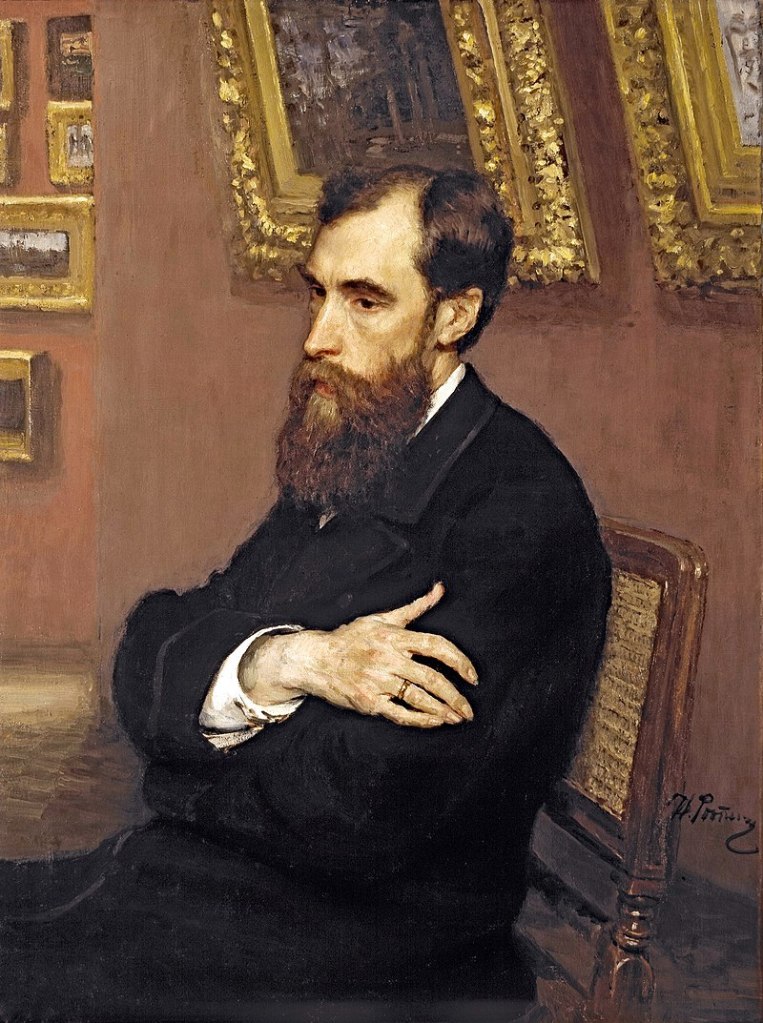

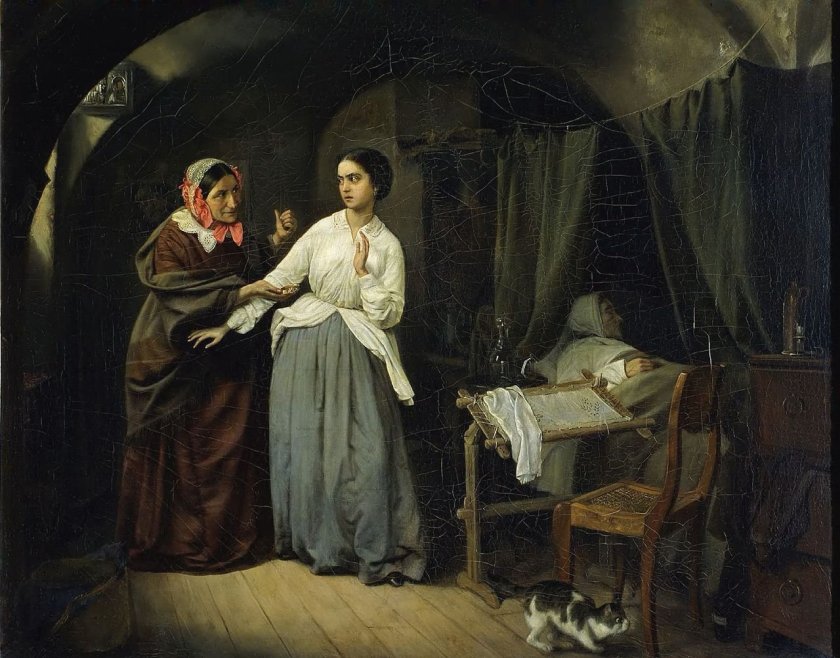


 The Casa de Iberoamérica, House of Ibero-America in Cadiz is located in the 18th-century building on Concepción Arenal Street on the edge of the Old Town of Cadiz. It was once the building that housed the Royal Prison. The foundation stone for the building was laid in 1794 but it was not completed until 1836. The buildings remained a prison until 1966 when it was abandoned. Subsequently, it was decided to use it as a courthouse thus preventing it from becoming a crumbling ruin. In 2006 the building was returned to the City Council, and in January 2011 it became the Casa de Iberoamérica.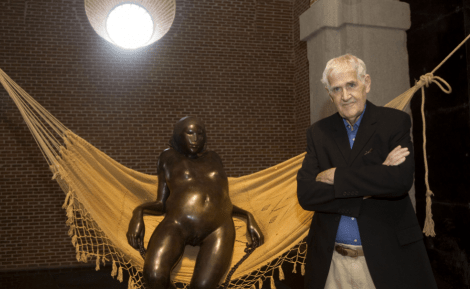
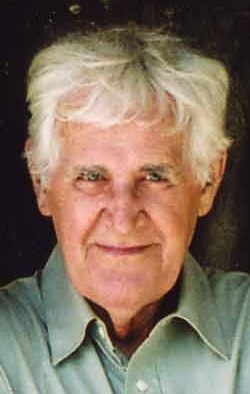
 In 1948, Zitman settled in the northern Venezuelan coastal town of Coro, where he found employment as a technical draftsman for a construction company. In that same year, he married a Dutch lady, Vera Roos, whom he had first met in The Netherlands. The couple went on to have three children, Berend, Lourens and Barbara. Much of his free time was spent painting and creating sculptures. Later, in 1949, he moved to the city of Caracas, and the following year, he found work as a furniture designer at a factory of which he later became the manager. In 1951, he was awarded the National Sculpture Prize. In 1955 he was hired by the Faculty of Architecture and Urbanism of the Universidad Central de Venezuela to teach courses in decoration, drawing, watercolour and gouache, which was then combined into a design workshop.
 In 1958, he exhibited a collection of drawings and paintings at the Museum of Contemporary Art of Caracas. That year, he decided to give up his life as a businessman and concentrate on his art and sculpture and moved with his family to the island of Grenada, where he dedicated himself completely to painting and began to affirm his style in sculpting.
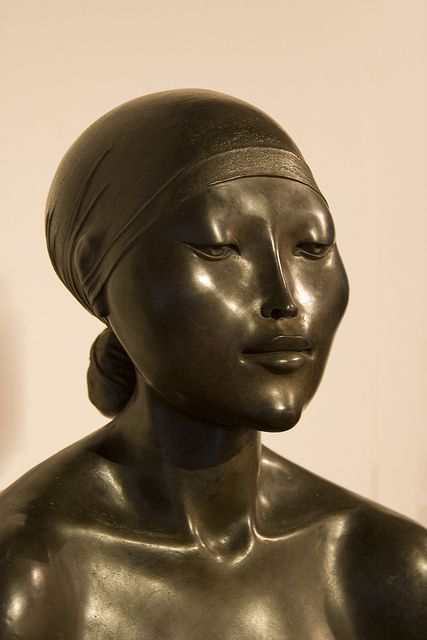 In 1961 he took part in an exhibition of Gropper Gallery in Boston. He returned to Holland, and studied foundry techniques with Pieter Starrevelt, in Amersfort, and then went back to Caracas where he was given the post as a design professor at the Architecture School of the Central University of Venezuela. In 1964 he converted an old sugar cane mill, known as a trapiche into his residence and workshop, in Caracas’ Hacienda de la Trinidad.
 In 1970, Zitman met Dina Viery, a Russian immigrant, and French art dealer, art collector and one time a model for the French painter and sculptor Astride Maillol whom she met in 1934. Viery was a great friend of Maillol during the last ten years of his life and when he died she helped establish the Musée Maillol art museum in Paris. From then on, Zitman dedicated himself exclusively to sculpture. More exhibitions of his work followed in Venezuela, France, Switzerland, the Netherlands, the United States, Japan and other countries, earning a host of national and international awards.
 Zitman died on 10 January 2016 at the age of 89. Zitman earned numerous national and international awards for his work and in 2005 he was decorated with the Knight of the Order of the Netherlands Lion.
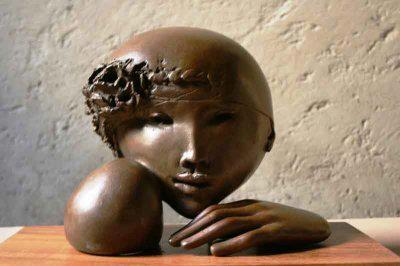 I will leave you with a recent write-up from the Diario de Cádiz, a Spanish-language newspaper published in Cadiz, regarding the Cornelis Zitman’s permanent exhibition at the Casa de Iberoamérica in Cadiz:
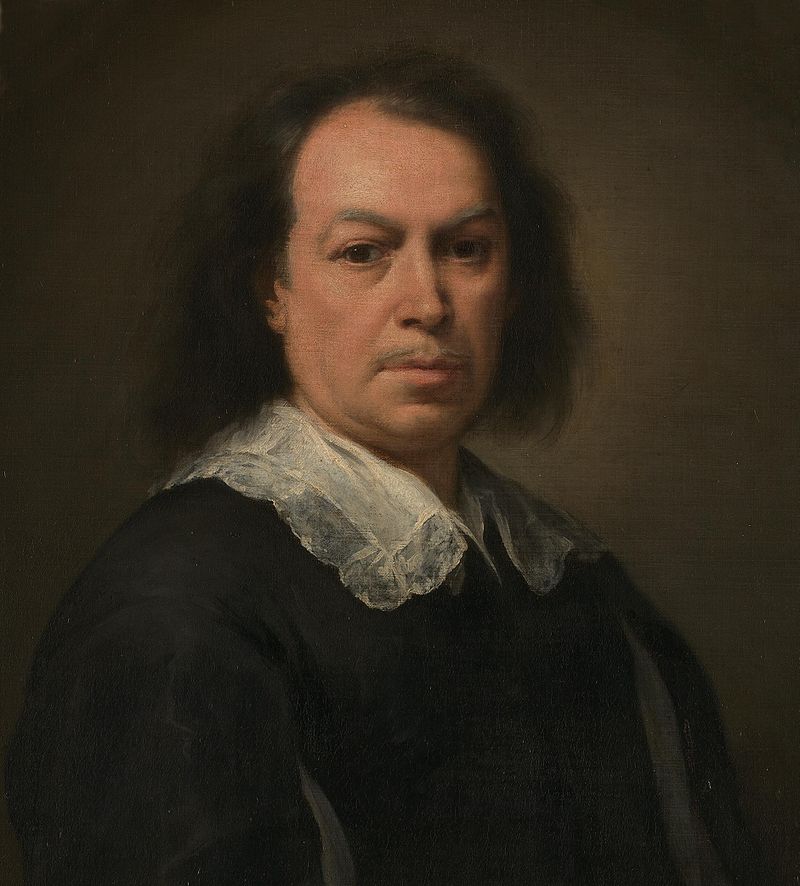
 The Seville exhibition was a collection of fifty-five paintings by Murillo from museum collections around the world. The exhibition was divided into nine sections each providing a glimpse of the world through Murillo’s eyes. The sections were designated as Holy Childhood, A family of Nazareth, Glory on Earth, The Immaculate Conception, Compassion, Penitence, Storyteller, Genre painting and Portraiture. It was a journey through his religious works to the social realism of 17th century Seville, which has been described as a city of paupers and saints, of rascals and wealthy noblemen and merchants who, through their wealth, were able to have Murillo paint their portraits.


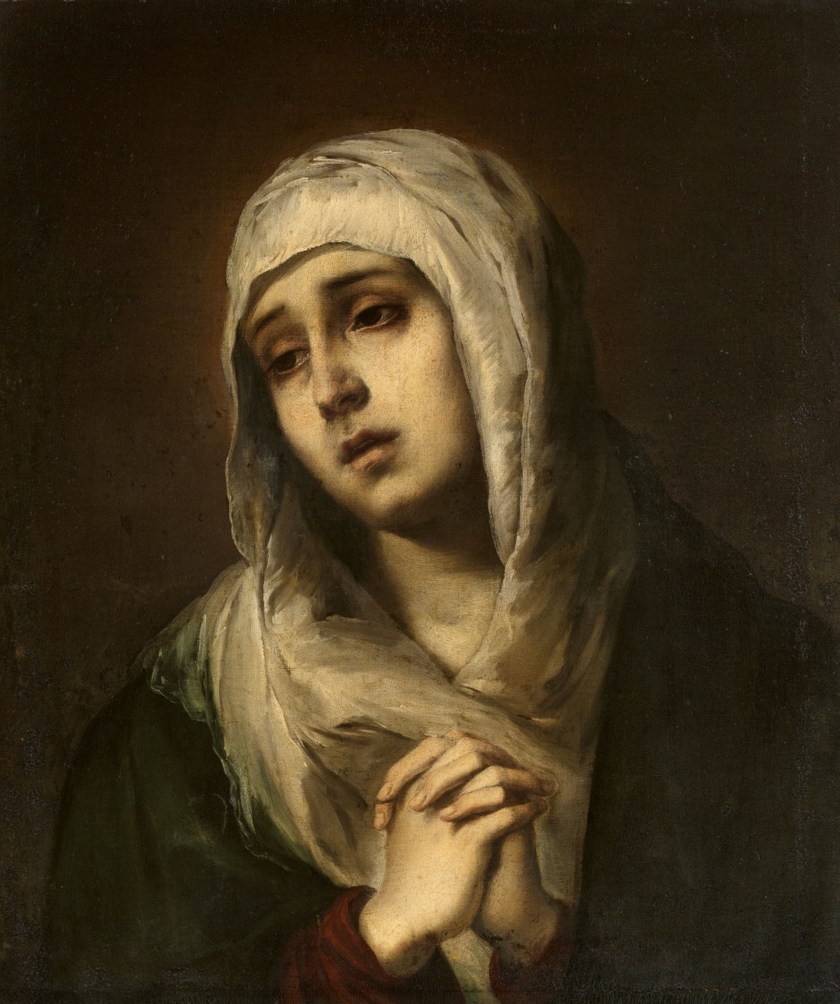


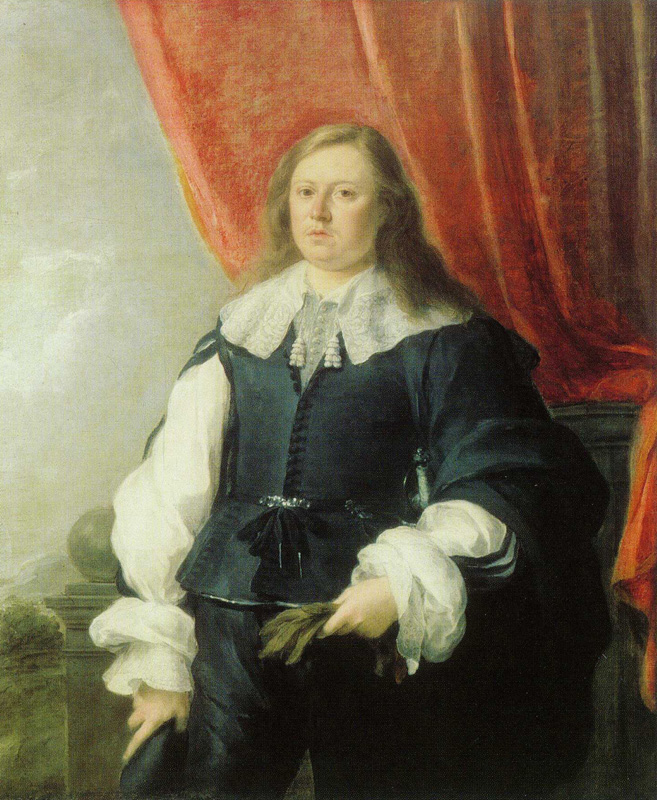

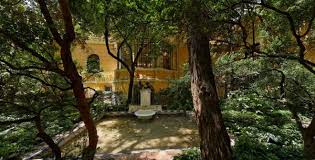

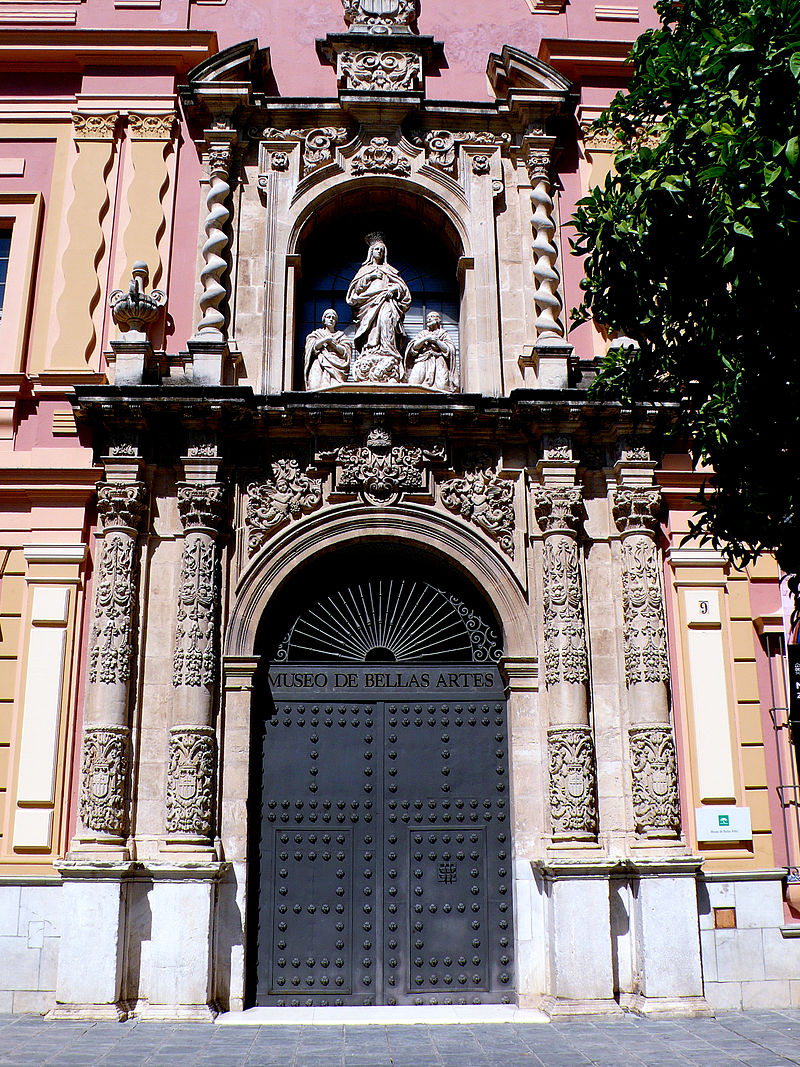
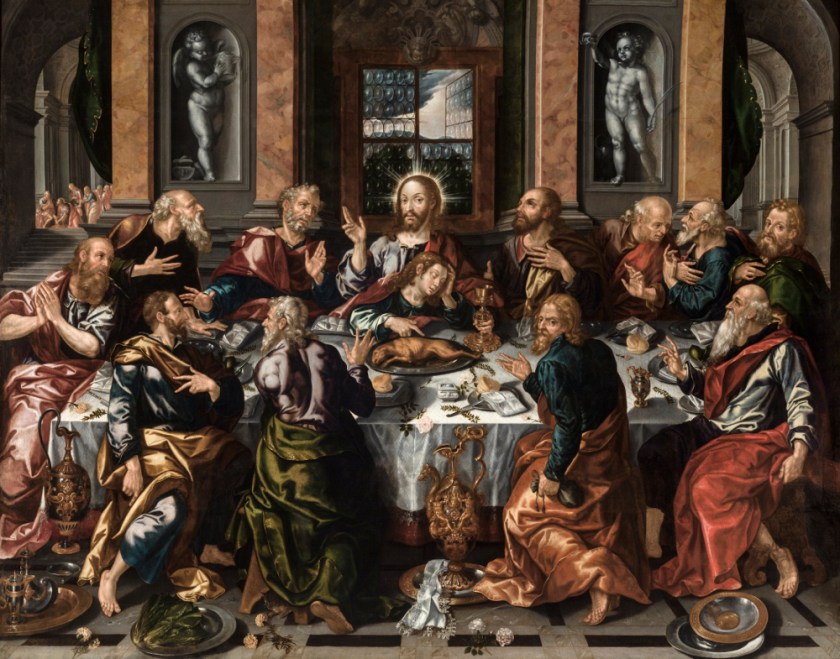


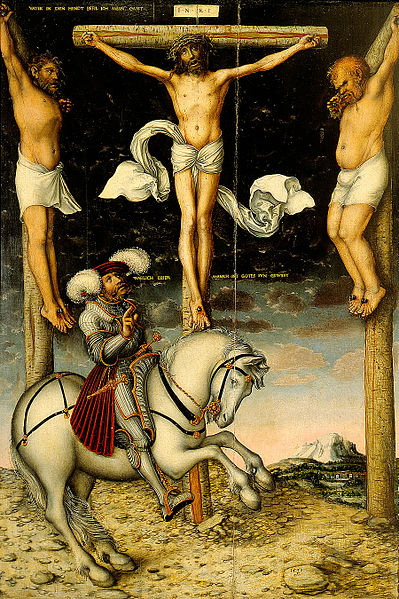
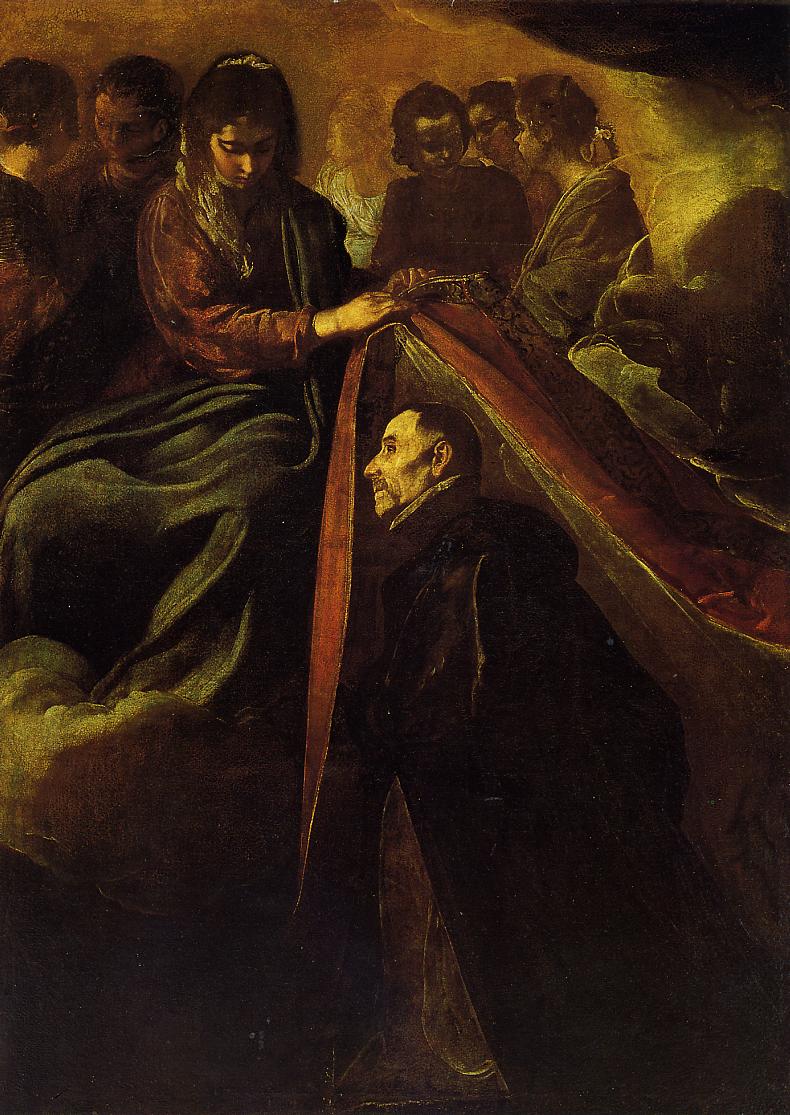

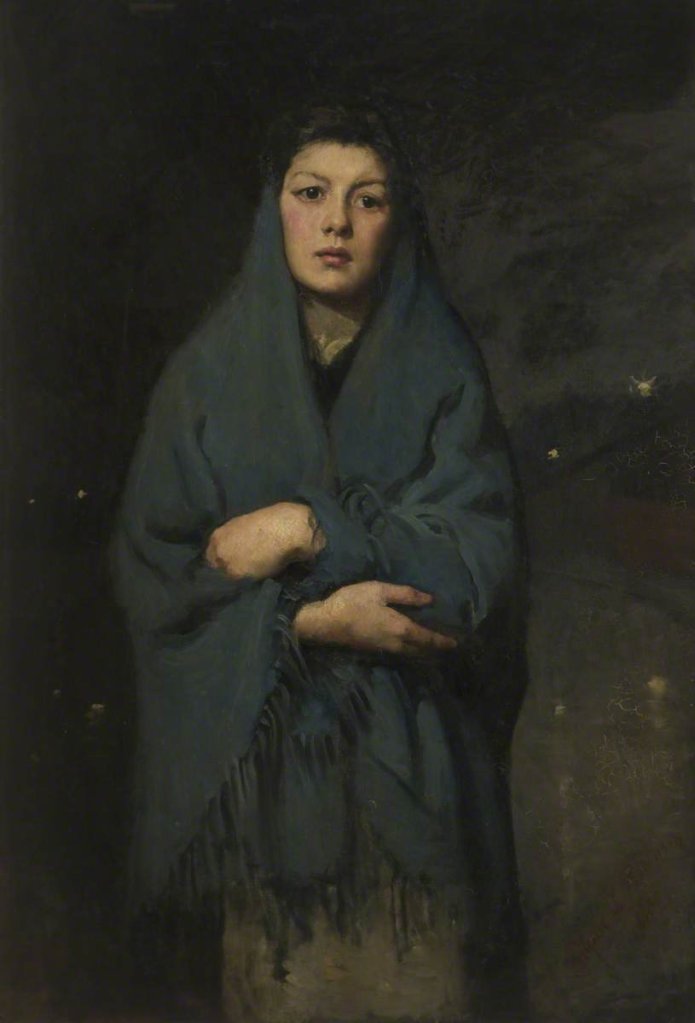
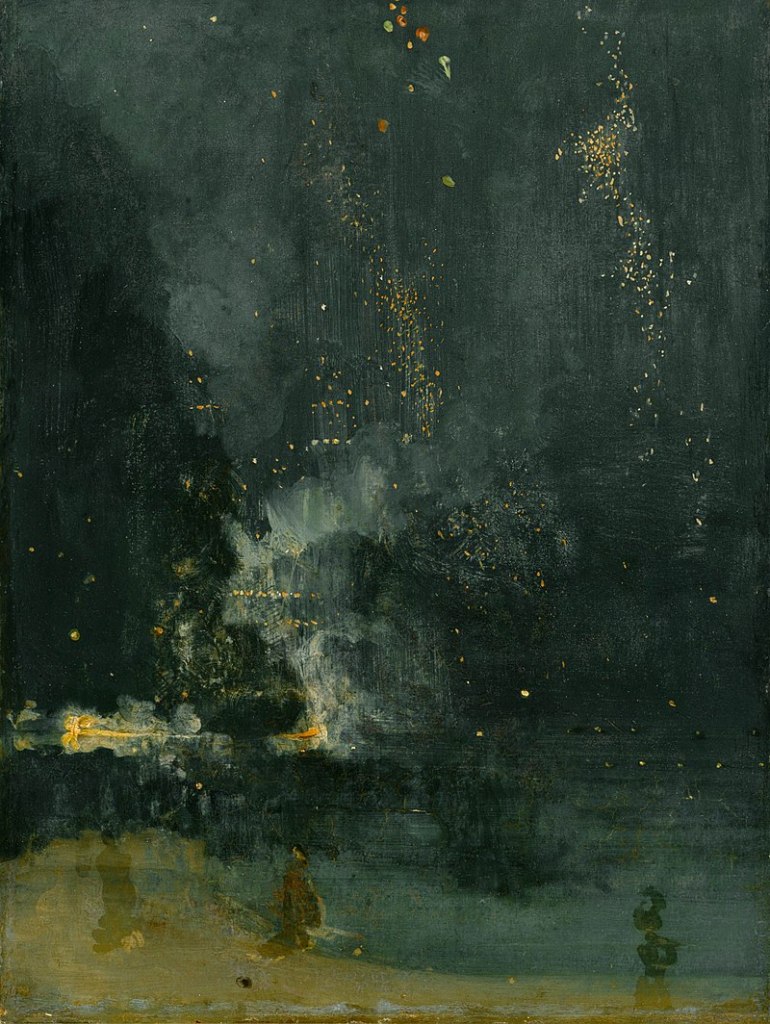

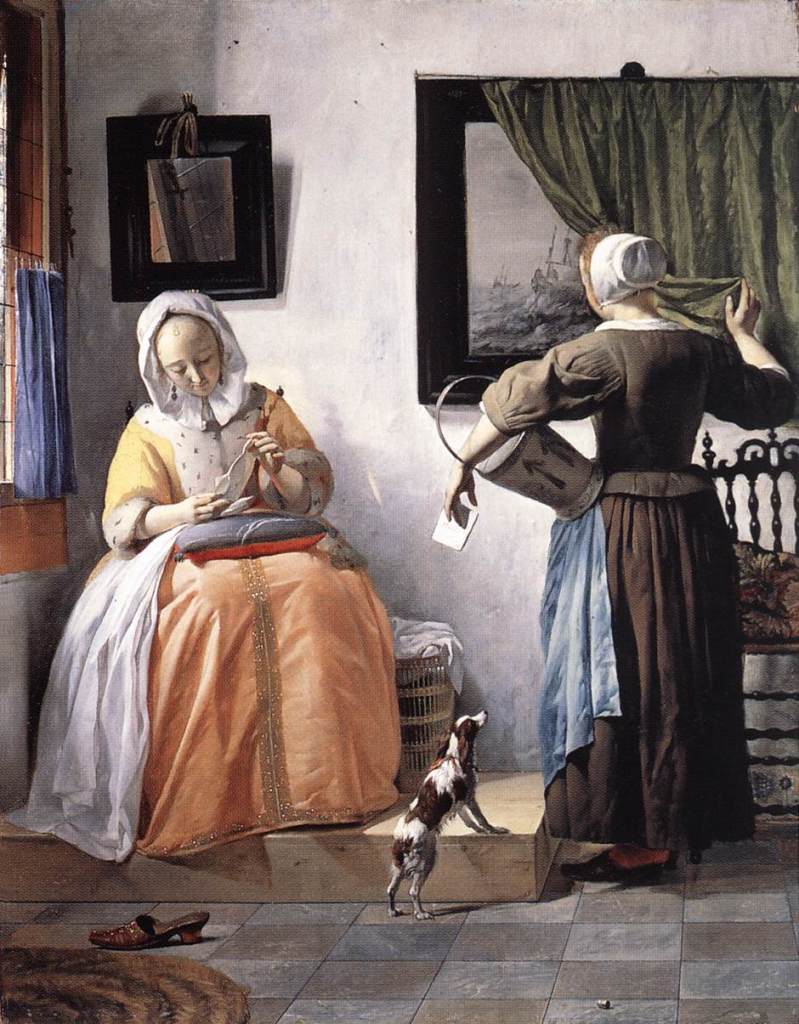
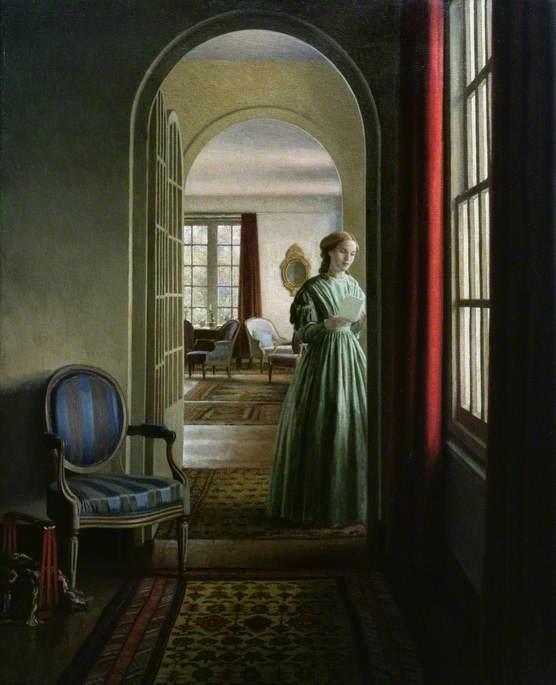

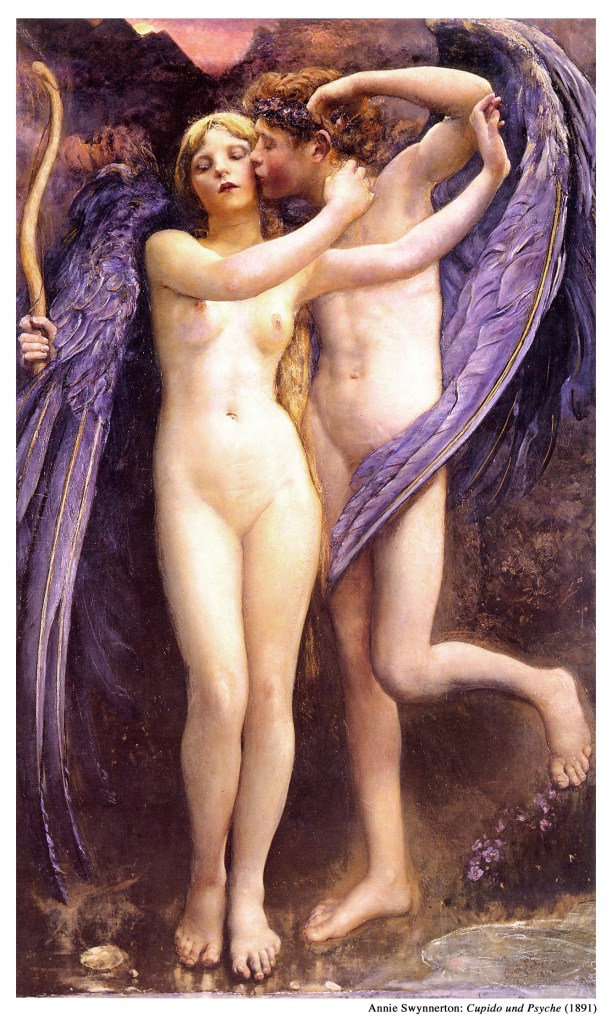
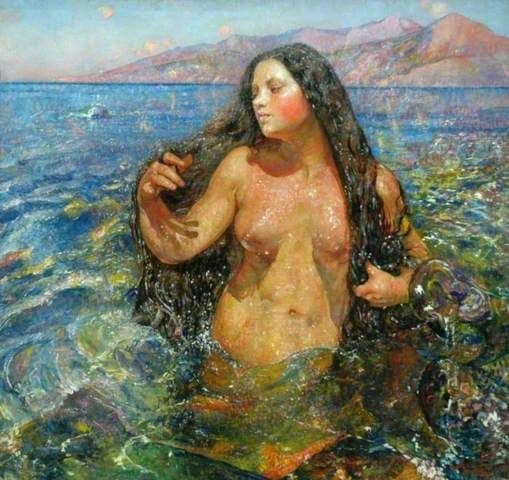
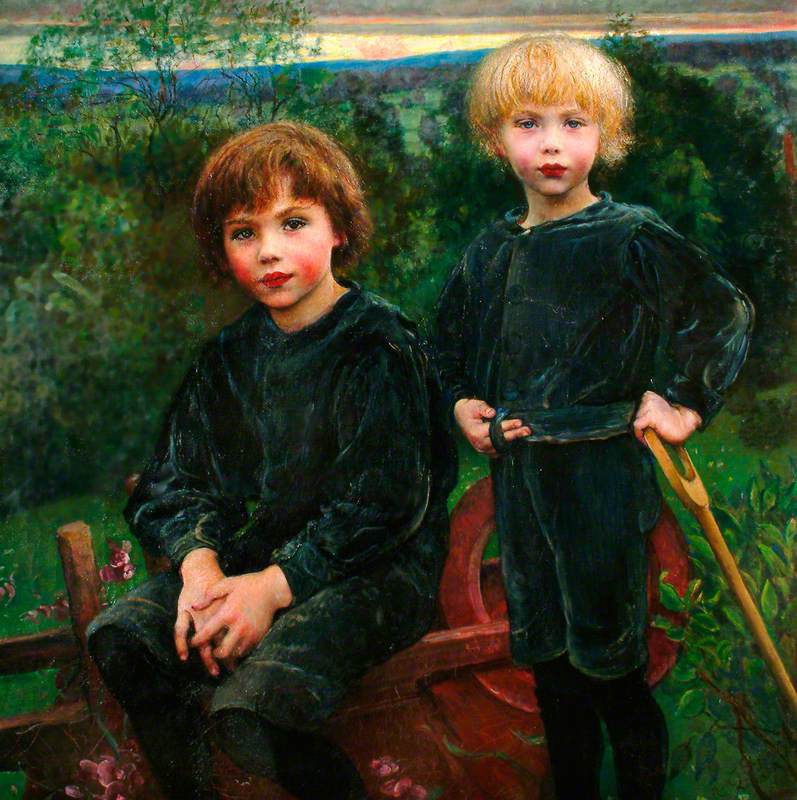
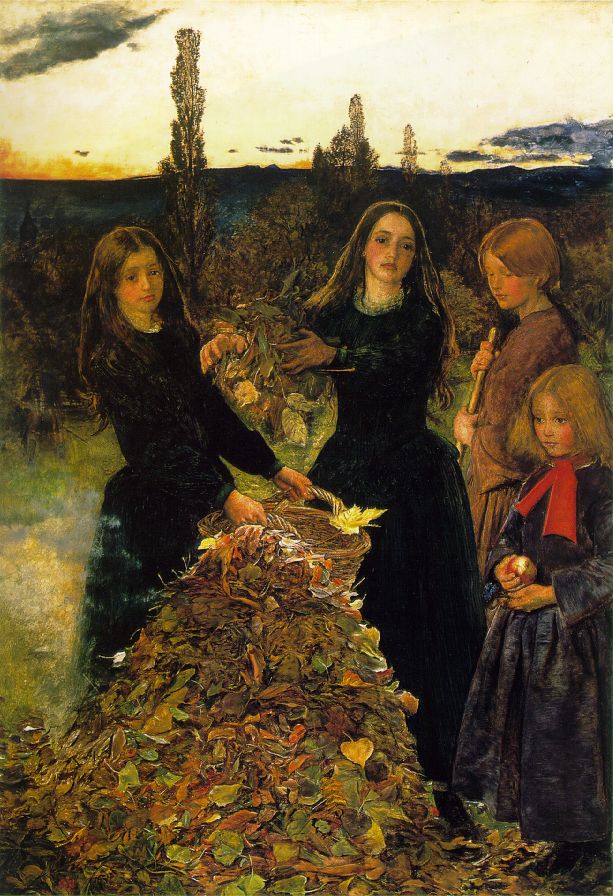
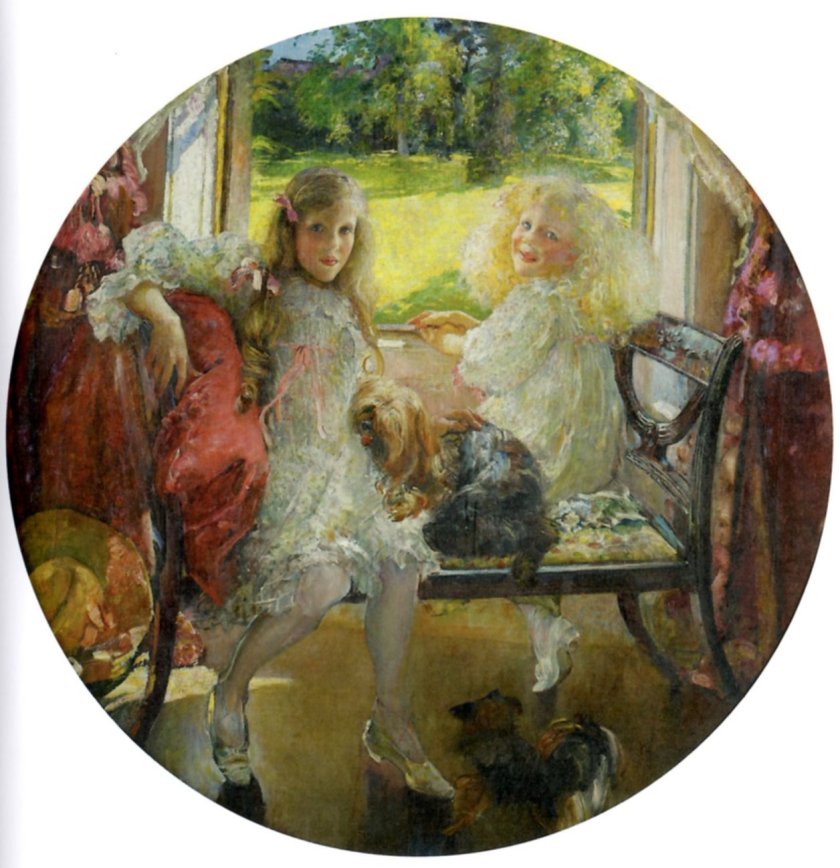
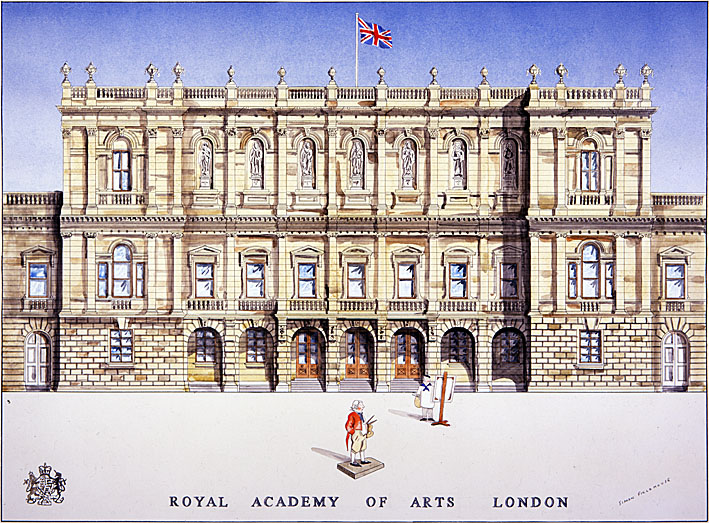
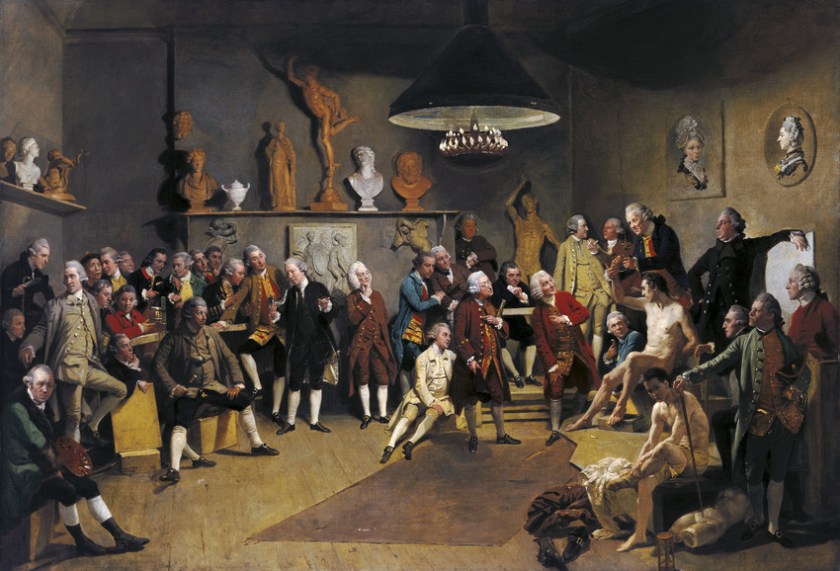

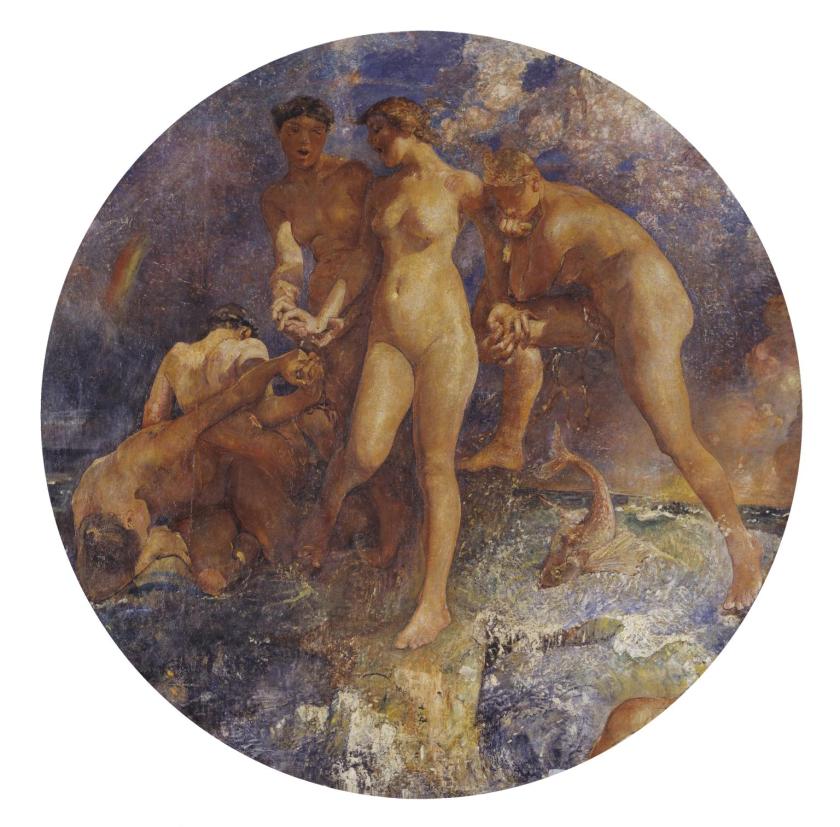
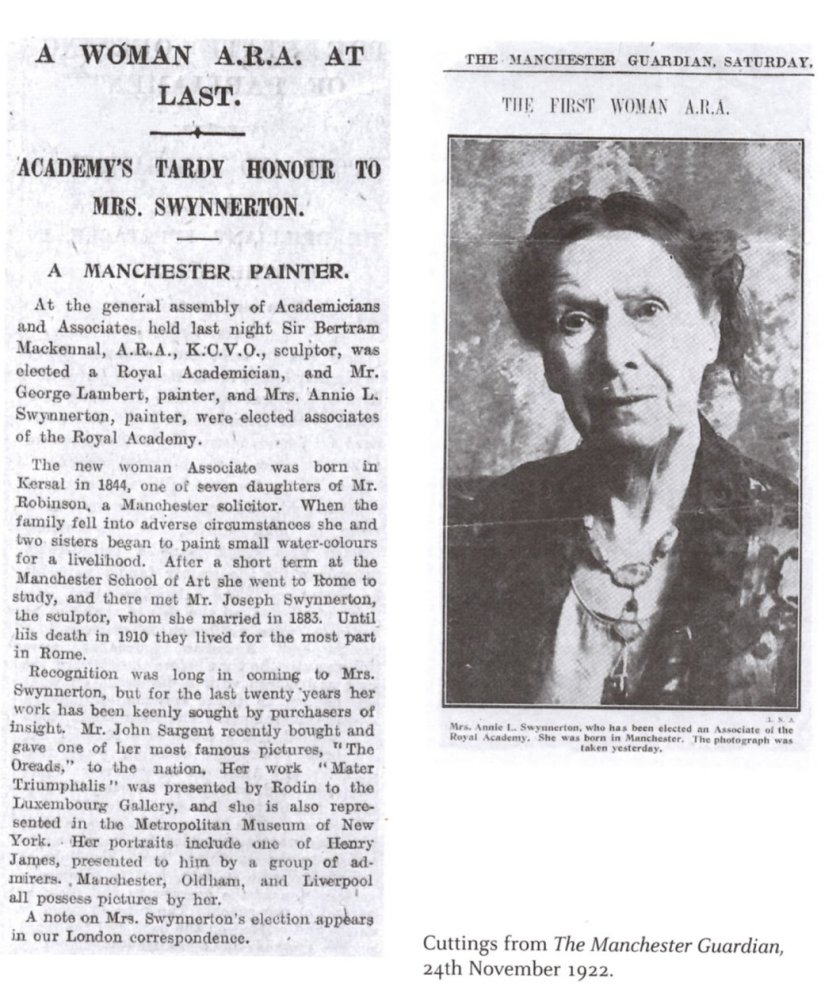


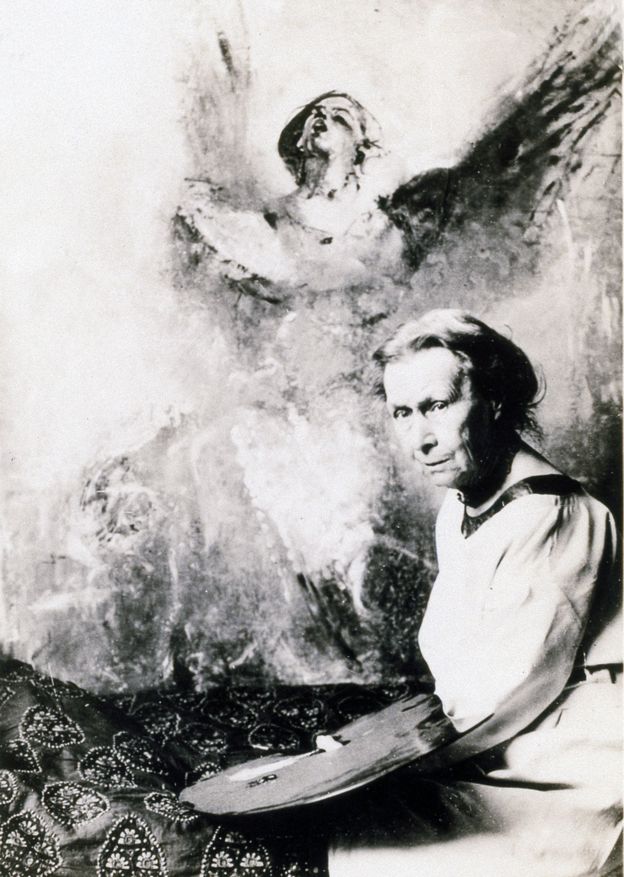


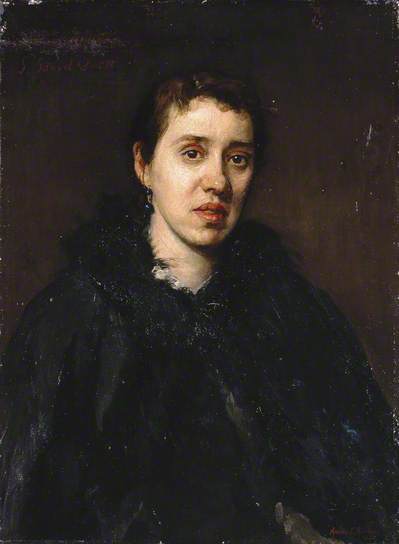
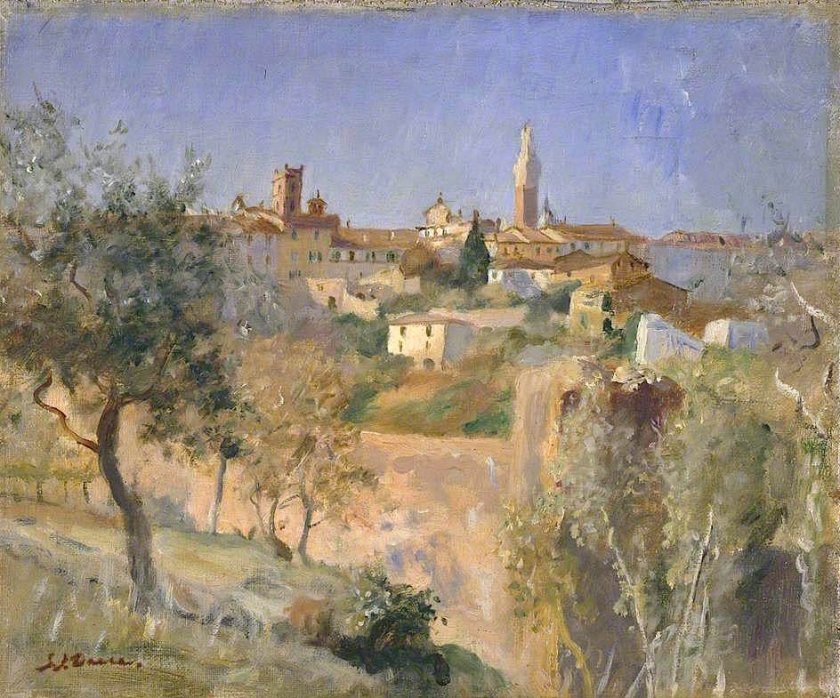


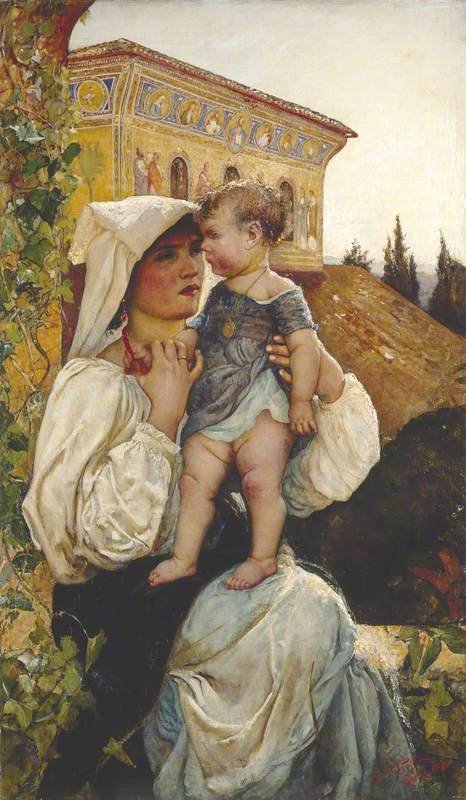

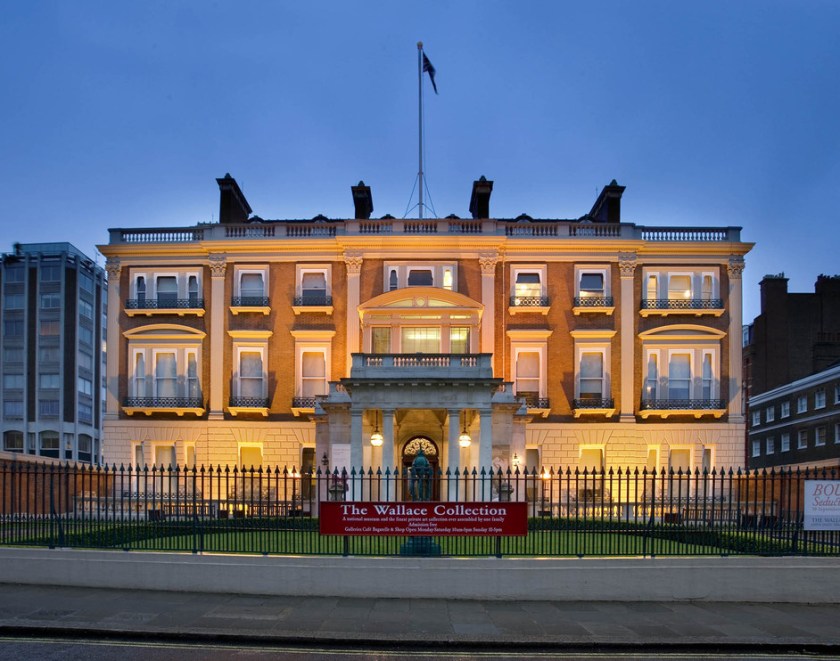


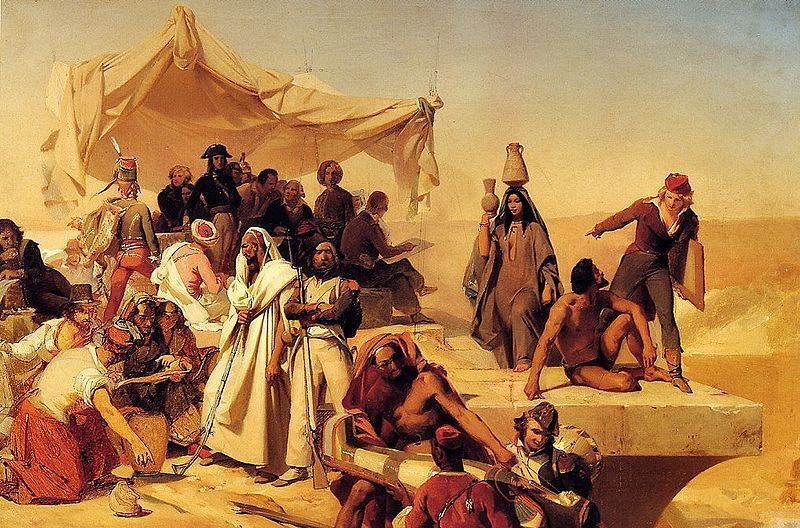
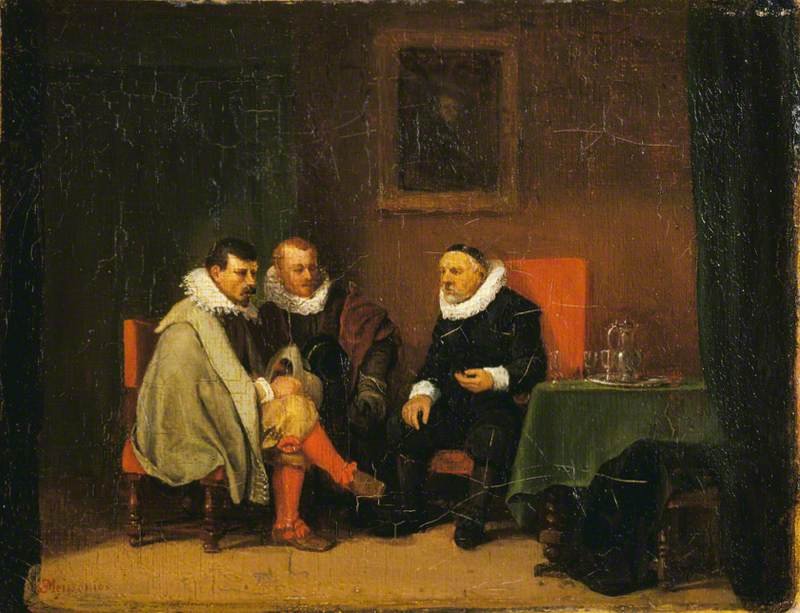
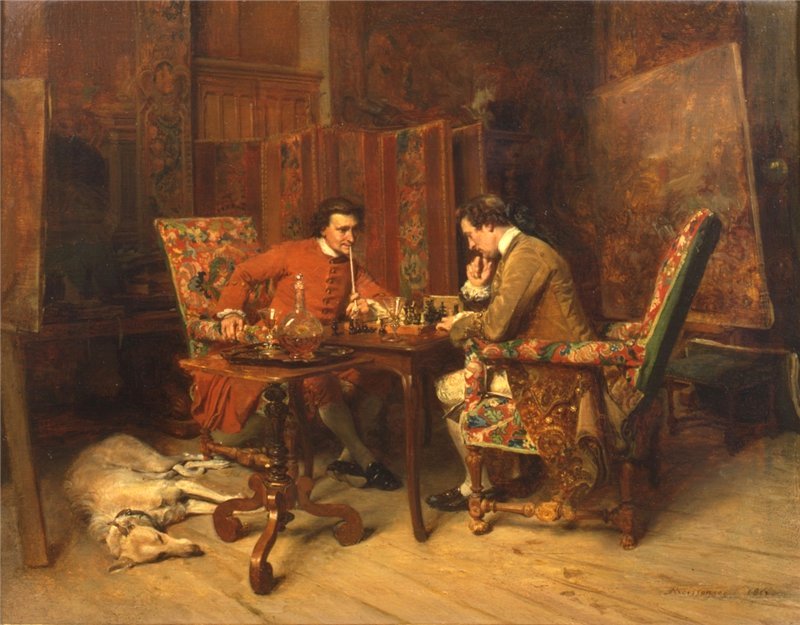


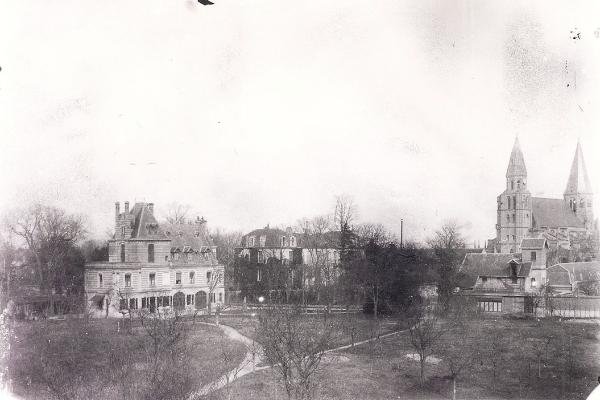
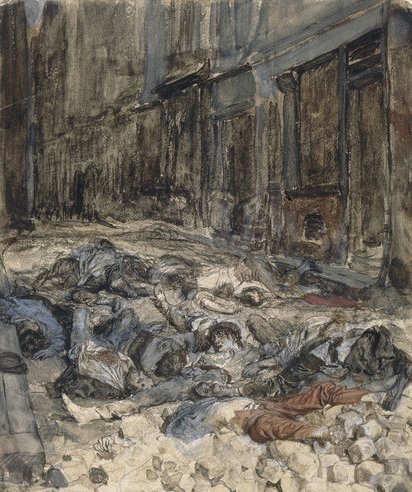

 I will start my first blog of 2018 with a question, a puzzle for you to solve.
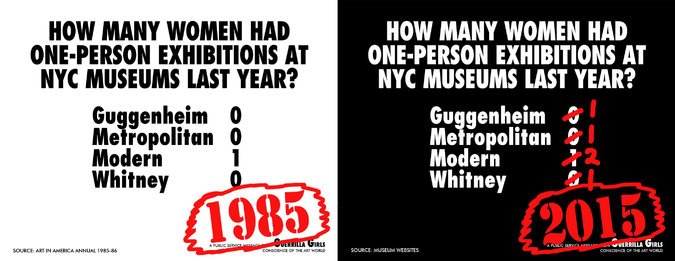

 Of equal importance Jane was Founder and Chair of the Advancing Women Artists Foundation (AWA) which is an organisation committed to safeguarding art by women and rediscovering a vital part of Florence’s forgotten cultural and creative heritage. She is a tireless advocate for art preservation.

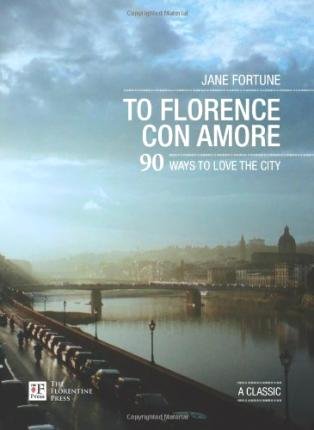

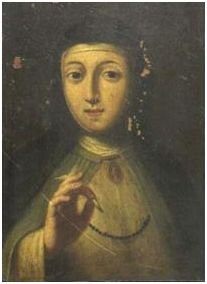

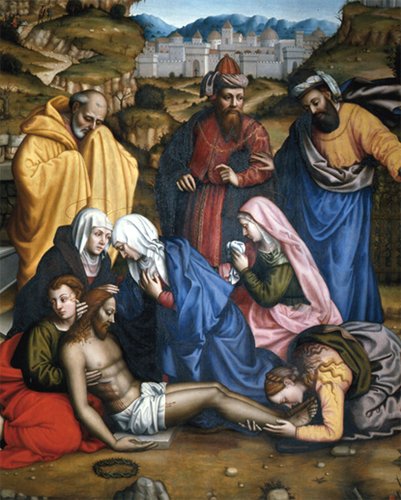
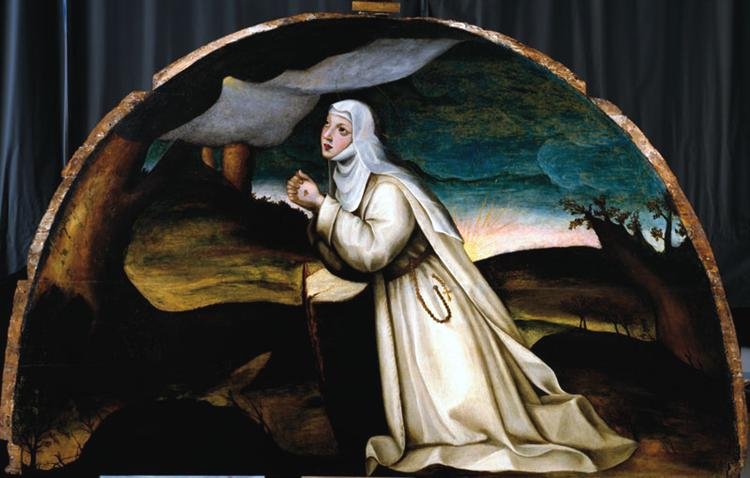

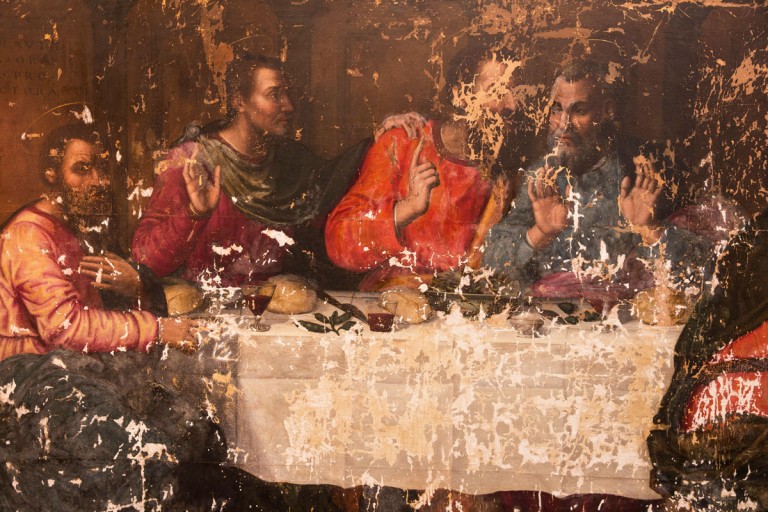
 As for works by Plautilla Nelli and other female artists of the distant past, things are looking up. In March 2017, the Uffizi Galleries in Florence began a long-term strategy for promoting female artists. One of the first initiatives was the Uffizi exhibition, Sister Plautilla Nelli. Convent Art and Devotion in the Footsteps of Savonarola exhibit, curated by Dr. Fausta Navarro which is devoted to Sister Plautilla Nelli, considered the first female Florentine painter.




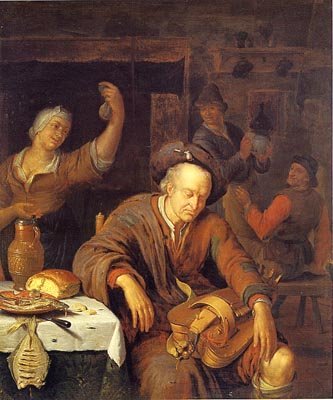
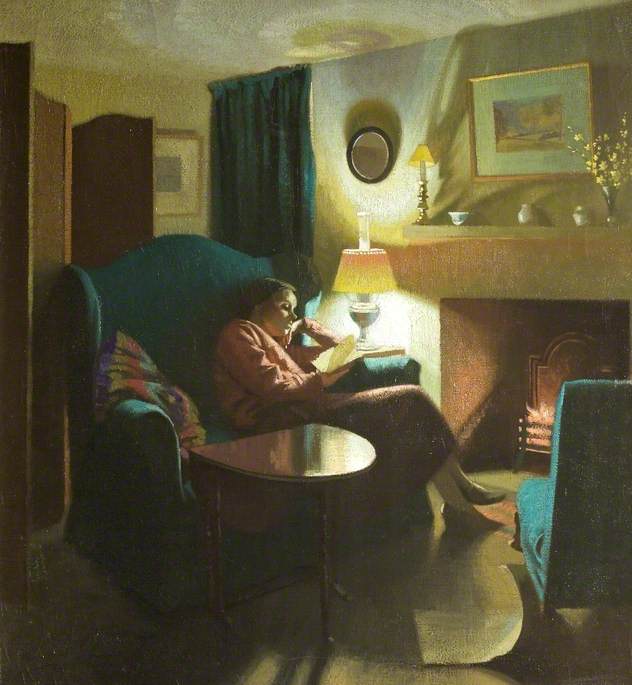
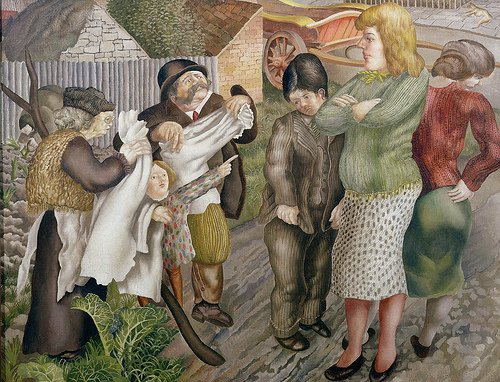
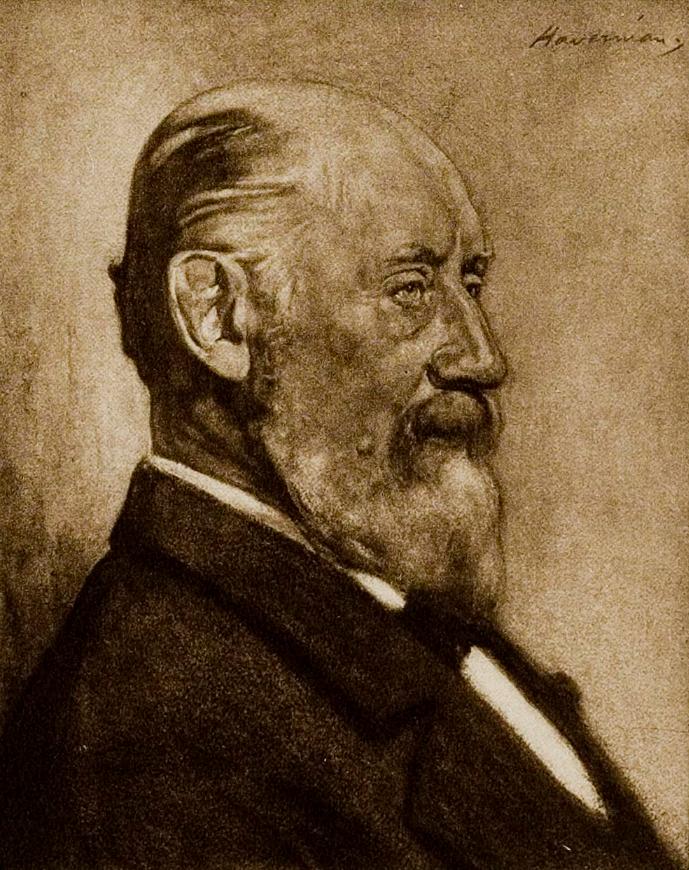






 my daily art display