Luca Signorelli. Part 1.

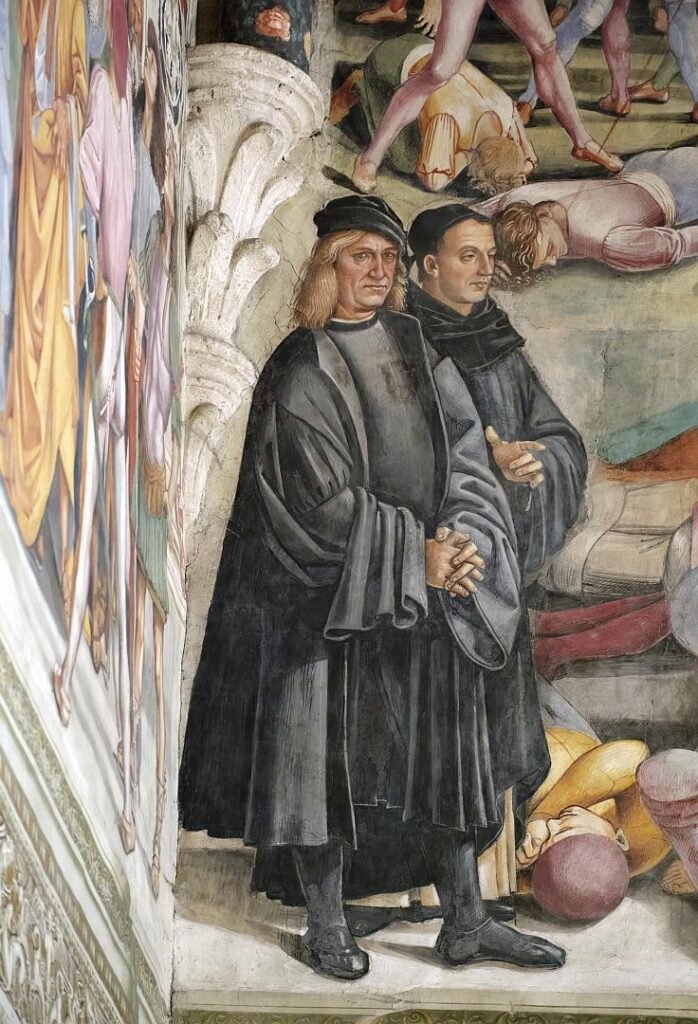
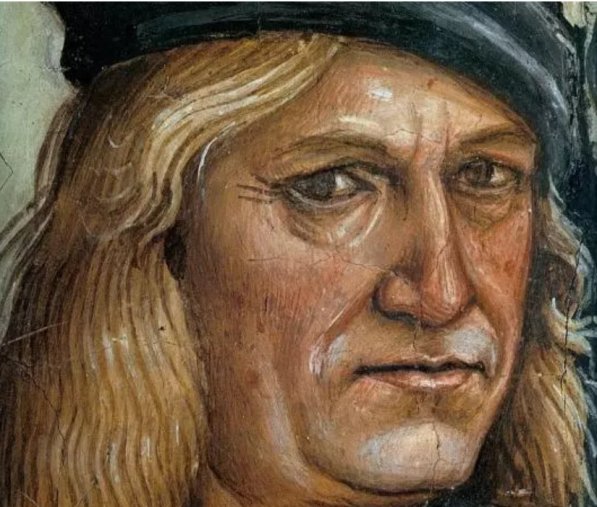
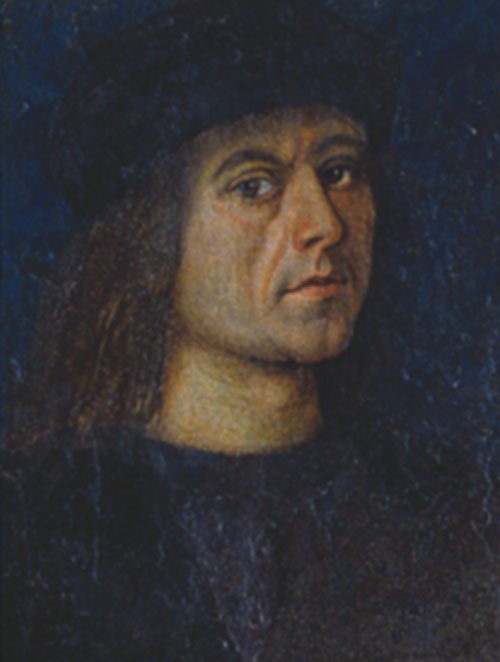
Luca Signorelli self portrait

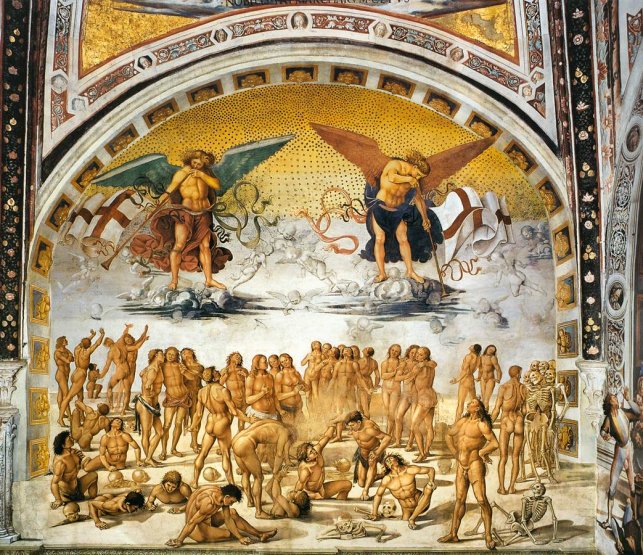
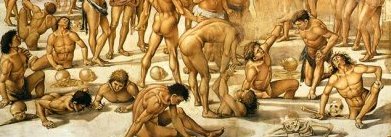
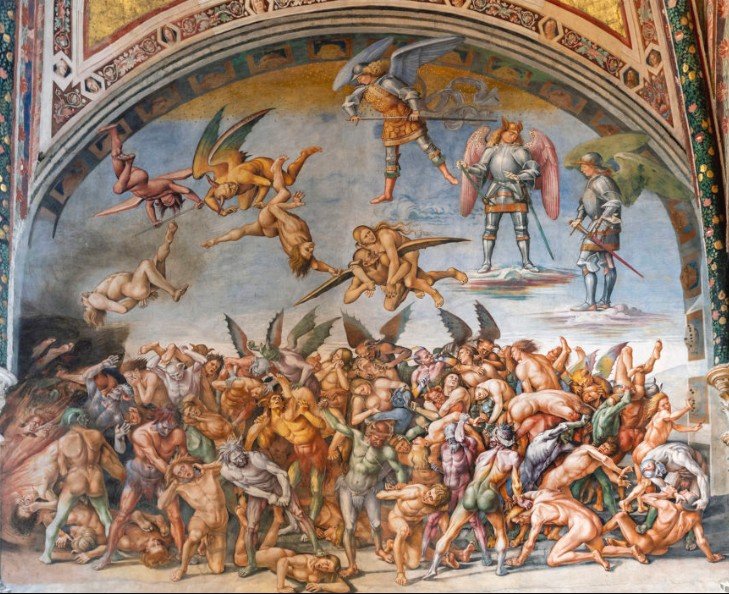
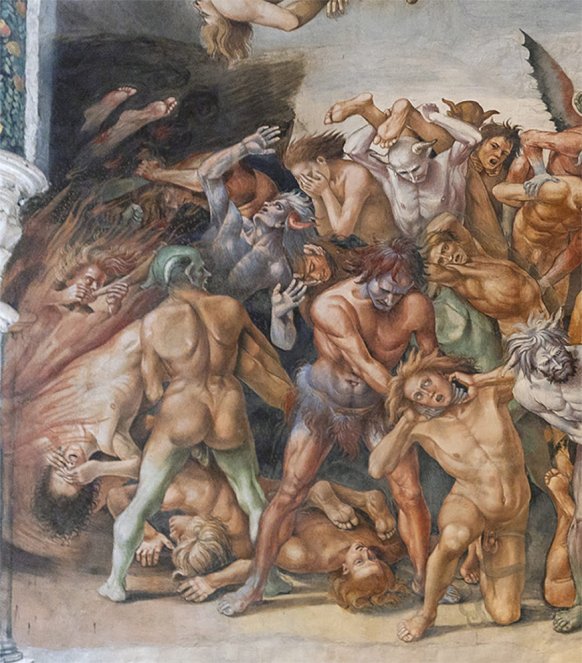
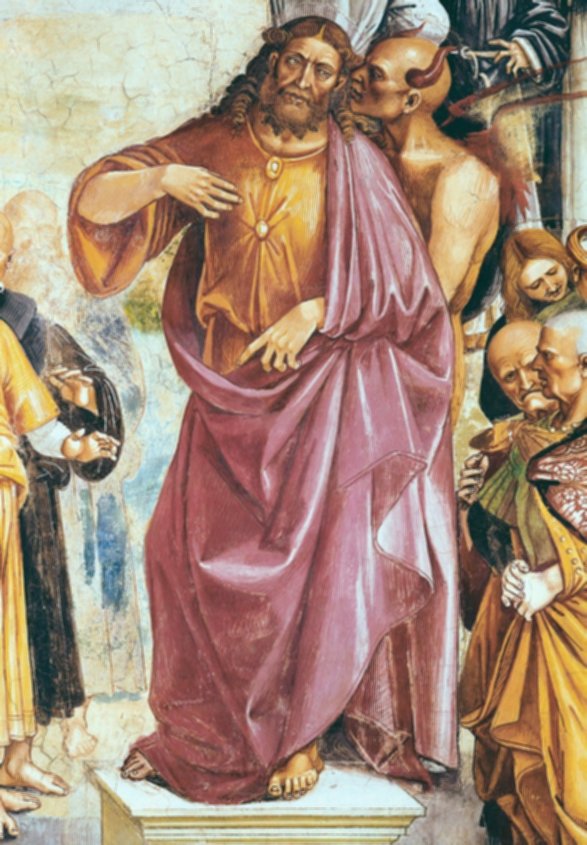
As we have just had three important days in the Christian calendar I thought I would have today’s blog all about one of the great Italian religious painters, Luca Signorelli, sometimes known as Luca da Cortona because of the town of his birth.   Signorelli is undoubtedly most revered for his portrayal of figures in action together with his incomparable grasp of the human anatomy which can best be seen in the beautiful Orvieto frescoes. Luca was a painter of the High Renaissance period which represents the summit of Renaissance art and the culmination of all the exploratory activities of the quattrocento,  or millequattrocento, which is Italian for ‘fourteen hundred’ and means the fifteenth century. It therefore embraces cultural and artistic activities in painting, sculpture and architecture during the period 1400-1500.
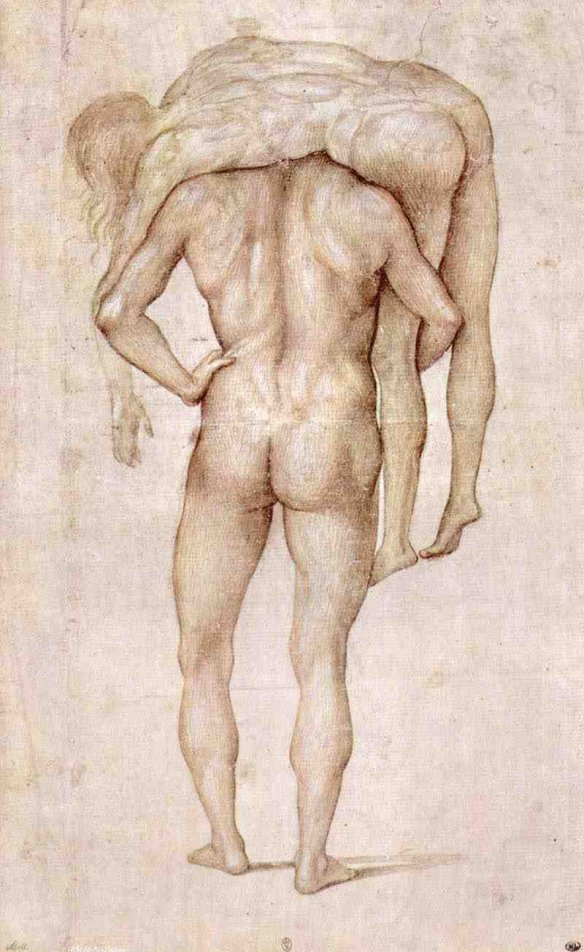
A Corpse-carrying Nude man by Luca Signorelli (1496).  Musée du Louvre

Signorelli’s depictions of the human body were so precise that for him to have gained such knowledge and such levels of accuracy without carrying out actual dissections of the human body would have been impossible as at this time there was not sufficient literature that would have allowed an artist to learn so much about the different aspects of the human body.   Artists sometimes could further knowledge of the human anatomy if they could dissect human bodies whilst others would dissect animals in order to develop their understanding of things like muscle balance. This close study of human anatomy resulted in artists being able to accurately go into much more detail when depicting the human body

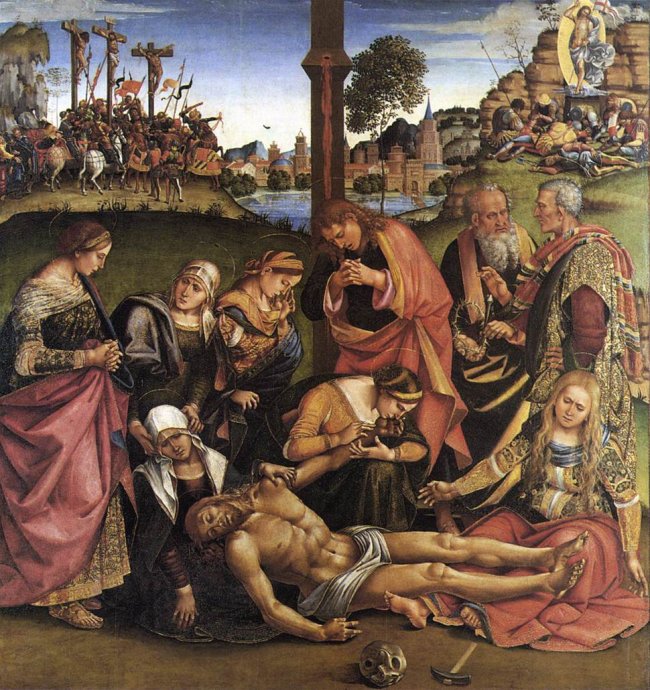
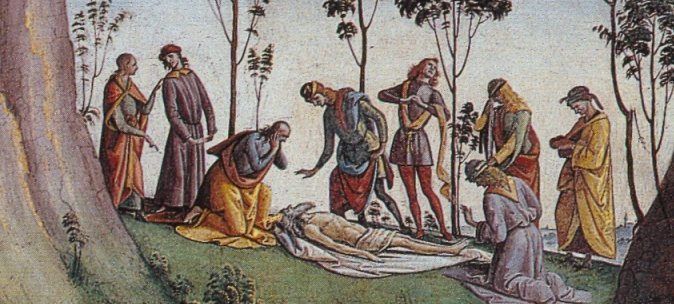
Lamentation over the Dead Christ by Luca Signorelli (1502)

Signorelli had built up such a great reputation as a painter that he was invited to form part of an elite group of artists which were sent for by Pope Sixtus IV to decorate the walls of the Sistine Chapel. The Italian Renaissance painter, architect, art historian, and biographer known for his work Lives of the Most Excellent Painters, Sculptors, and Architects, Giorgio Vasari,  said of him:

“…he was an artist who with his profound mastery of design, particularly in nudes, and with his grace in invention and in the composition of scenes, opened to the majority of craftsmen the way to the final perfection of art…”

Luca’s childhood days are poorly documented, but it is thought that Luca d’Egidio di Ventura de’ Signorelli was born around 1450 in Cortona, a small hill town and commune in the province of Arezzo, in Tuscany.

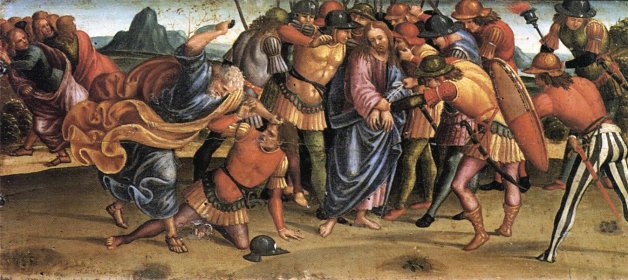
The Capture of Christ by Luca Signorelli (1502)

As a child he showed an interest in art and in the 1460s, Signorelli signed up to an apprenticeship with Early Renaissance painter, Piero della Francesca.  He was said to have been a talented student and quickly took on board the principles of mathematics, geometry, and perspective that his tutor taught him.  Around 1470, Signorelli, in his early twenties. married Gallizia di Piero Carnesecchi, and the couple went on to have three sons, Polidoro, a future painter and builder, Antonio who became assistant to his father, and Pier Tommaso. The couple also had two daughters, Gabriela, and Felicia. Documents show that in 1472 Luca was known to be living and working in the city of Arezzo, located about fifteen miles from his hometown of Cortona and two years later he was working in the nearby Città di Castello.

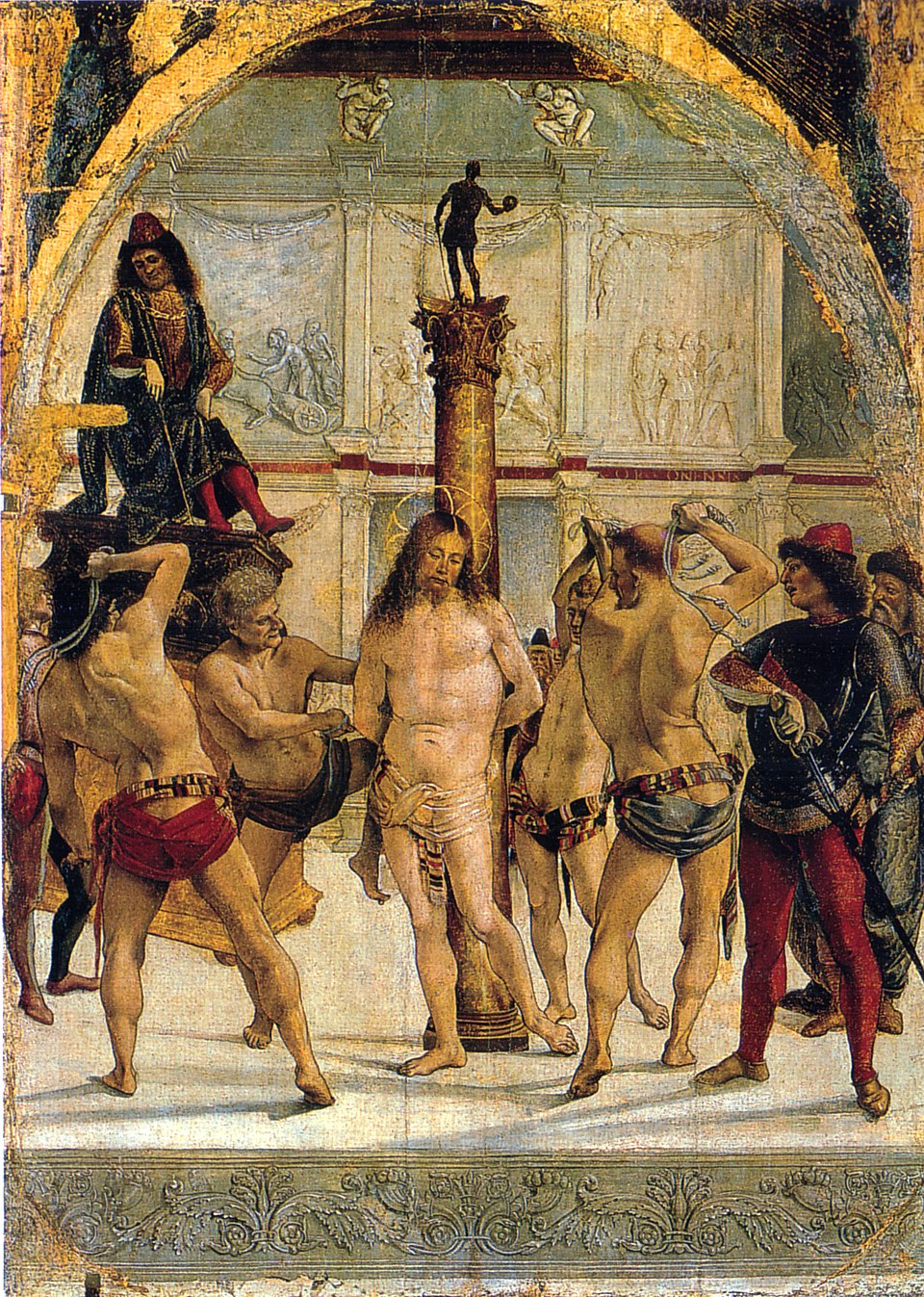
Stendardo della Flagellazione (The Flagellation Standa) by Luca Signorelli (c.1475)

One of Signorelli’s earliest extant paintings is his work entitled Stendardo della Flagellazione (The Flagellation Standa) and it is believed that it was completed around 1475.  The work bears the artist’s signature, “OPUS LUCE CORTONENSIS,” confirming Signorelli’s authorship and reflecting his Cortona origins. The Flagellation Standard by Luca Signorelli, created as a double-sided processional banner for the Confraternity of the Raccomandati in Fabriano. Its role was to act as a primary devotional function by inspiring lay participants to engage in acts of penance and charity. The banner was carried during public processions, particularly those involving self-flagellation during Holy Week or times of crisis, with the banner’s vivid depiction of Christ’s scourging encouraging communal meditation on the Passion, fostering empathy and moral discipline among confraternity members who mimicked the Savior’s suffering to achieve spiritual redemption. The work was commissioned by the Confraternita dei Raccomandati di Santa Maria del Mercato church in Fabriano.  The church is now destroyed.  The commission was for a work of art which could be included in processional demonstrations of public flagellation. The depiction is based upon the biblical passages of John 19:1,

“…Then Pilate took Jesus and had him flogged…”

Jesus had been sentenced to death on the Cross by Pilate. But first he was to be flagellated, and soldiers tied him to a pillar and then scourged him.  In his painting Signorelli depicted the event against an architectural background. The work is dated to the period prior to the artist’s journey to Rome in 1482, probably sometime around 1475.

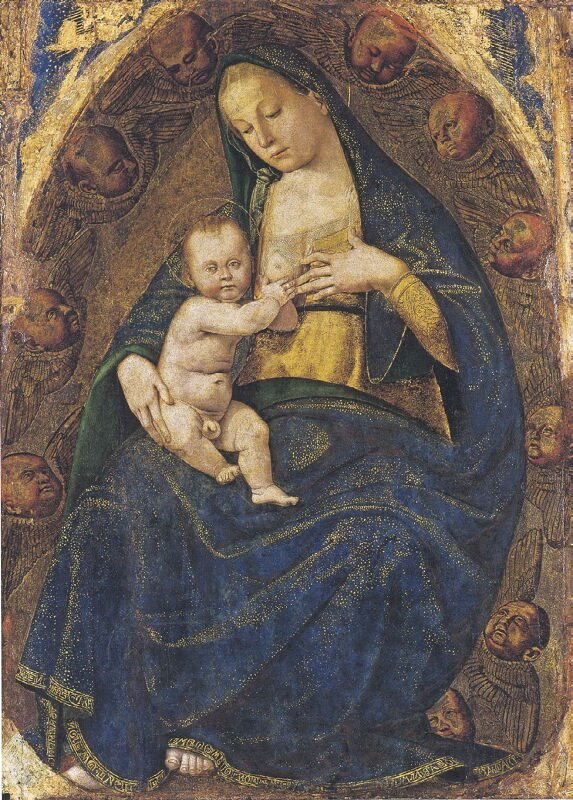
Nursing Madonna in Glory by Luca Signorelli (c.1475)

Signorelli’s work is thought to be one side of a double-sided panel, with the second side being The Nursing Madonna.  The reason behind the second work being that the fraternity also carried out philanthropic work to help orphaned and abandoned children. At some point between the sixteenth and nineteenth centuries, the two sides were separated. Both sides are now in the Pinacoteca di Brera in Milan, to which they were brought in 1811 after the church’s suppression. The suppression of the Italian Church, particularly the Jesuits, during the Napoleonic era was a significant event in the history of Italy.

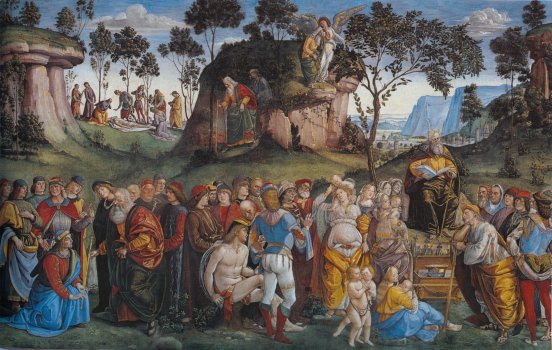
Moses’s Testament and Death by Luca Signorelli (1482)

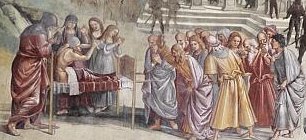
Luca Signorelli was known as a master of fresco painting and one of his frescos can be seen at the Sistine Chapel in Rome. The 15th century decoration of the walls includes the false drapes, the Stories of Moses, and of Christ and the portraits of the Popes.  It was completed by a team of painters made up initially of Pietro Perugino, Sandro Botticelli, Domenico Ghirlandaio, Cosimo Rosselli, Luca Signorelli and their respective workshops, which included Pinturicchio, Piero di Cosimo and Bartolomeo della Gatta.  The fresco by Signorelli depicts the cycle of the life of Moses and can be found on the south wall of the chapel.  Signorelli’s fresco entitled Moses’s Testament and Death illustrates the last chapters in the life of Moses.

Let us look closely at everything that is going on in this multi-populated fresco.

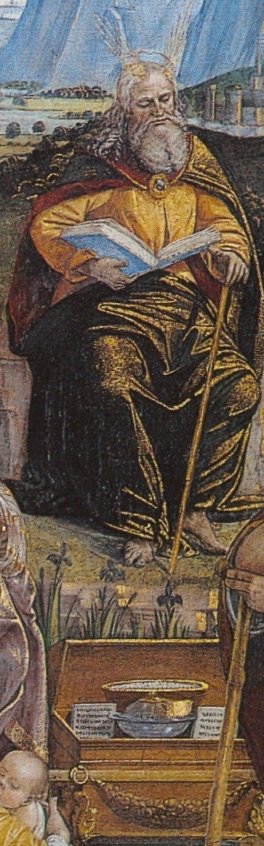
On the right foreground of the fresco sits the hundred-and-twenty-year-old Moses on a rise, holding his staff and with golden rays circling his head. At Moses’s feet stands the ark of the Covenant, opened to show the jar of manna inside and the two tablets of the law.

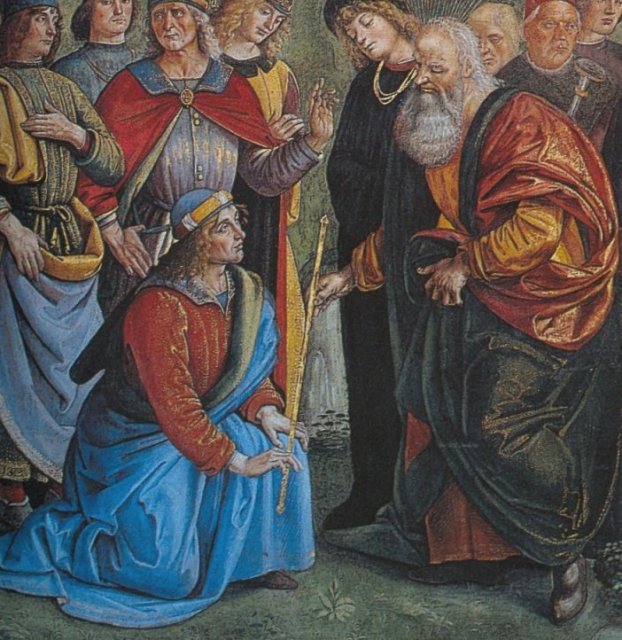
 In the left foreground of the picture we see Joshua being appointed as Moses’s successor. Joshua kneels before Moses, who gives him his staff.

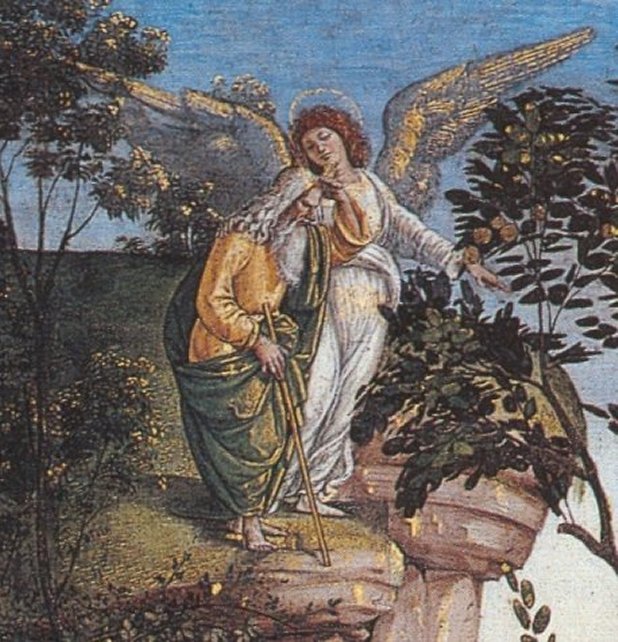
 In the centre of the background, we see Moses being led by the angel of the Lord up Mount Nebo, from which he will be able to look across to the Promised Land that by the will of God he will never enter.

His death is depicted in the background, in the land of Moab, where the children of Israel mourned him for thirty days. Moses’s followers are shown mourning his passing in Moab. Here, he lays amidst the group, enshrouded in white linen. At the far left is the cave in which he will be entombed.

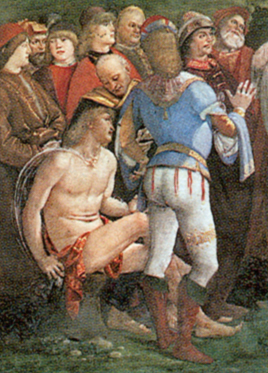
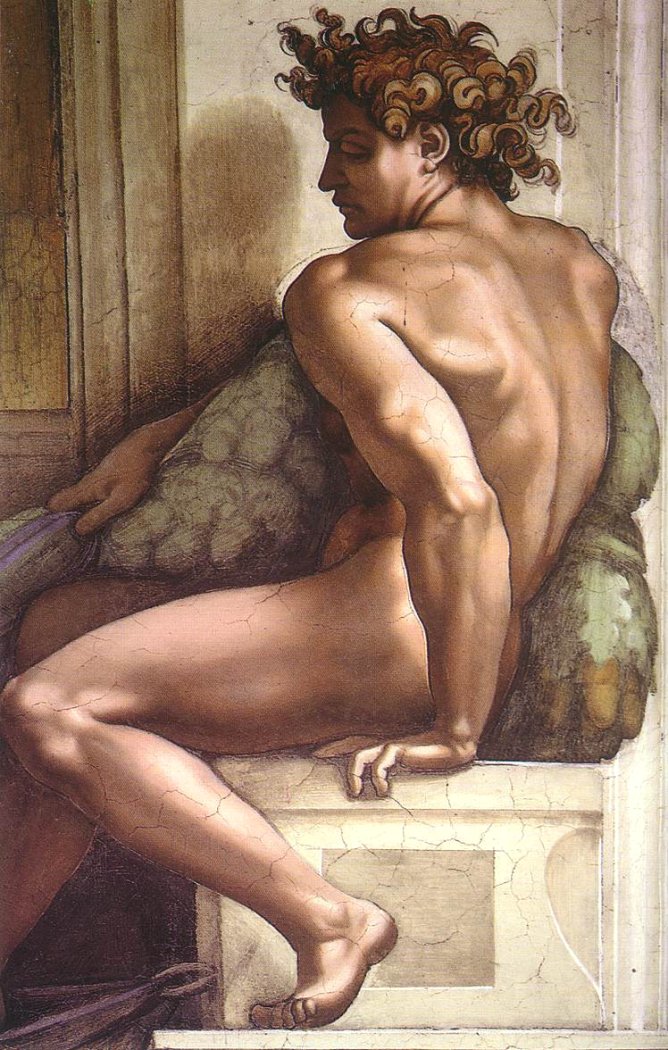
Art historians believe that Signorelli collaborated on this work with his friend, Bartolomeo della Gatta, a painter, illuminator, and architect.  The more active figures being executed by Signorelli. One such figure, a seated nude youth in the centre of the foreground, is believed to have served as a reference for the twenty nude figures – what Michelangelo called the Ignudi – painted on his famous chapel ceiling 25 years later.

Ignudo, Fresco, Cappella Sistina, Vatican by Michelangelo (1509)

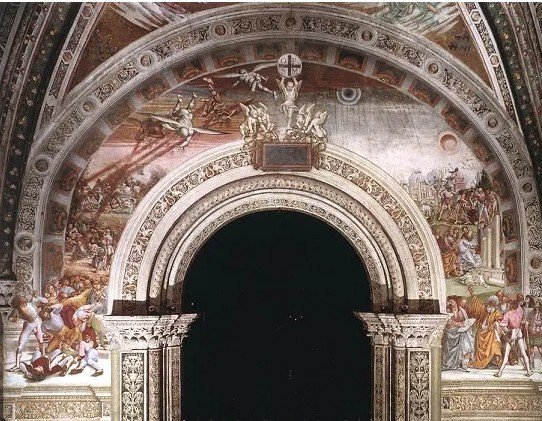
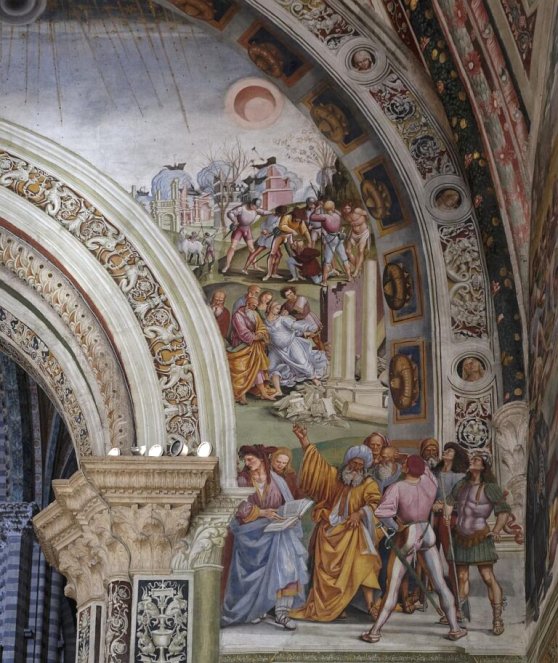
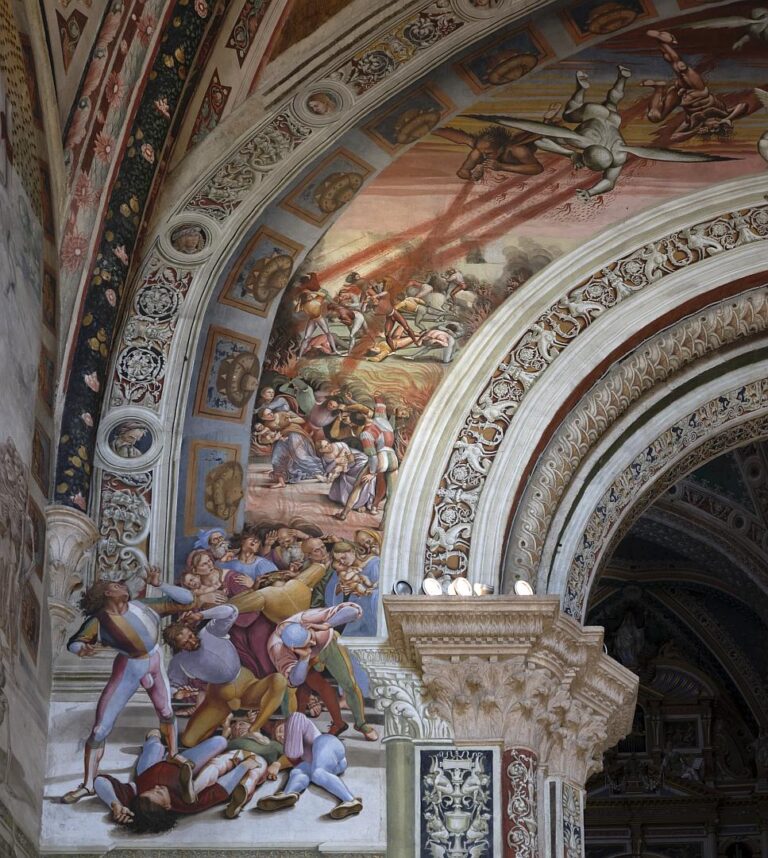
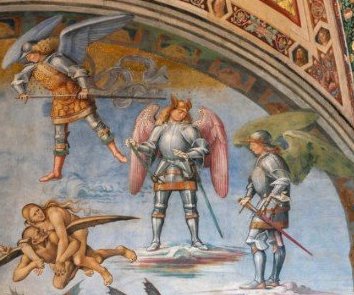
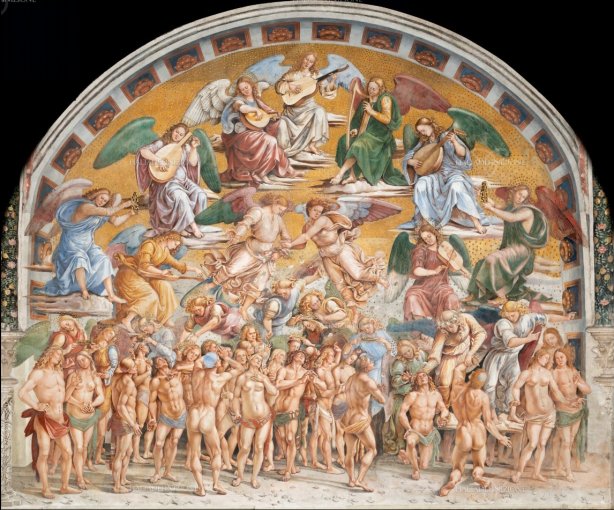
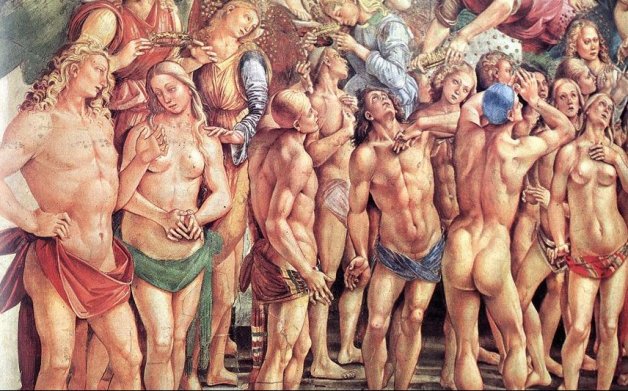
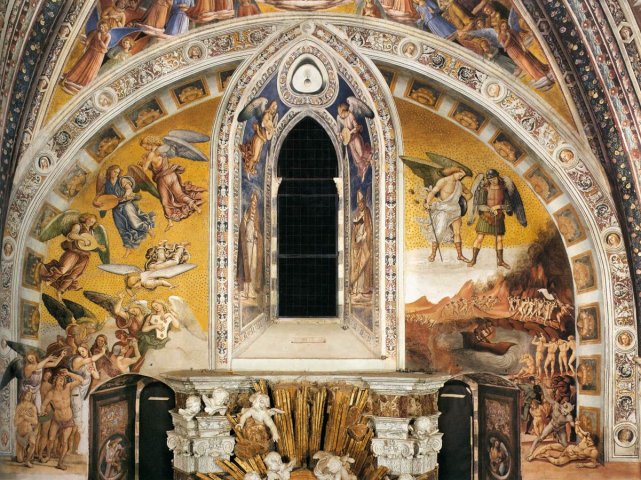
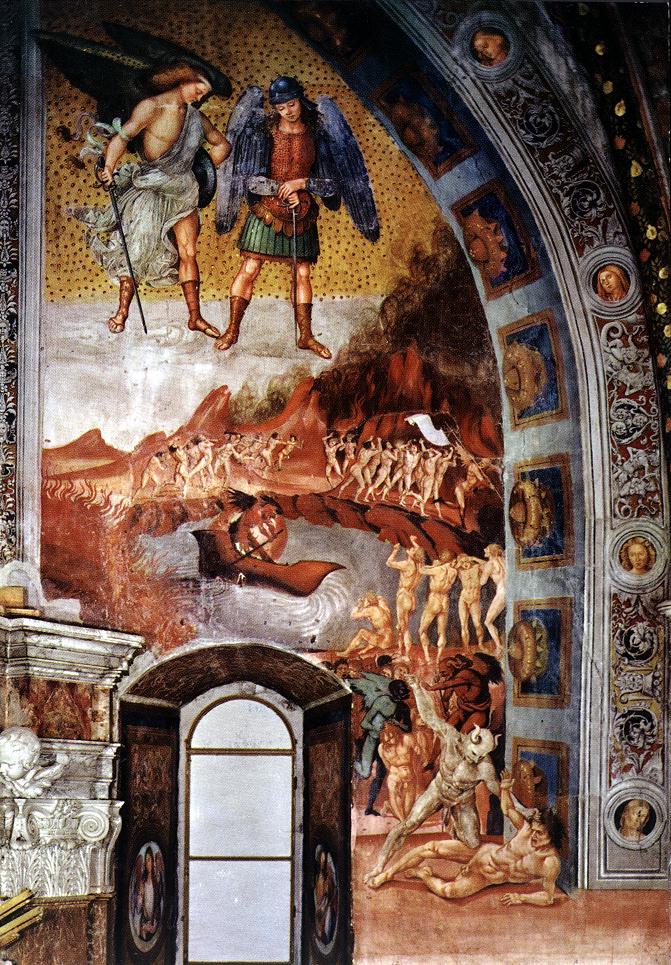
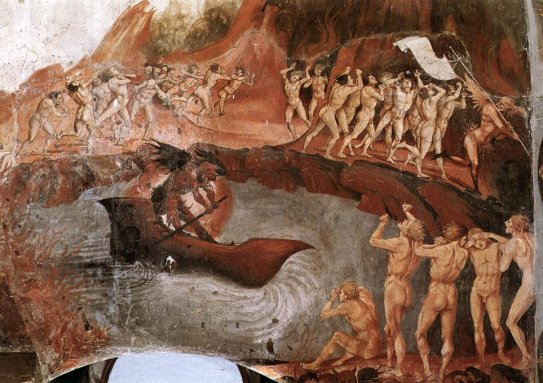
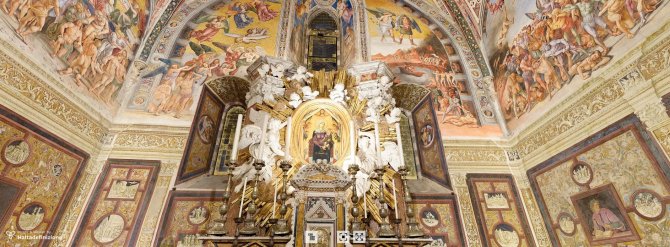
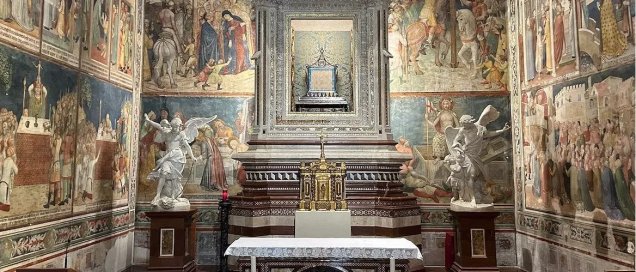
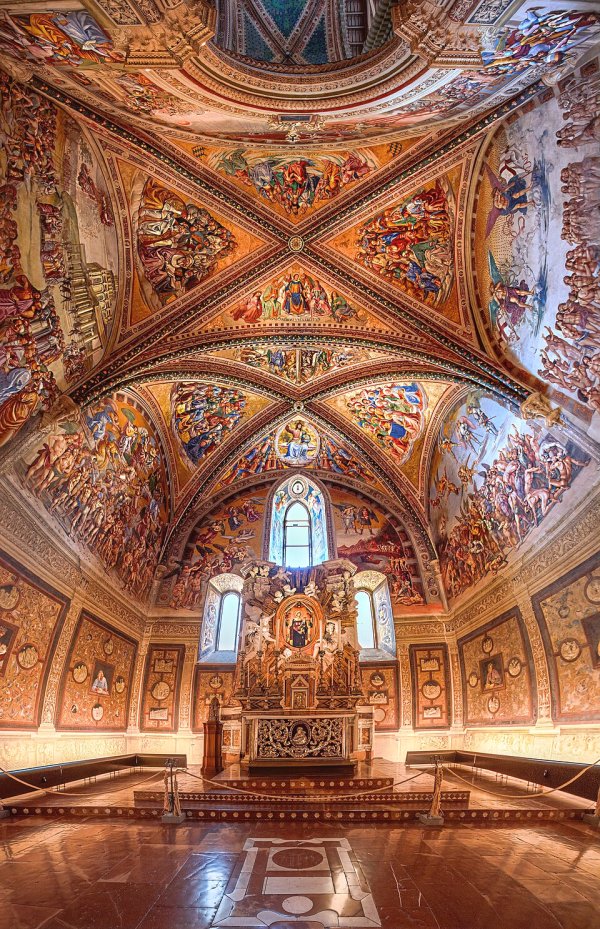
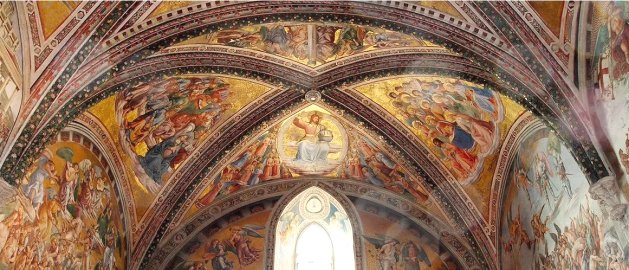
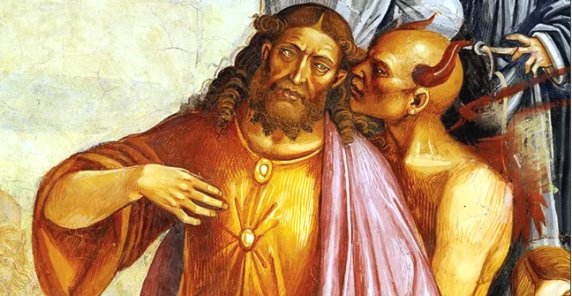
However Signorelli is probably best known for his frescos at the Chapel of St Brizio inside the Orvieto’s Duomo…………………………………..

…………………..to be continued.


The information for this blog came from a number of websites, the main ones being:

The Art Story

The History of Art

Grokipedia

Pinturicchio . The Master of Frescoes – The Baglioni Chapel

In my last blog I looked at the Pinturicchio frescoes in the Bufalini Chapel and although the artist had painted numerous frescoes in many places of worship, in this blog, I just want to focus on his artistry in the Bagnoli Chapel, part of the Collegiate church of Santa Maria Maggiore, in the town of Spello, Perugia and the frescoes executed by him at the start of the sixteenth century during one of last major commissions.

Datei:Pinturicchio - Christ among the Doctors (detail) - WGA17775.jpg
Troilo Baglino (left), fresco detail by Pinturicchio in the Baglioni Chapel 

Troilo Baglioni was the prior, later bishop and protonotary of the Church of Santa Maria Maggiore in Spello, an ancient town and commune of Italy, in the province of Perugia in east central Umbria. He was in charge of the management of the chancellery of that church and the diocese and it was he, who, in 1500, commissioned Pinturicchio to decorate the walls of the Cappella Bella which later became known as the Baglioni Chapel .  Pinturicchio and his workers set about the task in the Autumn of 1500 and completed the commission in the Spring of 1501.  The paintings, typically for Pinturicchio, were completed in such a short period as he had around him, a well-organized workshop, with other masters painting above his drawings. The finished product ensured his artistic reputation and prominence in Umbria.

Baglioni Chapel

The chapel has a quadrangular floor plan with a cross-vault. The entire chapel, all three walls and the ceilings, are covered in frescoes.  The frescoes are themed stories about the childhoods of Mary and of Jesus. a pictorial account of the Annunciation, the Adoration of the Shepherds, and Jesus at the Temple..

The vaulted ceiling of the Baglioni Chapel

On the vaulted ceiling, we see depicted four Sibyls, female prophets, Tiburtina, Eritrea, Europea and Samia, seated on thrones and flanked by cartouches with prophecies of the coming of Jesus Christ.

As you enter the chapel, on the left wall, there is Pinturecchio’s fresco of the Annunciation, which is set in a large Renaissance loggia.  As we look at it our eyes are drawn through, what is termed, the hortus conclusus (enclosed garden) towards the handsomely and meticulously detailed landscape background.  The two main characters in the fresco are Mary and an angel.  Mary had been reading a book which was on a tall ornate wooden lectern but has now been distracted by the angel, who kneels before her with a white lily in one hand, symbolising  virginal purity.  Above them we see God the Father depicted encircled by angels and giving off a ray of light which incorporates the Holy Ghost in the form of a dove (just above the lectern).

Look to the lower right of this fresco.  What is strange about this fresco is that if you look closely under the small bookshelf, you will see a portrait.  In fact, it is a self-portrait of Pinturicchio, featuring the bejewelled inscription, “BERNARDINVS PICTORICIVS PERVSIN[VS]” referring to Pinturicchio’s birth name of Bernardino di Betto.

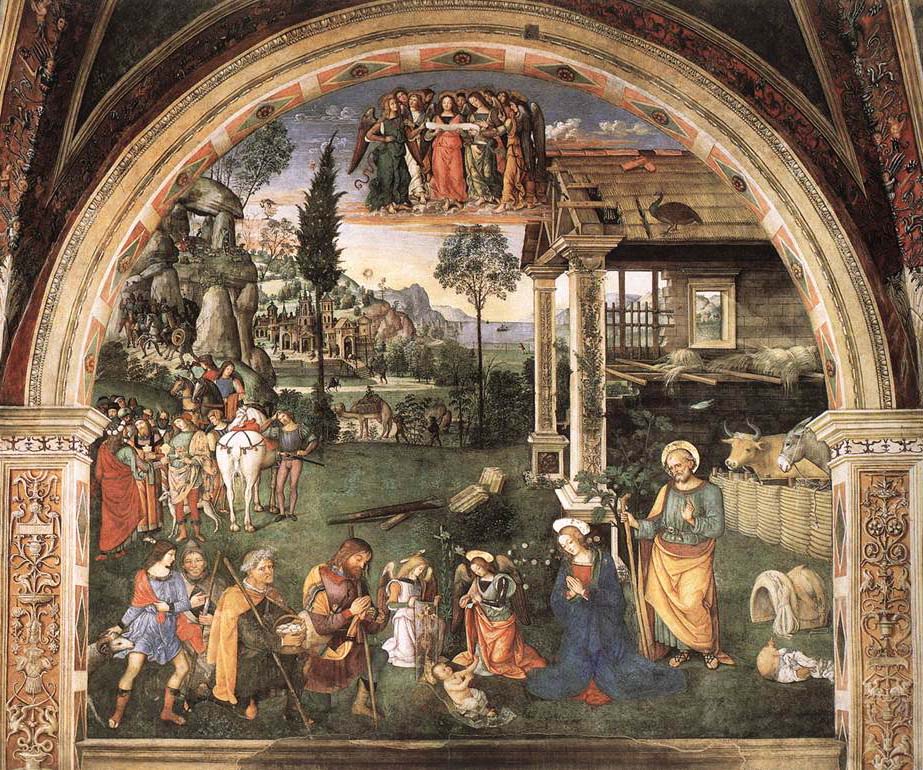
The Adoration of the Shepherds by Pinturicchio (1501)

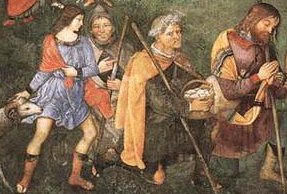
The rear wall of the Baglioni Chapel features the fresco depicting the Adoration of the Shepherds. It is a depiction of an idyllic scene within an extensive landscape and includes a number of  secondary motifs. In the background, we can see the arrival of the camels of the Magi procession.  The setting in the foreground is a grassy area in front of the stable, and a line of shepherds who have come to visit and bring gifts to the mother and the new-born child.  

The Shepherds by Pinturicchio

The three shepherds stand out as being over-sized.   They have expressive and detailed features, after the fashion of early Netherlandish painting which influenced Pinturicchio. Their facial characteristics are in a way crude, almost scowling and differ greatly from anything else in Pinturicchio’s repertoire of figures. The one exception is the young man on the left with a goat. This is depicted with a more idealized beauty, inspired by ancient reliefs with sacrifice motifs.

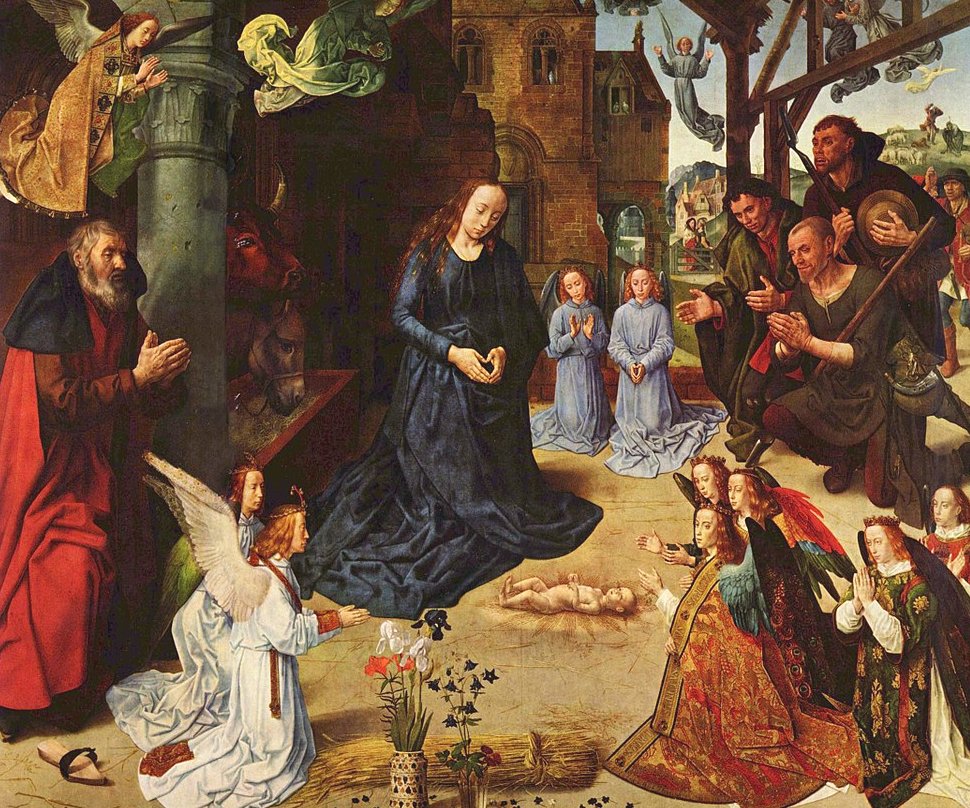
The central panel of the Portinari Altarpiece by Hugo van Goes (1472)

Art historians have put down Pinturicchio’s depiction of his “crude scowling” shepherds as being influenced by the figures of the shepherds in the Portinari Altarpiece which was painted by Hugo van der Goes around 1472.

The figures of the shepherds in the Portinari Altarpiece

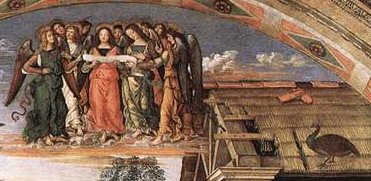
In the left background of the fresco on the rear wall we see a meticulously drawn town at the foot of a mountain.  To the right we see a temple-like stable with a window through which we can see a mountainous landscape.  On the roof of the stable sits a peacock, a symbol of immortality. 

In the sky above the nativity scene we observe a cluster of angels on a bank of clouds.  They are celebrating the birth of Jesus in song.

On the right-hand wall as you enter the Baglioni Chapel there is a large fresco pictorially recounting the story of the Dispute with the Doctors. .  It is based on an occurrence in the early life of Jesus depicted in Chapter 2 of the Gospel of Luke.  Twelve-year-old Jesus had accompanied Mary and Joseph, and a large group of their relatives and friends to Jerusalem on a Passover pilgrimage.. On the day of their return, Jesus hung back in the Temple, but Mary and Joseph thought that he was among their group and she and Joseph headed back home.  It was not until a day after they returned that they realised Jesus was missing, so they returned to Jerusalem, finding Jesus three days later among a group of philosophers.   

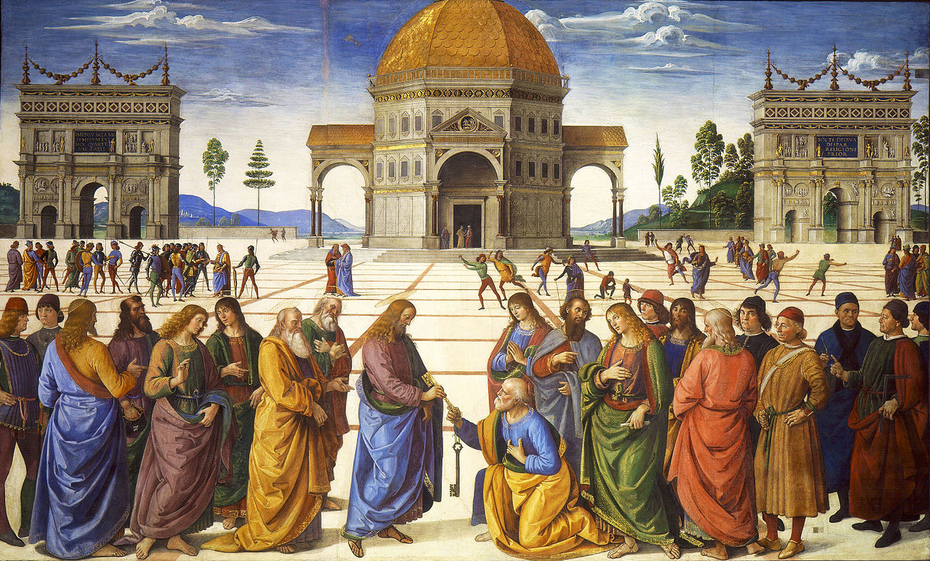
In the background we see the Temple of Jerusalem with its large dome.  The scene follows an arrangement which Pinturicchio had already used in his fresco on the wall of the Bufalini Chapel, which itself originated from a Perugino fresco in the Sistine Chapel, Delivery of the Keys.  At the centre of the depiction stands the Child Jesus who is debating with and surrounded by two groups of philosophers from the Temple of Jerusalem. His books are scattered on the pavement in front of him. By contrast, the richly dressed scholars either clutch their books close to their chests or read aloud from them. The temple can be seen in the background and is characterized by a large dome. The crowd is formed by standard set of characters which includes young spouses, wise men, toothless women and others, all of whom are witnessing the dispute.

On the left of the crowd, dressed in the dark robes of a protonotary apostolic (a prelate who is a member of a college charged with the registry of important pontifical proceedings). It is a portrait of Troilo Baglioni, who commissioned the frescoes for his chapel

[Photo Credits: tyle_r]
Pinturicchio’s frescoes in the Piccolomini Library

Pinturicchio’s many paintings and frescoes can be seen throughout Italy.  Between 1481 and 1482, he worked in Rome, and collaborated with Perugino on the frescoes of the Sistine Chapel. From this his career flourished and he worked uninterruptedly in the service of five popes: from Sixth IV to Julius II, passing through Innocent VIII, Alexander VI, and Pius III.  He also received commissions from well-to-do and important clients such as the della Rovere family and Pandolfo Petrucci, the lord of the Italian Republic of Siena.. In Siena, among the many works, he created the extraordinary cycle of the Piccolomini Library in the Duomo of Sienna, and completed frescoes in the chapel of San Giovanni Battista.

Bernardino di Betto (Benedetto), the Italian painter known as  II Pinturicchio dies in Sienna in 1513 aged 61.

Pinturicchio the Master of the Fresco. Part 1.

Over recent months I seem to have concentrated on writing about artists who were practicing their trade during the Victorian period and the first couple of decades of the twentieth century.  Yet, when I look back on my earliest blogs I seemed to have favoured the Dutch and Flemish painters of the sixteenth and seventeenth centuries.  Today I am going to deviate again and look at the life and work of the fifteenth century Italian Renaissance painter Pinturicchio.  I came across the artist and one of his major fresco commissions when I read the excellent blog io sto a casa, written by Jackie, an American teacher who lives with her Italian husband in Le Marche, Italy. She and her husband are lovers of art and often travel around the country visiting places of interest which hold artistic treasures.  It was she who mentioned the artist Pinturicchio in one of her recent blogs.

2008 Italian postage stamp

Bernardino di Betto was born around 1454 in the Italian city of Perugia.  He was also known by his nickname, Il Pinturicchio, meaning “little painter” because of his small stature.  His parents were a family of artisans, his father being a cloth tanner.  His early life seems to have been filled with unhappiness, compounded by the death of his father from the plague when Pinturicchio, was just a teenager.  His first foray into the world of  fine art came when the talented miniaturist, Giapeco Caporali opened a bottega (a workshop of a major artist in which other artists may participate in the execution of the projects or commissions of the major artist) close to Pinturicchio’s father’s house at Porta Sant’Angelo. Pinturicchio worked there for a time and would take a share of the profits of the work completed in the studio.  In 1481 Pinturicchio joined the painters’ guild in Perugia.  Perugia was at that time experiencing a great artistic fervour and the central Italian city was becoming a renowned hub for artistic activities of which Pinturicchio contributed. Once Pinturicchio had enrolled in the guild of Artists and Painters in Porta Sant’Angelo, Perugia, his output began to be recorded.  He received many commissions and joint commissions for his fresco work.

Basilica of Santa Maria in Aracoeli in Rome

Meanwhile, in Rome, the first phase of the work on the Sistine Chapel had been on-going.  The fresco work had been carried out by some of the Italian Masters, such as Botticelli, Perugino, Ghirlandaio, Signorelli,  Cosimo Rosselli and Pinturicchio.  The first phase of this massive undertaking came to an end around 1482 and most of these Italian Masters returned to their home cities.  This is with the exception of Pinturicchio who did not go home but instead remained in the city and set up a workshop. as he could take advantage of the opening left by the other great artists. He then chose a group of Italian painters who had collaborated with him at the papal chapel.  His group contained artists from the many regions of the country who were willing to remain in Rome and work for him.    Having set up this group and with many of the renowned artists having left the eternal city he was awarded his first commission in Rome by Nicolò Manno (Riccomanno) Angeli Bufalini, a consistorial lawyer and one-time bishop of Venafro, for his family chapel which was part of the Basilica of Santa Maria in Aracoeli in Rome, which stands on the Capitalone hill. Pinturicchio’s frescos in the Bufalini Chapel depicted scenes from the life of Saint Bernardino of Siena and Saint Francis. The commission was to remember the reconciliation that took place between the Bufalini family and the Baglioni of Perugia, thanks to St. Bernardino.

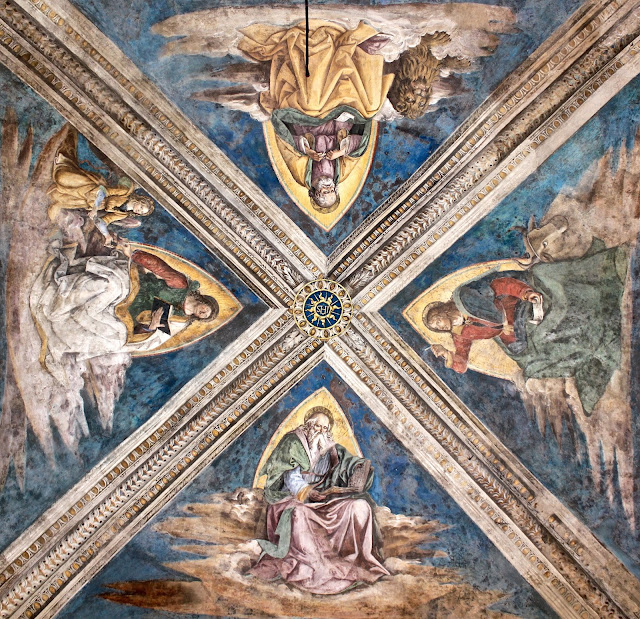
Bufalini Chapel ceiling

Pinturicchio and his team set to work on the chapel around 1484.  On the vaulted ceiling there are depictions of the four Evangelists, Matthew, Mark, Luke and John, each seated on a cloud, in front of a dark blue, star-studded background.  

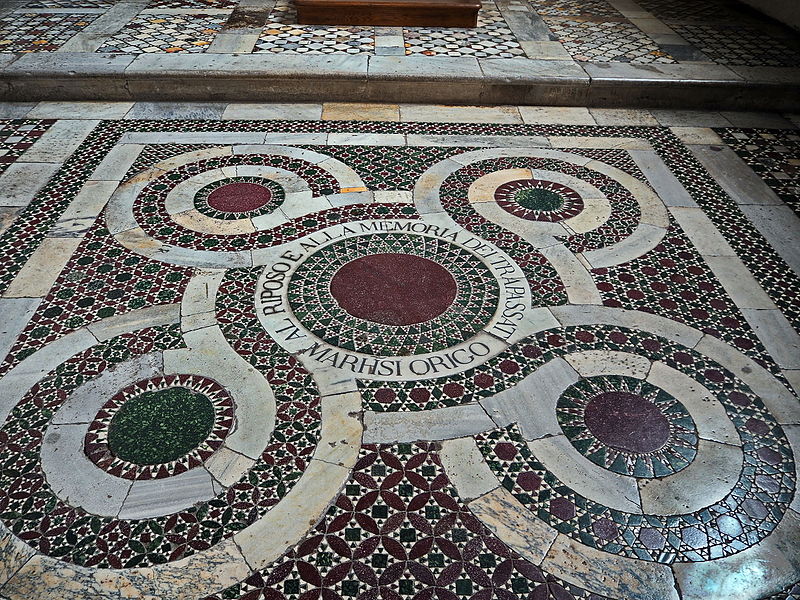
Bufalini Chapel floor

The chapel itself has a quadrangular base, with the vault and floor decorated with cosmatesque mosaics. The Cosmatesque style takes its name from the family of the Cosmati, which flourished in Rome during the twelfth and thirteenth centuries and practiced the art of mosaic.   The inside of the chapel comprises of three sides and the frescoes on the three walls are dedicated to the life and miracles of St. Bernardino of Siena, an Italian priest and Franciscan missionary, who was canonized as a saint in 1450, and who was very popular during the Renaissance.  The frescos also featured two stories of St. Francis.

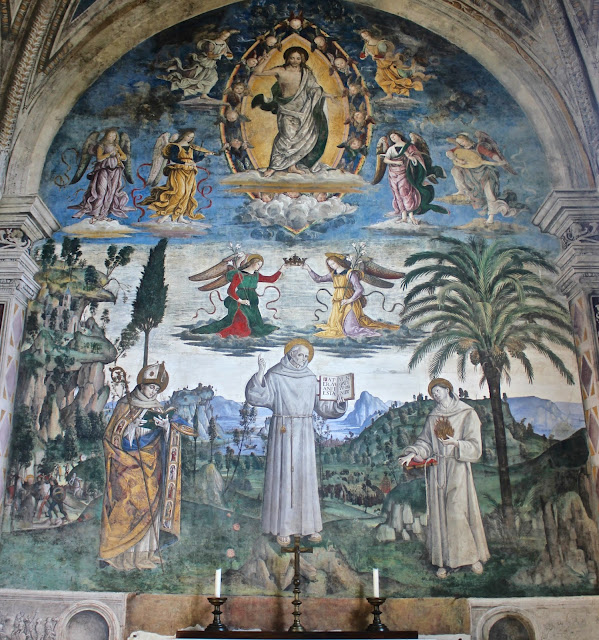
The back wall of the chapel, the altar wall, is decorated by a fresco entitled The Glory of Saint Bernardino.  It is horizontally divided into two sections.  The lower section depicts San Bernardino standing on a rock with outstretched arms.  His right hand points up to Christ. In his left hand he holds an open book in which one can read:

PATER MANIFESTAVI NOMEN TVVM OMNIBVS

“Father, I have shown your name to everyone”,

Above him are two angels who are in the process of crowning him.  Either side of him stand two saints,.  On his right is St. Louis of Toulouse adorned in in his solemn episcopal robes and on his left stands Saint Anthony of Padua in a Franciscan habit..  In one of St Anthony’s hands he holds the flame symbolising his piety whilst in the other he holds a book symbolising his knowledge.  The background of this lower section is a landscape with rocks, lakes and mountains, which extends the depth of the space.  This scene is probably one Pinturicchio would have recalled from his homeland.

In the upper part of the fresco we see Christ in the act of blessing.  His figure is encased in a mandorla. The term mandorla means an almond-shaped frame that surrounds the totality of an iconographic figure.  Surrounding Christ are worshiping and music-making angels.

Left-hand wall of the Bufalini Chapel

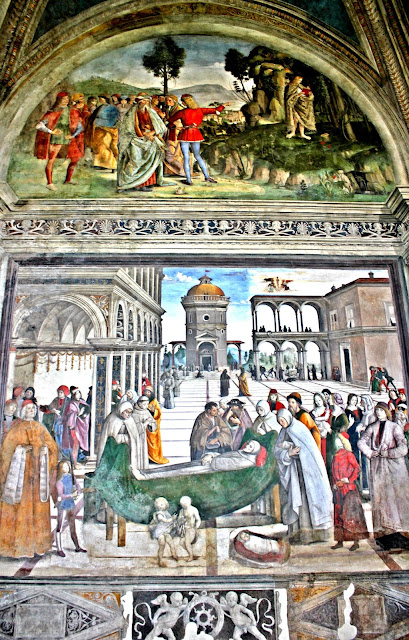
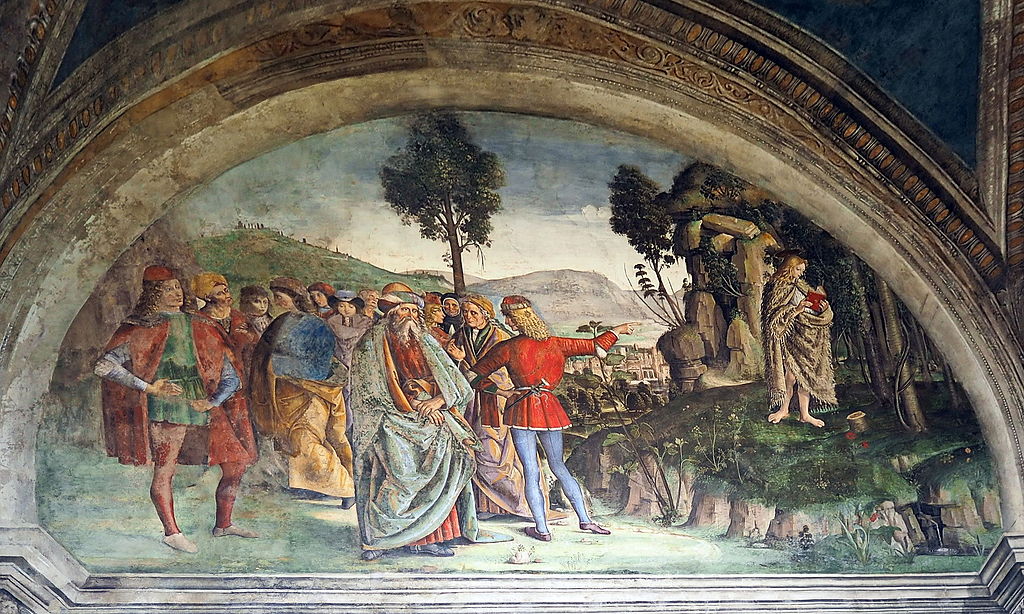
On entering the Bufalini Chapel, the wall to the left comprises of two scenes one atop the other, divided by a painted frieze. The upper part is a lunette, a half-moon shaped, or semi-circular, arch, which depicts St. Bernardino being penitent before the Porta Tufi in Siena and this fresco shows a young Bernardino’s first hermitage.

Upper lunette

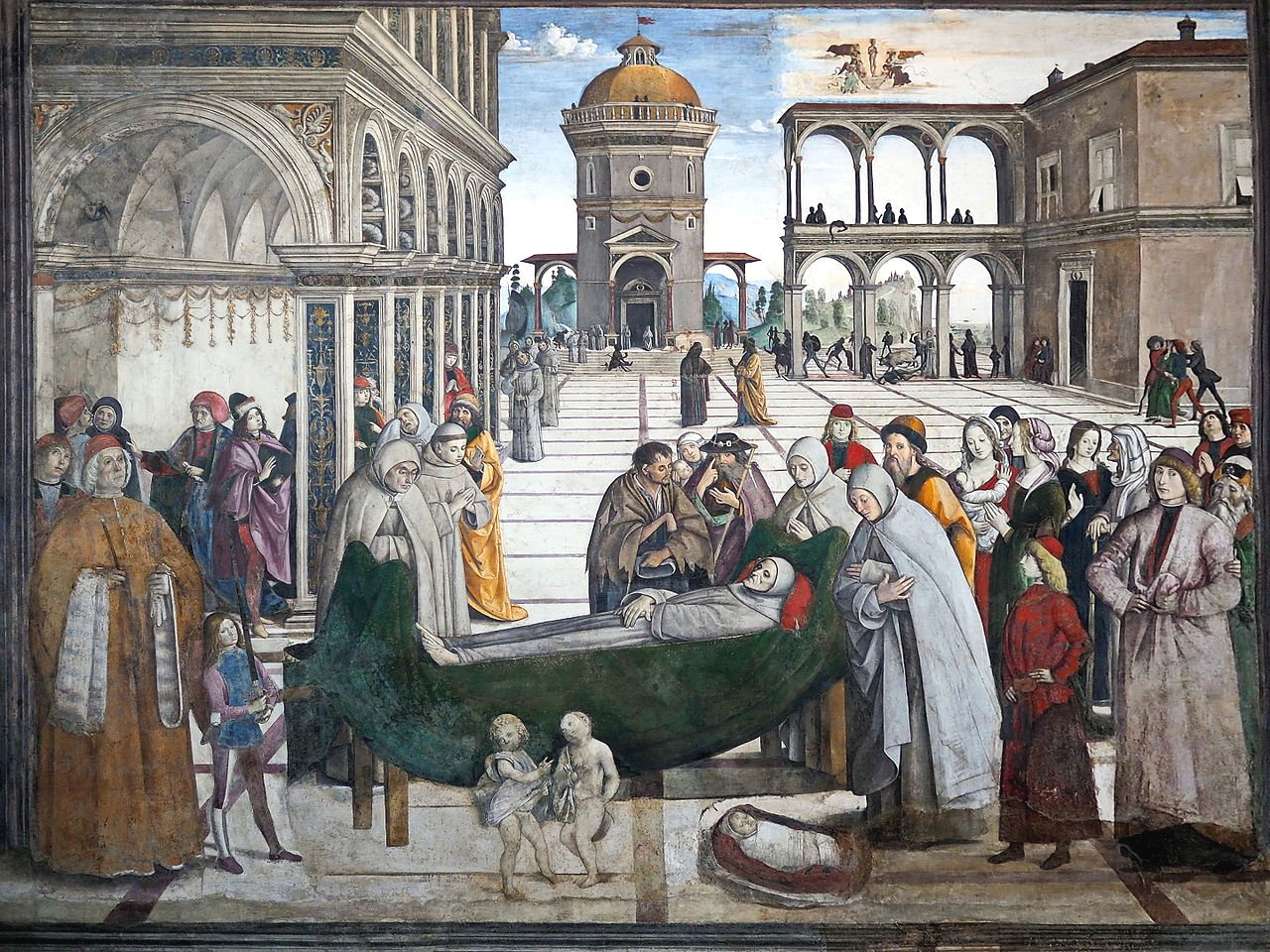
The fresco on the lower part of the left-hand wall is much more interesting.  It depicts the Funeral of Saint Bernardino. 

The fresco on the lower part of the left-hand wall is much more interesting.  It depicts the Funeral of Saint Bernardino.  The setting is a city scene with a chessboard-like pavement.  It is painted using geometrical perspective, which enables the depiction of a three-dimensional form as a two-dimensional image which carefully looks like the scene as visualized by the human eye.  The vanishing point is a building similar to one depicted in Perugino’s painting, Delivery of the Keys, although Pinturicchio has two buildings of different heights at the sides. On the left is a loggia,  a covered exterior gallery or corridor, supported by piers decorated with fanciful gilded candelabra. On the right is a cubic building connected through a double loggia to the landscape and the bright sky in the background.

See the source image
Pietro Perugino’s painting, Delivery of the Keys.(1482)

The foreground is dominated by the Saint Bernardino’s funeral. We see his body laid out on what is termed a catafalque, a decorated wooden framework supporting the coffin of a distinguished person during a funeral or while lying in state. Its presence increases the sense of spatial depth

Riccomanno Bufalini

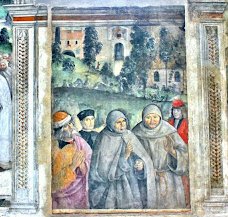
All sorts of folk, friars, pilgrims and the “common” people approach the body to pay their respect. Look at the tall figure in the left foreground wearing the brown robe, with a fur-lined hood and gloves.  He is Riccomanno Bufalini, the person who commissioned the frescoes.

Sight restored.

The remaining characters we see standing around the coffin often portray a series of miracles attributed to Bernardino during his life.  We see the once-blind man who was healed and given back his sight by the body of Bernardino, standing by the head of the coffin pointing to his eyes.  There is the resurrection of someone possessed by the Devil, the healing of the stillborn baby of John and Margaret Basel, the healing of Lorenzo di Niccolo da Prato, wounded by a bull, and the pacification of the warring Umbrian Bufalini and Baglioni families.

The Blessing
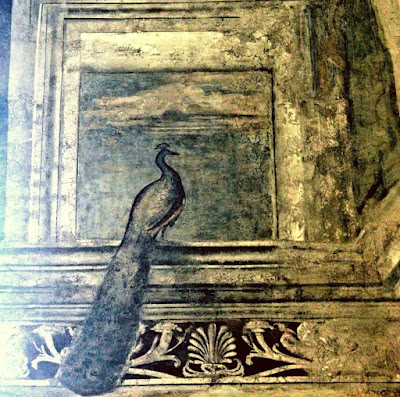
The peacock

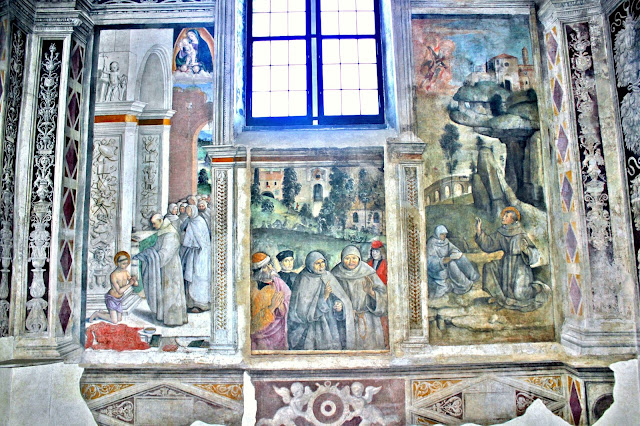
The right wall of the Bufalini Chapel features a double mullioned window.   Pinturicchio has implemented an illusionistic perspective, when he painted two imitation symmetrical windows, one depicting a blessing from God the Father and the other featured a peacock which was an early Christian symbol of immortality.

There is also a fresco featuring, on the left, a scene from the life of St. Bernardino of Siena in which we see him receiving the religious habit. It is set in an oblique perspective that exploits the decorated pillars with a grotesques arch. Finally, there is a small scene on the right featuring, in the background, a view of the Verna Sanctuary over a rocky peak which depicts St. Francis in the act of receiving the stigmata, in honour of the Franciscan foundation of the Aracoeli.

Under the real window is an illusory opening depicting five characters: among them is an aged friar, perhaps the convents prior, and a lay figure that resembles him, perhaps an administrator of the basilica.

In the next blog I will be looking at the frescoes by Pinturicchio on the walls of the Baglioni Chapel in Spello.

………………………………to be continued.