Charles Leickert. Part 1. The early years, influences and tutors

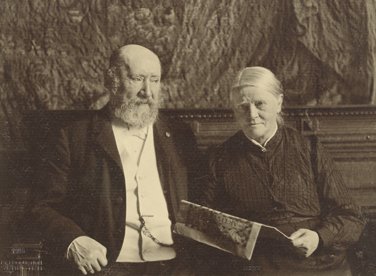
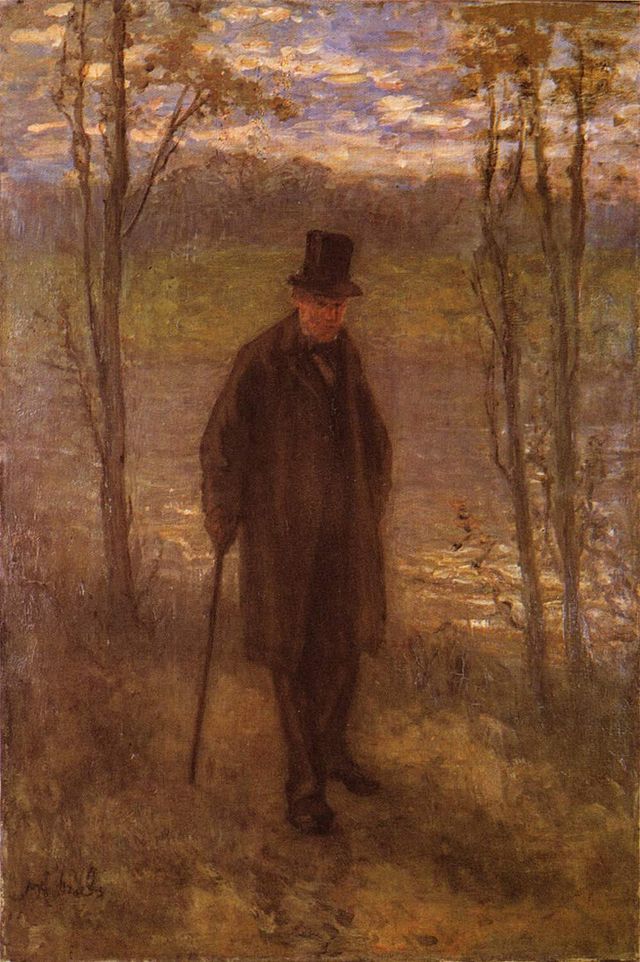
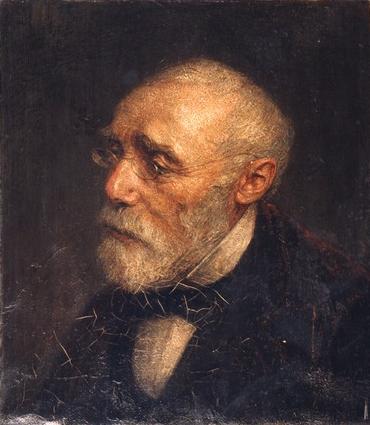
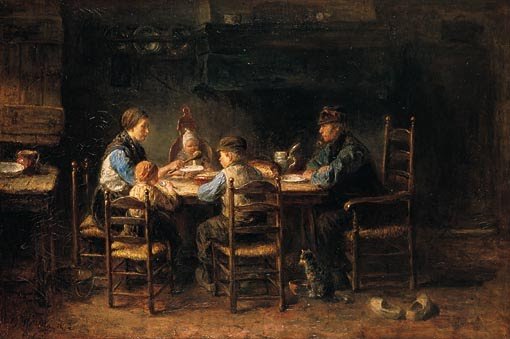
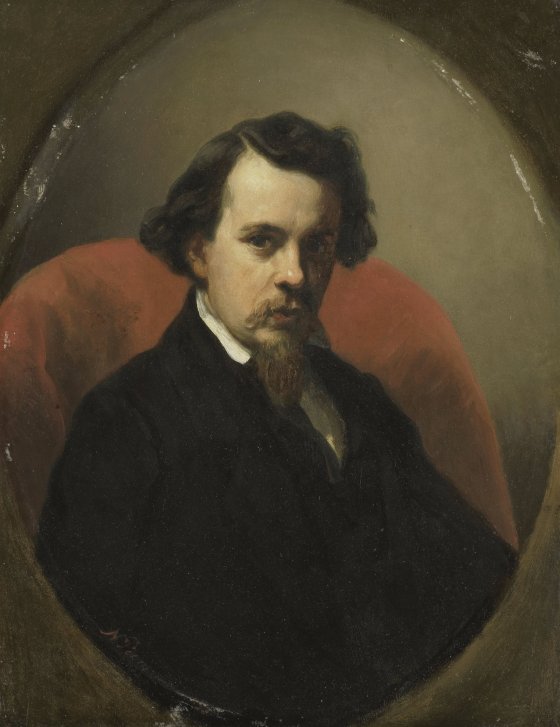
Charles Leickert by Nicolaas Pieneman (1853)

My featured artist today and over the next two blogs, is the Dutch nineteenth century landscape painter Charles Henri Joseph Leickert. His painting genre was also often associated with another artistic “-ism”, that of Romanticism. But what is Romanticism when used as a description of an artist’s work. In his 1950 book De Romanesken, the Dutch art writer, Frans Hannema described Romanticism in art as:

“…A great emotive stirring of the heart; an all enveloping expansion of feeling; a controllable urge for the whimsical, the grotesque, the fantastic and the eerie; a boundless desire and self-imposed hardship; a fantastic devotion and passionate contempt; an unfathomable nostalgia for the transience of all happiness and for the inconstancy of all things; a flight from circumscribed reality to the interminable dream: these are the fiercely jostling and often contradictory emotions with which the soul of the Romantic individual is affected…”
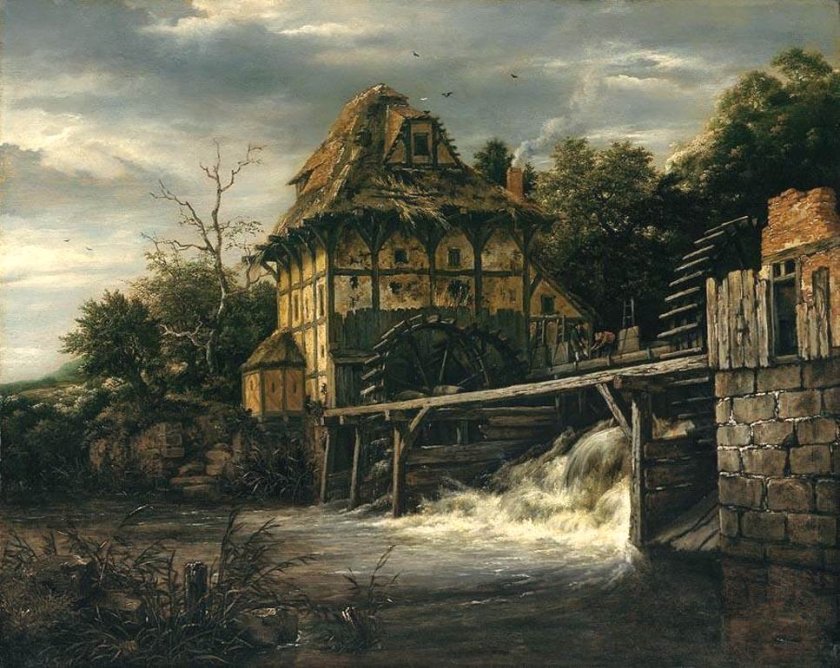
Two Undershot Watermills with Men Opening a Sluice by Jacob van Ruysdael (1650s)

However, Romanticism in art was not that evident in Dutch paintings of the time. The leading Romantics of the nineteenth century were the Frenchman, Théodore Géricault, and Eugene Delacroix and the German Caspar David Friedrich. Dutch paintings in the early nineteenth century were generally limited to landscapes and cityscapes. The favourite Dutch artists of the time were from the bygone days of the seventeenth century such as Jan van Goyen, Salomon van Ruysdael, Jacob van Ruisdael, and Isaac van Ostade. Unlike the Romantic depictions of forests and waterfalls depicted in Jacob van Ruysdael’s works, Leickert preferred to depict everyday Dutch village and river scenes with their picturesque embankments or winter scenes featuring frozen canals on which people would be seen skating, and the frozen rivers and canals would often be overlooked by windmills. However, the Romantic title associated with Leickert was probably due to his ability to saturate his scenes with what is almost a supernatural light which was so prevalent in his depictions especially those featuring the evening sun.
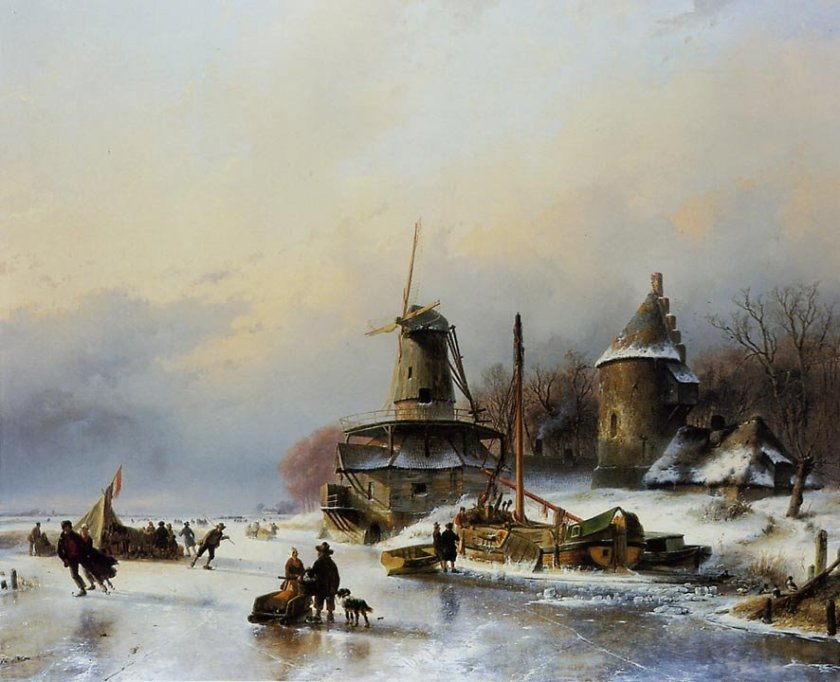
Ice Merriment Near a Mill by Andreas Schelfhout

So why is Leickert not a well-known Dutch artist? Some historians believe the answer lies with his character. He was a shy person and often hid his light under the proverbial bushel. The bushel being his mentor and teacher, Andreas Schelfhout, whose shadow Leickert was pleased to remain under. The subject of Schelfhout’s works was very similar to that of Leickert or maybe that should be seen the other way around! Andreas Schelfhout was a Dutch painter, etcher, and lithographer, known for his landscape paintings. Schelfhout belonged to the Romantic movement and his Dutch winter scenes with frozen canals and skaters were already famous during his lifetime.

Charles Leickert was born on September 22nd, 1816 in Brussels. His parents were, his father Henricus Michael Leickert who had been born in Wittendorf, Germany in 1781 and his mother, also German-born, Henrietta Frederique Martilly. Leickert’s parents, who were married in Berlin, lived there until 1815, at which time with the defeat of Napoleon at the Battle of Waterloo and the subsequent ending of the First French Empire, the French were driven out of the Netherlands and Leickert’s father, mother, and his eldest sister, two-year-old, Louïze Frederica, moved from Berlin to Brussels.

Summer Landscape by Charles Leickert

Leickert’s father gained employment as the King’s chamberlain (valet de chambre) at the court of King Willem I. At this time, and until 1820, the Kingdom of the Netherlands had twin seats of government, The Hague in Northern Netherlands, and Brussels in Southern Netherlands and so Henricus Leicker, as part of the royal entourage, had to move with his family backwards and forwards from one city to the other. In 1816 Charles Leickert was born in Brussels while some his younger siblings were later born in The Hague. Finally, around 1820 The Hague was designated as the sole capital of The Netherlands and the Leickert family made their home there. With the defeat of Napoleon and the ending of the French annexation of the Netherlands thousands of people came to live in the country and the population of The Hague swelled. The surge in population led to housing shortages, poor sanitation and disease which led to a large rise in infant mortality. The Leickert family were hit hard losing most of their children before they reached adulthood, some due to typhoid and tuberculosis and his three-year-old brother died of his burns in a fire.

View of the Old Women and Children’s Hospital in The Hague by Bartholomeus van Hove (1830)

Charles Leickert managed to survive and when he was just twelve years old, because he was showing talent as an artist, his father enrolled him into The Hague Drawing Academy in 1827. The tutor who had the most influence on Leickert was the Dutch landscape and cityscape painter, Bartholomeus van Hove. In 1828, a year after his enrolment, Charles Leickert’s father Henricus died. The cause of death was given as verval van krachten which simply means a decline in strength which seems very unusual as Henricus was just forty-five years old, but it could have been “part and parcel” of the poor sanitary conditions of the city at the time. Leickert’s mother Henrietta was left to bring up the family but struggled financially as her poor health meant she could not work. She pleaded successfully with the art academy to give her son artistic tuition for free, a decision which says a lot for Leickert’s talent. With no money to pay the mortgage, the king stepped in and bought the house of his one-time servant and Henrietta, along with Charles and his two sisters, Adelheid and Barbara, moved into rented accommodation. The health of Leickert’s mother continued to deteriorate and she eventually died in 1830.
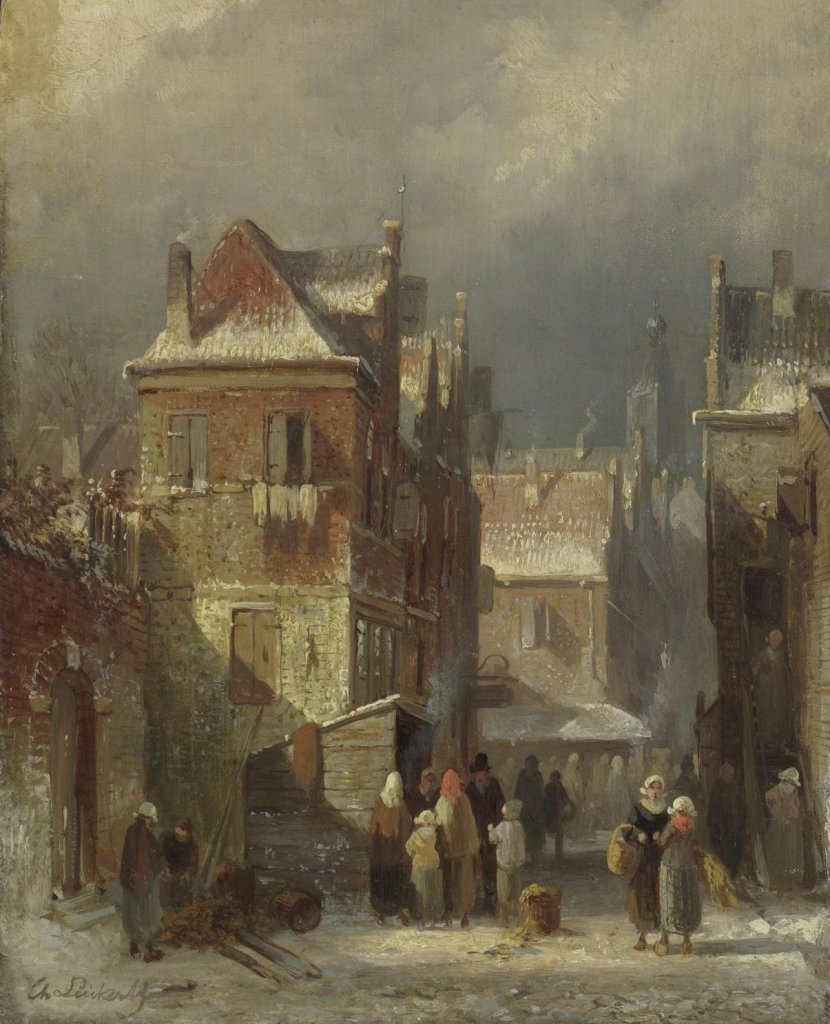
Winter Landscape by Charles Leickert (c.1860)

Charles Leickert’s mother was a great believer in her son’s talent as an artist and she wrote a short poem in one of his sketchbooks as a testament to her belief that one day he would become a great painter. A translated version of her poem is:

Accept this booklet, little Lijket
And fill it with sweet studies
Improve your judgement, and the little heart
That burns with love so sweet for art
With little skills, free from small sorrows
May life flit by till death draws nigh.

Walk in the little field and in small nature
Observe and draw each little hour
Every little object, be it great or small
And great you shall one day be as artist.

Charles then 14 years of age, Adelheid aged 10 and Barbara aged 12 were placed in the Civic Orphanage. Their older sister Louïze, who was eighteen, had her own home as a live-in domestic. Although being consigned to an orphanage seems harsh, it had its benefits. Sanitation was good, the children were inoculated against infections which were killing many children at the time and they were fed and clothed. Life in fact for the children was quite good, and for Charles, being the son of the former First Chamberlain to the King, he was allowed to carry on his art lessons at the Drawing Academy. Art played a part in the orphanage and the children were encouraged to try out art and the most talented would attend painting classes which were funded by charitable bequests.

Winter Scene by Charles Leickert (1867)

It is known, through his biographer, Johannes Immerzeel, that Charles Leickert’s first art teacher was Bartholomeus van Hove who ran a flourishing studio as well as teaching at The Hague Drawing Academy. Whilst under van Hove’s tutelage, Leickert honed his drawing skills and the art of chiaroscuro. The term chiaroscuro derives from the two words chiaro bright (< Latin clārus) + oscuro dark (< Latin obscūrus) and describes the prominent contrast of light and shade in a painting, and how the artist by managing the shadows is able to create the illusion of three-dimensional forms.

…………….. to be continued


Most of the information for the three blogs on Charles Leickert came from excellent 1999 book entitled Charles Leickert 1816-1907: Painter of Dutch Landscape by Harry J Kraaij
The ter Borch family

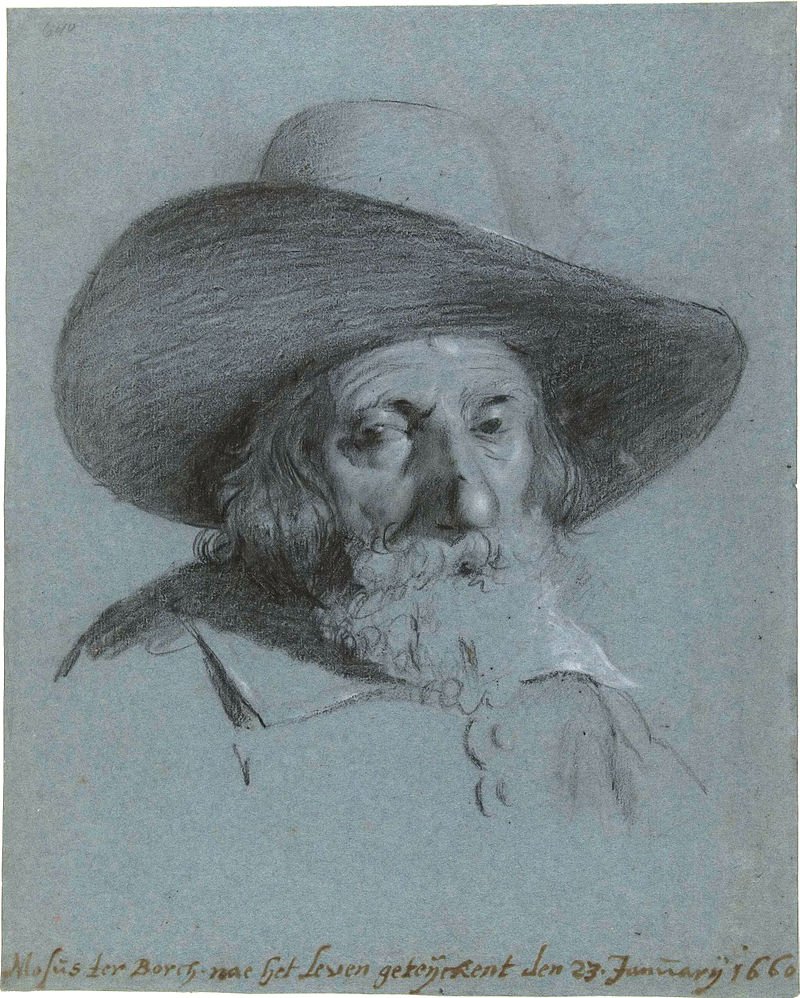
Gerard ter Borch the Elder by Moses ter Borch (1660)

Today I am looking at a dynasty of Dutch artists – the ter Borch family.  The head of the family was Gerard ter Borch the Elder who was born in Zwolle in 1583.  At the age of eighteen he travelled to Italy and stayed in Rome and Naples for the next eleven years drawing and painting local landscapes.  On his return to his home town of Zwolle he married Anna Bufkens and five years later, in 1617, she gave birth to their son Gerard.

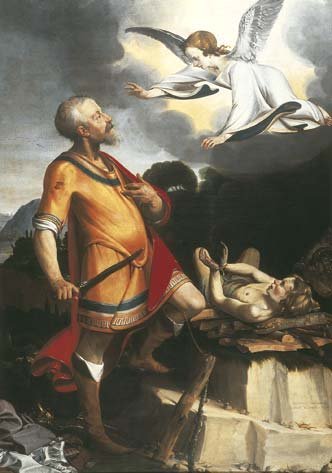
The Sacrifice of Abraham by Gerard ter Borch the Elder (1619)

During his final years in Italy and after his return to The Netherlands, many of the paintings by Gerard ter Borch the Elder featured scenes from the Bible, one of which was his 1619 painting entitled The Sacrifice of Abraham.

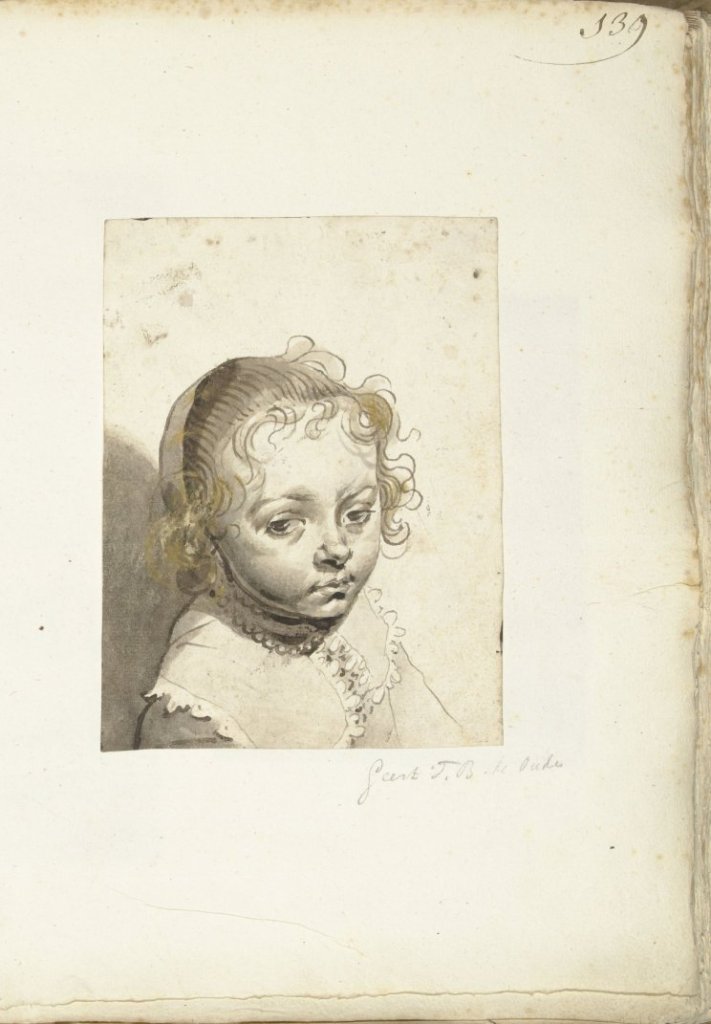
Head of a Girl by Gerard ter Borch the Elder (1628)

Gerard ter Borch the Elder was a talented draughtsman and this can be seen in his drawing, Head of a Girl, which he completed around 1628 and is thought to be a portrait of Sara, his daughter (by his second wife) who was four years old at the time.

Head of a Little Girl Wearing a Necklace by Gerard ter Borch the Elder (c. 1630)

Ter Borch the Elder, like many artists of the time used family members as their models and again we can see an example of this in another of his pen and ink drawings entitled Head of a Little Girl Wearing a Necklace.

Little Girl at a Table Holding a Slice of Melon by Gerard ter Borch the Elder (1630’s)

A third example of Ter Borch’s draughtsmanship is his 1630’s work entitled Little Girl at a Table Holding a Slice of Melon.  This small (12 x 9cms) drawing is done using black chalk, brown ink washes and black ink.  The brown wash is used to shade one side of the girl’s face and to cover the background. This wash reinforces the effect of light falling on her face and her clothing. The girl stares off to the right of the painting at something which is fascinating her. Other items of food lie in front of her. She is dressed simply, wearing a wide white collar over her dress.  Her hair is tied behind her head with a bow, but some loose strands have escaped and lie across her forehead.

In the late 1630’s Gerard ter Borch the Elder almost gave up his painting although he did oversee the artistic education of his children.

Self Portrait of Gerard ter Borch the Younger (1688)

The eldest of the Ter Borch children was Gerard ter Borch the Younger, the only child from his father’s first marriage to Anna Bufkens, and I suppose if I was to talk about a Dutch artist by the name of ter Borch you would probably assume that I was referring to Gerard ter Borch the Younger as he was probably the most accomplished member of this talented and prosperous Dutch artistic family.  He was born in Zwolle in 1617. His mother died when he was just four years old and was looked after by his father.  Gerard Junior proved to be a talented painter even before his teenage years. In 1632, he went to Amsterdam to study painting and two years later, when he was seventeen years old, he went to Haarlem to study with the painter and engraver Pieter de Molijn and there, he entered the Guild of St Luke of Haarlem the following year.

The Suitor’s Visit by Gerard ter Borch the Younger (1658)

In 1635 ter Borch the Younger travelled to London where he worked alongside his uncle, Robert van Voerst, the royal engraver of Charles I.  Many of his travels took him to Italy, France and Spain, the latter visit being an invitation to the Spanish royal court to produce a portrait of King Philip IV which gives you an idea as to how highly he was thought of as an artist.  Ter Borch received a knighthood and a gold chain and medal from the king of Spain for his artistic efforts.

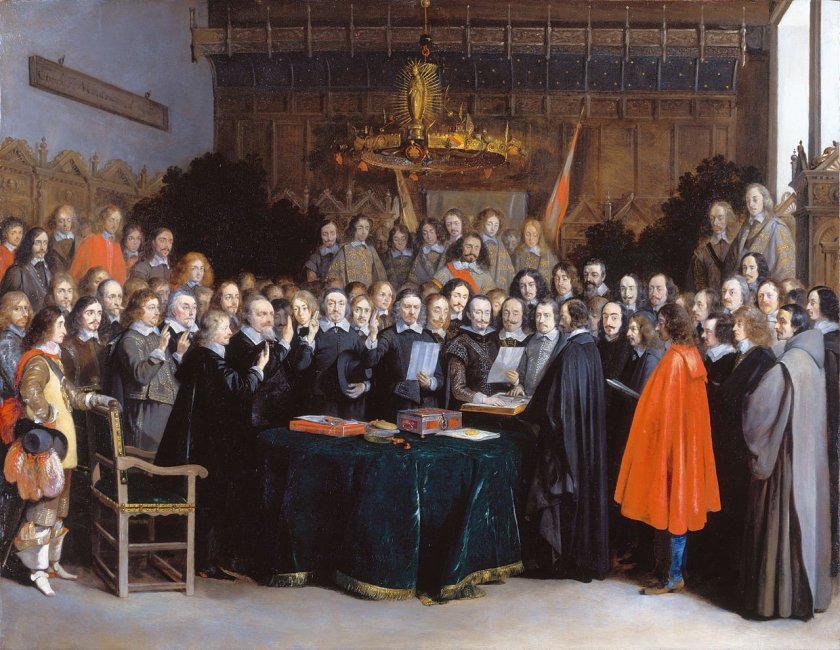
The Ratification of the Treaty of Münster, 15 May 1648by Gerard ter Borch the Younger (1648)

Around 1646 Gerard Ter Borch the Younger was living in Münster, Westphalia, and it is here he completed one of his most famous paintings, The Swearing of the Oath of Ratification of the Treaty of Münster which can be seen in the National Gallery in London. The Treaty of Munster, which was signed in May 1648, was a momentous time in the history of The Netherlands as it finally recognised the country’s independence. This treaty and the treaty signed in Osnabruck ended the Thirty Years’ War between 1618 and 1648 in the Holy Roman Empire, and the Eighty Years’ War between 1568 and 1648 between Spain and the Dutch Republic, with Spain formally recognizing the independence of the Dutch Republic.

The oil on copper painting is set in the Ratskammer (council chamber) of the Town Hall of Münster and depicts the portraits of seventy-seven men. In the foreground, standing behind the table, dressed in black, we see the six Dutch delegates.  To the right of the table stand the two Spanish.  Both sets of men are ratifying the treaty simultaneously.  A Franciscan monk stands behind the Spaniards on the extreme right.  What appeals to me about this work is that Ter Borch has taken the liberty of including himself in the work on the far left, gazing out at us!!!!

In his earliest works, Ter Borch depicted barrack-room scenes whereas most of his later genre scenes, focused on the more refined elements of Dutch society.

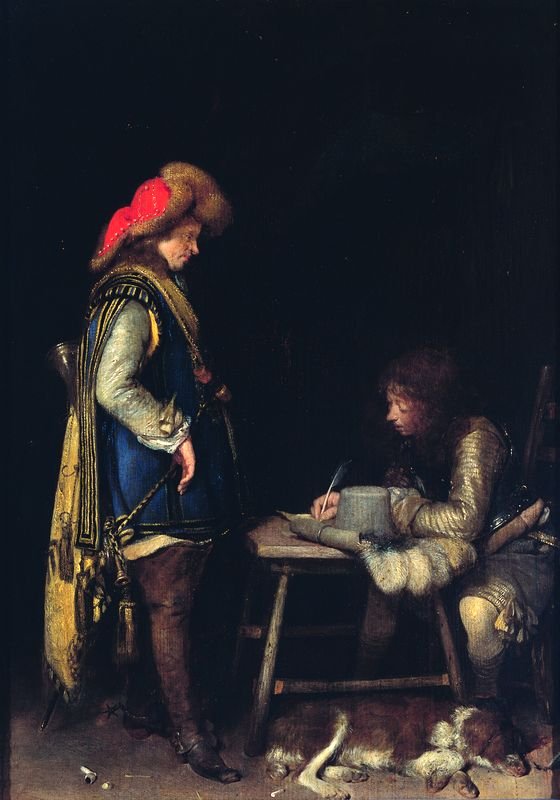
An Officer Dictating a Letter by Gerard ter Borch the Younger (1658)

Gerard ter Borch the Younger was also a leading proponent of genre scenes often featuring depictions of soldiers at rest in their barracks or the local taverns.  These works were generally small and upright in format and typically depict two or three elegantly clad, full-length figures engaged in an activity such as letter writing or music making.  The depiction of letter writing was extremely popular.  The reason for this probably stems from the belief that letter writing was predominately a form of relaxation among the middle and upper classes and these social classes had expanded during this period which saw the Dutch economy prosper.  An example of this is his 1658 work Officer Dictating a Letter.  They are executed with great sensitivity of touch and show an interest in the psychology of the sitters.

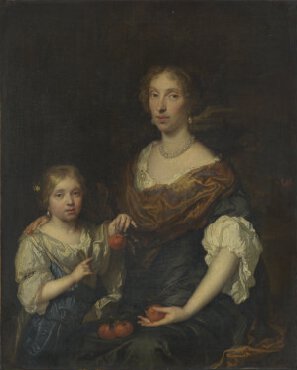
Portrait of a Lady and a Girl by Caspar Netscher (1679)

Ter Borch also painted many small-scale, full-length portraits. His most important student was Caspar Netscher (Dutch, 1639 – 1684), who learned many of his master’s techniques for rendering luxurious textures and who painted, in addition to his original compositions, many signed copies of Ter Borch’s works.

The Concert, Singer and Theorbo Player by Gerard ter Borch the Younger (1657)

Later in the 1650’s he often depicted more genteel scenes featuring wealthy members of Dutch society.  One such painting was entitled The Concert: Singer and Theorbo Player which he completed around 1657 and can now be found in The Louvre.  The setting is a cosy and relaxed bourgeois interior. Hanging in the background we see a large luxuriant tapestry.  The table in the left foreground is covered by a sumptuous oriental carpet with its colourful, geometric design that appealed to northern painters and which signified the wealth of the household. The two young women in the painting are giving a musical performance.  The lady standing on the left is playing a theorbo, a plucked string instrument of the lute family.  Seated at the table is her companion who is following the score, her hand is raised as she beats the time presumably as she prepares to break into song.  On the right of the painting, and looking towards us, is a young servant who has brought the ladies a glass of beer on a tray.

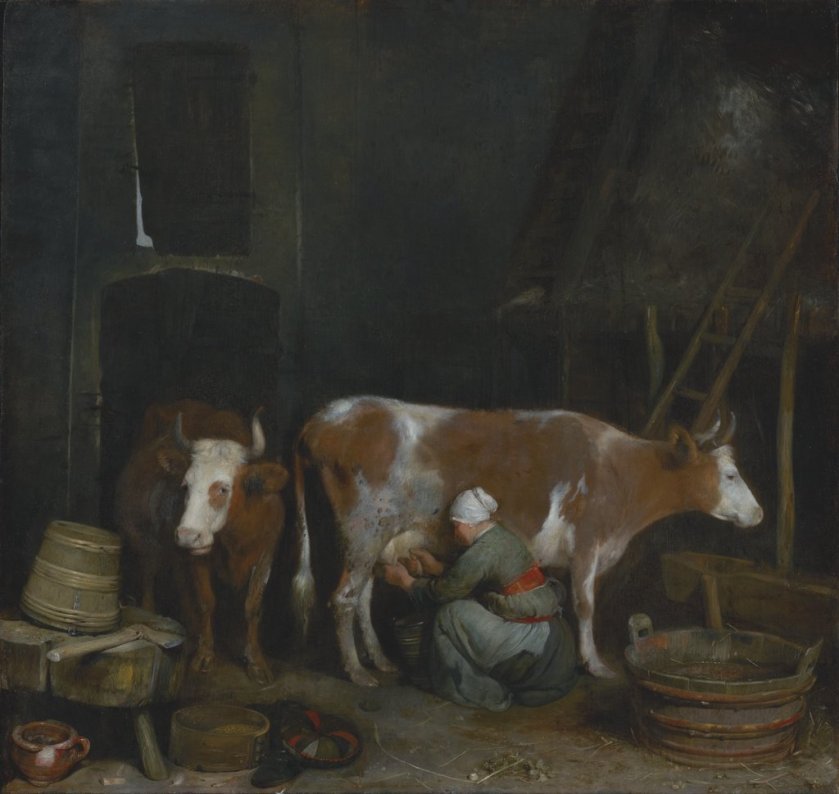
A Maid Milking a Cow in a Barn by Gerard ter Borch the Younger (c.1654)

Another genre work from around 1654 by Gerard ter Borch the Younger was A Maid Milking Cows in a Barn.   In the barn, we see a young woman squatting down in the process of milking a brown and white spotted cow. Another cow stands close by, waiting its turn. This work is a classic example of the ability of the artist to expertly depict different textures.  Look at how he has portrayed the various objects dotted around the foreground of this work such as the jaggedly sculpted stool and the wooden basin which is filled with water.  Look too at the chipped ceramic crock pot, and the shiny metal hinges of the buckets. The painting is housed in the Getty Centre, Museum East Pavilion in Los Angeles

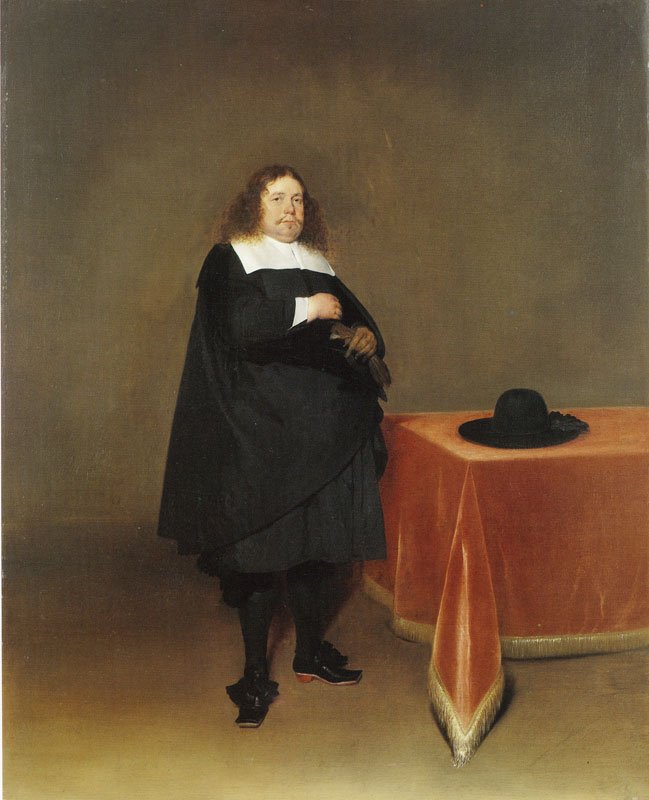
Jan van Duren by Gerard ter Borch (1667)

Gerard ter Borch the Younger also painted many small-scale, full-length portraits such as the pendant portraits he completed around 1667 of Jan van Duren, a member of the upper ruling class of the Dutch town of Deventer and his wife Margaretha van Haexbergen.  Van Duren is dressed in the opulent clothing one associated with an affluent regent and in the other work, his wife is equally well adorned.

Margaretha van Haexbergen by Gerard ter Borch the Younger (1667)

In both cases the background is bare which avoids anything that may have detracted from the subject/patron and in the same way, the settings are minimal with just a simple velvet covered table, atop of which is a hat, in one and a fringed velvet chair in the other.  The overall appearance of both portraits is one of simplicity, elegance, and dignity.

Gerbrand Pancras, Formerly Known as Hendrick Casimir II, Prince of Nassau-Dietz by Gerard ter Borch the Younger (1670)

Another of Gerard ter Borch’s portraits is one entitled Gerbrand Pancras, Formerly Known as Hendrick Casimir II, Prince of Nassau-Dietz which is housed mat the Manchester Art Gallery.  The three-quarter length, three-quarter right-side portrait is of a young man dressed in blue and silver clothes which are decorated with pink ribbon.  The man stands looking out at us, some would say condescendingly, with a silver-topped walking stick in his right hand whilst his left-hand rests on his hip. Lying to the side of him is a table, covered by a red cloth, on which is a black hat dressed with a white feather. The inscription states that he is 12 years old.

Anna Bufkens, the first wife of Gerard ter Borch the Elder and the mother of Gerard ter Borch the Younger died in 1621, aged 34.  Shortly after the death of his first wife, ter Borch the Elder re-married.  His second wife was twenty-two-year-old Geesken van Voerst.  The couple went on to have two daughters, Anna in 1622 and Sara in 1624.  It was around this time that Gerard Snr’s painting output declined although he would still afford his children artistic training.   He also assumed the position held by his aged father, Harmen, the Licencemaster of Zwolle, a position Gerard ter Borch the Elder would hold for about 40 years until his death.

The Milkmaid by Gesina ter Borch (1669)

Seven years later, in 1628, Gerard ter Borch the Elder’s second wife died aged just twenty-nine years of age.  Following shortly on from her death, forty-five-year-old Gerard married for a third time.  His third wife was twenty-one-year-old lady from Deventer, Wiesken Matthys.  There seems some doubt about how many children they had ranging from five to ten but I found that they had a daughter Gesina in 1631, a daughter Catharina in 1634, a son Harmen in 1638, a third daughter Jenneken in 1640 and a son Moses in 1645.  There was also talk about another son Mattijs but I cannot find a birth date for him.

Gesina ter Borch was born on November 15th, 1631 at the family home in Sassenstratt in the town of Zwolle, where she would live all her life.  She was the eldest child of Gerard ter Borch the Elder and his third wife, Wiesken Matthijs.  When her father died in 1662 and her brothers had left home, she lived in her parental home with her mother, sister Catharina and her late sister, Jenneken’s three children.  She never married.

Page from Gesina’s poetry album

Gesina became a great talent in the art of draughtsmanship and when she painted she favoured the medium of watercolours.  Her paintings which were mainly for her and her family’s pleasure and were usually small in size but vibrant in colour.  She had not received any formal artistic training except for the tuition afforded to her by her father who had also taught his sons, Gerard the Younger, Harmen and Moses.

Farmer’s wife and child in a landscape by Gesina ter Borch (1669)

Gesina over time collected her pen and ink and watercolour drawings as well as her poetry in three albums, Materi-Boeks, the first of which was begun in 1646 when she was just fifteen years of age.  Her art books were a combination of her art and her scrapbook.   She printed drawings of her family members, newspaper clippings, children’s and friends’ artwork, and many copies of her half-brother Gerard’s work and that of her brother Moses.

Moses ter Borch by Gerard ter Borch the Younger and Gesina ter Borch (1667)

The one painting she is probably best known for was her posthumous portrait of her youngest brother Moses ter Borch which is in the Rijksmuseum.  It was a collaborative work with her step brother Gerard ter Borch the Younger.  Moses, who was born in 1645 and died in 1667, aged twenty-two, during the storming of Fort Languard near Felixstowe in England. He had served in the Dutch navy which had been fighting against the English since 1664. It is a painting full of symbolism and meaning.  Time is alluded to by the inclusion of a pocket watch, death is symbolised by the skull, loyalty by the inclusion of a small lap dog looking lovingly at his master and eternity by the depiction of the ivy on the rocks. Moses ter Borch was buried in Harwich.

Moses ter Borch off the coast of Harwich by Gesina ter Borch (c.1667)

In the above collaborative portrait, one can tell that Gesina’s stepbrother Gerard probably was the greater of the two contributors to the work but a quite simplistic portrait of her brother and his death can be seen in her painting which was part of one of her albums.

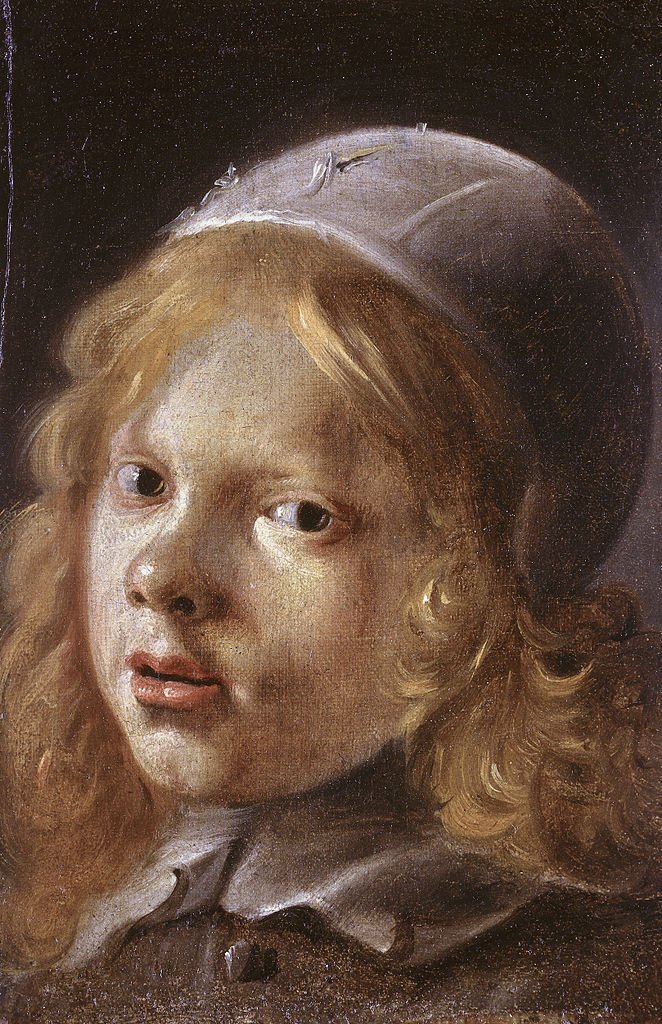
Self portrait by Moses ter Borch (c.1661)

Moses himself was also an artist and when he was about sixteen years of age completed a self-portrait.

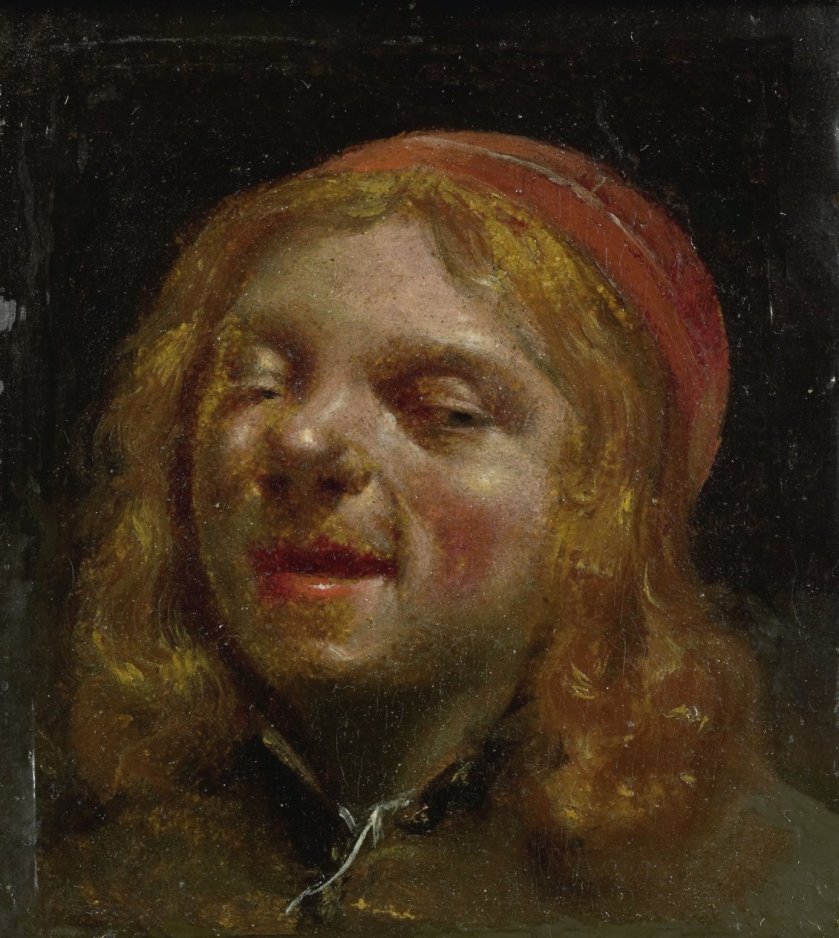
Self portrait, the so-called portrait of Jan Fabus by Moses ter Borch (1661)

He also completed many sketches, some were oil sketches like his very small (8 x 7cms) work with the strange title, Self Portrait, the so-called Portrait of Jan Fabus which he completed in 1661.

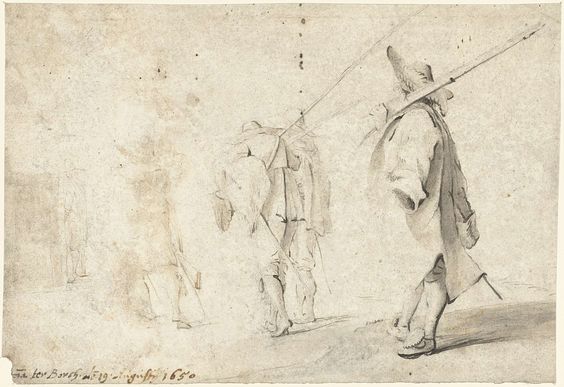
Sketch of soldiers by Harmen ter Borch (1650)

The final artist of the family was Harmen ter Borch.  He was the eldest son of Gerard ter Borch and his third wife, Wiesken Matthys and the sister of Gesina and Moses.  There are several his sketches in the Rijksmuseum including one depicting soldiers which he completed when he was just twelve years old.

Beestenconcert by Harmen ter Borch (1653)

Another, the Beestenconcert was completed in 1653 when he was fifteen years old.

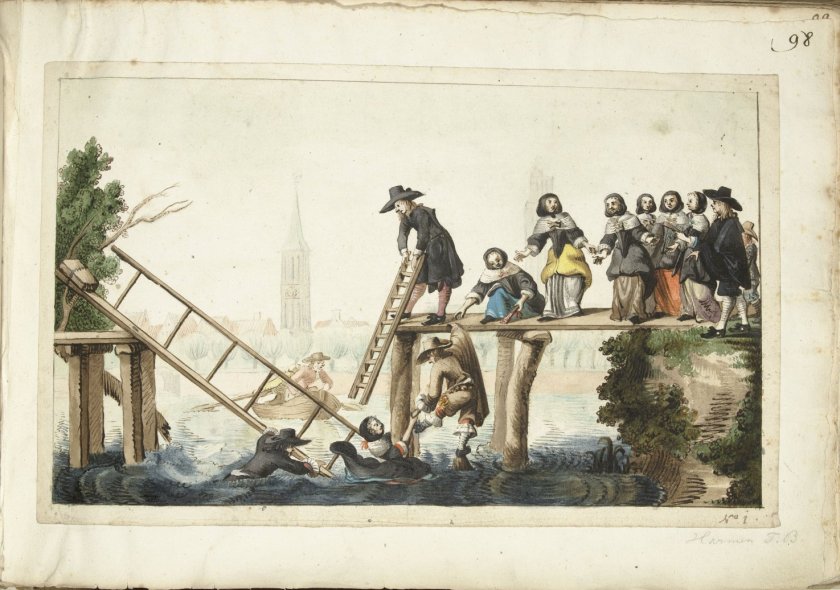
The Broken Bridge by Harmen ter Borch (1655)

But probably my favourite is his colour sketch entitled The Broken Bridge which he painted in 1655 when he was seventeen years old

With such a number of artists in one family, one wonders whether family life was a very competitive environment.  Gerard ter Borch the Younger was by far the greatest of the family artists but it is good to remember that he had some talented siblings.

The Wilson and the Ferrieres Collection

The Wilson Cheltenham Museum and Art Gallery
The Wilson
Cheltenham Museum and Art Gallery

When I have to travel to meetings in the UK and have an overnight stay, I try and go to local art galleries and see what is on offer.   I am often somewhat disappointed with the collections.  I suppose I expect too much.  It is my own fault.  I should realise I am not going to find a hidden Uffizi or Prado in a provincial town as I am aware that building up an art collection is a costly affair in this day and age.  So, to my great surprise and pleasure, yesterday I discovered a real gem.  I was in Cheltenham for a meeting and had the afternoon free so decided to go and find their art gallery.   It is called The Wilson and it has a small but wonderful collection of paintings many of which are from an era I particularly love – seventeenth and nineteenth Dutch and Flemish works of art.  My blog today is all about the gallery and some of these paintings.

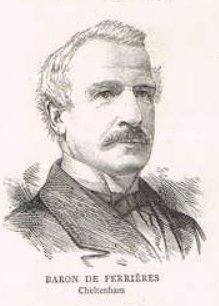
Baron Charles Conrad Adolphus du Bois de Ferrieres

For a gallery to become established it obviously needs a collection of paintings and this almost always means it has to have a benefactor who has bequeathed the gallery a large number of works of art.  The regency spa town of Cheltenham and The Wilson had the second Baron de Ferrieres to thank for their foreign painting collection.  He died in Cheltenham in 1864 and left his large art collection to his son the third Baron, Charles Conrad Adolphus du Bois de Ferrieres, who in 1898 donated forty-three paintings and a sum of £1000 to the town of Cheltenham to set up a gallery to house the works of art, and so it was his generosity that today’s gallery began life and was able to house such a rich collection of work.

Trees, Castle and Skating Figures by Marinus Adrianus Koekkoek the Elder

The first painting I am showcasing is entitled Trees, Castle and Skating Figures by Marinus Adrianus Koekkoek the Elder (1807-1868).  Marinus Adrianus Koekkoek the Elder was a 19th-century Dutch landscape painter who was born in Middelburg and was the son of the painter, Johannes Hermanus Koekkoek who gave him his early art lessons.  Marinus had two brothers, Barend Cornelis and Hermanus who were also artists.  Koekkoek was primarily based in Hilversum and Amsterdam, where he later died.

Fortified Building on the Banks of a Canal by Cornelis Springer

Fortified Building on the Banks of a Canal is another fine example from the Ferriers collection.  It was painted around 1850 by the Dutch landscape artist, Cornelis Springer who was born in Amsterdam in 1817.  Springer became a member of the Amsterdam painters collective Felix Meritis and won a gold medal for a painting of a church interior in 1847. He was the most skilled of the Dutch townscape painters in the nineteenth century.  He consistently strived for topographical accuracy in his townscapes and this he achieved by many hours studying the design plans of the original buildings.  His townscapes have a meticulous style with attention to light and atmospheric conditions.  In this work Springer has somewhat abandoned his normal detailed depiction of the buildings an sought to concentrate the light and atmosphere which makes the depiction more Romantic that topographically correct.

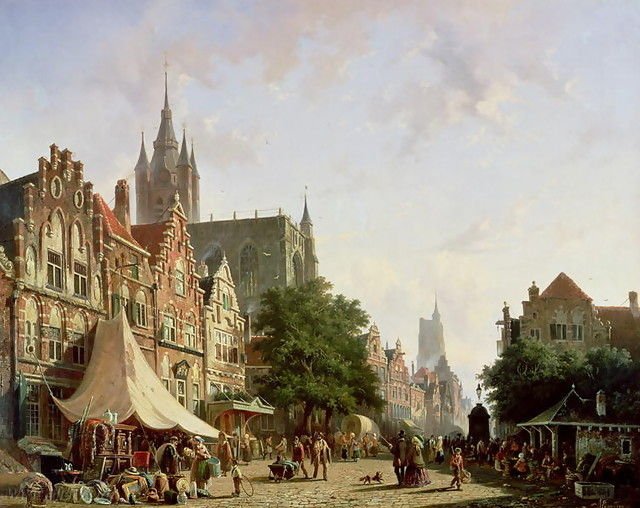
Dutch Street Scene by Adrianus Eversun

Adrianus Eversen was a pupil of our previous painter, Cornelis Springer and spent most of his life painting in Amsterdam.  He, like Springer, was known for his townscapes and street scenes.  However, unlike Springer most of his townscapes lacked topographical accuracy.  In his painting, Dutch Street Scene, which he completed in 1858, we see a row of buildings which the artist has depicted with architectural accuracy but the setting was probably just a figment of his imagination rather than a real street.  He completed many paints of this ilk which were simply entitled “Dutch street scenes”.

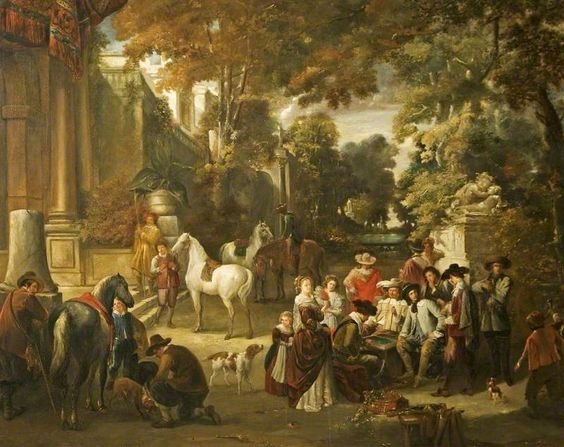
A fête champêtre was a popular form of entertainment in the 18th century, and took the form of a kind of garden party. This form of entertainment was especially prevalent at the French court where at Versailles large areas of the park were landscaped with follies, pavilions and temples to have the capacity for such revelries.

Fête Champêtre: Cavaliers and Women Round a Gaming Board by Joseph le Roy

The term fête champêtre comes from the French expression for a “pastoral festival” or “country feast” and this may be construed as being a simplistic form of entertainment, but in the eighteenth century, a fête champêtre was usually a very graceful and stylish form of entertainment which would sometimes involve whole orchestras hidden from sight amongst the trees and participants would be in fancy dress.  Joseph Anne Jules Le Roy (1853-1922), the Parisian-born painter, was a specialist in military scenes and animals and in this painting of his we see those two themes.  In his painting, Fête Champêtre: Cavaliers and Women Round a Gaming Board we see depicted the fête champêtre in the grand manner with the people dressed in Flemish seventeenth century costumes.

Fête champêtre (Pastoral Gathering) by Jean-Antoine Watteau (1721)

This was different to the sumptuous costumes depicted by the French artist, Jean-Antoine Watteau’s in his 1721 painting, Fête champêtre (Pastoral Gathering). 

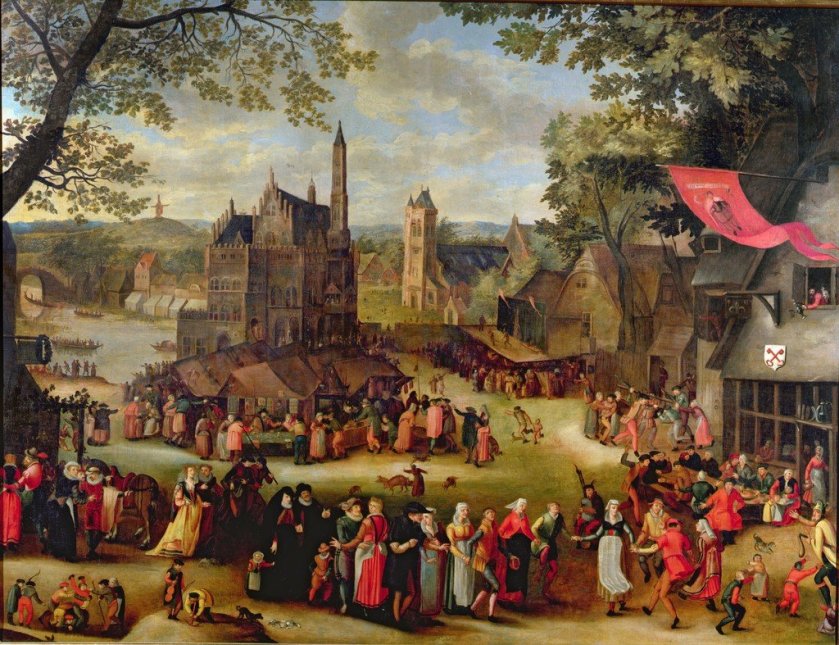
A Flemish Fair by of Isaac Claesz. Van Swanenburgh

The next painting which is also part of the Ferrieres Collection comes from an earlier period.  This is thought to be a late sixteenth century work and is attributed to Isaac Claesz. Van Swanenburgh.  He was a Dutch Renaissance painter who was born in Leiden in 1537 and died in the same town in 1614.  The work, entitled A Flemish Fair, reminds me of works by one of my favourite artists, Pieter Bruegel the Elder, who was a contemporary of Isaac Claesz. Van Swanenburgh.  The depiction of fairs in paintings was very popular in the last decade of the sixteenth century.

Ruins over the River Birchel at Zutphen by Everhardus Koster

Everhardus Koster (1817-1892) was a Dutch painter who specialized in sea and river scenes.  He studied at Frankfurt-am-Main’s Stadelsches Kunstinstitut and would later become a member of the Amsterdam Academy and for twenty years was the director of Het Pavijoen in Haarlem, he served as Director of the various museums that were formerly housed in the Villa Welgelegen.  One of his paintings, Ruins over the River Birchel at Zutphen is part of the Ferrieres Collection.

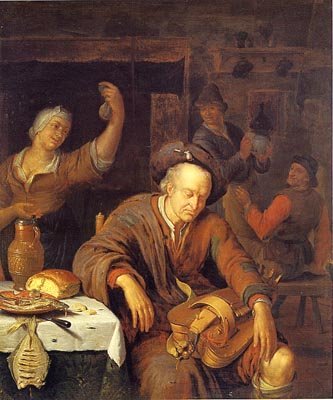
Willem van Mieris (1662-1747) was the most successful genre painter of his generation and a leader of the painters of Leiden. He was a master of cabinet pieces. In this painting, A Hurdy-Gurdy Player Asleep in a Tavern, which is dated 1690, the setting is the interior of an inn.  Van Mieris has meticulously depicted the numerous details of the inn itself as well as the table laden with food.   Not only is this a genre painting but it is also an extremely talented example of a still life featuring a meal of herring and plaice, a bun of bread and the brown German stoneware jug on the table and let’s not forget the authentic portrayal of the hurdy-gurdy. So what is the painting all about?

A Hurdy-Gurdy Player Asleep in a Tavern by Willem van Mieris

Surrendering to the effects of alcohol he has imbibed, the old hurdy-gurdy player has fallen asleep with his instrument on his lap.  The sleeping musician, a simple beggar, is dressed in rags.  Behind him the female maidservant holds aloft a pouch of money which she may have just taken from the sleeping musician.  She is ecstatic.  Two other tavern revellers look on in the background.  Hurdy-gurdy players were a frequent theme in Dutch peasant painting. They were people who would liven up happy gatherings with the primitive and penetrating sound of their instrument.  Willem shared his liking of depicting lively tavern scenes such as this one with his father Frans van Mieris the Elder. Willem painted several hurdy-gurdy players set in an inn.

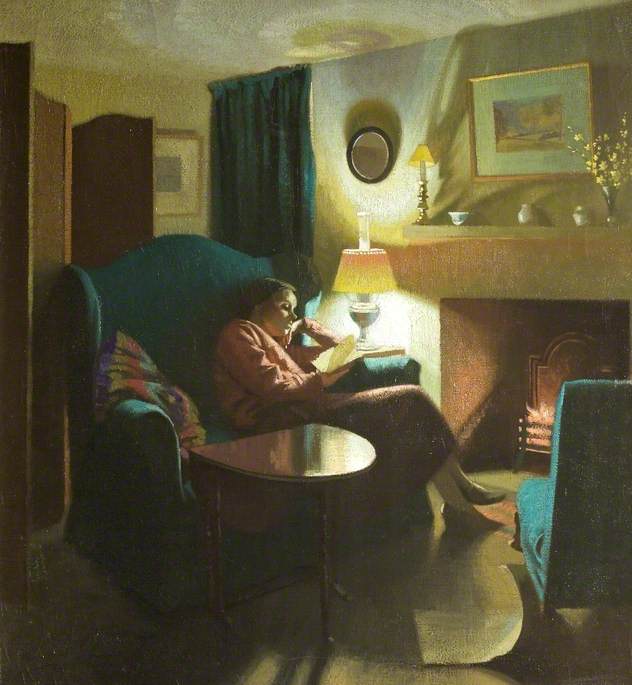
The Artist’s Wife, Evelyn, seated reading by Gerald Gardiner

Besides the Dutch and Flemish paintings bequeathed to The Wilson there were some interesting works that the museum had acquired over time.   The Artist’s Wife, Evelyn, seated reading is a work by Gerald Gardiner.  Gardiner worked at the Cheltenham School of Art teaching drawing and painting from 1927 until his death in 1959.  It is a painting which exudes the quiet domestic atmosphere of life at home.  This work was painted at the Bisley home of Gerald and Evelyn Gardiner and is an example of the artist’s depiction of a night-time scene with his wife enjoying the company of her book, showing up the light, reflections and shadows which are cast by the gas lamp and fire as his wife reads.  It wonderfully encapsulates an atmosphere of domestic bliss and, for us, nostalgia as we see Evelyn reading a book by gas-light in front of the fire. Gardiner was particularly interested in painting night-time scenes and here he balances a powerful composition and the subtle effects of light. Gerald Gardiner was born in 1902. He studied at Beckenham School of Art and the Royal College of Art where he was awarded an Associateship with Distinction in 1926. In 1927 he was appointed second master at the Cheltenham School of Art, in charge of the drawing and painting department, later becoming Painting Master, where he worked until his death

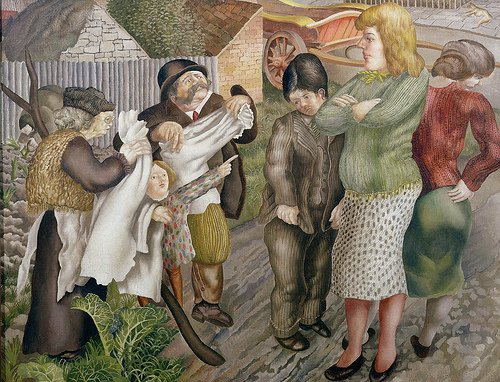
Village Gossip by Stanley Spencer (c.1939)

Stanley Spencer was one of the most original artists of the modern age and it was good to see one of his works hanging in The Wilson.  Spencer’s paintings have special characteristics; we are urged to work out the story behind each painting and the work on show, Village Gossip is no exception.   It was painted around 1939 whilst he was on holiday in the Gloucestershire village of Leonard Stanley.  I will leave you to work out what you think is going on this painting.  Look at the body language of the woman on the right with her arms tightly folded across her chest.  Look at the accusing stance of the elderly man and woman on the left.  Even the small girl points towards the young man in an accusatory gesture. He bows his head in a somewhat remorseful manner.  What is he being accused of?

There were so many other excellent works of art on show at The Wilson and if ever you are in or around Cheltenham, I urge you to pay it a visit.

Hendrik Willem Mesdag. Part 3. Bomschuiten, Storms and Panorama Mesdag

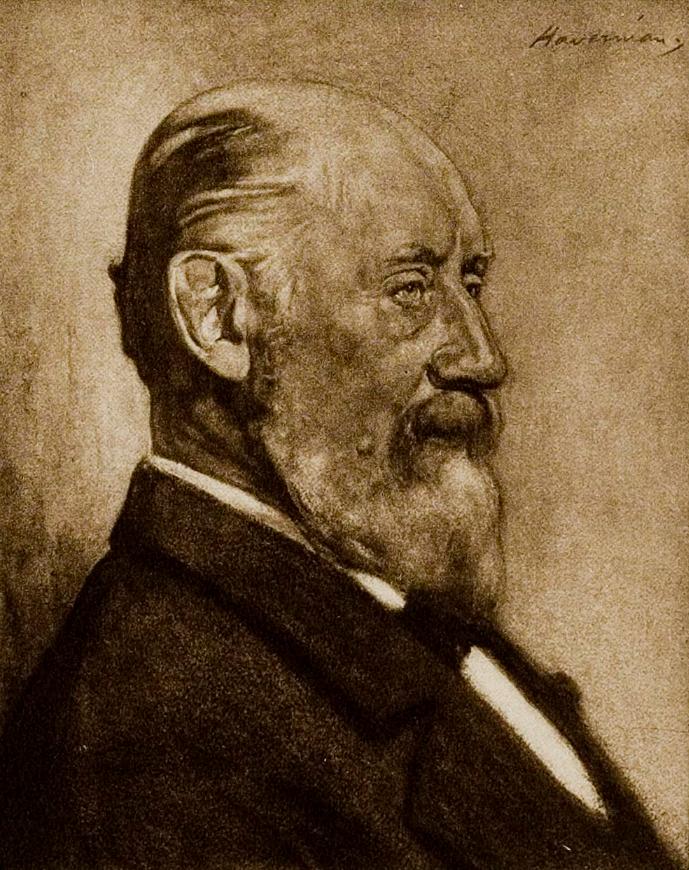
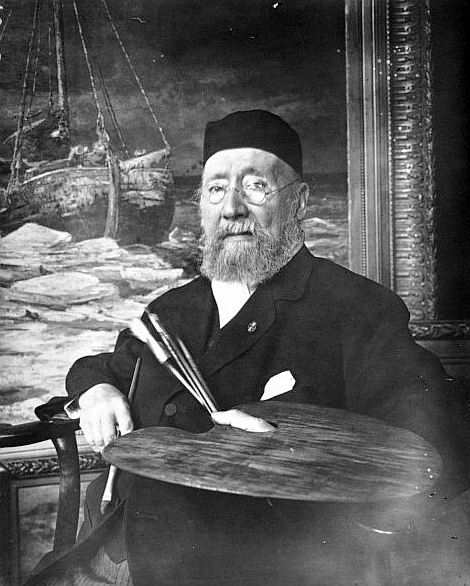
Hendrik Willem Mesdag by Hendrik Johannes Haverman

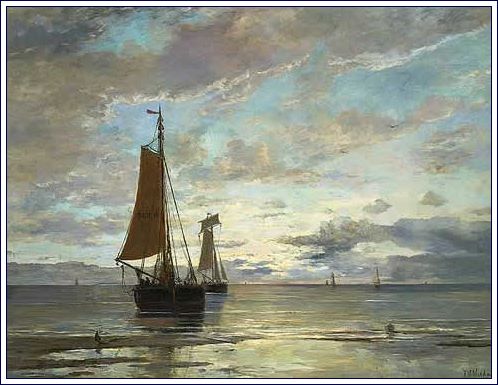
Following his visit to the Frisian island of Nordeney in the summer of 1868, Hendrik Mesdag would dedicate the rest of artistic life to seascapes and maritime paintings.  He and his wife Sientje had moved back to The Hague in 1869, a town which was a short distance from the coastal district of Scheveningen which offered him the perfect situation for his seascape paintings.

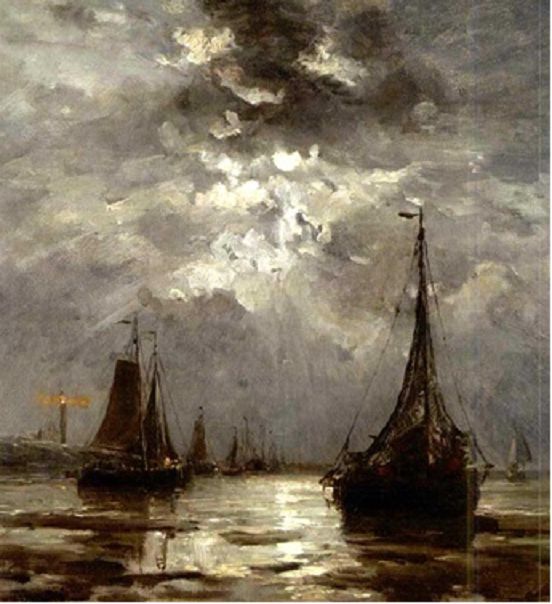
Beached Bomschuiten by Moonlight by Hendrik Mesdag

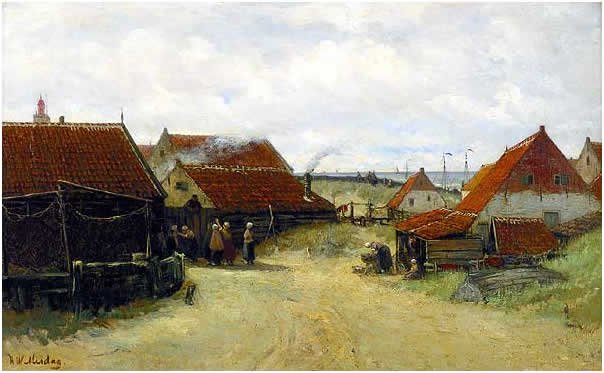
Scheveningen, at the time of Mesdag, was a small fishing village which has since grown to become one of the most popular beach destinations of The Netherlands. In the 16th century the village of Scheveningen had less than 900 inhabitants whose livelihood was dependent on fishing.   In the 19th century the main fishery was focussed on the catch of the herring. These were the golden times for the Scheveningen’s fishing industry but by the end of the 19th century the fishery almost ended since few young folk of Scheveningen followed in their fathers’ footsteps in becoming fishermen.

The Scheveningen Fishing Fleet putting to Sea in Hevay Weather by Hendrik Mesdag

One of the main features in Mesdag’s seascape depictions was the fishermen and their flat-bottomed boats known as bomschuiten on the beaches at Scheveningen.  When Mesdag went to live in The Hague, there was no harbour for the fishing boats and they would have to rest on the beach and the fishermen would simply pull them on and off the shore.  To get them into the sea for the next fishing trip was quite a complex and unusual affair which I saw explained in a write-up on the Gallery Rob Kattenburg website.

“…At about six feet from the water’s edge a heavy anchor is placed in the sea with a smaller anchor fixed to the same cable to prevent the large anchor from what is known as ‘crabbing’ – that is, sliding over the bottom – when the boat is being launched. At a short distance from the vessel an even smaller anchor is fixed to the cable. The youngest anchorman, with the anchor over his shoulder, walks into the sea up to his neck and then drops the anchor. Only after this has been done are the fishermen carried one by one by the so-called carriers or swimmers and set down on a ladder placed at the stern of the vessel. Then the carriers themselves climb on board. A complete crew numbered nine men. Then the anchor cable is wound round a primitive wooden windlass and the handspikes are inserted. Simultaneously with each rolling wave the crew strains to pull the cable in and thus draw the ship out to sea until they reach deep water. At some distance from the coast the sail is hoisted and the boat sets off for the fishing grounds…”

After the Storm of 1894 by Hendrik Mesdag (1894)

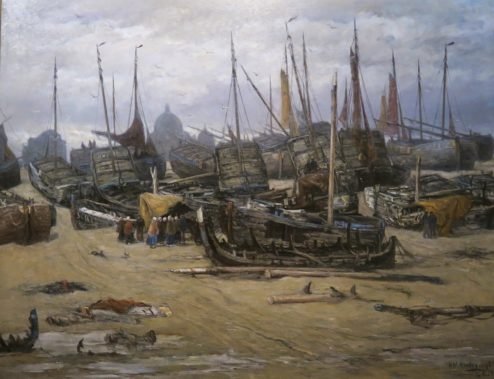
The low lying Dutch coastline was often battered by storms, one of the worst being in 1470 when it destroyed the church and half the houses.  The village was again hit by storms in 1570, 1775, 1825, 1860, 1881, and 1894, the latter being the most devastating.  At that time a safe harbour had yet to be built and as usual the fishing fleet of the flat-bottomed bomschuiten had been pulled up on the beach. They were devastated by the ferocity of the storm and most were smashed to pieces and this devastation was captured in Henrik Mesdag’s painting After the Storm 1894.  After this last storm, the villagers decided to build a harbour. Once the harbour had been constructed in 1904, more modern fishing boats replaced the bomschuiten.

Fishing Boats and Fisher-folk on the Beach of Scheveningen by Hendrik Mesdag (1872)

The painting Hendrik Mesdag was probably best known for was his panorama painting which became known as Panorama Mesdag.  I remember when I travelled to Venice many years ago, and visited the Gallerie dell’Academia I came across the enormous painting by Veronese entitled The Feast in the House of Levi.  I could not believe how big it was – it measured 18ft high and 42ft in width.  However, this fades into insignificance if you compare it to the size of Hendrik Mesdag’s Panorama which is 46ft high and 394ft in circumference (14m x 120m).  Trust me, seeing is believing!

London Panorama by Robert Barker (1792)

Panorama paintings had existed prior to Mesdag’s effort.  A panorama or panoramic painting is a massive work of art, which depicts a wide and all-encompassing view of a subject.  But what is a panorama? The word was coined by the Irish painter Robert Barker, the inventor of the visual panorama, by merging the Greek for pan, “all,” + orama, “that which is seen.” They could be depictions of a battle, historical event or a landscape and were very popular in the nineteenth century, a time before television or the cinema. The Irish artist, Robert Barker experimented with the idea of representing nature at a single glance.  Barker was born at Kells, County Meath, in 1739. He set himself up as an artist in Dublin but was never very successful and eventually left Ireland and settled in Edinburgh, where once again he set himself up as a painter of portraits and as a miniature painter. If not a great painter, Barker was certainly a great inventor and devised a mechanical system of perspective which he taught. One day when atop Calton Hill, one of Edinburgh’s main hills set right in the city centre he had the idea of a panorama painting of the city below and in 1787, helped by his twelve-year old son, Henry, he made drawings of a half-circle view from the hill and later in his studio completed his picture in water-colour and took it to London where sadly, it was not well received.  However, Barker believed in his project and completed a whole-circle view of Edinburgh twenty-five feet in diameter. He went on to exhibit the work in the Archer’s Hall at Holyrood and afterwards in the Assembly Rooms in George Street. Later in 1788 he exhibited the work in a large room in the Haymarket, London.  Barker went on to complete many more panorama paintings.

Panorama Mesdag with Sientje sitting under white parasol

In Belgium panoramas became very popular and Hendrik Mesdag received a commission from a Belgian panorama society, Societé Anonyme du Panorama Maritime de la Haye to paint a maritime panorama.  They wanted the panorama, without borders, to be centred around the Seinpostduine, which at the time was the highest sand dune in Scheveningen and was in danger of being excavated to make room for a café-restaurant.

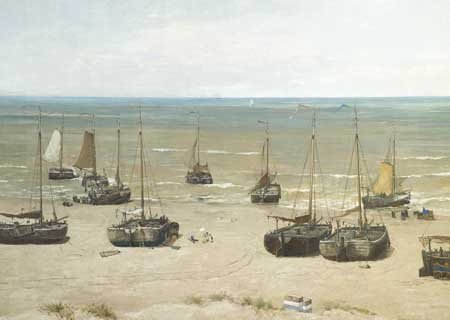
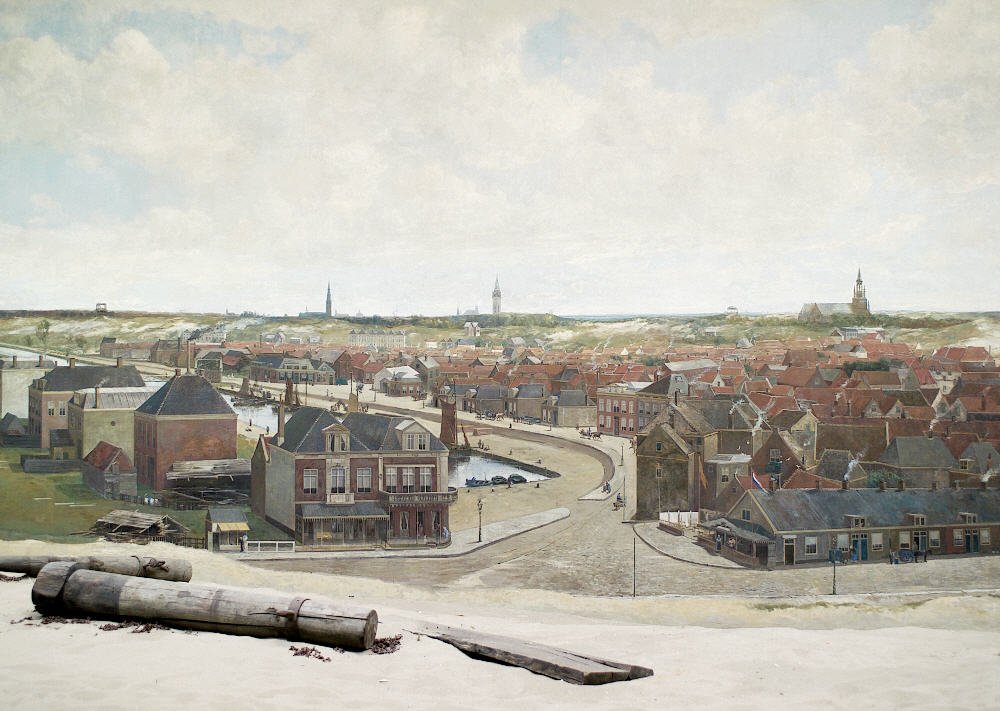
Panorama Mesdag - view of Scheveningen
Panorama Mesdag (detail) – view of Scheveningen

Mesdag accepted the commission believing it to be a great opportunity to depict his beloved picturesque coastal village of Scheveningen and so, he went about enlisting the help of a few artist friends from The Hague School.  He invited George Hendrik Breitner, a young art student from The Hague Academy, whose task it was to sketch the village of Scheveningen, Théophile de Bock, a friend of van Gogh, was tasked to paint the sky and the dunes and the small contribution of Bernard Blommers was the painting of a fisherwoman and her child who are looking out to sea.  Another contributor to this massive project was Mesdag’s wife Sientje, who he depicted in the painting sitting down with her easel under a white parasol.   Mesdag set to work on the panorama in March 1881 building a sixteen-cornered building on Zeestraat in The Hague.  It incorporated a 14-metre-high structure on which Mesdag could paint his work

panorama_mesdag_3
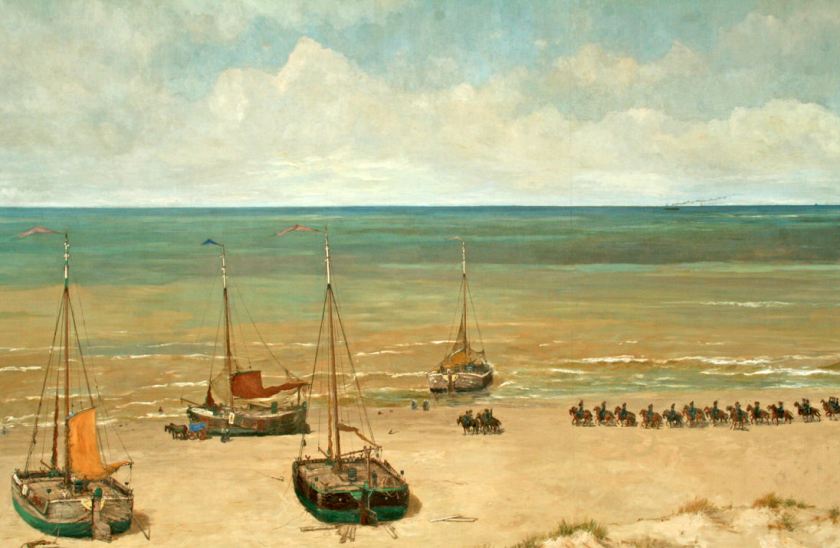
Panorama Mesdag (detail) showing Cavalry exercising the horses on Scheveningen Beach

Mesdag and his team of painters made numerous sketches of the town and the surrounding coast and slowly over the next four and a half months the panorama evolved.  Mesdag was well satisfied with the finished result.  He believed the painting gave an overwhelming impression of nature.  Many believe he was influenced by his training at the hands of Willem Roelofs who had stressed the importance of reality painting.  Roelofs had told Mesdag on many occasions to “paint reality and nothing but reality”.

Panorama Mesdag Gallery

The museum housing the panorama was opened to the public on August 1st 1881 but after five years it went bankrupt.  Mesdag, who was concerned as to the fate of his panoramic painting, bought the museum, and kept it open despite it losing money year on year.   Vincent van Gogh, an early visitor to Panorama Mesdag,  in a letter to his brother Theo, dated August 26th 1881, wrote about the panorama:

“…then I saw Mesdag’s panorama with him [Théophile de Bock], that’s a work for which one must have the utmost respect.  It put me in mind of what Bürger or Thoré, I think, said about Rembrandt’s Anatomy Lesson. That painting’s only fault is not to have any faults…”

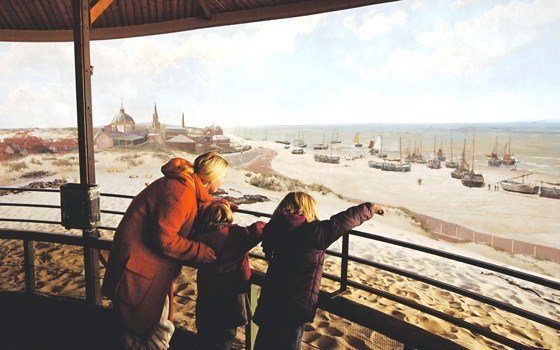
Panorama Mesdag Viewing Gallery

I visited Panorama Mesdag at the beginning of December and it was truly an amazing experience.  You enter the building, past the obligatory shop and into two small rooms which house some of Mesdag and his wife’s paintings.  You then follow a corridor upwards through a dimly lit long passage which opens out to what looks a circular observation gallery surrounded by the enormous painting.  The observation gallery has a circular walk way with rails all around it which you can lean against as you scan the painting.  As you stand on the gallery platform, the painting is 14 metres away from you and between you and the painting is sand and various items of flotsam, abandoned fishing nets and marram grasses which make it seem that you are standing on top of a sand dune looking down to the sea on one side and the village on the opposite side.  This addition of sand and bits of driftwood make the whole experience more realistic.

The museum housing the panorama was opened to the public on August 1st 1881 but after five years it went bankrupt.  Mesdag, who was concerned as to the fate of his panoramic painting, bought the museum, and kept it open despite it losing money year on year.

In his later years Mesdag received many honours. In 1889, he was elected chairman of Pulchri Studio Painters’ Society, the society he joined twenty years earlier, and remained in that post until 1907. He received the royal distinction of Officer in the Order of Oranje-Nassau in 1894.  In February 1901 Mesdag is promoted to Commander of the Order of the Dutch Lion.

50th wedding anniversary of Hendrik Mesdag and Sientje Mesdag-van Houten in the Pulchri Studio
50th wedding anniversary of Hendrik Mesdag and Sientje Mesdag-van Houten in the Pulchri Studio (1906)

In March 1909 his beloved Sientje died, aged 74.  Two years later in 1911, Hendrik Mesdag was taken seriously ill and although he recovered, his health slowly deteriorated.  Hendrik Willem Mesdag died in The Hague in July 1915, aged 84.

I end with a quote from the author, Frederick W Morton who wrote an article in the May 1903 edition of the American art journal, Brush and Pencil .  He wrote about Mesdag’s seascapes:

“…Other artists have painted more witchery into their canvases, more tenseness and terror.  A Mesdag has not the glint of colour one finds in a Clays or the awful meaning one reads in Homer.  On the contrary, many of his canvases are rather heavy in tone and are works calculated to inspire quiet contemplation rather than to excite nervous.  But he is a great marine-painter because he thoroughly knows his subject – he has sat by it, brooded over it, studied it in its every phase – and by straightforward methods, without the trick of palette or adventitious accessories, has sought to make and has succeeded in making his canvases convey the same impression to the spectator that the ocean conveyed to him…”

It is very difficult to describe the Panorama Mesdag experience but if you go to YouTube and type in “panorama mesdag” there are a number of videos showing you this wonderful painting.

Hendrik Willem Mesdag. Part 2 – his wife, Sientje Mesdag van Houten.

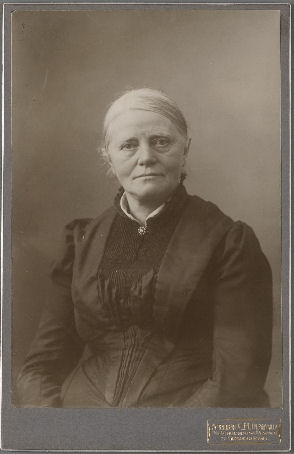
Sientje Mesdag van Houten (c.1905)

My blog today is somewhat shorter than usual as I decided to concentrate solely on the life and works of Hendrik Mesdag’s wife Sientje van Houten, an artist in her own right and not just “Mrs Mesdag, wife of the marine painter Hendrik Mesdag”.

Hendrik Willem Mesdag married Sientje van Houten in April 1856 and seven years later in September 1863 their only child, Klaas was born.  In June 1864, her father Derk, a wealthy Groningen timber merchant, died and left her a substantial inheritance which she realised in 1866.    This change in her financial situation allowed Hendrik to leave his father’s bank where he had been working for sixteen years and concentrate on his painting and eventually become a professional artist.  He even managed to have one of his paintings, which had been accepted at the 1870 Salon, awarded a gold medal.

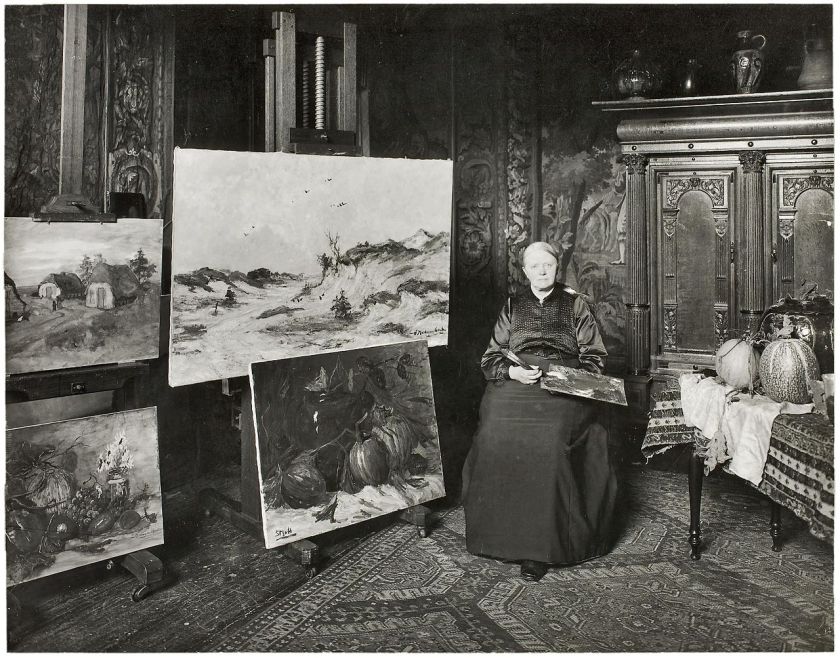
Sientje van Houten-Mesdag in her studio (c.1903)
Sientje Mesdag van Houten in her studio (c.1903)

Sientje had accompanied her husband when he went to stay in Brussels to study under Willem Roelofs.  Their house in Rue Van de Weyer was often the focal point for Dutch and Belgian painters, and it could well have been the conversations on art at these soirées that  stimulated Sientje’s mind and enhanced her artistic talent. She, like her husband, not only received instruction from Roelofs but also from Hendrik’s cousin the professional artist, Laurens Alma-Tadema.

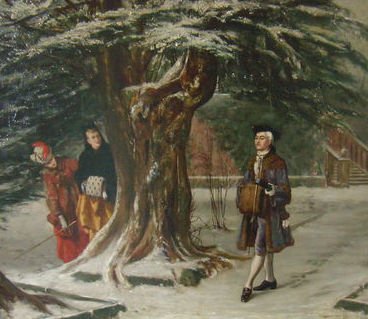
Winter Scene by Johannes Christiaan d'Arnaud Gerkens (1875)
Winter Scene by Johannes Christiaan d’Arnaud Gerkens (1875)

She accompanied her husband when he spent the summer of 1866 at the Oosterbeek artist colony and again in the summer of 1868 on the island of Nordeney where she, like Hendrik, spent time painting and sketching seascapes.   The couple moved to The Hague in 1869, where they lived in a house on Anna Paulownastraat and later in a house on Laan van Meerdervoort.  Her husband, who wanted to concentrate on seascapes, later hired a studio room facing the sea at the Villa Elba in Scheveningen where he and Sientje would spend hours painting and sketching. In order to improve her artistic proficiency, Sientje took drawing lessons from their family friend and painter Christian d’Arnaud Gerkens.

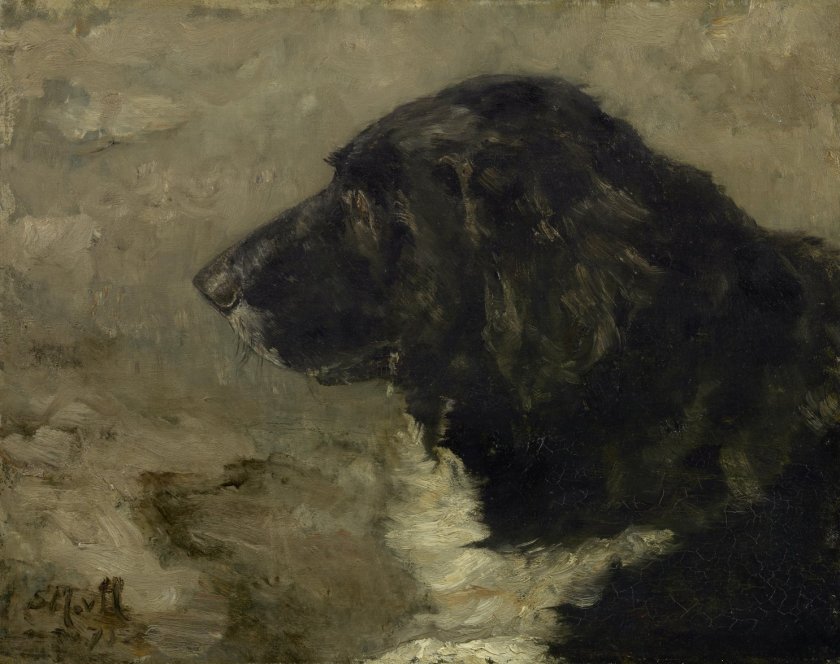
Head of a Dog by Sientje van Houten (1875)
Head of a Dog by Sientje Mesdag van Houten (1875)

Life could not have been better for Hendrick Mesdag and his wife Sientje and yet fate would play a fateful trick on the couple.  On September 24th 1871, tragedy struck when their beloved eight-year-old son Klaas, died of diphtheria.  It must have been a devastating time for Hendrik and Sientje.  Who knows whether Sientje wanted to totally immerse herself into something which would deaden the pain of loss but following the death of Klaas, she devoted all her time painting.  She had been in contact with art from an early age through both her father, who had a modest art collection, which she and her siblings would have seen and of course she had lived with her husband and watched him paint.

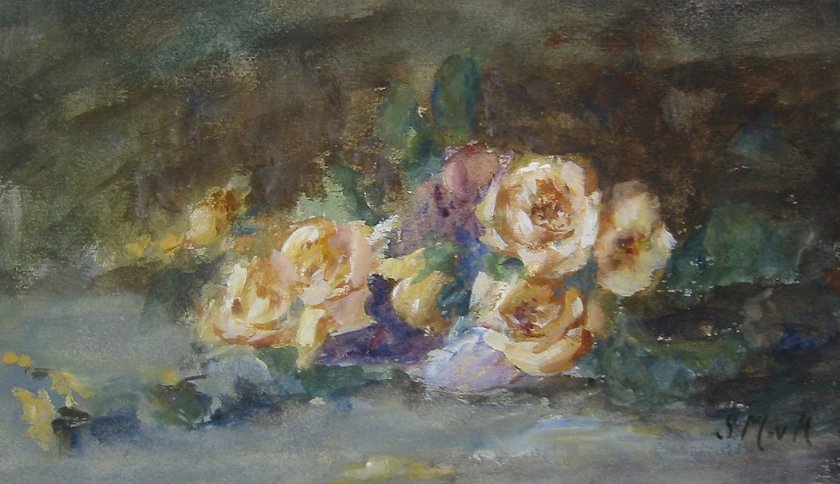
Still Life with Yellow Roses by Sientje van Houten Medag
Still Life with Yellow Roses by Sientje Mesdag van Houten

At first, Sientje concentrated on landscape painting and would often leave home and go on painting trips in the Scheveningen dunes with her friend and artist, Harriet Lido who was constantly giving her artistic advice.     Sientje Mesdag-van Houten initially focused on landscape painting and travelled to areas such as Drenthe, Overijssel and the Veluwe region in Gelderland. Besides her love of landscape painting she also liked to paint still lifes.  Over the years, she became increasingly accomplished as an artist and her self-confidence grew to such an extent that she began to submit her paintings to national exhibitions in Europe and America and was happy to partake in group exhibitions held by the Dutch Drawing Society and the Pulchri Studio.  Her husband was also a member of the Pulchri Studio and on a number of occasions both husband and wife exhibited together.  She was also the president of Our Club, a meeting place for cultured women. Mesdag-van Houten kept in touch with other women painters and dedicated herself to the cause of the ‘poor female artist’ and became the leading light and mentor for many young aspiring female artists who would gather at her studio for advice on their artwork

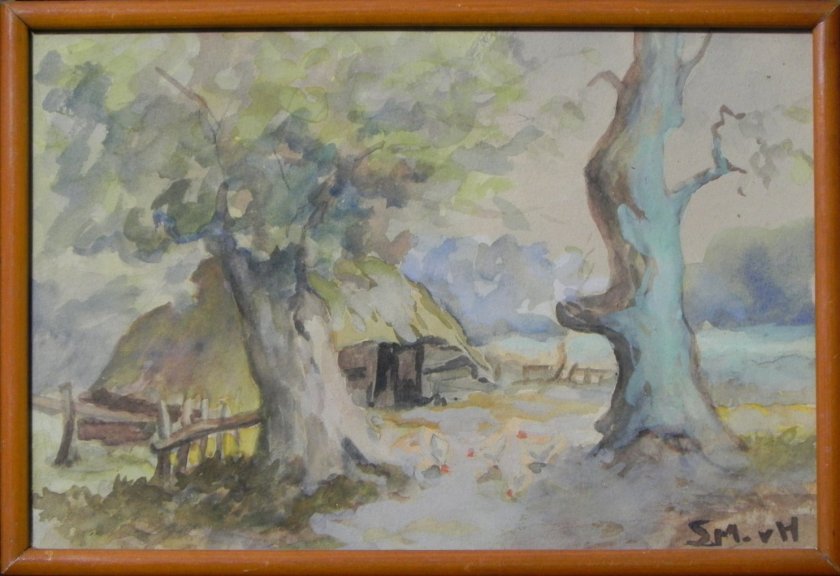
Sheep Barn hidden behind Ancient Oaks by Sientje van Houten Medag
Sheep Barn hidden behind Ancient Oaks by Sientje Mesdag van Houten

She was in close contact with many art dealers and her paintings were sought after by their clients, especially her still lifes.  In 1881 she helped her husband paint the amazing 1680 square metres panoramic painting of Scheveningen which has become known as Panorama Mesdag, but more about this work in the next blog.  Her painting entitled Cottages at Sunset and Heath near Ede was well received at the 1889 Paris Exposition and was awarded a bronze medal.

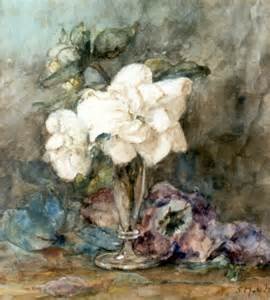
Camelias in Vase by Sientje van Houten Mesdag
Camelias in Vase by Sientje Mesdag van Houten

Sientje, like her husband Henrik, were avid collectors of art and eventually amassed almost three hundred and fifty works of art as well as objet d’arts, porcelain and artefacts from Holland and Asia.   Their favourites were works by the French Barbizon School artists.  This massive collection dated back to the time she had gone to live with her husband in Brussels whilst he was receiving artistic instruction from Willem Roelofs.  Their joint collection grew to such a size that in 1887 they had a museum built next to their house in Laan van Meerdervoort in The Hague.  In 1903 Sientje and Hendrik donated the collection and the museum to the Dutch state, since which time it has been called The Mesdag Collection and having visited it a few weeks ago I can assure you  it is well worth a visit.

Farm and creek with boat by Sientje van Houten Mesdag
Farm and creek with boat by Sientje Mesdag van Houten

In 1904, Sientje Mesdag-van Houten celebrated her seventieth birthday at the art society, Pictura, and during the celebration they announced that they would name a room in their new building after her. The Pulchri Studio also mounted a retrospective exhibition of her work. For many years Sientje had been simply referred to as Hendrik Mesdag’s wife but in an interview she was very forthright about how she should be remembered, as noted by the interviewer who stated:

“…Despite her marriage to a renowned marine painter, she does not wish to go down in art history as Mesdag’s wife, but as an independent “heroine of art” who follows her own path and seeks recognition for her original artistic convictions…”

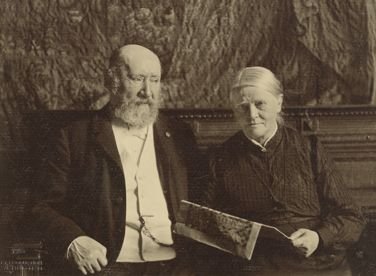
Sientje and Hendrik Mesdag

Sientje van Houten continued to paint all her life.  She died on March 20th 1909, aged 74 and she was buried at the Oud Eik and Duinen Cemetery in The Hague, where later her husband Hendrik and her brother the liberal politician Samuel van Houten would also be interred.  There is no doubt that in her day, she was one of the best known and well regarded female artist.  Sadly, despite her protestations, soon after she died her standing in the art world declined and she was once again viewed as “the wife of Hendrik Mesdag, the marine painter”.  There was however a renewed interest in her life and oeuvre in 1989 when art historians discovered more information regarding her life and artwork.

In my final blog about Hendrik Mesdag I will be focusing on his seascapes and his love of Scheveningen.

Hendrick Willem Mesdag. Part 1 – The early years, family and influences

Hendrik Willem Mesdag

If you are a young aspiring artist I wonder what your dreams are.  You obviously hope that your painterly skills will improve over the following years.  Maybe you dream that your love of painting could become your main livelihood but for that to happen maybe it needs some sort of financial breakthrough.  Perhaps you hope that one day you could also afford to build up a collection of paintings created by well-known artists and that your collection grows to such an extent that you house them in your own museum.   An impossible dream?  The artist I am looking at today achieved all this, so sometimes what you wish for does come true.

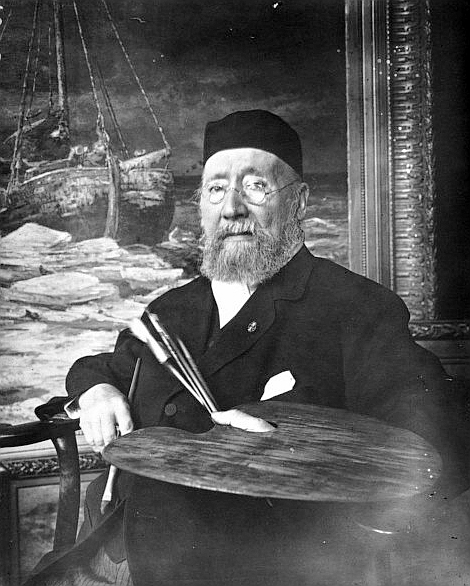
Hendrik Mesdag at work in his studio

Hendrik Willem Mesdag was born in Groningen on February 23rd 1831.  His father Klaas, who originally was a grain merchant, later became a very successful stockbroker and banker, and was also active in politics, but maybe more importantly, for the future path of his sons Hendrick and Taco, he was an art collector, amateur painter and draughtsman.   Hendrick’s mother was Johanna Wilhelmina van Giffen, who came from a wealthy family of silversmiths.  Sadly, she died at the age of 35, when Hendrik was just four years old.  Hendrik had an elder brother Taco who was born in 1829, a younger brother Gilles, born in 1832 and a sister, Ellegonda, who was born in 1827.  His cousin was the renowned painter Lawrence Alma-Tadema and the two men and their wives would remain friends throughout their lives.  As schoolchildren, both Hendrick and his older brother Taco showed and early artistic talent and their father decided to send them for some artistic training.  They both received drawing lessons from the Dutch painter, Cornelis Bernardus Buys who had also tutored Jozef Israels and later received drawing tuition from the Dutch painter and photographer, Johannes Hinderikus Egenberger.  However, for Hendrik, once he left school at the age of nineteen, art became just an enjoyable pastime, as he believed that his future, like that of his father, lay in banking.  Hendrik Mesdag joined his father’s bank where he remained for the next sixteen years.

Hendrik and Sientja (1906)

On April 23rd 1856, when Hendrik was twenty-five years old, he married Sina (often known as Sientja) van Houten, who was three years his junior.  Her father, Derk van Houten, was a wealthy timber merchant who owned a large sawmill just outside Groningen.  She was the eldest of seven children brought up by a wealthy family, and she, like her husband, would become a painter later in life.  Hendrik’s love of art during his days as a banker did not diminish, in fact in August 1861 he enrolled as a pupil at the Academie Minerva, a Dutch art school based in Groningen.  On September 25th 1863 Sientje gave birth to their son Nicolaas, who was called Klaas.

In 1864, a year after she gave birth to her son, her father died and left her an inheritance which she finally received in 1866, the size of which was enough to allow her husband Hendrik to give up his job in his father’s bank and concentrate on his painting. You may wonder what Hendrik’s father thought of his son’s decision to quit the world of banking and take up a more hazardous life as an artist.  Maybe that can be answered by a passage in a letter he wrote to his son on October 9th 1868:

“…Keep up the good work and fulfil if possible my hope that you will someday become a true artist…”

In the Spring of 1866, Hendrik wrote to his cousin Laurence Tadema-Alma asking for some help with his desire to become a professional artist:

“…‘I’m 35 years old. I’ve a wife and child. I’ve been trained for business, but am not cut out for it. I’m a painter; help me…”

Tadema-Alma arranged a tutor for Mesdag.  He was Willem Roelofs, the Dutch painter, water-colourist, etcher, lithographer, and draughtsman and was one of the forerunners of the Dutch Revival art and one of the founders of the art society known as The Hague Pulchri Studio.  Roelofs agreed to train Mesdag but he didn’t come cheaply.  Roelofs wrote of his tuition agreement saying:

“…‘In the autumn (September) I’m expecting a new pupil, a cousin of Tadema, Mr Mesdag from Groningen. The 1,200 francs His Honour gives me is nothing to sniff…”


Roelofs wrote from Brussels to Mesdag on May 27th 1866 to tell him he looked forward to tutoring him:

“…As I’ve already told Alma-Tadema, nothing would give me greater pleasure than helping you with your study of landscape, and I hope to be able to stimulate you to make progress in our art…”

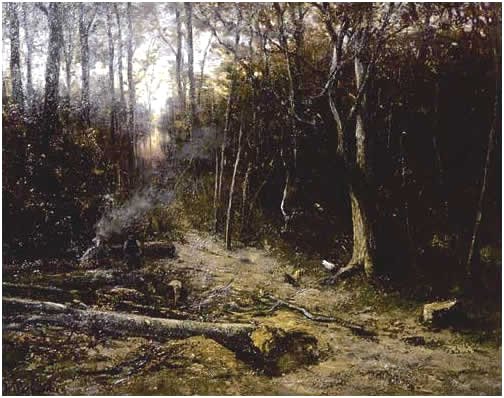
Woodcutters by Hendrik Mesdag (c.1866)

Before starting his tuition, Hendrik Mesdag took his wife Sientja on a short break to Oosterbeek, a small village on the outskirts of Veluwe in eastern Netherlands which was famed for its beautiful landscapes. At that time, Oosterbeek was the site of one of the first Dutch artist’s colonies. The artists there were followers of the French Barbizon naturalist tradition, and it attracted painters, such as landscape painter Johannes Warnardus Bilders, who was one of the the first to settle there and they were inspired by the open air and were able to capture the fluctuations of light. Bilders soon became an inspiration to many other painters who flocked to the region.  This would have been an ideal place for Mesdag to practice his en plein air painting.  Mesdag wrote Roelofs in May 1866, to tell him about his Oosterbeek plans.  Roelofs heartily approved of Mesdag’s plan to spend the summer making sketches directly from nature, and replied to his letter:

“…since, if you were here, I could advise you to do nothing better…”

After his summer sojourn in Oosterbeek, Mesdag and his wife and child move to Brussels in September 1866 where he began his three-year studies under Roelofs.

We know a little of the initial training and advice Mesdag was given by Roelofs as in the 1996 edition of the Van Gogh Museum Journal there is a quote from the van Houten archives of the dbnl (digitale bibliotheek de Nederlandse lettern) in which Roelofs advice to Mesdag is quoted:

“…Try and rid yourself of all so-called manner and, in a word, try and imitate nature with feeling, but without thinking about others’ work. Paint studies of parts, a bit of land for instance, a stand of trees or something of the kind, but always in such a way that it can be grasped in connection with the entire landscape […]. – These studies [are] in order to become acquainted with nature bit by bit. – Further studies of a whole, preferably very simple subjects. – A meadow with the horizon and a bit of sky […]. Paint all these studies not so you can bring home something beautiful […] but for yourself…”

Interior with Staircase by Hendrik Mesdag (1868)

Willem Roelofs was a great follower of the Barbizon School and the Barbizon artists whose paintings faithfully reproduced nature in their depictions.  Roelofs wanted Mesdag to go away and paint depictions of his own surroundings.  There was nothing to be fanciful about the depictions.  Roelof just wanted Mesdag to paint realistic depictions of his everyday life and what was happening around him.  One example was his 1868 painting Interior with Staircase.

Interior with Wife and Child by Hendrik Mesdag (1868)

Another early work by Mesdag was entitled Interior with Wife and Child which was also completed in 1868.

Fate again played a hand in the course of the artistic life of Mesdag for in the summer of 1868 he and his family went to Norderney for a holiday.  Norderney is one of the German East Frisian islands off the North Sea coast.  For Mesdag it was a veritable epiphany, for it was here that Mesdag discovered his love of the sea and seascapes and when he returned to Brussels he began to collect paintings which depicted the sea and it was from this time that he decided that he wanted to become a seascape artist. Mesdag became fascinated by the sea itself.  He was enthralled by the constantly changing shape of the waves and his sketches of the sea were testament to the realism of his art.  He constantly strived to improve his depictions of the sea and the waves and how they were constantly changing and in an interview for the De Nieuwste Courant in March 1901 he was quoted as saying:

“…at home I had spent an entire winter fumbling at a work; it was a coastline, but very naively painted. Then I said to myself: “You have to have the sea in front of you, everyday, to live with it, otherwise all this will come to nothing…”

Near the Lighthouse by Hendrik Mesdag (1873)

It was probably then that he knew that he had to live by the sea.  Mesdag completed his three-year study course with Roelofs in Brussels in 1869 and the family moved to The Hague where he knew that there would be an abundance of sea views at the nearby coastal village of Scheveningen.  Hendrik also gained admission to The Hague’s Pulchri Studio Painters’ Society.   The society had been formed in 1847 because of mounting dissatisfaction among the young artists in The Hague who complained about there being little or no opportunities for training in art and developing their artistic skills and so the Pulchri Studio was established.  It was also to be an artistic talking-shop where artists could exchange views and ideas.

Mesdag had completed some seascapes but felt they were not good enough to exhibit and so spent hour after hour trying to perfect his depiction of the sea and elements of landscape paintings.  In another letter, dated June 1869, to his friend Verwée he talked about the pleasure it had brought him to be near to the coast, despite the sometime inclement weather:

“…Nature is so beautiful here, but the weather has been awful so far…”

Les Brisant de la Mer du Nord by Hendrick Mesdag (1870)

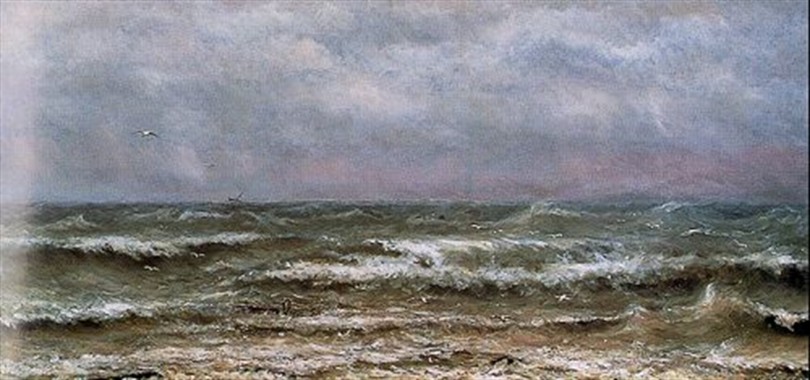
For an aspiring artist, the one thing which would enhance their reputation was to have one of their paintings exhibited at the Paris Salon.  Mesdag failed to get any work exhibited at the 1869 Salon and so was very hesitant in deciding to try again the following year. It was only in March 1870 that he made up his mind to exhibit two paintings, one of which was to be ‘la grande marine’ entitled Les Brisants de la Mere du Nord and the other was Journée d’hiver à Schéveningue.   He sent both entries to the Paris Salon via Brussels, where his friend, Verwée saw them at a local art dealer’s gallery.   Verwée was unconvinced by the Journée d’hiver à Schéveningue, but thought the large seascape, Les Brisant, was excellent and this approbation pleased Mesdag.

Mesdag not only had his two paintings accepted but, to the surprise of many, was later awarded the gold medla for Les Brisant. The painting marked the start of Hendrik’s illustrious career as a seascape painter and this work is now considered as the first masterworks of The Hague School.  Mesdag started on this beautiful work in November 1869 as he mentioned in a letter to his good friend Alfred Jacques Verwée, a Belgian painter who was known for his depictions of animals, landscapes, and seascapes.  In the letter, dated November 15th 1869, Hendrik wrote to Verwée, as quoted in the 1989 book by Johan Poort, Hendrik Willem Mesdag (1831-1915): Oeuvrecatalogus:

“…Impressed by one of those bad days, I have painted over that large marine painting you saw. It is now much improved…”

Hotel Rauch
Hotel Rauch on Scheveningen beach front

The inspiration for this work was the North Sea at Scheveningen which was a short distance from The Hague where he lived.  So that he could spend an unlimited time at the coast, he rented a room in the Villa Elba which had a view of the sea.  Later he would move to the Hotel Rauch, located at the Scheveningen beach. Until his death in 1915, Mesdag visited the sea frequently to seek inspiration for his paintings. From his room he could observe the sea in every weather condition.

Les Brisant is a painting with a broad format, measuring 90cms x 181cms.  It is painted from a low point of view as if the artist sat or stood on the beach at the waterline with their brushes and easel, albeit we see nothing of the shore and yet through the change in tone of the colour we can see the change in depth of the water.   This low vista causes the horizon we see depicted just below the vertical centre of the work.  The one thing these two aspects achieve is it allowed Mesdag to ensure that the breakers fully stood out in this seascape. In the midground, just below the horizon we see the crest of the waves being caught by the wind.  We can tell that the depiction is during a period of adverse weather as the sky is both grey and stormy.  There are no humans in the depiction and yet if we look closely at the central foreground we see a piece of driftwood being battered towards the shore by the ferocity of the sea.  Look also to the central horizon and we can just make out a small ship battling the seas and struggling to survive.  These two elements bring home the ferocity of nature and the brutal nature of the sea that claimed so many of the lives of the fishermen of Scheveningen.

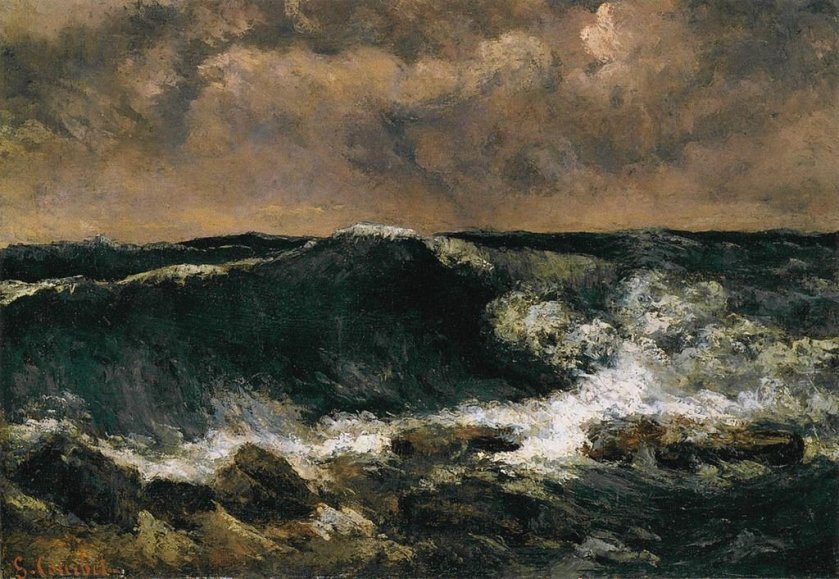
The Wave by Gustave Courbet (1869)
The Stormy Sea (The Wave) by Gustave Courbet (1869)

One knows that Mesdag was seduced by the view of the sea but what made him choose this motif for his painting?  Some believe that he was aware of the painting, The Stormy Sea (The Wave) by Gustave Courbet which the French painter completed whilst staying at Etreat and which he submitted to the Salon in September 1869 and received rave reviews around the world and maybe Mesdag realised that concentrating on the waves and sea would bring him similar acclaim, which we know was correct, as his submission gained a medal at the Salon.

In my next blog I will be looking at more of Hendrik Mesdag’s seascape works often featuring Scheveningen and their fishing folk.  It was this genre that Mesdag was mainly known for.   I will also look at the paintings done by his wife Sientje and look at the amazing and spectacular Scheveningen Panorama which Mesdag, with the help of his wife and a few friends completed and which measures an incredible 14 metres x 114 metres !!!!!

Adriaen van de Velde. Part 2 – beachscapes and landscapes

In my second blog on the seventeenth century Dutch artist, Adriaen van de Velde I want to look at his landscape and beachscape paintings.

The Beach at Scheveningen by Adriaen van de Velde (1658)

Probably his best-known beachscape work is his 1658 painting entitled The Beach at Scheveningen which can be found in the Staatliche Museen, in Kassel, Germany and is looked upon as one of the outstanding works of the Dutch Golden Age.  Scheveningen is a district of The Hague.  It was a fishing village at the time of the painting and it was not until the early nineteenth century that it became a seaside bathing resort.

Of the painting and Adriaen van de Velde, the eminent Dutch art historian Horst Gerson wrote in a 1953 article in the Burlington Magazine, quoting from the eighteenth century German art historian Gustav Waagen’s 1860 book, Handbook of painting.  The German, Flemish and Dutch Schools:

…At the age of nineteen he was already in this department one of the greatest masters that ever lived; the picture dated 1658, in the Kassel Gallery, displaying a tender feeling for nature, a mastery of drawing and a delicacy of chiaroscuro and harmony which are truly astonishing…”

 The setting is a bright but windy summers day on a wide sandy beach which is populated by several visitors who have come to take in the bracing sea air.  In the centre foreground, we see a well-dressed young couple, who are probably on a day trip to the seaside.  To their right we see a group of children playing in a large puddle of water, the remnants of the previous high water.  To the left perched on a hill is a church with its tall steeple, beneath which we see a rider on a horse galloping parallel to the line of dunes.  A covered wagon slowly trundles along the tide line.  Towards the right foreground, we see a group of fishermen, with their trouser legs rolled up, preparing to go into the water with their nets but the most unusual character is the one in the extreme right of the work.  Take a look at him.  His trouser legs are also rolled up.  Is he yet another fisherman or somebody who just wants to paddle and feel the sea caressing his feet.  His hands are clasped casually behind his back.  He is lost in thought as he looks out to sea. Maybe he was once a seafarer and is now remembering those times.

The Beach at Scheveningen by Simon de Vlieger (1633)

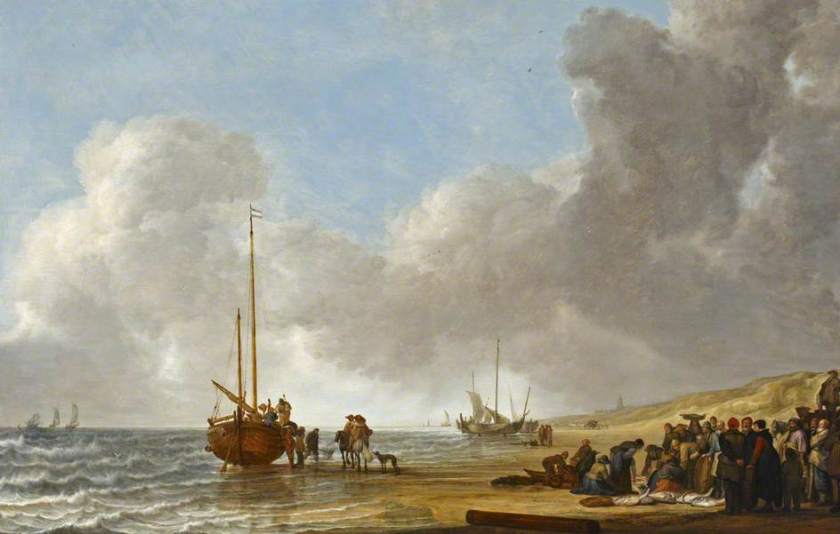
Depictions of the Scheveningen beach were often seen in paintings by other Dutch artists such as one of Adriaen van de Velde’s tutors, Simon de Vlieger’s 1633 in his work The Beach at Scheveningen.

Painting before restoration

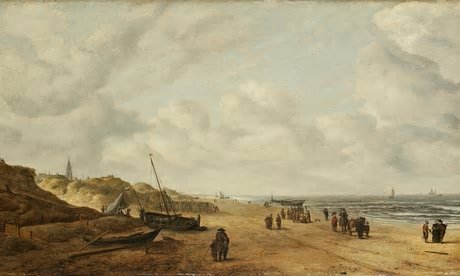
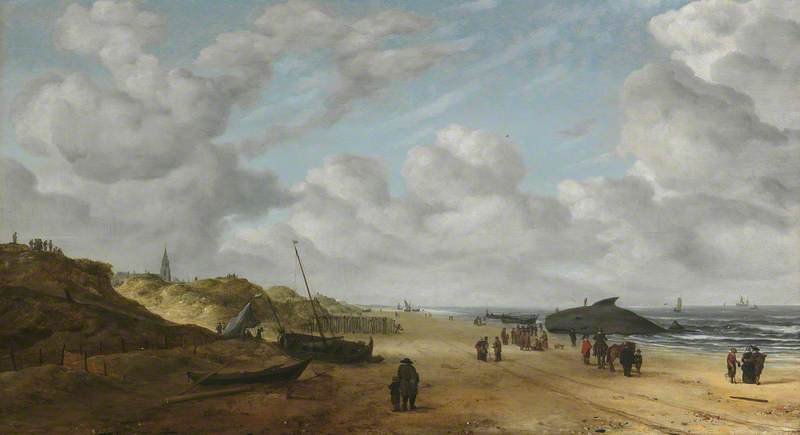
Another work entitled View of Scheveningen Sands painted by Hendrick van Anthonissen in 1641, featuring the same beach, has a very interesting story attached to it. The Fitzwilliam Museum in Cambridge has owned the work since it was bequeathed to them by amateur artist and clergyman Edward Kerrich in 1873.  By chance, the painting came to the Hamilton Kerr Institute, a division of the museum, renowned for paintings research and conservation, because the Dutch Golden Age gallery of the museum was being renovated.

View of Schevningen Sands by Hendrick van Anthonissen (1641)

The varnish coating on the painting had yellowed and become unsightly.   Initially, what appeared strange to the museum experts about the depiction was why were the people clustered at the sea edge and on the dunes above, on a cold wintry day staring at the tide line.  What were they looking at?  There then followed a long discussion among the experts of the museum about the potential risk of damaging the painting if and when they removed the varnish and some of the over-painting.  However, it was agreed to let the conservator, Shan Kuang, proceed to remove the overpainting, using a scalpel and solvents, working on tiny areas at a time,  under a microscope.  She then discovered that there appeared to be a man standing in mid-air, next to what looked like a sail from a boat.   After more of the over-painting was removed they realised the man was not standing in mid-air but on the back of an enormous whale which had beached in the shallows and what at first was thought to be a sail was in fact the whale’s large dorsal fin.

Carriage on the Beach at Scheveningen by Adriaen van de Velde (1660)

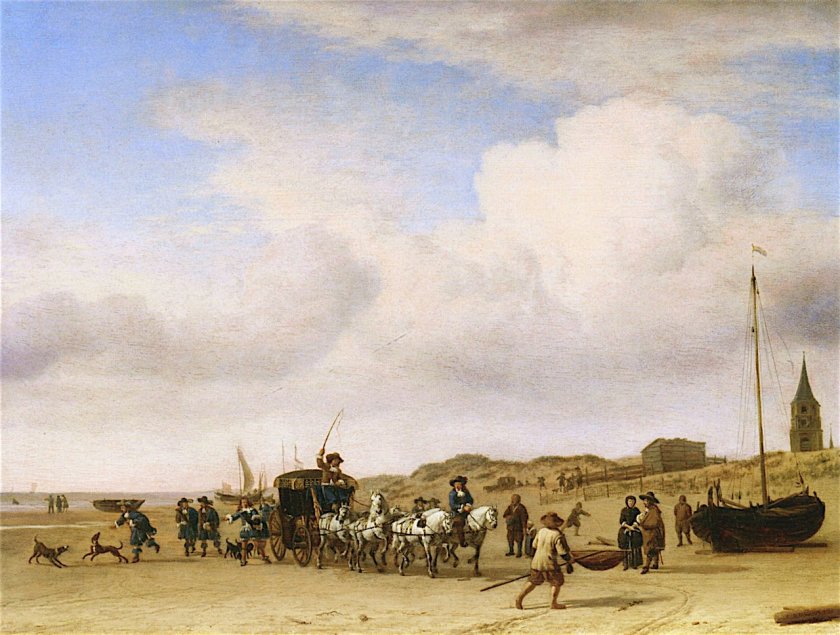
There is another Scheveningen beach painting by Adriaen van de Velde in the Louvre entitled Carriage on the Beach at Scheveningen.  This was completed in 1660 and is yet another of his works featuring the popular Dutch seaside resort.  In the painting we can see an imposing carriage making its way along the beach at Scheveningen.  The carriage is being directed by a man in a blue uniform, who sits astride the lead white horse, whilst the driver, who sits atop the carriage, is seen cracking his whip. There is a bit of humour added to this work as we see one of the valets, who is also bedecked in blue livery, running after two hunting dogs, which are happily playing on the sand. It is thought that the carriage was that of William, the young sovereign Prince of Orange, who would later become William III of England (William of Orange).  The tide is out, and we see local villagers walking along the beach.  Children are playing and, in the right foreground, we see a man carrying a large net, coming back from fishing. The composition, which is mainly made up of horizontals, is split by the vertical of the boat mast and the church steeple.  Sunlight comes diagonally from the left of the depiction, illuminating the white horses and casting long shadows of the people and carriage on the sand .  This soft golden light is probably due to the influence of the Dutch Italianate painters of the time such as Jan Both, Karel Dujardin and Nicolaes Berchem who had all stayed in Italy.  They had travelled extensively around the country and had adopted the style of landscape painting that they found there, and then incorporated Italian models and motifs into their own works.  Every detail in the painting has been meticulously drawn by the artist and it was his ability to draw characters that made him popular with other artists of the time who needed figures added to their landscapes or beachscapes – staffage!

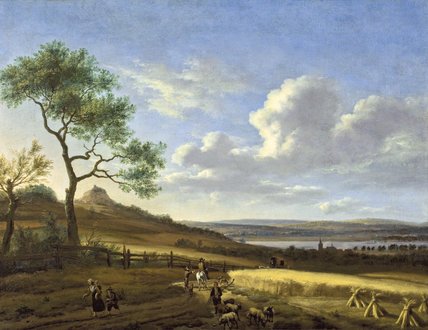
Panoramic Landscape with a Horseman and a Post Wagon by Adriaen van de Velde (1661)

However, Adriaen van de Velde is probably best known for his landscape paintings.  His painting, Panoramic Summer Landscape with a Horseman and a Post Wagon, which he completed in 1661 was described by Wolfgang Stechow, the German American art critic, pianist, and violinist, as being:

“…a landscape of such serene beauty and golden softness that its comparison with a Mozart melody will not, the writer hopes, be dismissed as farfetched…”

The setting is a late summer afternoon.  In the work, we see a man astride a horse being given directions.  Man and horse are bathed in sunlight as is the field with its four sheaves of wheat.  Cast in shadow, we also see a woman with child on her back and one by her side and a shepherd who is looking after his small flock of sheep.  In the right middle ground, also in shadow, is a small village on the edge of an expanse of water, with its church and tall steeple.

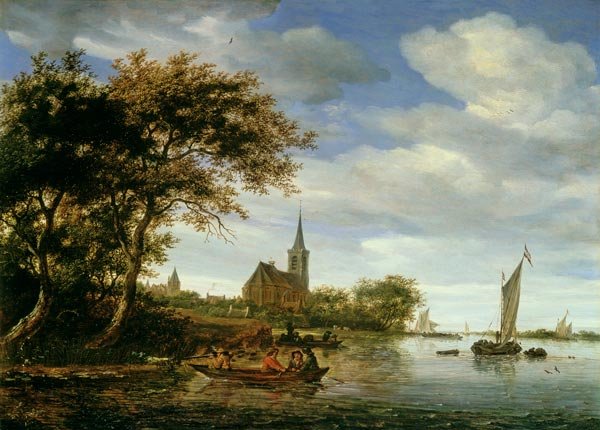
A River Scene by Salomon van Ruysdael

This type of composition we see before us with a tall tree on one side was dubbed by Wolfgang Stechow as being of a “one-wing composition” pattern which had been favoured by Salomon van Ruysdael.  It is a type of composition in which the large tree in some way acts as an introduction to the viewer to gaze at the panoramic view in the rest of the depiction.  Ruysdael’s landscapes would often have a single tall tree or a group of them to one side of his landscape paintings.  In this painting, van de Velde has counter-balanced the mass of leaves atop the tree on the left with the dense clouds on the right.

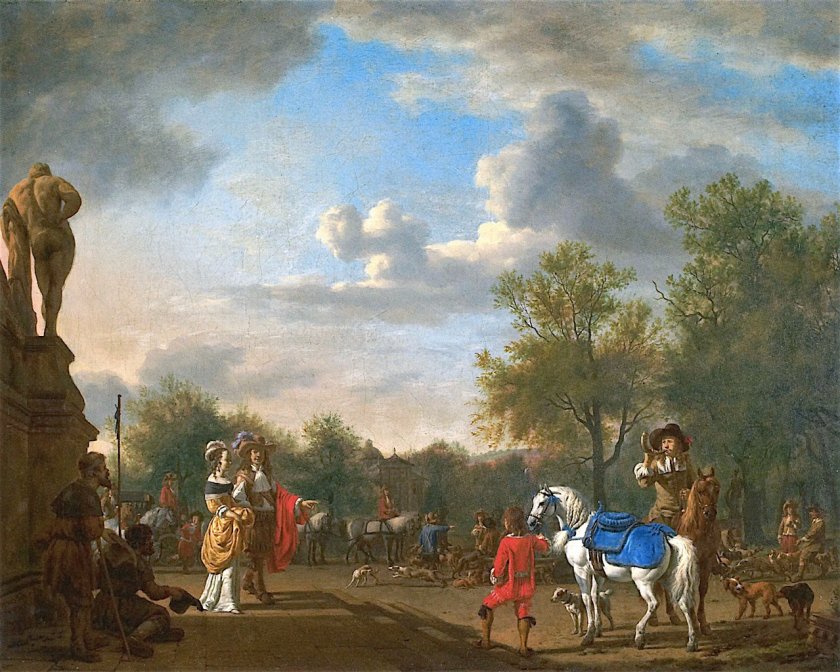
Departure for the Hunt by Adriaen van de Velde (1662)

A painting by Adriaen van de Velde which has elements of a landscape painting but is populated by many figures is entitled Departure for the Hunt, which he completed in 1662.  In all. there are sixteen human figures, eight horses and twenty-three dogs.  However, most are hidden in shadow and only the couple on the left, the man astride the horse blowing the hunting horn and the groom tending the rider-less white horse are illuminated by sunlight.   The painting was last publicly exhibited at the Royal Academy of Arts in London in 1952.  One of the reviewers of the exhibition was Horst Gerson wrote about it in the Burlington Magazine.  He remarked:

“…The well-to-do English collector of the eighteenth century loved to possess a good Adriaen van de Velde with his Wouwermans and Aert van der Neer.  The brilliant colours and the refined technique of these artists appealed to the cultivated taste of the upper-class…”

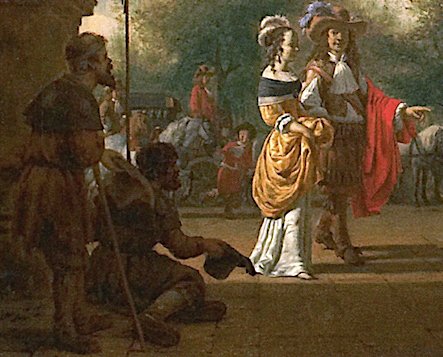
The "haves" and "have-nots"
The “haves” and “have-nots”

It is a highly colourful depiction and we are prompted to look at the detail of the work with its many figures.  We see beggars in the bottom left of the work trying to cajole the well-dressed couple into helping them financially.  This combination of the two beggars and the wealthy beautifully adorned couple makes us aware of the “haves and the have nots”.  To the right in the foreground we see the amusing scene of one of the dog handlers struggling manfully to control his charges.  It seems he is losing the battle.

 There are so many more paintings I could have included but I though this is just a “taster” to whet your appetite and persuade you to research more of his works.  If you live in London the Dulwich Picture Gallery is exhibiting a collection of his works until January 15th 2017 and I hope to visit there before it closes.  A book which accompanies the exhibition, Adriaen van de Velde, Dutch Master of Landscape was my main source for this blog.

Tomorrow I am off on a three day trip to The Hague to visit the Gemeentemuseum and the Alice Neel Exhibition and see the works of the American artist whom I extensively covered in six blogs a month or so ago and whilst in the Dutch city I hope to visit some other art galleries and feast my eyes on some beautiful Dutch and Flemish seventeenth century art.

Hendrik Willem Mesdag – his seascapes and Panorama Mesdag

Hendrik Willem Mesdag (1913)

The person I am featuring today was an artist of great talent, an avid art collector and an owner of a museum, which housed many of the works he had collected during his lifetime.  I talked briefly about him in my previous blog which was dedicated to his friend Jozef Israels.  Let me introduce you to the marine painter, Hendrik Willem Mesdag.

Along the Dutch Coast by Hendrik Mesdag (1882)

Mesdag was born in Groningen in February 1831.  His father Klaas was a banker and was also active in politics and his mother was Johanna Wilhelmina van Giffen, who came from a wealthy family of silversmiths.  She died when Hendrik was four years old.  Hendrik had two brothers, Gilles and Taco and a sister, Ellegonda.  As schoolchildren, both he and his older brother showed and early artistic talent and their father, who was also an amateur artists, decided to send them for some artistic training.  They both received drawing lessons from Bernardus Buijs who had also taught Jozef Israels and later received drawing tuition from Hinderikus Egenberger.  However, for Hendrik, once he left school at the age of nineteen, art became just an enjoyable pastime, and his future, like that of his father, lay in banking.  Hendrik Mesdag joined his father’s bank where he remained for the next sixteen years.

Fishing Boats in the Surf by Hendrik Mesdag

In April 1856, when Hendrik was twenty-five years old, he married Sientja van Houten, who would later become an accomplished artist in her own right.  She was one of seven children brought up by a wealthy family.  Her father owned a large sawmill just outside Groningen.  Her cousin was the renowned painter Lawrence Alma-Tadema.

Along the Dutch Coast by Hendrik Mesdag

Hendrik’s love of art during his days as a banker did not diminish, in fact in 1861 he enrolled as a pupil at the Academie Minerva, a Dutch art school based in Groningen.  In 1863 Sientje gave birth to their son Nicolaas, who was called Klaas.  Hendrik’s love of art and his desire to become a full-time professional artist came to a head in 1866 when he decided to give up his work as a banker and concentrate on his art.  To give up a lucrative job took courage but it also required funding and for this he had to thank his wife who had received a sizeable inheritance when her father died and she was able to support him financially.

Pinks in the breakers by Hendrik Mesdag (1880)

Lawrence Alma-Tadema advised Hendrik to go to Brussels to study art and in the autumn of 1866 he goes to the Brussels for three years and studied art under the tutorship of Willem Roelofs, the Dutch painter and watercolourist.  Fate played a hand in the artistic life of Mesdag in 1868 when he and his family went to Norderney for a holiday.  Norderney is one of the East Frisian islands off the North Sea coast.  It is here that Mesdag realises his love of the sea and seascapes and when he returns to Brussels he starts collecting paintings which depict the sea and it is from this time that he decides he wants to be a seascape artist.

Gales in Scheveningen by Hendrik Mesdag (1894)

Once he completes his three year study course in Brussels in 1869, the family move to The Hague where the sea views at the nearby coastal village of Scheveningen, would be plentiful.  Hendrik was admitted to The Hague’s Pulchri Studio Painters’ Society.   The society was formed in 1847 and was a result of mounting dissatisfaction among the young artists in The Hague who complained about their being little or no opportunities for training in art and developing their artistic skills and so the Pulchri Studio was established.  It was also to be an artistic talking-shop where artists could exchange views and ideas.

Les Brisant
Les Brisant

It was in 1869 that Mesdag worked on his painting Les Brisants de la Mere du Nord (Breakers of the North Sea) which, when it was exhibited at the Paris Salon in 1870,  was awarded the gold medal.  In September 1871, tragedy struck Hendrik and Sentije when their eight year old son Klaas, their only child, died.  It was from that time onwards that Sientje took up painting.

Detail from Panorama Mesdag

Hendrik Mesdag’s collection of paintings had grown so large that it filled his house and in 1878 he decided to build a museum in the garden, next to his house, to accommodate his ever-growing collection.  That same year, his father Klaas died aged 85.  Although most of the works of art by Hendrik Mesdag were seascapes and paintings depicting bomschuiten (fishing boats) one of his most famous works came about in 1879 when he received a commission from a group of Belgian entrepreneurs to paint a panorama.  A panorama or panoramic painting was a massive work of art, which depicts a wide and all-encompassing view of a particular subject.  They could be depictions of a battle, historical event or a landscape and were very popular in the nineteenth century, a time before television or the cinema.  The commission was simple  –  the group wanted Mesdag to complete a painting without any borders !  The Belgians gave Mesdag free rein on the subject of the panorama and he was allowed to pick his team of artists to complete the task.  The commission intrigued Mesdag and he agreed to it and formed a team of artists which included Théophile de Bock and twenty-three-year-old George Hendrik Breitner, who was still a student at The Hague Academy , the artist, Bernard Blommers , as well as his wife Sientje.

Detail from Panorama Mesdag

Mesdag decided this was an opportunity to depict his beloved coastal village of Scheveningen.

In March 1881, Mesdag and his team of painters set to work on the panorama.  They made numerous sketches of the town and the surrounding coast and slowly over the next  four and a half months the panorama often referred to as Panorama Mesdag  evolved.  The work when completed was 14 metres high with a circumference of 120 metres, a square footage of 1600 square metres.  The finished work was housed in a purpose-built museum in The Hague and could be viewed from an observation gallery in the centre of the room.  When one stood at this central observation point, it was if one was standing on top of a high sand dune and one could observe the sea, the beaches and the coastal village of Scheveningen.  The museum housing the panorama was opened to the public on August 1st 1881 but after five years it went bankrupt.  Mesdag , who was concerned as to the fate of his panoramic painting, bought the museum and kept it open despite it losing money year on year.

Panorama Mesdag as seen from central observation platform

It is still open to the public and it is still one of the The Hague’s greatest tourist attractions.  Can you imagine what it would be like to stand on that central observation platform – take a look now at http://panorama-mesdag.nl/   and see this wonderful work, which is the largest circular canvas in Europe.

In his later years Mesdag received many honours. In 1889, he was elected chairman of Pulchri Studio Painters’ Society, the society he joined twenty years earlier, and remained in that post until 1907. He received the royal distinction of Officer in the Order of Oranje-Nassau in 1894.  In February 1901 Mesdag is promoted to Commander of the Order of the Dutch Lion.

Hendrik Willem Mesdag  and his wife Sientje Mesdag-van Houten, (1906)
Hendrik Willem Mesdag and his wife Sientje Mesdag-van Houten, (1906)

In March 1909 his beloved Sientje died, aged 74.  Two years later in 1911, Hendrik Mesdag is taken seriously ill and although he recovers, his health slowly deteriorates.  Hendrik Willem Mesdag died in The Hague in July 1915, aged 84.

One may compare the seascapes and depictions of fishing boats with the artist, Jozef Israels, whom I looked at in my last blog.  Israels’ depictions were often full of angst and doom and gloom whereas Mesdag’s works were simply depictions of what he saw, without any need to have the works populated by people and all had a story behind them.   I end with a quote from the author, Frederick W Morton who wrote an artcle in the May 1903 edition of the American art journal, Brush and Pencil .  He wrote about Mesdag’s seascapes:

“…Other artists have painted more witchery into their canvases, more tenseness and terror.  A Mesdag has not the glint of colour one finds in a Clays or the awful meaning one reads in Homer.  On the contrary, many of his canvases are rather heavy in tone and are works calculated to inspire quiet contemplation rather than to excite nervous.  But he is a great marine-painter because he thoroughly knows his subject – he has sat by it, brooded over it, studied it in its every phase – and by straightforward methods, without the trick of palette or adventitious accessories, has sought to make and has succeeded in making his canvases convey the same impression to the spectator that the ocean conveyed to him…”

———————————————-

Much of the information for this article came from the Mesdag Documentation Society and their excellent website Mesdag.com (http://www.mesdag.com/index.html)

Jozef Israels Part 2 – The Peasants and his later life

Self portrait by Jozef Israels (1881)

I ended my last blog, which looked at the life of Jozef Israels, around 1856 when he was living in the small fishing town of Zandvoort and spent much of his time sketching and painting scenes involving the local fishing community.

The Day Before Parting by Jozef Israels (c.1862)

Israels left the coastal area around 1858 and returned to Amsterdam where he remained until 1870.  In 1860 he completed a work entitled De dag voor het  schieden (The Day before the Parting), which can now be found in the Museum of Fine Arts in Boston.   It is a beautiful soulful depiction.  It is a depiction of sadness.  But why the sadness?  Is it like the paintings depicting families waiting for their fisherman husbands and fathers to return from the hazards of the sea?  Actually it is not, it is about death.   The setting is the interior of a cottage.  In the dimly lit background there is a coffin which lies across two chairs.  The wooden coffin is covered with a pall and is barely illuminated by a solitary candle.

Light streams into the room from the left and illuminates the two characters featured in the work.   The lighting of the foreground is in stark contrast to the background.  It was the artist’s clever use of chiaroscuro (the strong contrast of light and dark), which in some ways was a contrast between life and death.  In the foreground we have the mother leaning against the chimney breast as she sits on a chair, besides her in the fire hearth lies an empty overturned wicker log basket.  Her face is red from all the tears she has wept.  She leans forward and rests her face on her right hand whilst her left hand clutches hold of a book, probably the bible and her thumb keeps the place of the passage she was reading.  On the floor, at her feet, sits a young girl.  She leans against her mother to get comfort.  Her right hand lies across her mother’s knee.  She stares at the coffin.  Her left hand lies in her lap, grasping the loop of the cord attached to her toy cradle which lies by her side.  This painting is not only a depiction of sorrow it is a depiction of poverty.  The mother and daughter do not wear shoes despite the coldness of the red-tiled floor.  The fireplace, with its blue surround tiles, is empty and so too is the wicker log basket indicating that they have no fuel for the fire.  The large black chain over the fireplace which would hold pots or a kettle for food and drink hangs idly.  Have they food?

This wonderful work of art received the gold medal when it was exhibited in Rotterdam in 1862 and that same year it was shown at the International Exhibition in London.  Israels himself, some forty years later, admitted that this painting made his reputation.  In 1906 he commented on the work:

 “…I painted it in 1860 – I know it was then because it was the year before I was engaged.  It was made ‘pour la gloire’.  It was exhibited in Rotterdam in 1862 and got the Gold medal, the last year the medal was given…………………….There is good colour in that picture; I could do no better – some people say I cannot do now so well…”

Peasant Children by Jozef Israels

 In May 1863 Jozef Israels married Aleida Schaap and the couple had two children, a daughter Mathilde Anna Israëls who was born in February 1864 and a son, Isaac Lazarus in February 1865.  His son became a fine art painter and was associated with the Amsterdam Impressionism movement.  At the time of his son’s birth Jozef Israel wrote about him saying:

 “…With the help of the Lord, he will become a better painter than his father…”

  Jozef Israels moved to The Hague in 1870 and here he began to associate himself with The Hague School of Painters.  This group of artists were active between 1860 and 1890.  For these artists reality was the key to their work, not idealised reality but depicting true reality, warts and all.  The colours used by these artists was often gloomy and sombre and consisted mainly of various tints of grey, so much so they were often termed the Grey School.  This only changed in the latter years of the School with the influence of the Barbizon painters and the early Impressionists who instilled a lighter and brighter palette.

In 1876, with a number of close artistic colleagues, Israels launched the Dutch Drawing Society (watercolours in those days were termed drawings)

The Cottage Madonna by Jozef Israels
The Cottage Madonna by Jozef Israels (1871)

 During his lifetime, Jozef Israels was one of the most famous living Dutch artist and earned the nickname ‘the Dutch Millet.’  The two artists saw in the life of the poor and humble peasants a motive for expressing with peculiar intensity their wide human sympathy.  Millet’s depictions of peasant life were much lighter in tone and were simply a look at peaceful rural life.  For Israels it was different, his depictions of peasant life was very much more sombre and carried a message of hardship and despair.  The French novelist and art critic, Louis Edmond Duranty who was a great supporter of the realist cause said Israels’ depiction of peasant life was painted with gloom and a sense of anguish.

  Jozef Israëls primarily painted scenes from the lives of simple farm labourers or fishermen. Sometimes, as in my next painting, he singled out tragic moments in their lives. This next work of art really tugs at one’s heart strings.  It is entitled Alone and can be found at the Mesdag Museum in The Hague.  Hendrik Mesdag, a contemporary and great friend of Israels, was a leading artist of The Hague School and he and his wife, Sientje played an active role in The Hague art world.  Hendrik Mesdeg was not just an artist, he was an avid art collector.  His collection grew so much that, in 1877, he had a museum built to house it

Alone in the World by Jozef Israels, (1881)

The setting for the painting, Alone in the World, is the inside a sparsely furnished bedroom of a peasant’s cottage.   There is an air of bleak despondency about the scene we see before us.  A man sits on the side of a bed.  His bony workman’s hands rest on his knees, his posture is unmoving. He is wracked by sadness as his wife has died despite all he had done for her.  Her body lies in the half-light which streams in from the left of the painting on to the bed and also illuminates the table on which are a pitcher of water and an empty glass as well as the bed.  The greyish colour of the dead woman’s skin makes her almost indistinguishable from that of her bedclothes.

It is interesting to note that Jozef Israels and Sientje Mesdeg talked about this work years after its completion and on a broader aspect of art.  They considered the anecdotal aspect of art and whether genre paintings should tell a tale.  They failed to agree. Sientje was adamant that there was never a need for art to tell a story, whereas Jozef Israels countered saying that a “felt” work is good even if badly delineated.  There is no doubt that this work is a “felt” work as we, the observers, can understand the feelings of the man at a time of his great loss.

Convalescent Mother and Child by Jozef Israels (1871)

A painting I really like which combines the reality of illness and sentimentality is Israels 1871 work entitled Convalescent Mother and Child.  In the painting we see a mother slumped in a chair, head lolled to one side, her knitting lies abandoned in her lap.  Walking towards her is her barefooted young child struggling to carry a small table towards her.  The child is trying to be a help to his sick mother.  Look at the concentrated expression on the child as he makes a great effort to move the table towards her.

A Jewish Wedding by Jozef Israels (1903)

In later years his paintings were influenced by the works of Rembrandt and this next work of art, entitled The Jewish Wedding, is a fine example of this.  Jozef Israels was a committed orthodox Jew and his mother had once hoped that he would become a Rabbi.  He produced a number of paintings depicting Jewish ceremonies.  Here before us we see bride and groom under the chupa in the ceremony of sanctification of the joining together of the couple in marriage, surrounded by family and wedding guests.  The couple in the painting are depicted in bright sunlight which was a symbol of the happiness of the occasion.

We Grow Old. Jozef Israëls, 1878

Joseph Israels died in Scheveningen in August 1911. aged 87.

Jozef Israels. Part 1 – The Plight of the Fisherman

Portrait of Jozef Israels by Jan Veth (1887)

My previous three blogs looked at Russian landscape painters and although they were leading exponents of this 19th century genre they may have been unknown to many people nowadays.  The artist I am looking at today is probably also not known by most people but he had a great influence of the early works of the Dutch master, Vincent van Gogh.   Just before Christmas I went to Amsterdam to visit the newly refurbished Van Gogh Museum and I suggest that it is “must visit” museum for any travellers to the Dutch city.

Peasant Family at Table,  by Jozef Israels (1882)
Peasant Family at Table, by Jozef Israels (1882)

The museum was awash with colour from Van Gogh’s landscape paintings but I was fascinated by his darker early works and his fascination with the hard-working peasants and I wanted to know more about what influenced him to spend so much of his early life concentrating on depictions of the peasant class.  It was then I came across Jozef Israels and his 1882 painting entitled Peasant Family at the Table, a work of art which led to a similar depiction, by van Gogh, of peasants sitting around a table having a meal which is entitled The Potato Eaters and I featured this work of art in My Daly Art Display (Feb 7th 2012).  However this blog is not about Van Gogh but the Dutch artist, Jozef Israels who influenced him.  In this first blog about Jozef Israels I want to look at his paintings depicting the harsh life of fishermen and their families.

Josef Israels was a Dutch Jewish painter born in Groningen in January 1824.  His father was to Hartog Abraham Israel, a professional broker and merchant who had married Mathilda Solomon Polack.  Jozef was the third-born of ten children and he had six brothers and three sisters.  As is the case of many young aspiring artists, Jozef’s father did not see his son’s future as an artist but wanted him to carry on the family business and it was only after a long struggle and great determination that Jozef persuaded his father to let him study art.  It was a compromise, as during his artistic studies he worked as a stockbroker’s clerk in his father’s business.   At the age of eleven he received his first drawing lessons from the landscape artist J. Bruggink who worked at Minerva Academy in Groningen and a year later became a pupil of Johan Joeke Gabriel van Wicheren.   In 1838, aged fourteen he was tutored by the Groningen painter, Cornelis Bernudes Buys.

In 1842, shortly after his eighteenth birthday Jozef went to Amsterdam to study drawing under the tutelage of Jan Adam Kruseman and, in 1844, attended art classes at the Amsterdam Royal Academy of Art.  Kruseman had made his name as a painter of historical, biblical and genre scenes but was probably more famous for his portraiture.  In 1845 Jozef Israels left his native Netherlands and travelled to Paris where he worked in the studio of the neo-classical history painter, François-Édouard Picot.  Picot was one of the artists who was favoured by the French rulers of the time.  He was an esteemed artist who taught many of the aspiring artists of the time such as Alexandre Cabanel and William-Adolphe Bouguereau. His romantic historical paintings influenced Israels.  The Romanticism genre of Louis Gallait and Ari Scheffer also left their mark on the twenty-two year old. During his stay in Paris he attended classes at the Ecole des Beaux-Arts presided over by such artistic luminaries as James Pradier, Horace Vernet and Paul Delaroche and he would spend time at the Louvre where he copied the works of the great Masters.

The Academies at the time pushed the genre of paysage historique, historical landscape painting depicting idealised landscape works of art with their historical connotations.   This art genre went back to the 17th century Baroque era of Nicolas Poussin and Claude Lorrain and aspiring landscape painters from the Academies made their way to Italy to paint their landscapes interspersed with historical monuments, the settings of which were favoured by the dazzling Mediterranean sunlight. This favourable Italian climate had given the artists the chance to paint en plein air.

However, Jozef Israels, whilst he was living in the French capital, delved into the alternate world of landscape painting, the world of Realism, and the works of the Barbizon painters some of whom he had the chance to meet.  For them it was the landscape which was the beauty in itself and did not require the addition of mythological or biblical figures.  If figures were to be added it should be those of hard working peasants whose inclusion added reality to the work and dispensed with romanticism.  However Jozef Israels was not sold on their ideas for landscape painting and soon reverted to his painting which were more likely influenced by the painter Ari Scheffer (see My Daily Art Display May 15 2012 and Sept 30th 2014) depicting subjects from Romantic poetry or influenced by the work of the Belgian history painter, Louis Gallait and depicted figures from Dutch national history.

In 1847 Israels returned to Holland and his work concentrated on his portraiture and historical subjects, often with Jewish themes.    The problem for Israels was that by the 1850’s,  the genre of history paintings in the Netherlands was falling from favour and he realised that to sell his art he needed to think of a different painting genre.   Fate took a hand as Jozef was taken ill and in 1855, as a cure for his health problems, he moved out of the city and went to live in the small fishing village of Zandvoort, where he believed the sea air would aid his recovery.   He immersed himself in the local village life and became aware of the hard life endured by the village’s fishing community and he decided to record some of their sufferings in his works of art.   His paintings depicted the hard life of the fishermen and their families and the unforgiving nature of the sea.

Along mother's grave by Jozef Israels (1856)
Passing mother’s grave by Jozef Israels (1856)

In 1856 he painted one of his most famous works featuring Zandvoort fishing folk.  It was a life-size work measuring 224cms x 178cms  entitled Passing Mother’s Grave.  The painting depicts a fisherman passing his wife’s grave.   He walks hand in hand with his son whilst carrying his baby daughter.  The bare-footed trio alluded to the poverty of the fishing folk and for this trio life without the woman had added to their problems.The work is housed in the Stedelijk Museum Amsterdam.

Fishermen carrying drowned man by Jozef Israels (c.1861)

Another work of art featuring the plight of fishermen and their families was Jozef Israels’ painting entitled Fishermen Carry a Drowned Man which is housed in the National Gallery in London.  It is thought that this work was completed around 1861, sometime after Jozef returned to Amsterdam from Zandvoort but used sketches he had made whilst living in the fishing village.  The work is all about suffering and the hard life experienced by fishermen and their families and it was this eking of sympathy from the observer which was so like that of Jean-François Millet and his peasant paintings. Let’s look at this sombre work with its dark grey skies.  A line of fishermen and their family trudge up the dunes from the shore.  A grief-stricken woman leads the way with her two children at her side.  They too are aware of the loss.  Maybe the woman is the widow of the dead fisherman.  She is leading the line of mourners.  Behind her the body of the dead fisherman is carried by two burly men whilst to the left of them is a weeping woman.  The dead man’s companions follow on carrying the fishing equipment from their boat. The work of art was exhibited at the 1861 Salon and in 1862 at the London International Exhibition and was hailed a triumphant success.

Anxiously Waiting by Jozef Israels

The third painting by Jozef Israels with this fishing/sea-going motif is entitled Anxiously Waiting.  Once again observers of this work can empathize with the woman we see sitting on the dunes looking out to sea. On her knee sits her baby child.  She is bare-footed which tells us of her and her family’s financial state.   The sky has an orange hue indicating an oncoming storm.  We see the white crests of the waves which signify the wind is beginning to increase in its ferocity.  Her husband has left home in the fishing boat and has yet to return and she anxiously awaits sight of his boat.

Unloading the Catch by Jozef Israels

In his painting Unloading the Catch we see that fishing was not just about the men that went to sea but the wives, parents and children who needed to help, notwithstanding their age or their state of health.  Look at the line of helpers.  An elderly woman bent over supporting herself with her cane, a man with a basket over his shoulder holding the hand of his daughter, two mothers carrying their babies , all have to help with the unloading of the day’s catch from the beached fishing boat.

Three Women Knitting by the Sea by Jozef Israels

In a number of his paintings he liked to connect the wives of the fishermen and the sea, the workplace of their husbands and fathers.   In most it was the about the wife, worried about the safety of her husband, and the prospect of him not returning home safely.   A painting by Jozef Israels with a lighter mood was his work entitled Three Women Knitting by the Sea.  In the background we see a fishingboat at sea ,whilst in the foreground, we have the three ladies happily chatting away as they knit.

On the Dunes by Jozef Israels

In his work On the Dunes we see a familiar depiction of a woman sitting on the dunes looking out to sea.  On her back is her empty basket which, once the boat has landed with its catch, will be filled with fish which she will have to carry back to the village.  Her wait will not be long as on the horizon we catch sight of the returning fishing boat.  The sky is light and the sea is calm and for this day her beloved will return home safely.

Mending the Nets by Jozef Israels

An insight into the domestic life of a fisherman’s wife can be seen in his painting Mending the Nets.  The scene is the interior of a cottage.  A mother sits before a tiled fireplace mending her husband’s fishing nets whilst her young child sits in a wooden forerunner to today’s baby buggy.  The baby looks over the side at the cat which she  tantalises with a strand of wool.

In my next blog I will look at some more of the paintings by Jozef Israels, in which he depicted peasant life and I will conclude his life story.