
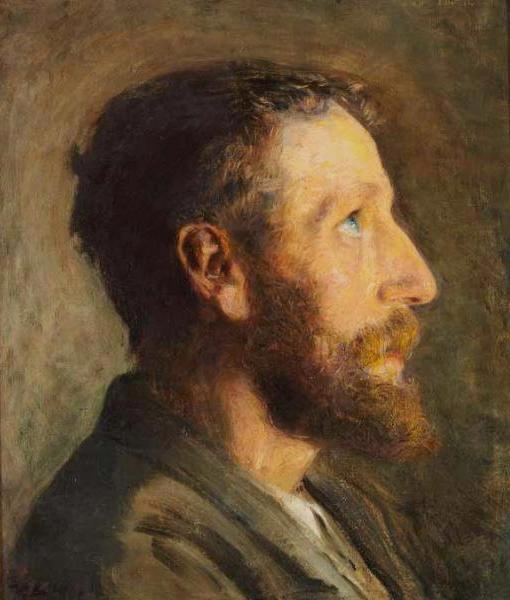
ecently I gave you five blogs which were devoted to one of the great Surrealist artists of the twentieth century but today I am reverting back to what I would irreverently term “ordinary” paintings. However, there is nothing ordinary about the works of the Danish painter Laurits Andersen Ring, professionally known as L.R. Ring, one of Denmark’s foremost artists during the late nineteenth and early twentieth centuries. He was a pioneer of both symbolism and social realism. I had not previously known anything about him or his work but I could not believe how beautiful his paintings were.

Laurits Andersen Ring was born Laurits Andersen on August 15th, 1854 in the village of Ring, near Næstved, in the south of the Danish island of Zealand. His father was Anders Olsen and his mother was Johanne Andersdatter. For several generations, the Anders Olsen family had been peasant farmers and Johanne was a farmer’s daughter and came from a family of smallholders. When Anders and Johanne married, he took over his father-in-law’s house in the village of Ring. However, due to his poor health, asthma, he was unable to work the land and so neighbours undertook the upkeep of the land whilst he established himself as a carpenter and wheelwright. Anders and Johanne had their first child, a son, Ole Peter on January 6th 1850 and four and a half years later Johanne gave birth to Laurits on August 15th, 1854. Laurits and his brother grew up in a family with cramped and impoverished conditions, and throughout his life Laurits was particularly concerned with the struggle of workers and peasants to get better living and working conditions. As teenagers the two boys had to help in their father’s workshop as his health was deteriorating and he was unable to work for long periods of time. Eventually Ole took over the family business.
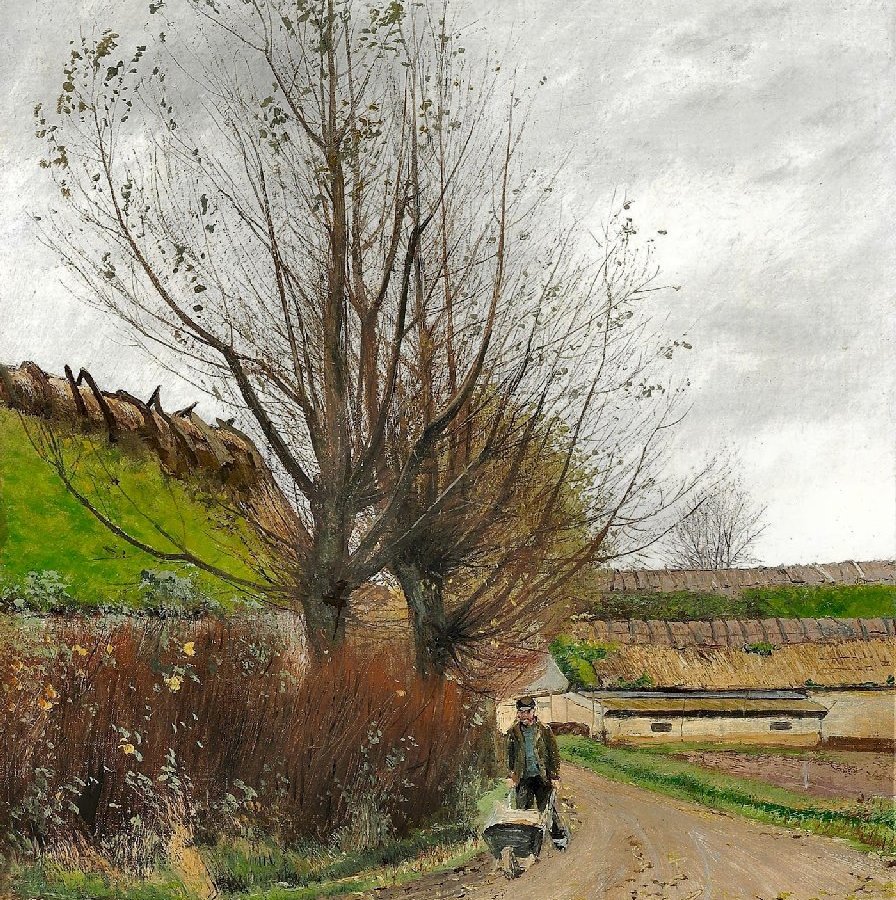
With Ole was looking after the family business, Laurits was free to further his own ambitions, that of becoming a professional painter. In 1869, aged fifteen, Laurits became a painter’s apprentice. In 1873, while working in Copenhagen Laurits decided to enrol in painting classes and, in 1875, following two years of private study, he gained entrance to the Royal Danish Academy of Arts. It was around this time that Laurits decided to change his surname. He and his friend, fellow painter Hans Andersen, who came from the village of Brændekilde, decided to change their last names, taking the names of their native villages, in order to avoid confusion at exhibitions when they both exhibited paintings. Laurits Andersen became Laurits Ring and Hans Andersen became Hans Andersen Brendekilde. As has been the case of many young artists I have profiled, Laurits fell out of love with academic teaching and the Academy set-up. He was never satisfied with life at the Academy and loathed the strict training in classical disciplines. In 1882 Laurits had his paintings shown at his exhibition debut. It was a great triumph and through this and other exhibitions he slowly received critical acclaim for his work and within two years his artistic career had been launched successfully.

In June 1884, Laurits Ring produced a painting which finally bestowed on him the artistic recognition he deserved. The painting was entitled The Lineman. Rail transport in Denmark began in 1847 with the opening of a railway line between Copenhagen and Roskilde and for Denmark, it was the great innovation of the middle and late nineteenth century. Look at the figure in the painting. He is the Lineman or Railway Guard. He is dressed in his railway uniform. He stands looking down the line at the on-coming train. If we look more closely at the figure, we see a man whose clothes are ill-fitting. He wears old wooden clogs. His demeanour is one of tiredness with his slumped shoulders and there is a definite air of poverty about him. Although the new railways might have benefited the country, they also allowed people the opportunity to escape impoverished rural communities and find work in the cities which further worsened the predicament of the rural communities which suffered the greatest poverty.
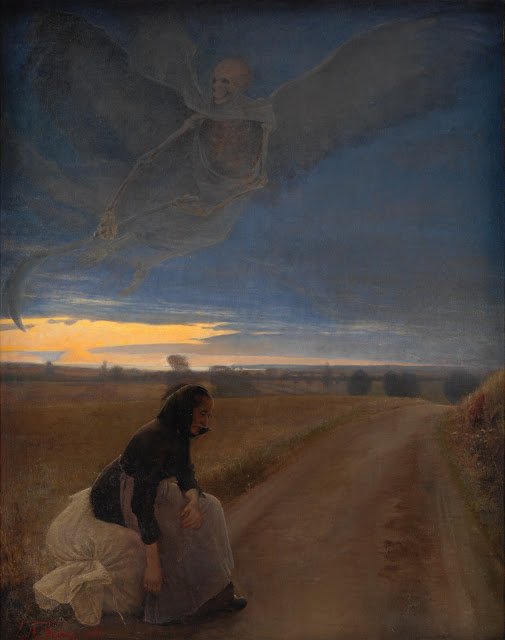
Sadly, just as Ring’s career was taking off, tragedy struck. On June 18th, 1883, his father, Anders, died, aged 66. Laurits’ childhood home was dissolved, and his mother had to go and live with his brother. Worse was to happen three years later, on March 28th, 1886, when Laurits’ brother who had been looking after his mother, died after a short illness, aged 36. Nine years later, in 1895, Laurits’ mother died aged 81. These inevitable but tragic events occurred in a twelve-year period and greatly affected Laurits Ring. Many of his works around this time focused on death, such as his 1887 painting entitled Evening: The Old Wife and Death. Laurits, besides his Social Realism works, was also known as a symbolist painter, and depicted in this painting, we see before us an old woman resting by the roadside, exhausted after carrying her heavy burden. Her arm hangs slack. She can do no more. She is close to death. She will not get to the end of the road. She will not make it home. The sun has set and the soft light of dusk characterizes the scene. The road symbolises her road of life on which she has made the final journey. In the sky above her looms the Angel of Death. He smiles and laughs knowing he is about to harvest yet another soul.

Ten years later Laurits Ring focused on another aspect of death following his visit to Sicily in 1894. The Symbolist painting was entitled Three Skulls from Convento dei Cappucini at Palermo. It is a strange and haunting work based on the catacombs of the Cappuccin monastery in Palermo which has long placed their dead monks in catacombs, where their corpses slowly mummify.

Laurits Ring depicts just three of over eight thousand bodies there. Just a point of interest: The last monk was buried in the Capuchin Catacombs of Palermo in 1871. The last non-clergymen that was added to the collection dates from 1920.

Throughout Laurits Ring’s life he showed great empathy with the poor and their lot in life. He was one of the most well-known ambassadors of Social Realism in Danish art. Throughout his life he never forgot his humble and impoverished upbringing and his family’s battle to survive and this could be seen in his art. He was proud to change his surname to the name of his birthplace in the little south Zealand village and it was those surroundings and the people living in the area which became his constantly recurring subject.
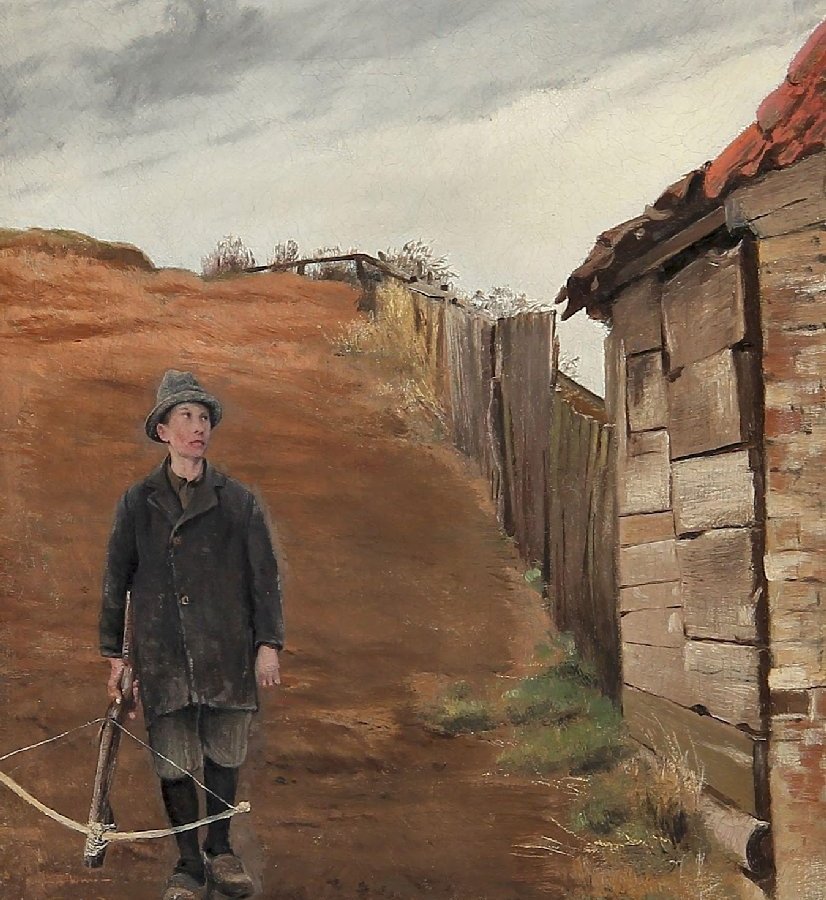
In Denmark, the term The Modern Breakthrough was given to the period between 1870 and 1890 which marked a period in Danish literature and arts which focused on naturalism and realism and replaced romanticism at the end of the nineteenth century. Personal poverty, which Ring had witnessed first-hand in his family household, had inspired him to support the constant battle of peasants and workers for social and economic change. Laurits Ring was a champion of the weak and oppressed and, like many young people demanded change and even contemplated the need for a revolution. In the 1880s, Ring was active in the Rifle Movement, a group that openly advocated an armed uprising.
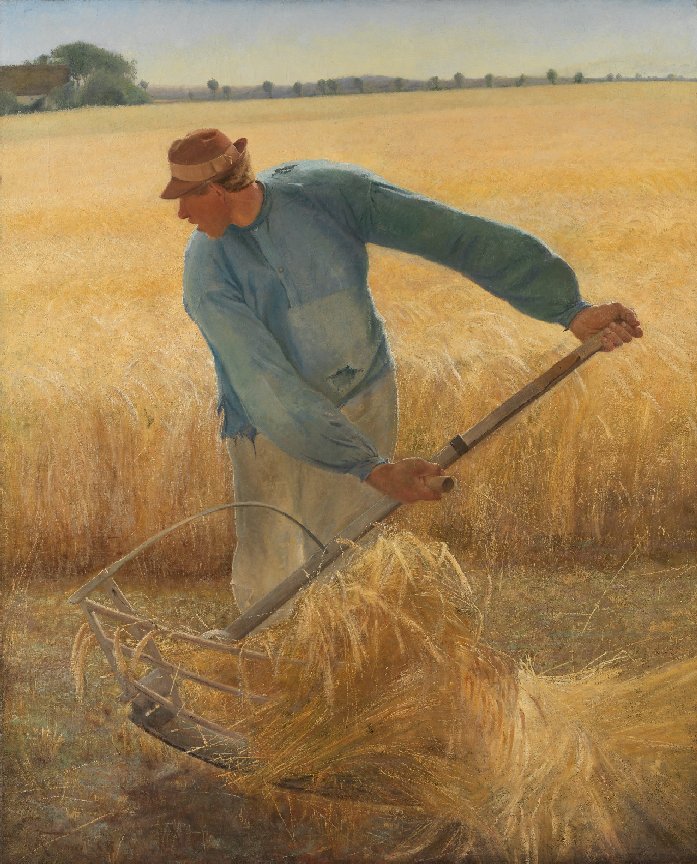
Laurits never forgot the poverty his family had suffered and his Social Realism paintings confronted the hardship of life for the less well-off such as the peasant farmers. There was a family connection in his 1885 painting entitled Harvest. Laurits managed to persuade his elder brother Ole Peter to model for the painting. We see his brother working on his Zealand farm near the village of Fakse. The depiction shows endless swathes of wheat fields and Laurits’ brother vigorously swinging the heavy scythe.

Another of Laurits’ rural depictions, The Gleaners, completed in 1887, is one used by many artists, and depicts the gathering of grain or other produce left behind in a field after harvest. The best-known version of this subject is probably Jean-François Millet’s 1857 painting of the same name.
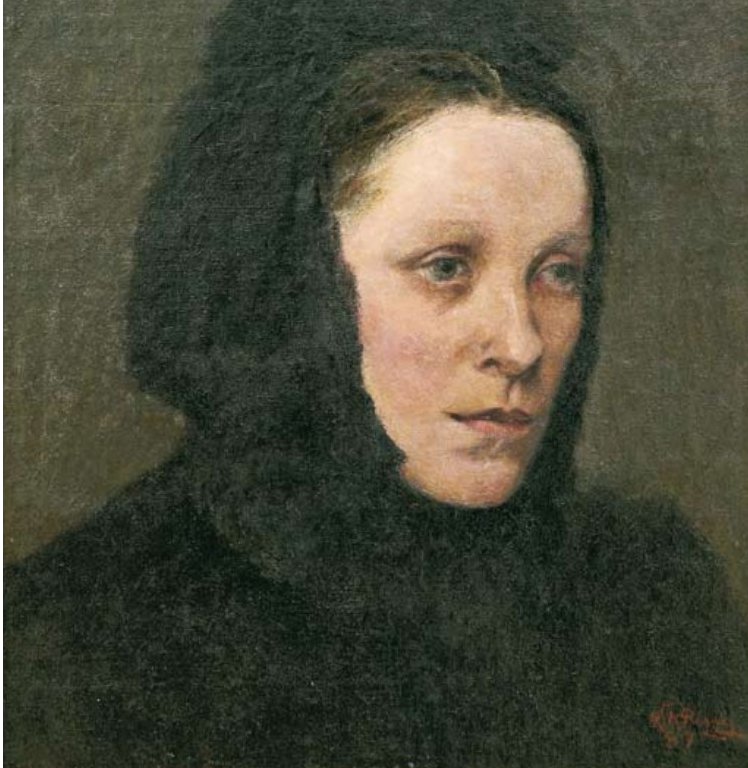
Laurits Ring had three women who took on a special importance in his life. The first was his mother, Johanne Andersdatter, with whom he had a special and long-lasting bond. Around 1887, a second woman came into Laurits’ life. She was Olga Johanne Albertine Wilde, the wife of the lawyer and amateur painter, Alexander Wilde who had his studio next to that of Laurits’ residence in Frederiksberg, a district of Greater Copenhagen. She was the mother to two sons and a daughter. With a mutual interest in painting Alexander and Laurits became great friends and Laurits almost became one of the family spending Christmas and the summers with them. Despite his great friendship with Alexander, Laurits fell in love with his wife, Johanne. It was a disastrous infatuation and an unrequited love as, despite a passing back and forth between Laurits and Johanne of recurrent intimate letters, she remained faithful to her husband.

Finally, around 1892 Laurits realised that there could be no future with Johanne and he broke this circle of friendship with the Wilde family. The end of this intimate relationship caused Laurits to experience a period of great depression at his lost love. It was a traumatic time in the life of Laurits Ring. His father and only brother had died within three years of each other. He was totally disillusioned with the political struggle to better the living conditions of the poor in urban and rural areas and he was now beginning to doubt his artistic ability. In fact, he was losing faith in God and the deeper meaning of life at all. It is thought that but for the fact that his mother was still alive, he may have contemplated suicide as a way out of his depression. If that was not bad enough, his “friend” Henrik Pontoppidan, in his 1895 novel, Nattevagt (Night Watch), based his character Thorkild Drehling, a painter and failed revolutionary, who was in love with his best friend’s wife, on Laurits Ring. Ring was horrified at his friend’s betrayal, especially the publicly divulging of Ring’s infatuation with Johanne Wilde. Their friendship immediately ended.
Things had to change for Laurits, and they did, in the form of the third woman in the life of Laurits Ring.
…………………………………….to be continued.










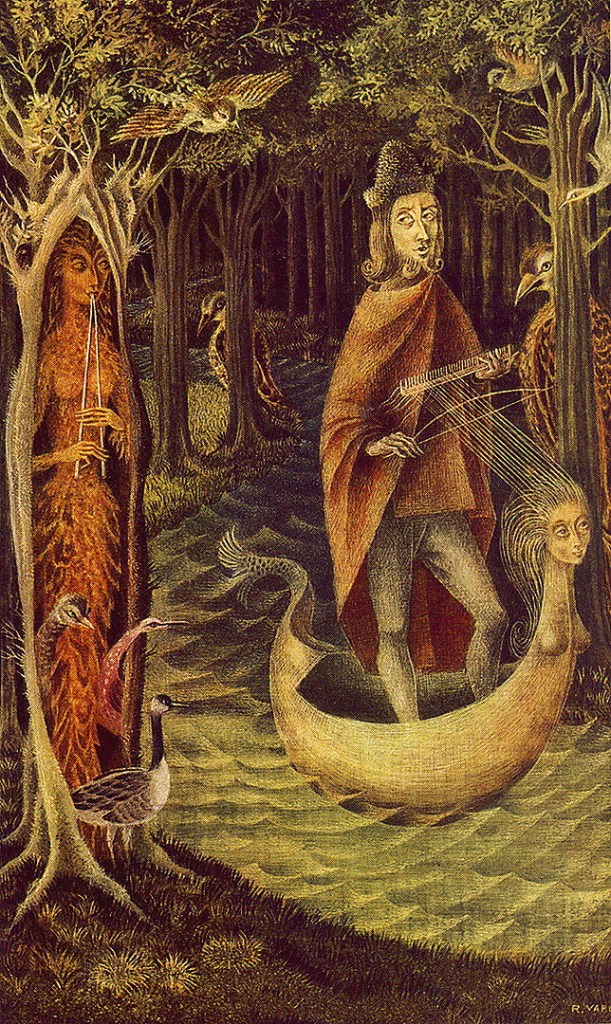
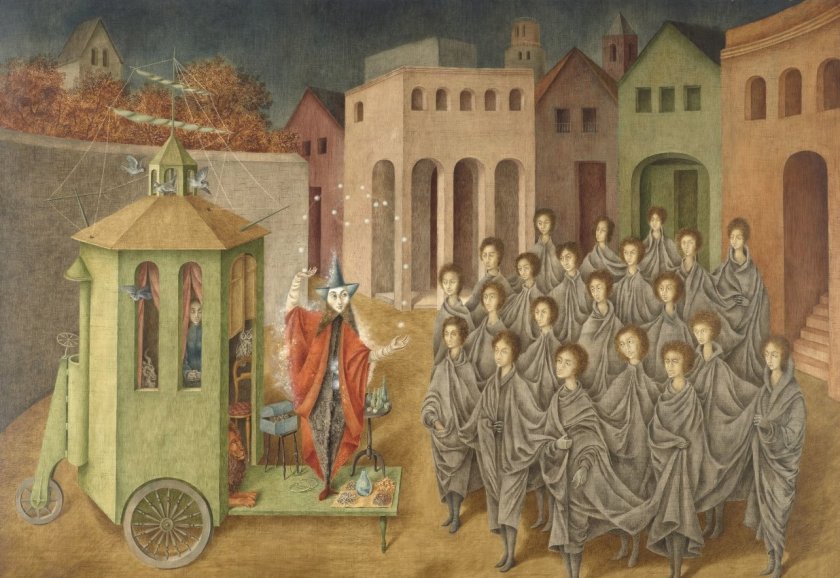
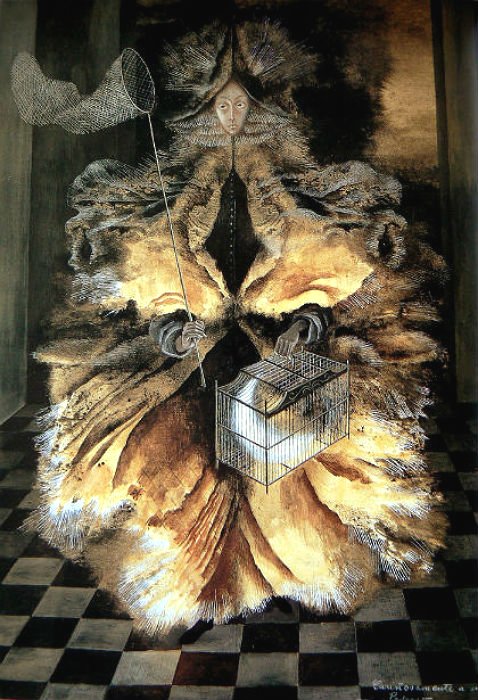
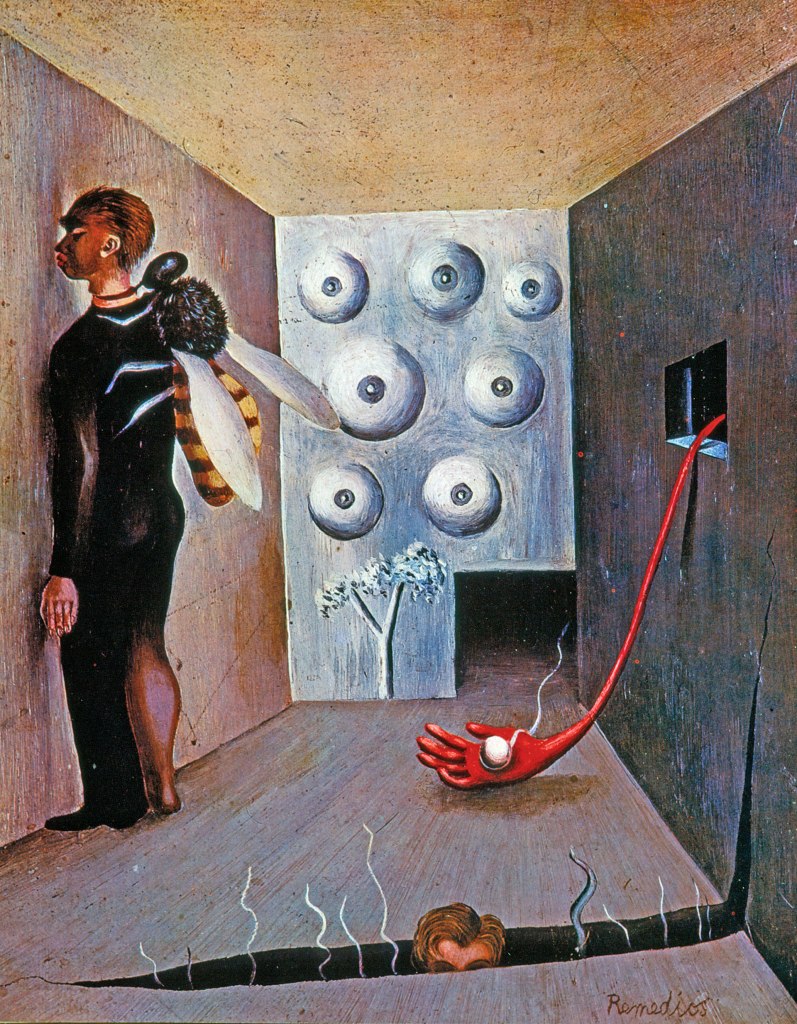
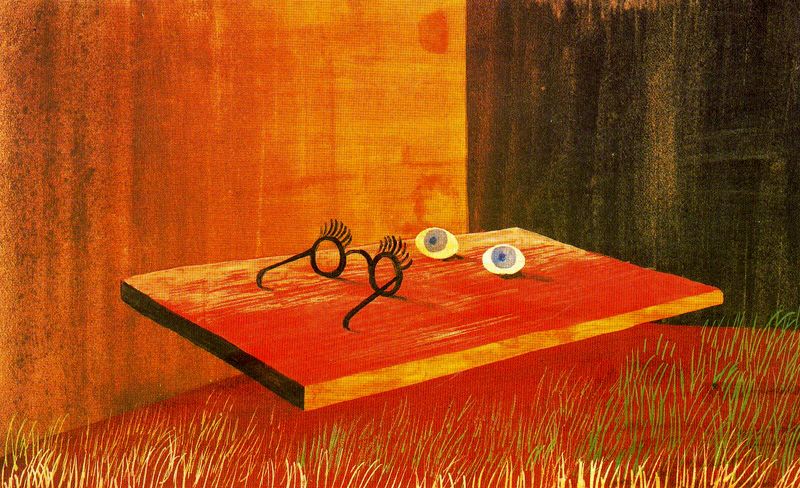
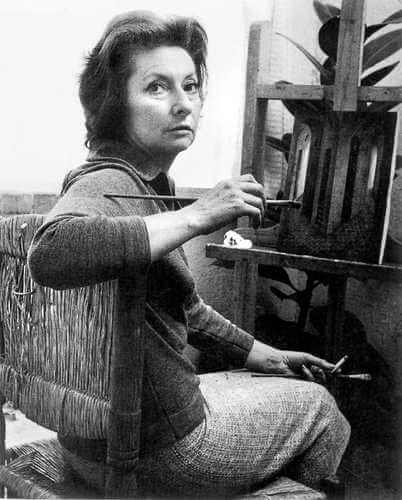 In 1958, Remedios Varo participated in the First Salon of Women’s Art at the Galerías Excelsior of Mexico, together with Leonora Carrington, Alice Rahon, Bridget Bate Tichenor and other contemporary women painters of her era. Remedios submitted two of her works, Harmony and Be Brief, and won the first prize of 3,000 pesos.

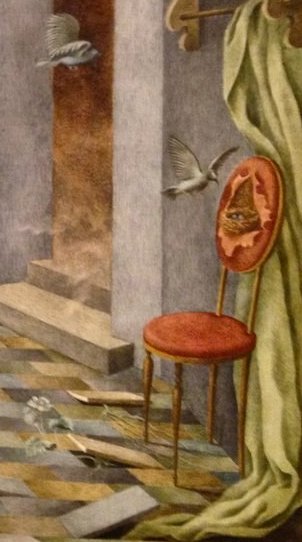
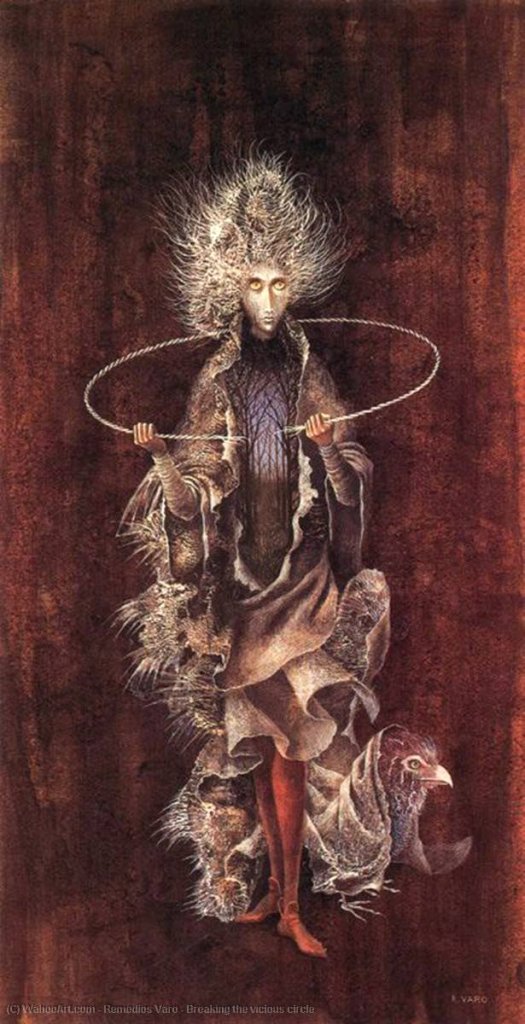


 If you look closely at the chest cavity of the figure you will detect the circle of yin-yang, the Chinese symbol that similarly represents the balance of opposites. The face of the figure is one of calmness and serenity and suggests inner harmony and balance.

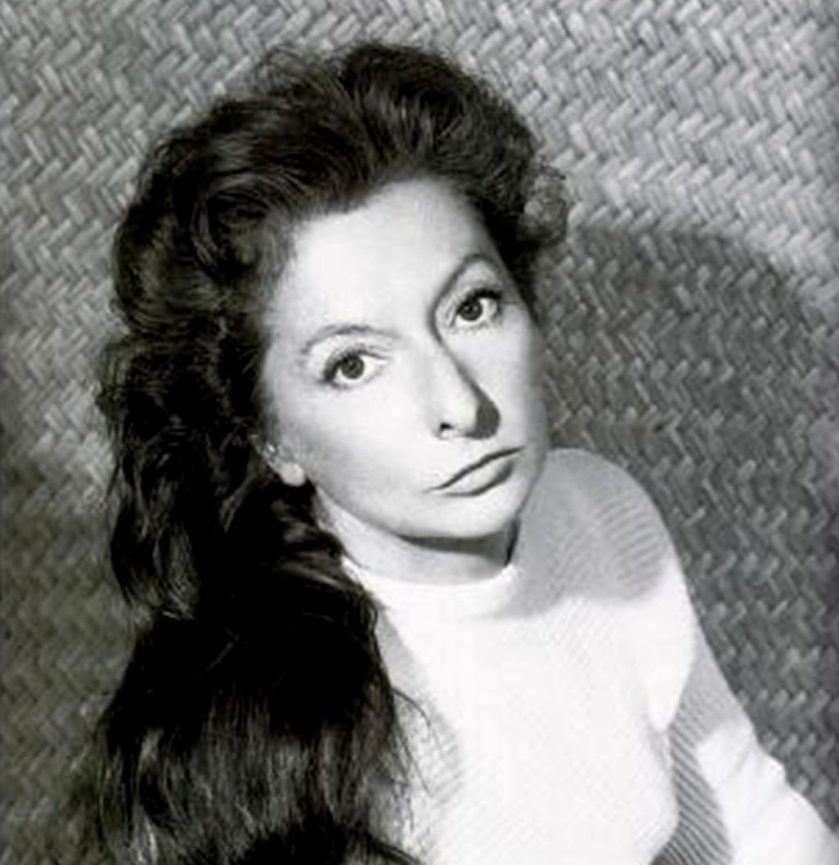
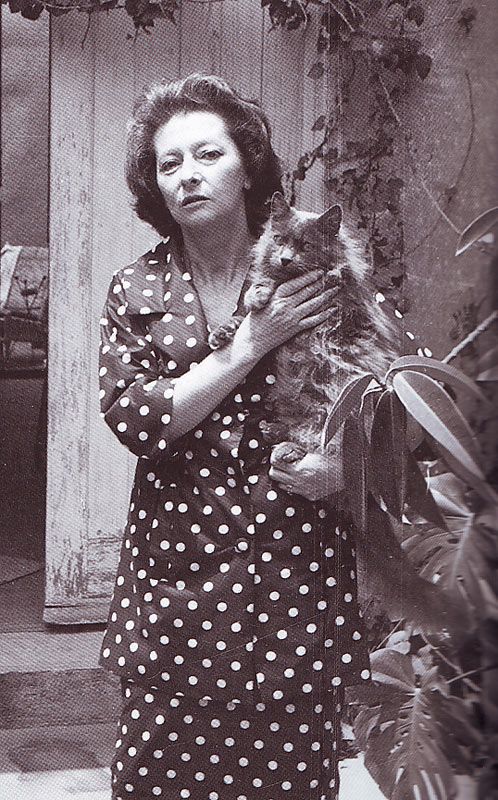 In 1963 Remedios suffered some health problems. She had complained of a shortage of breath when climbing stairs. She had a history of chronic gastric problems and was known to drink excessive amounts of coffee as well as being a heavy smoker. She was checked out for heart problems but was given a clean bill of health. The state of her mental health was open to doubt. Some of her friends said she was bubbly and full of life whist others said she had told them that she was depressed and did not know whether she could carry on with life. Walter Gruen, her husband, remembered the devastating afternoon of October 8th 1963, saying that he and Remedios had lunched with their friend Roger Cossio who had come to buy Varo’s painting, The Lovers. Gruen said his wife was happily explaining the details of the work to the buyer. With lunch over Cossio left and Gruen returned to his Sala Margolin shop across from their house to do some work. Shortly after, their Indian maid rushed into Gruen’s shop to tell him that Remedios was very ill. Gruen rushed home to find his wife complaining of chest pains. Gruen was unable to contact a doctor so left Remedios and went into the next room to consult some medical books. When he returned to his wife, he found that she had died.


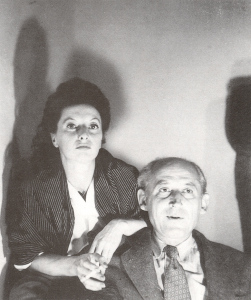
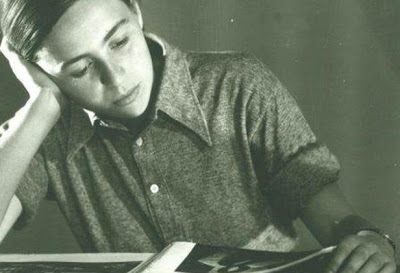 In her early days in Mexico, Remedios did few paintings and spent most of her time writing. She and Leonora Carrington would write fairy tales, collaborated on a play, invented Surrealistic potions and recipes, and influenced each other’s work. The two women, together with another of their friends, the photographer Kati Horna became known as “the three witches”


























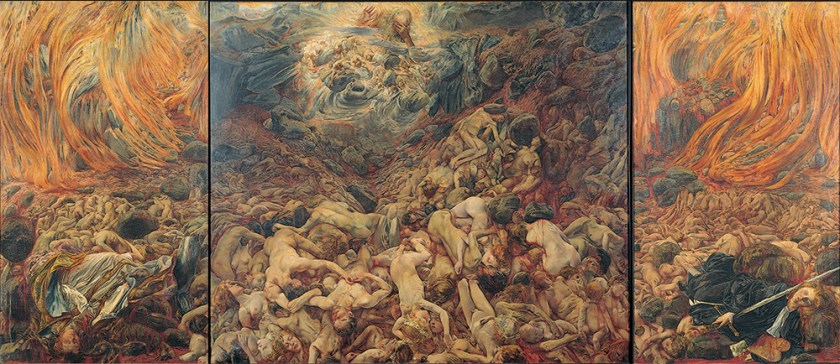 The three panels on the left tell how God is angry with how he is unhappy at how mankind has been acting and he is sends down fire and brimstone to punish the people. The end result, as depicted, is that the people were burnt by the fires and crushed into rocks and all eventually die.
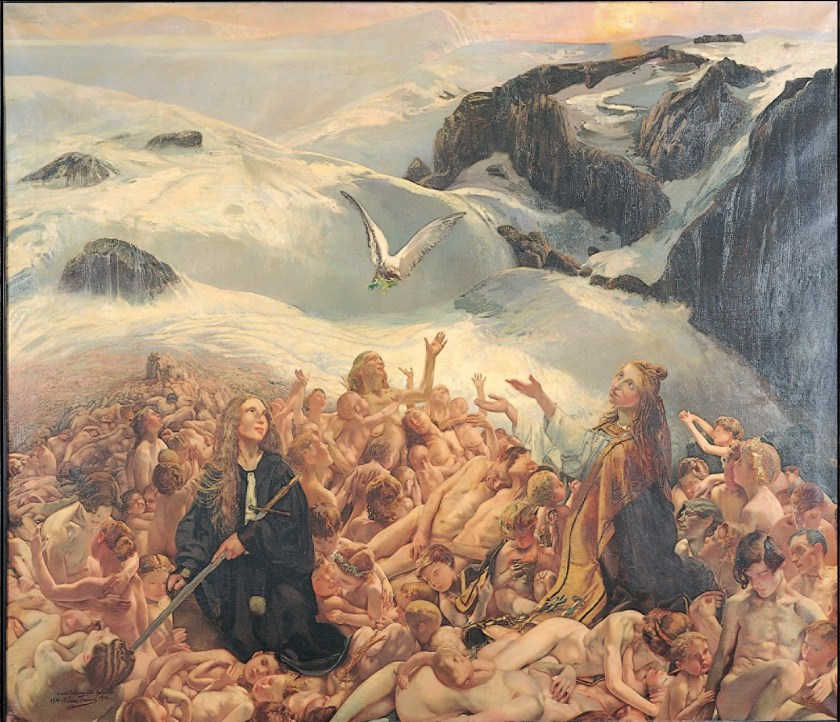 In the fourth (middle panel) there is a change of mood and we see a depiction of a white dove, which is a symbol of a messenger from God, arriving on the scene bearing good news, that God forgives and through his love, humanity will be revived.
 The three panels to the right depict the result of his forgiveness. Happy people congregate under a double rainbow. It is an amazing work with countless figures, each with their own expressions. It was obviously a time-consuming project and highlights the love Frédéric had for this work and his Christian beliefs. Take time to study each panel. Look at all the different expressions on the faces of the people. Look at the backgrounds of each panel. It is amazing what you discover.
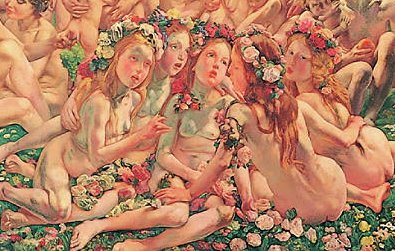 One sad note with regards the painting is connected with the centre panel. During the time Frédéric was painting this work, World War I had begun in which he lost his daughter Gabrielle. In the foreground of the middle panel there are five young girls wearing floral garlands on their heads. It is believed that the girl in the centre of this group was a portrait of his daughter who died and to the bottom left of the panel (although illegible in this attached picture) Frédéric has written:






 my daily art display